
How to choose between pacers and pace groups for London marathons is where most runners go wrong, because they treat pacing support like a one-size-fits-all upgrade. My take is simple: if you cannot trust your own effort to stay even, you need a steadying hand. If you can, you will waste energy listening to someone else’s plan.
Pacers are best when you want a clear timetable and constant feedback that helps you avoid the classic early surge and the middle-mile wobble. Pace groups can work the same job, but they often feel more like a rhythm you negotiate with other runners, which suits people who already know how to regulate breathing, especially after the crowded “pinch points” where your speed can get strangled by foot traffic.
Choose based on what you can execute on tired legs, not on what sounds motivating at the start line. Match your target finish to the event’s listed pace options, be honest about your longest training run and recent splits, and plan how you will respond when conditions turn against you, like warmer weather or sudden congestion. On race day, keep the pacing guidance visible early, then adjust quickly if fatigue or crowding makes holding the plan unsafe.
Choose Pacing Help By Appetite For Discipline
London marathons reward pacing discipline, and you should treat pacers and pace groups as tools with a job to do, not as mood-based accessories. The right choice depends on one question: how much live guidance you need to hold your effort steady when the race turns mean.
If you consistently control your effort through the middle miles and you can recover from slowdowns after pinch points without turning your race into a series of surges, then running with your own plan is a strength. If you tend to drift, especially early or when runners start to bunch up, a pace group can keep you honest.
The fastest runner in the race is not the benchmark. The benchmark is the runner who can repeat the right effort profile under pressure.
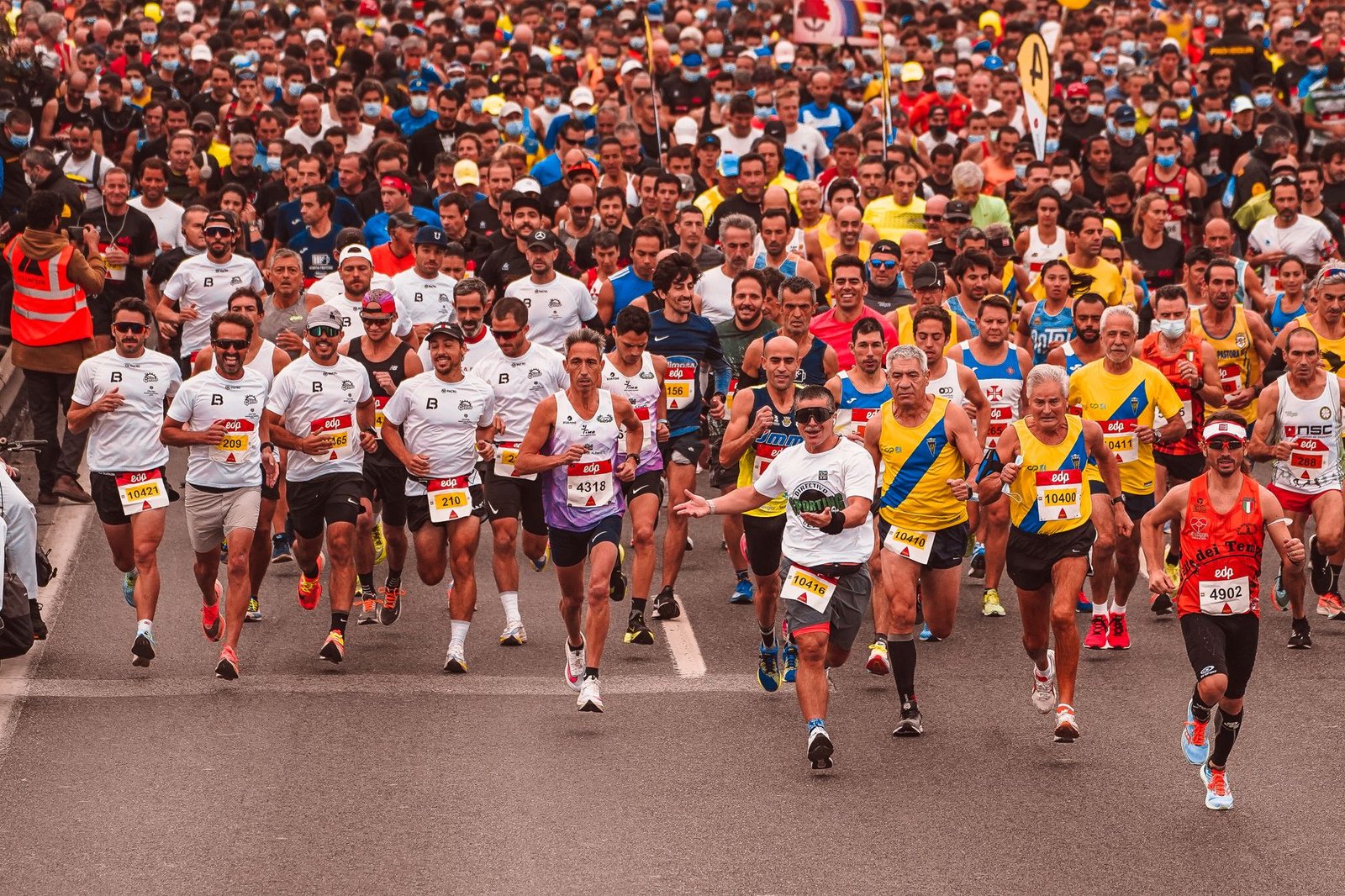
Pacer Or Group Is Mostly A Visibility Test
A pacer is for you when you want a reliable reference point, but you still plan to drive the effort. You use the pace as a timetable, then you decide how to run it in response to congestion, hills, wind, and your own fatigue signals.
A pace group is for you when you want the discipline built into the structure. Groups coordinate rhythm, communication, and corrective nudges in real time, which is exactly what helps when your internal pacing instincts start to fail around mile 10 and again after the late-race settling.
Understand The Split Philosophy They Actually Use
Do not confuse “target time” with “method.” Some pacers aim for precise splits with a tight tolerance, while others manage energy so you finish strong even if a few miles run slightly under or over. A pace group often blends both, because the group’s strength is consistency, not just math.
Ask yourself what you fear more during the race. Fear burning too hot early? Fear fading late? If you fear early overreach, a group that actively keeps you in the right rhythm through the middle miles can be a smart move. If you fear late wobble, a pacer you can trust to pull you back into balance after pinch points may fit better.
Confirm Your Target Against The Race Reality
You should choose from the published pacing roster and strategy for London before you choose your personality. Matching your target finish time to what the event actually offers reduces the risk of picking the wrong “container” for your effort.
Also, read the pacing guidance from credible race-running sources, then translate it into your own constraints. pace group wisdom is useful only if it changes your decision on day one, not if it simply sounds agreeable the night before.
Be Honest About Your Long-Run Control
This is where most runners lie to themselves. If you have only held marathon effort for about the last 20 miles in training, your “comfort” at goal pace is not the same as your ability to maintain it for the full distance on tired legs.
So if your longest training runs did not include late-mile execution at the pace you want, you should treat a pacer or group as guardrails, not as a guarantee. Choosing a more conservative pacer can prevent the classic scenario where you bank time early and then pay it back with interest.
Use A Quick Decision Table Before You Commit
Here is a practical way to decide when to lean on a pacer versus when to join a pace group. The key is to match your need for external rhythm to your track record of internal control.
| Option | Primary Strength | Measurable Expectation |
|---|---|---|
| Pacer | Time reference | ±10 to 15s per mile tolerance |
| Pace Group | Rhythm discipline | Stable effort across middle miles |
| Own Plan | Effort autonomy | Consistent perceived exertion |
| Conservative Pacer | Fade prevention | Built-in buffer for late miles |
| Hybrid Plan | Adaptation after pinch points | Small course-to-effort adjustments |
Still unsure? Treat the table like a filter, then run a sanity check: can you name what you will do if you lose rhythm after the busy pinch points?
Pinch Points Decide Who Should Babysit You
London marathons have crowded moments where you get hemmed in, delayed by foot traffic, or forced to shorten your stride. This is where pacers and groups diverge in how they help.
A pacer can work if you have the discipline to start steady, avoid reckless surges when the pack feels fast, and gradually regain any lost time once the course clears. A pace group often helps more when you need constant cues and communication to maintain predictable rhythm through the middle and late miles, especially when congestion makes your own pacing feel guessy.
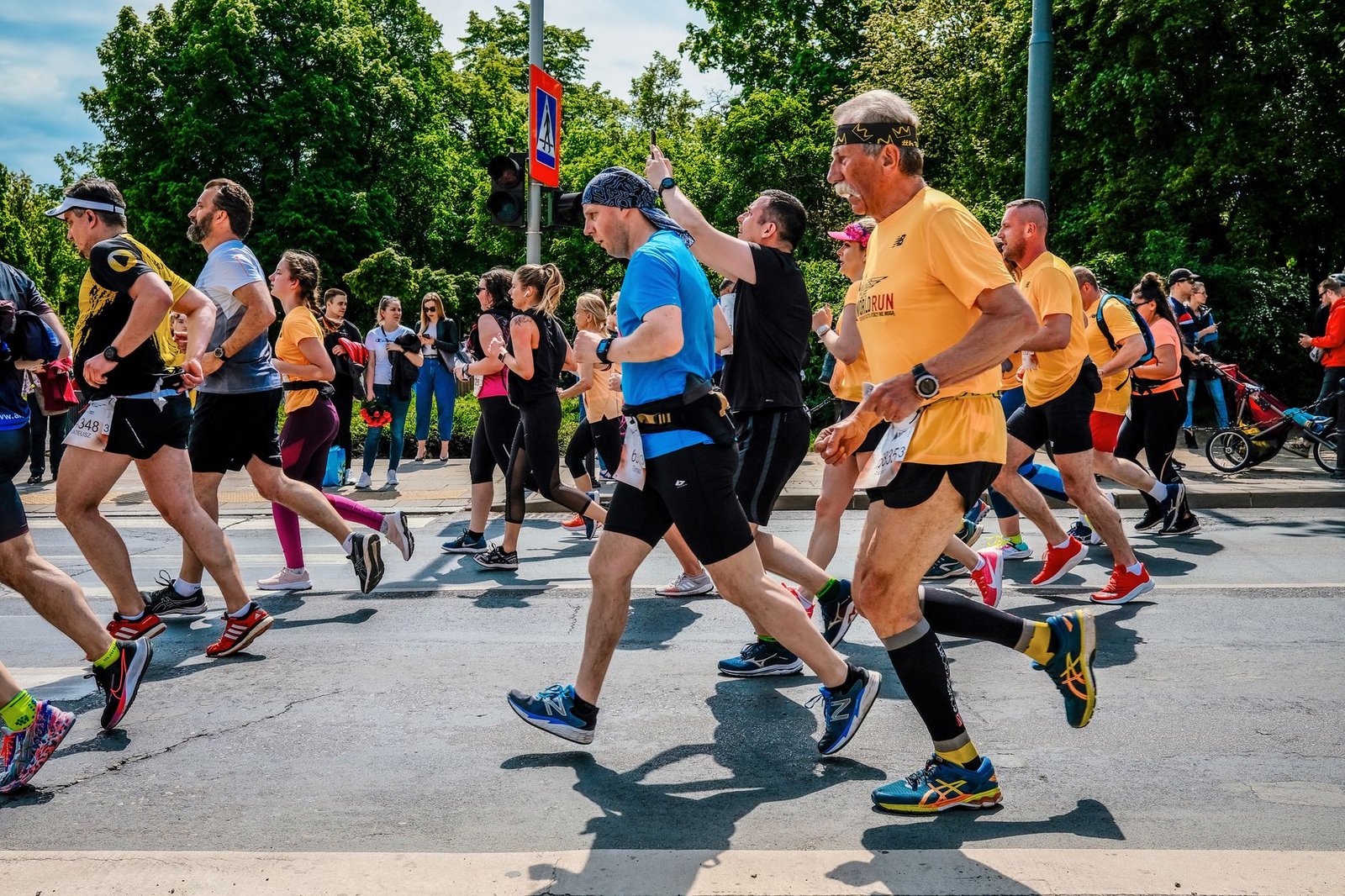
Hills, Uphills, And Flats Demand A Shared Game Plan
Before race day, ask what the group plans to do on hills and uphills versus flats. Some teams protect pace by slightly reducing intensity on uphills and rebuilding on flats. Others try to hold the same pace everywhere and assume the body will cope.
Pick what matches your physiology. If you know you surge on uphills and then unravel later, choose the option with explicit energy management. If you know you under-run uphills and overcompensate on flats, choose the option that trains you to stay consistent rather than to chase.
Conditions Above 20°C Change The Math
Weather is not a footnote. If the temperature climbs above about 20°C, time targets often need adjustment because heat taxes your ability to hold pace without drifting into overheating. Your pacing choice should include a plan for how you will respond to heat stress.
In warm conditions, pace discipline matters more, not less. Groups can keep you from going out too fast when adrenaline masks fatigue. Pacers can help you cap effort early so you have enough in reserve to manage the late stretch without turning the final miles into a survival test.
Communication Is A Real Performance Variable
People treat communication like a bonus. In practice, it is a pacing variable. A pace group that signals anticipated splits, warns about changes ahead, and reinforces rhythm can protect you from the two biggest pacing errors: early sprinting and late panicking.
Pacers can also communicate, but the best pacer relationships assume you will use the cues as inputs, not as excuses. If you want freedom, you must still accept responsibility for adjusting when fatigue rises or when course congestion makes the original plan unsafe.
Ask yourself before the start line: can I follow cues and still run my race, or will I abdicate control?
Commit Early, Then Adjust Without Hesitation
Choose your position relative to your pacer or group early enough to avoid thrashing later. If you commit too late, you will spend precious miles weaving through traffic and losing the very rhythm you came to buy.
Then stay flexible. If fatigue hits harder than expected, if congestion blocks safe positioning, or if your effort feels like it is sliding beyond your planned range, you adapt. The goal is finishing with control, not proving you can force an exact split while your body is screaming.
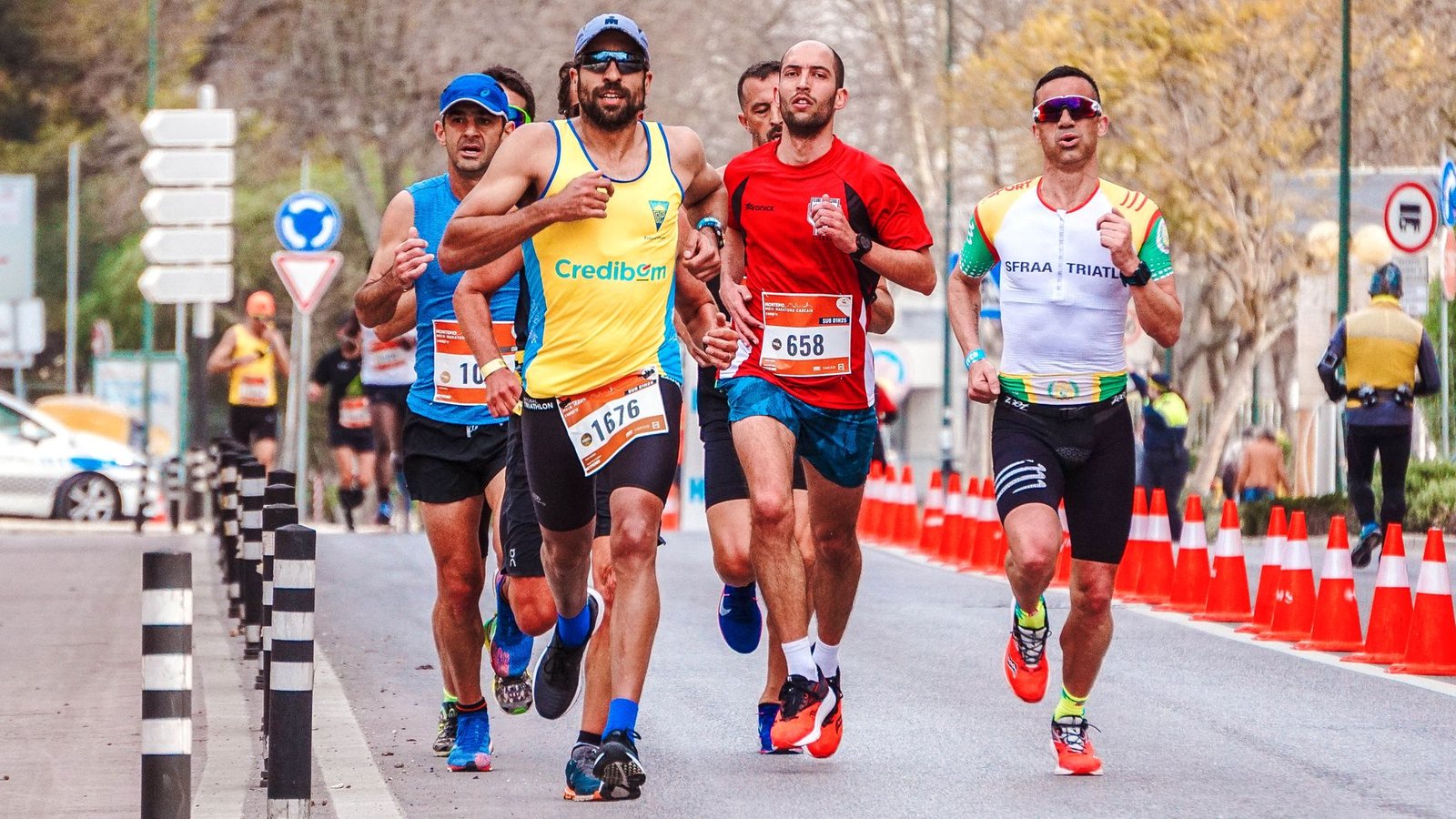
Keep The Pacer In Sight As A Progress Check
On race day, use the pacer as a reference for position and effort. Do not obsess over every number. Instead, check whether you are gaining, holding, or losing relative to the group’s structure, and let that information guide your next decision.
If you are consistently losing position in the middle miles, your effort is probably too high for the remaining distance or your stride is being disrupted by congestion. If you are gaining too easily early, you are likely going out too fast. Either way, adjust with intent, then protect the rhythm you need for the late miles.
After The Finish, Learn From The Choice You Made
Your pacing decision should produce data you can use next time. Did the pacer help you stay within your intended effort profile? Did the group keep you calm through the middle and late miles, or did it pull you into an early tempo that never recovered?
Write down what happened at pinch points, what you felt around the long-run “edge” you have in training, and whether you adjusted correctly when conditions changed. Next marathon, choose again with sharper honesty. A good decision is not luck. It is the product of matching guidance intensity to your real execution ability.
How To Choose Between Pacers And Pace Groups For London Marathons
How Do You Compare Pacers And Pace Groups For London Marathons?
A pacer sets a target finish-time rhythm with planned splits, while a pace group helps you hold a steady effort through shared control and teamwork. Choose the option that matches how much structure you need, and how reliably you can manage your effort after busy pinch points and mid-race congestion.
When Should You Choose A Pacer For London Marathons?
Pick a pacer when you are confident you can control your pace and effort on your own, especially in the miles where crowds tighten up and runners can get boxed in. With a pacer, start steady, avoid an early surge, and plan to regain any lost time gradually instead of forcing speed in the first half.
When Should You Join A Pace Group For London Marathons?
Join a pace group when you want help preventing an early too-fast start and keeping a predictable rhythm through the middle and late miles. A group can reinforce pacing discipline, provide quick communication about upcoming splits, and give real-time cues if conditions change.
What Should You Check Before Race Day When Choosing Pacers Or Pace Groups?
Confirm your target finish time against the event’s published pacing roster and the group’s intended approach. Ask how they handle hills and steady climbs, how they pace flats, and what split strategy they use, then be honest about your longest training runs and whether that pace has been reliable for you.
How Do Weather And Course Features Affect Your Choice For London Marathons?
Warm temperatures and headwinds can make the same planned pace feel harder, so a plan based on controlled effort often helps more than chasing numbers. If you expect stress on uphills, choose the format that gives the clearest guidance for those sections, and plan your time targets with that in mind.
How Can You Execute Your Plan With A Pacer Or Pace Group On Race Day?
Keep the pacer or group within sight as a progress check, then adjust early if you feel your effort is creeping up. If you get caught in slower-moving pockets, do not fight the situation blindly; stay safe, settle back into the rhythm when you can, and commit to the plan early while staying willing to adapt.
Choose the Right Support for London Marathons
Following how to choose between pacers and pace groups for London marathons comes down to this: pick the option that matches your ability to control effort after the pinch points. If you can keep your plan steady and adjust when congestion hits, run with your own pacing and use guidance only as a check; if you need discipline to avoid going out too fast and to hold rhythm through the middle and late miles, join the group and commit to their split approach. Make the choice early, ask how they handle hills and temperature changes, and be honest about what pace you can sustain, because your finish depends more on execution than on the label on the leader.

I am Ozan, a London-focused running writer and marathon enthusiast with a passion for helping people discover the city’s best races, running routes, walking trails, and fitness events. I research and write practical, up-to-date guides covering marathons, race preparation, training tips, running gear, and everything related to staying active in London.
My goal is to create reliable, easy-to-follow content that helps runners and walkers of all experience levels explore London with confidence, whether they’re preparing for their first 5K or their next marathon.