
London Marathon weekend makes one thing painfully clear: planning around guesswork is what ruins your day. Road closures start early, reopen in waves as runners pass, and that chaos makes private travel feel unpredictable. If you want to arrive without stress, you should build your schedule around the Underground, DLR, and river links that TfL can reroute and run more frequently during the race.
Here is the stance this guide takes: public transport is the most reliable strategy because routes that cross the marathon are diverted or disrupted, while Tube and DLR service can be adjusted fast and often. During the race, train and Underground services run more frequently on the busiest sections, sometimes as often as every 2.5 minutes. If you have a runner’s tabard or race number, Tube and DLR travel is free until 17:00 BST, and St John Ambulance staff can travel free too.
Still, timing matters because not every line behaves the same way. On marathon weekend, there are weekend timetable impacts such as no service on the Central line between Marble Arch, West Ruislip, and Ealing Broadway, and no service on the Waterloo & City line. Station rules can also bite: Westminster can be exit-only from 07:00 to 19:00, and Cutty Sark DLR can be extremely busy with queue times that can reach 90 minutes, with Sunday access restrictions that can make it entry-only at key moments. If you’re traveling by river, a free shuttle runs every 20 minutes between Greenwich and Canary Wharf from 10:30 to 12:30 BST, and you can usually use river buses between the key central piers as well.
Start Planning Before 07:00 or Pay the Price
If you treat marathon weekend as a normal transport day, you will lose time you cannot get back. Road closures begin around 07:00, with some staggered around 08:00, and the first wave hits commuters and spectators at the same moment. You do not need guesswork. You need a plan tied to the clock.
Here is the editorial truth: planning is your fastest route. The runner’s guide to london public transport timing on marathon weekend is not a slogan. It is a promise you make to yourself when you decide to arrive early enough to absorb delays without panicking.
Road Closures Turn Travel Into a Time Trial
Road closures progressively reopen as runners pass, and that means the city does not “lock down” and then “unlock.” It changes minute by minute, in the locations where the race is moving. South of the river, most roads are typically back in service by 14:00 BST, while north of the river often lingers until around 19:00 BST.
So why waste energy arguing with the route when the route is the problem? Public transport wins because it is built to reroute. If your trip depends on crossing the marathon corridor by car or taxi, your timing becomes a gamble that luck usually collects.
Tube and DLR Are the Reliable Default
The cleanest strategy is to treat the Tube and DLR as your baseline plan and everything else as optional. Routes that cross the marathon will be diverted or disrupted, but Underground and DLR services are the ones that can increase frequency where it matters.
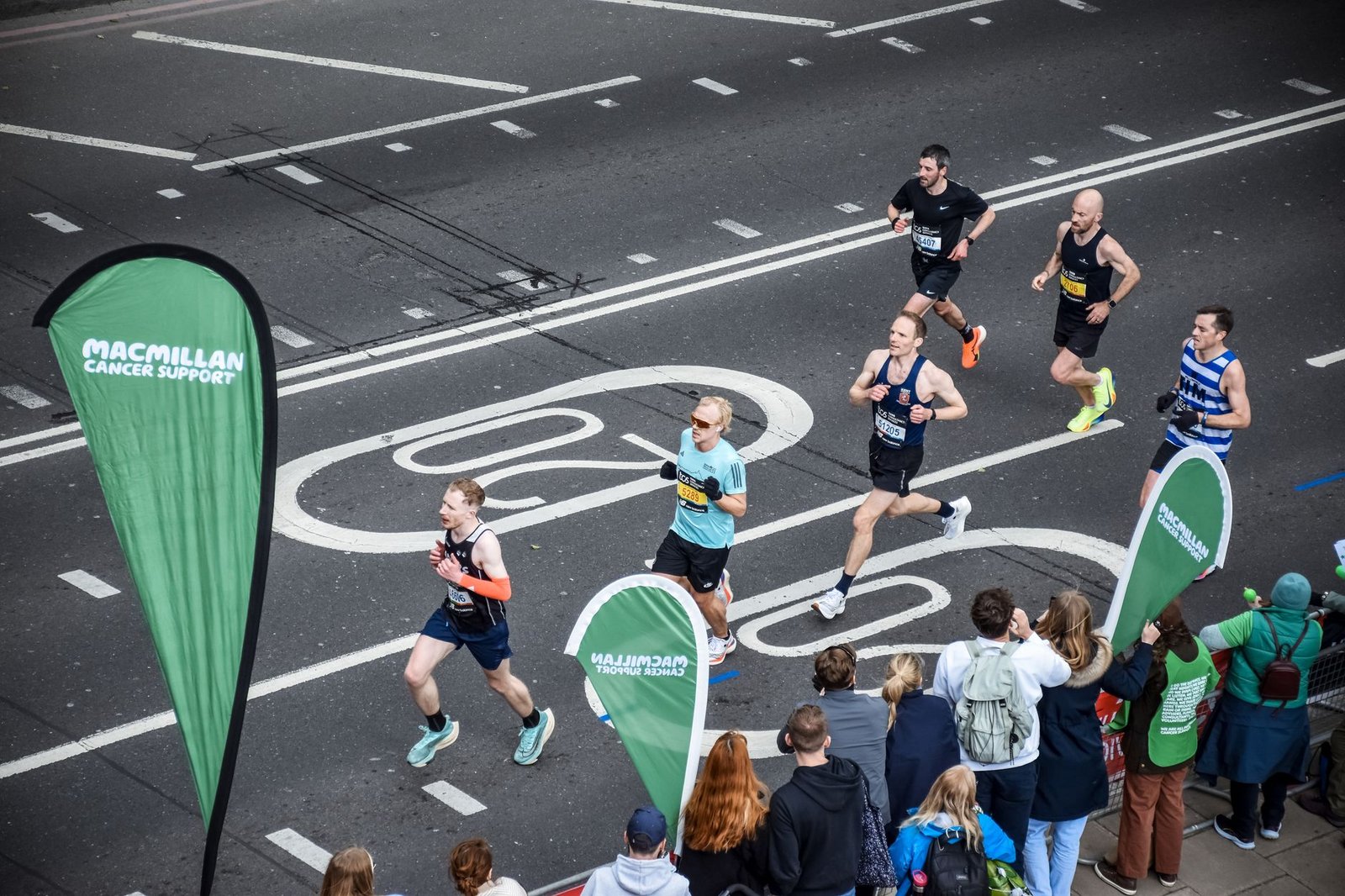
On marathon weekend, reliability beats romance. Choose systems that adapt, not streets that pretend to.
When train and Underground services run more frequently on the busiest sections, you stop thinking in “how will I get there?” terms and start thinking in “how long will I buffer?” terms.
Free Travel Until 17:00 Is a Policy You Should Use
Runners and officials get a rare advantage: Tube and DLR travel is free until 17:00 BST by showing a tabard or race number. That is not a courtesy you should ignore. It changes how you plan your day because cost stops being the deciding factor.
If you are coordinating support, arrive with the same mindset. Use the free window to reposition, meet friends, and return without turning every decision into a money calculation. Why pay for stress when transport rules already solved it?
St John Ambulance staff can also travel free, which matters for planning because medical coverage and volunteer movements create extra crowd pressure at certain nodes.
Know the Timetable Gaps and Line Closures
Marathon weekend does not just slow trains. It edits timetables. For example, there is no service on the Central line between Marble Arch, West Ruislip, and Ealing Broadway, and there is no service on the Waterloo and City line. If your itinerary relies on either of those patterns, your “normal” plan collapses.
Adjust your route around these gaps before you leave home. The best time to reroute is while you still have options, not when you are standing on a platform with announcements in your face.
Station Rules Create Bottlenecks So Choose Your Stop
Timing is not just about trains. It is about access. Certain stations impose exit-only or entry-only rules that can trap people on the wrong side of a platform barrier. You can plan for closures, but can you plan for the rule that prevents you from leaving?
You should pair your plan with the official transport guidance before you commit to a stop, because small rule changes create large crowd surges.
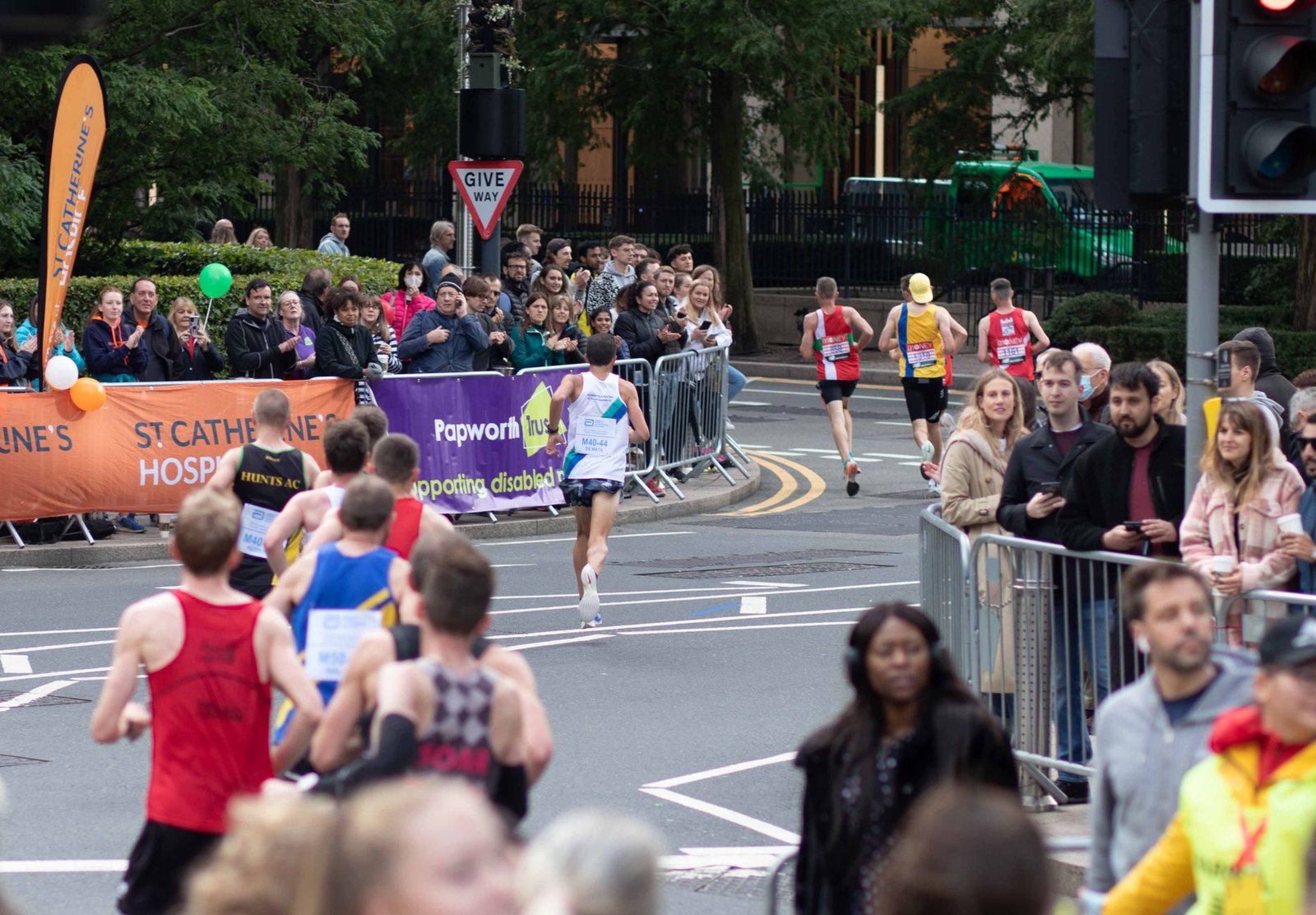
Use the constraints below as a checklist for choosing where to meet, where to start, and where to avoid spending your remaining buffer.
| Constraint | Time Window | Practical Impact |
|---|---|---|
| Westminster exit-only | 07:00 to 19:00 | Arrivals must plan to exit only |
| Cutty Sark DLR queue surge | Race-day peaks | Queues up to 90 minutes |
| Cutty Sark DLR entry-only (Sunday) | 27 April | No leaving trains at that stop |
| High-frequency service (busiest sections) | During the race | Trains as often as every 2½ minutes |
| River shuttle frequency | 10:30 to 12:30 | Every 20 minutes between Greenwich and Canary Wharf |
Now the counterargument: “But I will just go with the flow.” If you do, your flow will be people moving under forced rules, not a train schedule. You gain control by picking stations that let you change plans without getting stuck.
Choose stops where you can still adapt. Marathon weekend rewards flexibility, but it punishes passengers who rely on assumptions about access.
River Routes Let You Bypass the Worst Congestion
Crossing by river can be the smartest escape hatch because some of the worst land congestion never reaches the water routes in the same way. If you’re traveling by river, a free shuttle runs every 20 minutes between Greenwich and Canary Wharf between 10:30 and 12:30 BST.
It also helps that you can usually board river buses for Greenwich to Canary Wharf via key central piers. When roads are uncertain and Tube access can tighten, the river becomes a timing tool you can measure.
Frequency Matters Build Buffer for Platform Queues
During the race, train and Underground services run more frequently on the busiest sections, with services often as often as every 2½ minutes. That is good news, but frequency does not remove crowding at entrances, lifts, and interchange corridors. Crowd physics still applies.
Buffer time is the difference between “I will make it” and “I will arrive calm.” Build your plan around worst-case queues at busy stations. In practice, some locations can reach up to 90 minutes waiting times, which turns a short journey into a full schedule reset.
Schedule Your Arrivals With Exit Only Stations in Mind
Some station rules are simple and unforgiving. Westminster station is exit-only from 07:00 to 19:00. That means you should not treat it as a flexible stop. If you arrive during that window, you are committing to exiting, not entering and browsing options.
This is where many plans fail. People map “nearest station” and ignore “what the station permits.” If you want a stress-free arrival, plan meetings with the same care you plan the race route.
Race-Day Travel Windows for Runners and Officials
Runners and officials benefit from timing rules that can make your day easier if you use them deliberately. Free travel until 17:00 BST means you can move earlier and still get repositioning time back later. It also gives you a reason to avoid cramming travel into the most crowded late morning slot.
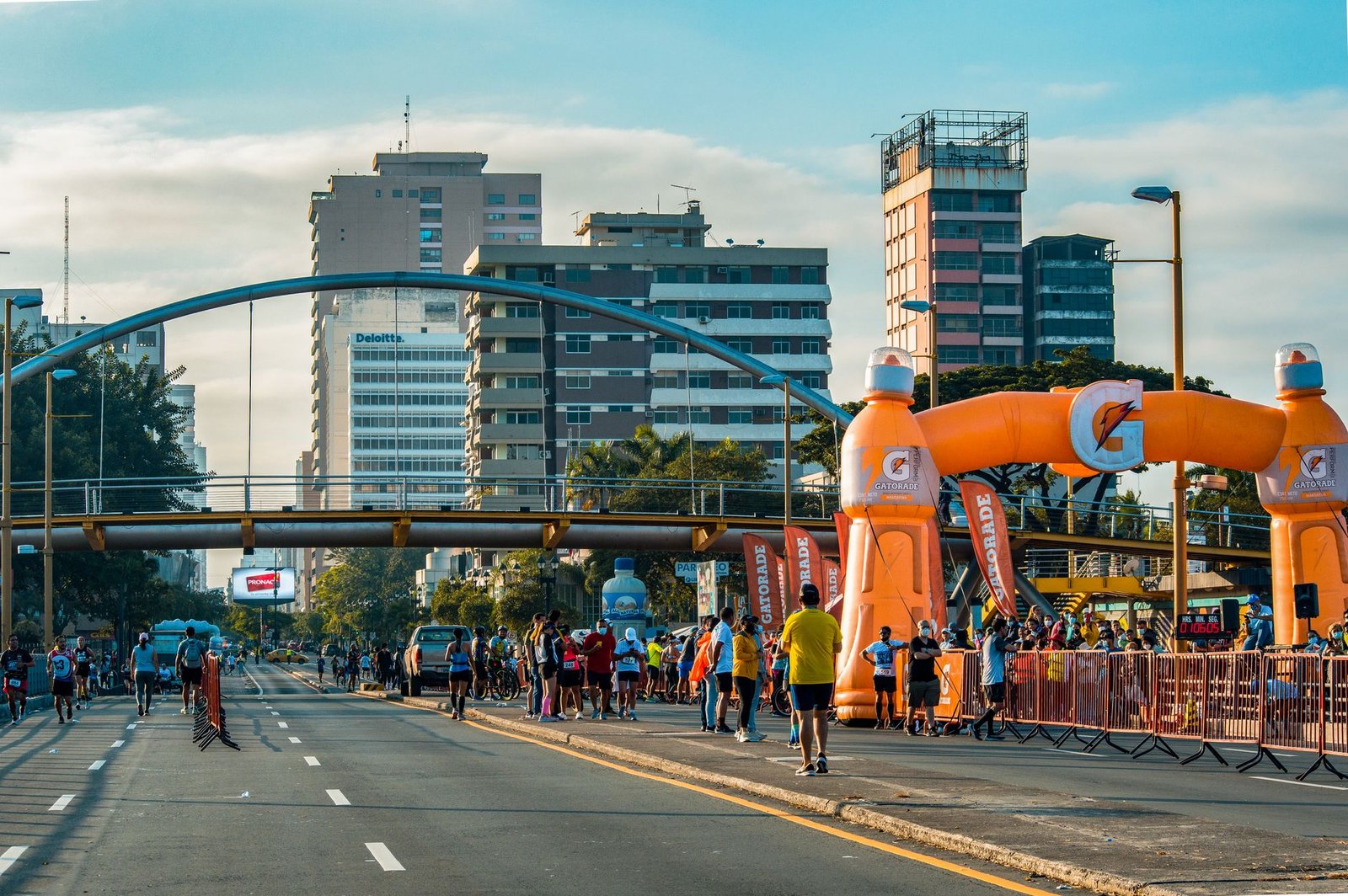
Use that logic for coordination. If you are meeting officials, family, or friends, schedule rendezvous around station rules and service frequency, not around hope. Hope is a poor timetable.
Weekend Service Starts Early Then Settles Back
Sunday marathon weekend services start earlier, and that changes what “normal” means. Trains on Sunday begin at 05:30 BST from Tower Gateway and Lewisham, and at 07:00 BST from Bank and other DLR routes, followed by a return to normal Sunday service from 16:00 BST until around 23:30 BST.
Why does this matter? Because your earliest opportunity can also be your least crowded opportunity, depending on where you start. If you wait for a “typical” Sunday rhythm, you may join the crush at the exact moment you could have travelled cleanly.
Your Best Strategy Is Outcome Based Timing, Not Guesswork
The real lesson of marathon weekend public transport is simple: control what you can measure. You can measure service start times, frequency, and access rules. You cannot measure whether you will get lucky with crowds, barriers, and diverted routes.
So choose a plan that treats timing as the main variable. Use the free travel window, respect exit-only and entry-only constraints, and route around known service gaps like the Central line and Waterloo and City line closures. When you plan like a professional, you stop performing uncertainty.
The Runner’s Guide to London Public Transport Timing on Marathon Weekend
When Do Major Road Closures Begin and How Do Reopen Times Affect Travel Planning?
On London Marathon day, major road closures begin at about 07:00 with some staggered around 08:00, and they reopen progressively as runners pass, typically most roads south of the river by 14:00 BST and north by 19:00 BST.
What Is the Timing for Free Tube and DLR Travel for Runners Before the Race?
For runners and officials, Tube and Docklands Light Railway (DLR) travel is free until 17:00 BST by showing a tabard or race number, and Sunday marathon weekend services start earlier with enhanced timetables running through the weekend.
How Frequently Do Tube and Train Services Run During the Marathon on Busy Sections?
During the race, train and Underground services run more frequently on the busiest sections, with some runs as often as every 2.5 minutes to handle demand.
Which Underground Lines Have Specific Service Changes During Marathon Weekend?
Some lines have defined weekend impacts, including no service on the Central line between Marble Arch, West Ruislip, and Ealing Broadway, and no service on the Waterloo & City line.
What Station Access Limits and Waiting Times Should Runners Expect Near the Route?
Queues can become long at certain stations, with waits reaching up to 90 minutes at times, Westminster station is exit-only from 07:00 to 19:00, and on Sunday 27 April Cutty Sark DLR station is entry-only so passengers cannot leave trains there.
How Does River Transport Timing Work for Greenwich and Canary Wharf on Marathon Weekend?
If you are traveling by river, a free shuttle runs every 20 minutes between Greenwich and Canary Wharf between 10:30 and 12:30 BST, and river bus services usually allow travel on the Greenwich to Canary Wharf links via key central piers.
Timing Wins on Marathon Weekend
Follow the runner’s guide to london public transport timing on marathon weekend and you take control of your day instead of guessing. Road closures, route diversions, and station limits hit hardest when you arrive late, so plan around the early Sunday starts, use Tube and DLR for the most reliable cross-marathon travel, and treat the free travel window and chokepoints like Cutty Sark as part of your timetable, not trivia. Show up informed, move with the service patterns, and you will spend race day ready, not stuck.

I am Ozan, a London-focused running writer and marathon enthusiast with a passion for helping people discover the city’s best races, running routes, walking trails, and fitness events. I research and write practical, up-to-date guides covering marathons, race preparation, training tips, running gear, and everything related to staying active in London.
My goal is to create reliable, easy-to-follow content that helps runners and walkers of all experience levels explore London with confidence, whether they’re preparing for their first 5K or their next marathon.