Trying to “start hard” in London almost always steals the finish. The course feels fast early, the crowds press in, and it is easy to confuse urgency with preparation. My stance is simple: if you speed up too early, you will pay for it later, especially when turns, bottlenecks, and windy stretches make every mistake cost more than you expect.
The fix is a late-race plan that finishes faster without frantic pacing. Hold back on purpose in the first third, roughly 15–25 seconds per mile (or 10–15 seconds per kilometer) slower than goal pace, then build through the middle third with effort rising but still controlled. Use the final third to spend what you saved, tightening form cues as you run tall, drive the arms, and let cadence climb while you reel in the runners around you.
Make it work by planning “trigger moments” so you can adapt instead of panic. If you get boxed in, move when there is room, and if the pack surges, stay calm for a short window and reassess. Fuel the comeback too: for longer races, aim for 30–60 grams of carbs per hour starting around 15–30 minutes in, and practice hydration so the late surge is not derailed by underfueling. London gives you plenty of chances to change rhythm, but the goal stays the same: strong finishing power, not early speed roulette.
Finish Strong Means You Refuse The First Temptation
The whole point of a finish strong without speeding up: a london late-race strategy that works is simple. You do not chase pace early just because the first miles feel short and the crowd feels loud. London punishes early bravado because your legs must carry you through choke points, turns, hills, and wind while your heart rate keeps climbing. Want a late kick that feels possible, not forced?
Negative-split style planning answers that. You hold back on purpose in the first third, you build while you still feel in control, and you spend what you saved in the final third with sharper form. That is not cowardice. It is arithmetic. If you spend the same energy as everyone else, you get the same finish. If you spend it smarter, you finish stronger.
Run Slightly Under Goal Early So Your Body Believes Later
In a London-style marathon, your early target is a controlled underpace, not a fragile “almost.” Use the rule of thumb from pacing practice: keep the first part about 15 to 25 seconds per mile (or 10 to 15 seconds per kilometer) slower than goal pace. The goal is not comfort. The goal is to protect your form and your breathing for when the course stops being polite.
Why does this work? Because early effort creates early fatigue, and fatigue steals technique. You cannot “race harder” with a collapsed stride. So you start a little below goal, then you build progressively as you transition into the middle third. The effort rises, but it stays controlled, which keeps your legs elastic instead of stiff.
Fuel Like A Professional So Your Late Race Isn’t A Withdrawal
A London late-race strategy fails most often for one boring reason: underfueling. If your plan relies on a late surge, you must give the surge fuel. For longer events, aim for 30 to 60 g carbs per hour starting roughly 15 to 30 minutes into the race. That means gels, chews, or bars, taken on schedule rather than by vibes.
Counterargument: “I run fine on half my usual fueling.” Maybe. But London’s course friction can turn “fine” into “forced.” Bottlenecks slow you, turns change your mechanics, and wind changes your work. Fueling that looks optional early becomes the difference between tightening form and grabbing desperation.
Trigger Moments Turn London Chaos Into Decisions
London is not one steady road. It is a sequence of micro-events: bottlenecks, tight turns, narrow paths, windy stretches, hills, and crowded starts. The fix is not wishful thinking. It is pre-planned trigger moments so you know what to do when the race changes shape under you.
Pick your triggers in advance. Examples are practical: if you get boxed in, move early rather than waiting for an opening that never comes; if the pack surges, stay relaxed for a brief window, then reassess your effort and your next position. You do not win a late kick by heroics at mile one. You win it by managing transitions.
The Two Thirds Rule Helps You Earn The Last Third
The “two-thirds rule” is a simple permission slip: you can pick up when you are still controlled with about one-third of the race remaining. That does not mean speed up because you feel good. It means speed up because your pacing discipline created the conditions where speed feels mechanical again, not panicked.
So how do you judge “still controlled”? You check effort, not only speed. Your breathing should not sound like you are bargaining with the air. Your stride should still look tall and stable. Then you transition into the final third, where you spend what you saved.
Spend The Savings With Form Cues, Not Random Aggression
In the final third, the fastest runners do not just run faster. They run cleaner. Tighten form cues: taller posture, stronger arm action, and a slightly higher cadence. Those cues convert leftover energy into speed without demanding a new, reckless effort level.
| Late Race Cue | What Changes | Measurable Result |
|---|---|---|
| Taller Posture | Less slouch, better stride | Cadence up about 2 to 4% |
| Stronger Arms | More rhythm and drive | Perceived effort drops 1 tick |
| Higher Cadence | Shorter ground contact | Foot strikes feel quicker |
| Relaxed Jaw | Less tension in shoulders | Breathing stays steady |
| Target Reeling | Gradual closing, not sprinting | Gain 5 to 10 places late |
And yes, some people insist the best plan is to “go for it” whenever motivation hits. That is how you turn a planned late surge into an early expense. Smart pacing means you time your push, so the final miles feel like tightening a knot, not cutting one. When you treat the last third like a system, you finish strong.
Stage Your Progression By Distance, Not By Hope
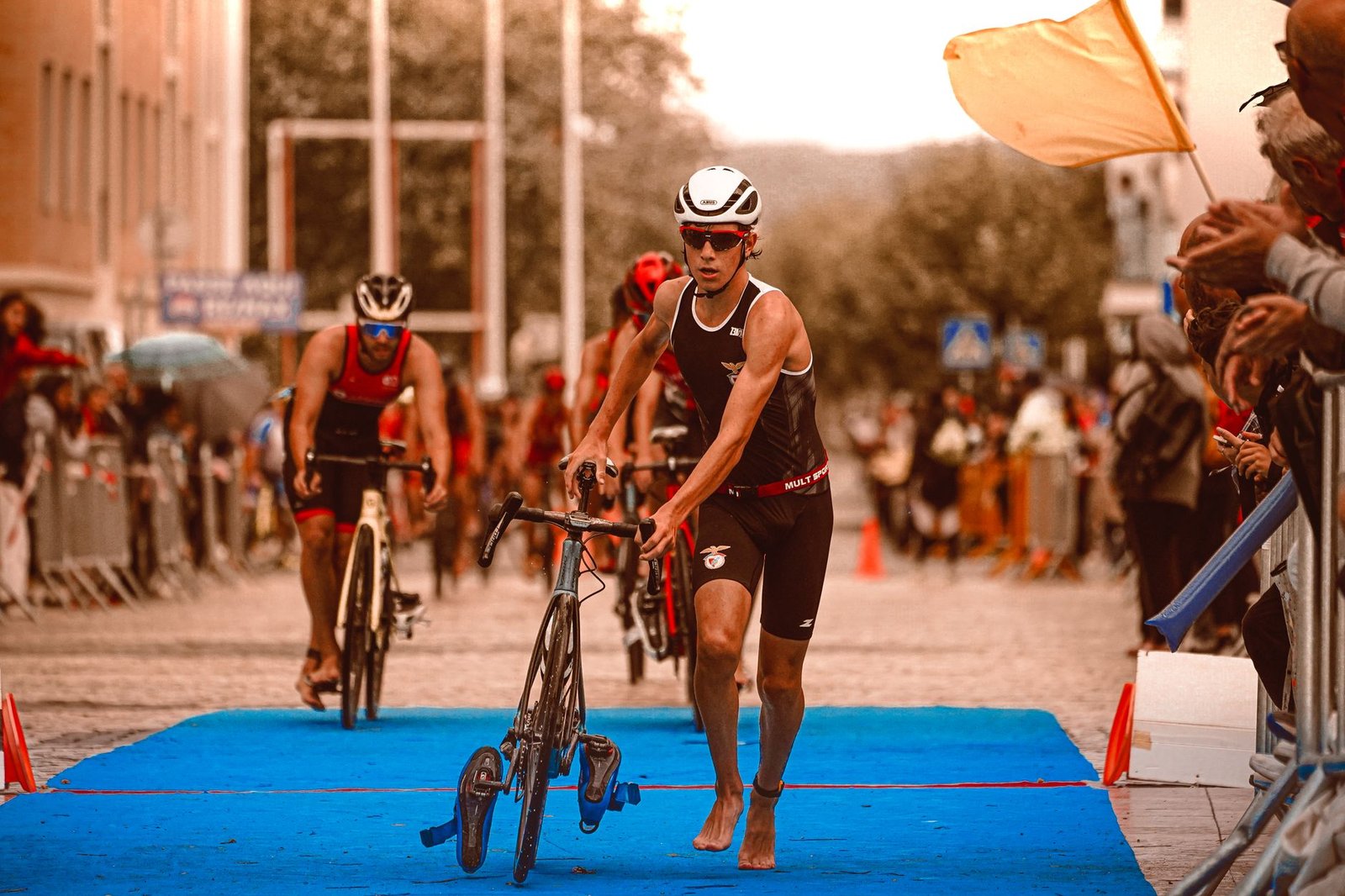
Different races require different pacing schedules, but the logic stays the same: hold back early, build mid, and speed up late with control. For a 5K, add a few seconds per mile every couple of minutes as the race settles into rhythm. For a 10K, after about 4 miles, add a few seconds per mile every 3 to 4 minutes for as long as you can manage without breaking form.
For a half marathon, between miles 9 and 11 you may need to drop pace by 5 to 10 seconds per mile to stay sustainable, then speed up more after mile 11. For a full marathon, match the half strategy, then speed up between miles 18 and 22, and if you feel good after that, bring it in faster. London late-race strategy works because it gives you a progressive script you can execute under pressure, not a single magic pace.
Use Effort Signals So Pace Surges Do Not Steal You
London crowds can make you run a faster first half without noticing. Your GPS may lie. Your head will exaggerate. So watch effort signals instead: breathing consistency, muscle tension, and stride rhythm. When the pack surges, you can stay steady for a short window, then adjust based on how controlled you still feel.
What about those who say you should always match the front? If you match them early, you buy their adrenaline with your glycogen. The late part of the race demands different money. Pay it when you still have it.
Plan Your Hills, Wind, And Turns Like They’re Part Of The Workout
Course risk is not a surprise in London. Hills show up. Wind finds pockets. Tight turns compress the field and disrupt pacing. The late-race advantage comes from treating these features as known stressors, not emotional interruptions.
When you hit a hill, reduce speed and protect cadence. When wind pushes against you, lean slightly into effort control and keep your posture tall. On tight turns and narrow paths, position early before speed rises. These are small actions, but they prevent the biggest problem: losing technique because you are reacting too late.
Protect The Early Legs With A Real Warm-Up And A Real Plan
Finishing strong requires your body to be ready to work without demanding emergency acceleration. That means a warm-up that fits the weather and your history, plus a plan you commit to even when your legs feel good. If your early pace drifts upward in mile two, you have already broken the deal you made with your future self.
In training, practice the pacing feel you want. You should know what “slightly under goal” feels like, and you should know how it transitions into “progressively controlled.” If you cannot name the sensation, you will chase numbers on race day and miss your late opportunity.
Fuel, Hydrate, And Execute Without Waiting For Panic
Hydration and fueling timing matter because late-race strategy is an energy strategy. If you wait until you feel bad to take a gel, the late surge becomes a delayed rescue. Take carbs on schedule and pair them with water in a way you tolerate. Your goal is steady absorption and steady rhythm, not a stomach experiment.
When you plan your fueling, you also plan your pace decisions. If you know you have carbs arriving in the middle third, you can build with confidence instead of searching for relief. smart race planning helps many runners treat fueling as part of the race structure, not an afterthought.
Practice London-Style Risk Management In Training Blocks
You cannot fully replicate London’s crowds, but you can rehearse the thinking. Train with segments that force controlled positioning, quick form resets after surges, and pacing changes after discomfort. Use hard intervals that require restraint at first, then reward progressive speed. That teaches your brain that “hold back now” is what unlocks “finish strong” later.
Objection: “But my race is different.” Of course it is. Still, the mechanism is the same: you protect technique early, you build gradually, and you spend the last portion on form and cadence. Practice gives you the muscle memory for the final third, when emotion will try to hijack your plan.
Race Day Checklist For A Late Kick That Actually Arrives
Decide your first-third limit before the start. Then decide how you will respond at trigger moments. Bottlenecks, turns, narrow paths, windy stretches, hills, and crowded starts are all places where early discipline pays off. If you do the plan, you can speed up later without speeding up too early.
On the final third, switch from “run harder” to “run sharper.” Stronger arms, taller posture, and slightly higher cadence. Keep closing targets gradually, reel them in with controlled intensity, and let the saved effort turn into forward motion. That is how you finish strong in London without borrowing trouble in the first third.
How to Finish Strong Without Speeding Up Too Early in London With a Late-Race Strategy That Works
What Is a London Late-Race Strategy That Helps You Finish Strong Without Speeding Up Too Early?
A London late-race strategy uses controlled effort early, then gradually increases pace so your legs and breathing stay stable through crowded sections and turns, leaving energy for faster running in the last third.
How Do Negative-Split Pacing and the Two-Thirds Rule Keep Effort Controlled in London?
Start slightly below your goal pace, build progressively through the middle, and speed up late after you are still controlled with about one third of the race remaining, which matches a negative-split approach without forcing an early surge.
What Pace Progression Should You Use for a 5K, 10K, Half Marathon, or Full Marathon?
For a 5K, add a small amount of speed every few minutes; for a 10K, begin adding after the early miles and keep it manageable; for a half marathon, stay steady around miles 9 to 11 then press on after mile 11; for a full marathon, follow the same structure and typically move faster between miles 18 and 22 if you still feel smooth.
How Should You Plan Trigger Moments for Bottlenecks, Hills, and Wind on London Courses?
Identify course risks like tight turns, narrow paths, hills, wind, and crowded starts, then set decisions for each, such as easing up briefly when boxed in, staying relaxed during pack surges, and moving smartly to regain space before the next challenge.
How Can You Tighten Form in the Final Third Without Surging Too Soon?
In the final third, increase speed by changing cues instead of forcing pace early, using taller posture, stronger arm drive, and a slightly higher cadence while keeping your breathing controlled until the finish.
What Fuel and Hydration Targets Help You Hold Back Early and Still Finish Fast in London?
For longer races, take carbohydrates regularly from roughly 15 to 30 minutes in, aiming around 30 to 60 grams per hour, and practice your drinks and timing so you finish strong instead of slowing down from underfueling or dehydration.
Finish Strong Without Speeding Up In London
If you want to finish strong, you should commit to the plan behind “finish strong without speeding up: a london late-race strategy that works”: hold back early, build only when form stays controlled, and then spend your stored effort in the final stretch with sharper posture and a quicker cadence, while using London-style trigger moments like bottlenecks and windy turns to stay positioned instead of panicking. Train the negative split and fuel it right, then trust the math and the feel. You will not win by forcing pace early; you will win by arriving late with speed left.

I am Ozan, a London-focused running writer and marathon enthusiast with a passion for helping people discover the city’s best races, running routes, walking trails, and fitness events. I research and write practical, up-to-date guides covering marathons, race preparation, training tips, running gear, and everything related to staying active in London.
My goal is to create reliable, easy-to-follow content that helps runners and walkers of all experience levels explore London with confidence, whether they’re preparing for their first 5K or their next marathon.