A practical guide to london race-week layering for wind, rain, and warm hubs matters because race week weather in London can trick you: the street feels mild, then the wind and drizzle hit during your warm-up, and you end up either freezing at the start or roasting while you wait. My take is simple, dress for the run, not for the walk, because once you are moving you can feel 5–10°C warmer than the forecast suggests.
Start with tested kit and use temperature bands as your quick baseline. At about 15°C and up, keep it light with a breathable tee and sun protection. At 10–15°C, go for shorts and a tee with optional light gloves. At 4–10°C, switch to a long-sleeve and consider a headband or thin gloves. Around -1 to -4°C, prioritize ear and hand coverage. Below -1°C, add a wind layer so the cold air does not steal heat before you settle into pace. Also keep layering practical, usually 3–4 layers max: a breathable base, a warm insulating mid-layer like merino or fleece, and a packable slim waterproof or windproof outer.
For rain and wind, friction wins races more than fancy gear, so prevent blisters before you chase comfort. Warm up longer when it is cold or damp, protect hands and ears with thermal gloves, a hat or earband, and a neck gaiter or buff, and use merino or synthetic socks and thermal tights if needed. If conditions look properly wet, choose a true waterproof outer with a high waterproof rating measured in millimetres and fully taped seams, because water resistance is not the same thing as staying dry. Keep your fueling and hydration simple and timed to your sweat and heat, stick to shoes you have already tested, and carry a compact umbrella or hooded shell in a small daypack for sudden showers.
Race-Week Dressing Starts With Motion, Not Comfort
London race week tempts you into street-style thinking: warm shops, cool pavements, then a checklist that never quite matches the actual run. Stop that. Remote work productivity this is not, and race dressing is not a mood. It is physics plus friction, and your body warms quickly once you move.
Runners often feel about 5 to 10°C warmer once they are moving. So if you dress like you are standing still at the start line, you will arrive sweaty, and sweat means chafe. The right goal is simple: start slightly cool, finish comfortably warm.
Temperature Bands Beat Guesswork Every Time
Forget one outfit for every forecast update. Use a baseline by temperature, then adjust for wind and rain. That is what makes a practical guide to london race-week layering for wind, rain, and warm hubs actually work.

Quick bands you can trust as a starting point:
- 15°C plus minimal layers and sun protection
- 10°C to 15°C shorts and tee with optional light gloves
- 4°C to 10°C long sleeve and optional gloves or headband
- -1°C to -4°C gloves plus head or ear coverage for most
- Below -1°C add wind protection and protect fingers and ears
If the forecast says one thing but the route feels different, the wind and dampness are the real drivers. Do not ignore them.
Base Layer Fit And Breathability Control Chafe
Your base layer is where comfort is either won or lost. Loose fabric moves, rubs, and creates hot spots that show up after 20K. Tight fabric that traps too much heat can get you there too. You need fit that stays put and breathability that matches your effort.
Use a tested base, not a new experiment. Merino can feel great, but synthetic often wins when the forecast includes rain and repeat sweat. If you have ever finished damp and irritated, you already know what to fix: seams, cuffs, and anything that shifts during stride.
Mid Layers Only Work When They Vent
Mid layers are not heaters you wear forever. They are insulation you remove when your effort climbs. London’s mild swings make this worse. You can start cool, warm up fast, then stand around at bag drop or at a bottleneck, and that is when damp insulation becomes misery.
Choose a warm but ventable mid layer. Fleece or merino works well, yet you must treat it like a tool: zip it when you stop, breathe it off when you start moving again. If you cannot adjust it without tearing your routine apart, it is the wrong layer.
Waterproof Means Millimetres And Taped Seams
Rain in London is rarely a gentle drizzle. It soaks, it bounces off wind, and it finds every seam. So when you buy or pack a shell, do not treat the word “water resistant” like a pass. Waterproof is about the rating and construction, not marketing.
Look for:
- High waterproof rating in millimetres for sustained wet weather
- Fully taped seams so water cannot leak through stitching
- Windproof fabric to stop chills at your core
Counterargument: “A light rain jacket is enough.” If your jacket wets through and turns heavy by mile 10, that “light” choice becomes weight, drag, and a new irritation map on your skin.

Warm Hubs Demand Quick-Layer Strategy
Warm hubs are where most runners lose the layering plot. You warm up inside, you cool down outside, and then you race with a jacket that feels fine at the door and awful at mile 2. The solution is not more clothing. It is fast swaps tied to movement.
For a quick kit check, I keep winter layering guide open while I decide what goes on and what stays packed.
| Start Temps | Run Layers | Warm Hub Swap |
|---|---|---|
| 15°C plus | Base + tee, SPF | No extra add ons |
| 10°C to 15°C | Shorts + tee, light gloves | Pack a thin shell |
| 4°C to 10°C | Long sleeve, optional gloves | Use packable mid layer |
| -1°C to -4°C | Thermal tights, headband | Thick coat at rest |
| Below -1°C | Wind layer, ear and finger coverage | Zip up, vent before start |
When you get to the start area, ask yourself a ruthless question: is this layer going to help my run, or just comfort my wait? If it is only for standing around, it belongs in your bag or in a warm-up routine that you can control.
Wind Resistance Is Core Temperature Insurance
Wind makes the same temperature feel colder and turns sweat into a cooling system. That is why your outer layer must care about airflow. A breathable jacket that leaks wind may feel fine while you are moving, then suddenly feel brutal when you hit a straighter section or a bridge.
Prioritize windproof for your core. If the forecast includes gusts, treat your outer shell as a temperature stabilizer, not as an all-purpose rain promise. Even in mild conditions, wind can steal warmth faster than you can generate it.
Hands, Ears, And Fingers Take The Biggest Hit
Cold fingers and tight ears ruin more than comfort. They disrupt grip, throttle how you keep pace, and distract you when you need focus. London’s changeable weather means your hands can go from fine to numb faster than your legs feel it.
Use coverage as a system: gloves and a headband or ear coverage for most cold starts, plus a neck gaiter or buff when damp air bites. For colder bands, protect fingers aggressively and keep socks warm enough that the rest of your body does not compensate for numb feet.
Rain Pace Changes So Your Clothes Must Follow
In rain, the performance problem is not always speed. It is the time your body spends dealing with discomfort. You can dress perfectly and still suffer if you ignore the pacing implications of damp weather. When conditions are wet and windy, effort pacing matters more, because small friction issues multiply over long distances.
Anti-chafe and blister prevention become a race strategy, not a detail. Waterproof your outer layer if the rain is persistent, but also prepare your skin: seam placement, taped areas, and tested socks. Counterargument: “I will just push through.” You can push through discomfort, but you cannot push through a blister that spreads with every wet step.
Socks, Tights, And Boots For Damp Track Miles
Damp runs change everything about footwear and leg layers. Socks carry heat and friction. Tights and leggings change how sweat and water move across your skin. If your kit absorbs too much water or bunches, you will feel it immediately in gait and gradually in soreness.
For cold or damp conditions, choose thermal tights or leggings and tested socks, often merino or synthetic. Keep shoes that you have already run in under similar conditions. Race week is not for discovering that your laces slip in wet weather or that a certain sock seams rub when the fabric is soaked.
Pack Smart For Sudden Showers And Late Withdrawals
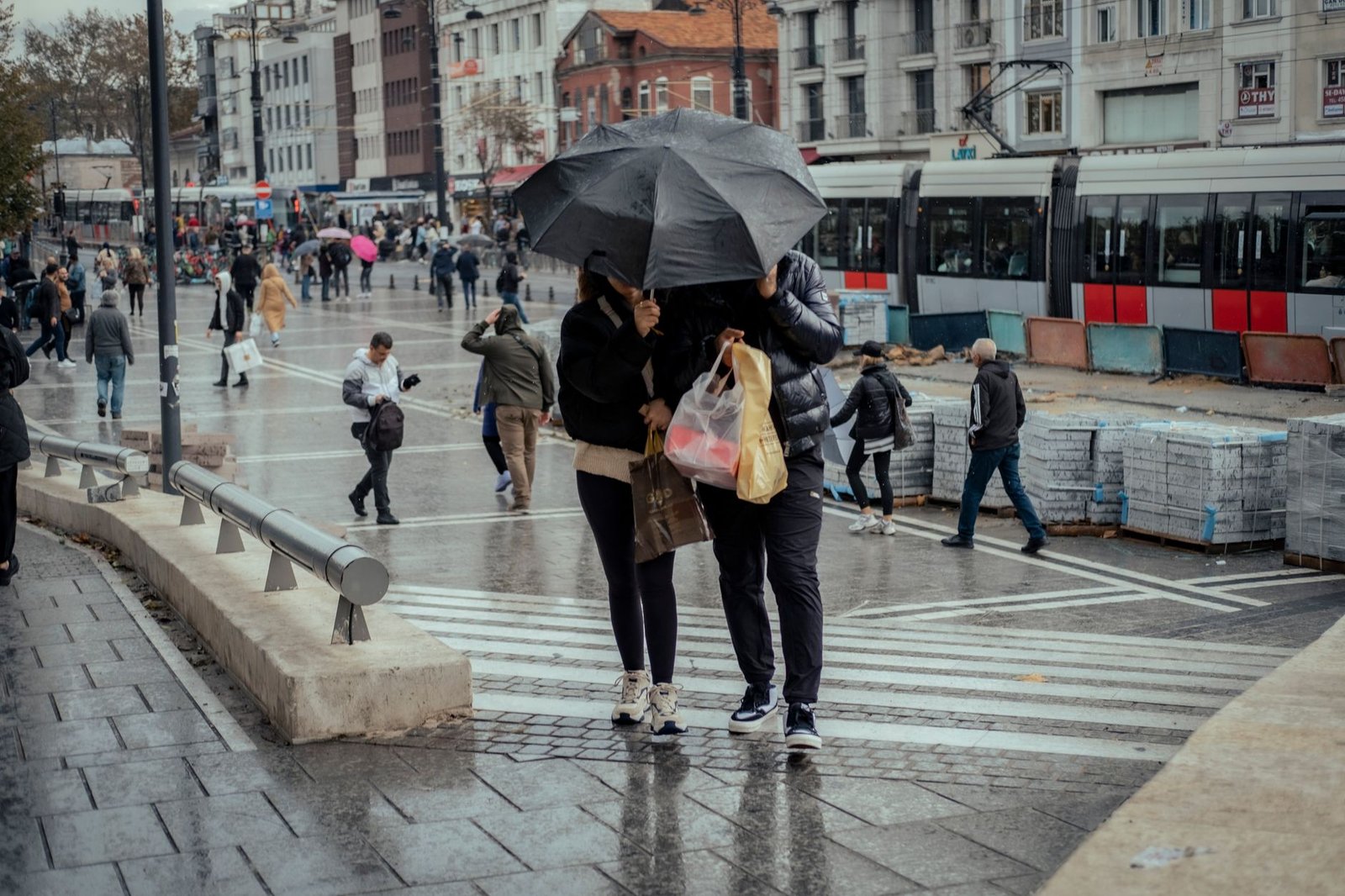
London can pivot fast. One hour it is mild, the next it is raining on the walk to the start. So pack for sudden shifts with minimal bulk. Your goal is to keep your routine simple and your skin protected without adding weight you will hate later.
A small daypack can carry a compact umbrella or a hooded shell. That is usually enough for most “surprise shower” scenarios. If you rely on goodwill and guesswork, you will either overheat indoors or under-protect outside. Pack your fix, then use it.
Test Day Gear Makes Race Week Simple
The best layering plan is still a guess unless you test the parts. Wear your base, mid layer, and shell together when possible. Walk or jog in them and pay attention to where friction starts. Do not just ask, “Is it warm enough?” Ask, “Will it stay comfortable after 30 minutes in real wind or damp air?”
When you test, you protect your race-day focus. You stop tuning on the fly and you stop treating discomfort as a mystery. The reward is confidence: you step onto the course knowing your layers match the conditions, not the street.
A Practical Guide to London Race-Week Layering for Wind, Rain, and Warm Hubs
How Should You Layer for London Race Week When It Is Windy and Cool?
Start with a breathable base and add one insulating mid-layer, then carry a packable windproof outer you can pull on quickly. If it is around 18°C outside, plan as if it will feel roughly 5 to 10°C warmer once you start moving, and aim to begin the run slightly cool so you do not overheat inside cold-to-warm transitions.
What Should You Wear for Rain During London Race Week Without Getting Overheated?
Choose a slim waterproof or windproof shell for wet conditions and prioritize fabric that blocks wind and rain while reducing sweat buildup. For heavier rain, pick a true waterproof outer with a high waterproof rating in millimetres and fully taped seams, and keep layers friction-friendly so damp fabric does not cause rubbing after you have warmed up.
How Do You Dress for Warm Hubs Like Start Areas and Corrals During London Race Week?
Plan for the gap between waiting and running by dressing to move comfortably, not to stand still. Use a removable outer, light gloves or a headband only if you need them for the walk, and arrive with a simple “cool enough to start” setup so you can shed one layer fast once you are moving.
Which Temperature Bands Help You Choose Layers for Wind and Rain in London?
Use temperature bands as a fast baseline: around 15°C and up, keep it minimal with a light top and sun protection; 10 to 15°C can work with shorts plus a tee and optional light gloves; 4 to 10°C suits a long-sleeve layer with optional gloves or a headband; -1 to -4°C calls for more core and ear coverage with warmer gloves; below -1°C, add a wind layer and protect fingers and ears.
How Can You Prevent Chafing and Blisters When Layering for a Long London Race?
Keep the number of layers practical, typically 3 to 4 max, and focus on friction points because small issues grow over long distances. Test fit before race week, avoid bulky seams that shift under a shell, use anti-chafe where you rub, and wear socks you have already proven with your shoes in training.
What Backup Layering Gear Should You Pack for Sudden Showers During London Race Week?
Pack a compact hooded shell or a light waterproof layer you can reach fast, plus small cold add-ons like gloves and a neck gaiter or buff if the forecast shifts. Bring footwear you have tested, use a simple hydration and fueling timing plan matched to your effort, and carry a compact umbrella option if it helps you stay dry while you wait.
Layer Smart And Run Comfortably
This is your a practical guide to london race-week layering for wind, rain, and warm hubs, and the takeaway is simple: dress for motion, build from tested base to a warm mid-layer, then use a packable waterproof and windproof outer only when conditions demand it. Plan for colder runners feel once you start, protect hands and ears early, prevent friction before it turns into trouble over long miles, and adjust on forecast updates rather than guessing. When you layer with purpose, the weather stops being a problem and your pace can do the talking.

I am Ozan, a London-focused running writer and marathon enthusiast with a passion for helping people discover the city’s best races, running routes, walking trails, and fitness events. I research and write practical, up-to-date guides covering marathons, race preparation, training tips, running gear, and everything related to staying active in London.
My goal is to create reliable, easy-to-follow content that helps runners and walkers of all experience levels explore London with confidence, whether they’re preparing for their first 5K or their next marathon.