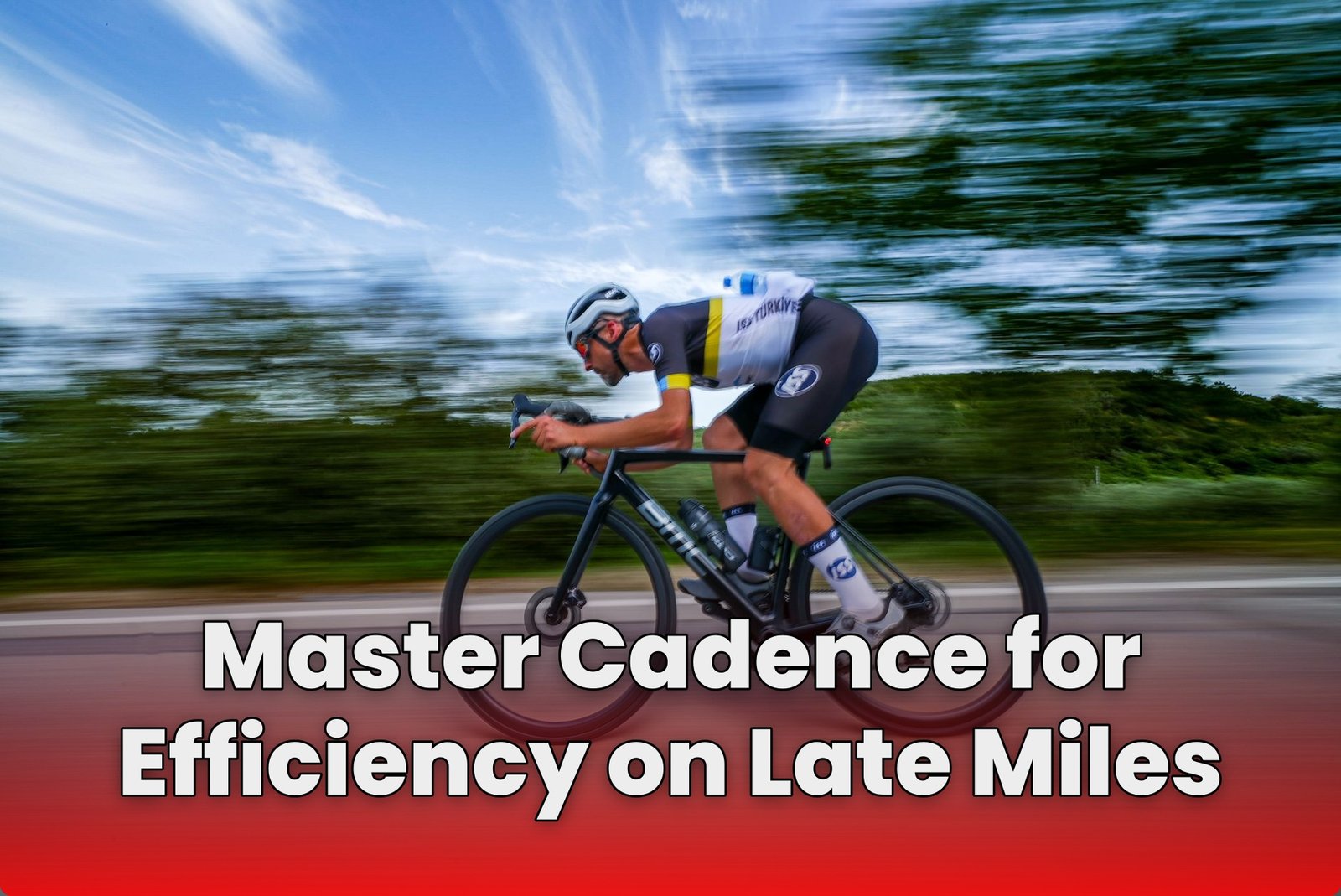
Late-mile efficiency is not about heroic pace chasing, it is about keeping your feet quick when fatigue begs you to reach. That is why most runners waste energy by only focusing on speed, then wondering why form collapses in the final third.
If you want better results, train your cadence with intent, not with guesswork. Measure your current step rate across a few late-mile efforts, then aim to lift your personal cadence range gradually, about 5%, so your nervous system has time to adapt instead of fighting you on every mile.
Use a metronome or music to lock in “quick, light feet” on easy days first, and then reinforce it where it matters most: tempo and intervals at the cadence that naturally rises with effort. Finally, practice controlled late-run turnover by preventing over-striding, landing closer under your hips, so your form stays efficient instead of just surviving.
Stop Chasing a Single Cadence Number
If you want remote work productivity logic in running, here it is: you do not fix performance by staring at one metric. You fix it by building a system that holds up when conditions change. Late miles are the change. Fatigue tries to drag your cadence downward and your stride length upward. Your training should counter that drift, not worship a lone “perfect” number.
The late-mile goal is high enough turnover as fatigue hits. Most runners naturally sit around 160–170 spm on easy efforts and 175–185 spm on harder work, but “most runners” is not your plan. Your personal optimal cadence range is the target, and the right approach is to gradually shift your range upward by about 5%, not to bolt your legs to a number for every session.
Measure Your Current Cadence Like a Scientist
How can you train your cadence for efficiency on late miles if you cannot even measure it? Guessing feels comfortable. It is also how people waste weeks. Count one foot strike for 30 seconds, then multiply by 4. Or use your watch or running app and record a few paces on tired and fresh days.
Do not just measure once. Sample across a few efforts so you learn two things: your easy cadence floor and your hard cadence ceiling. Then you can set a lower bound for “don’t fall below this when it hurts.”
Raise Your Entire Range by About 5%
Most runners try to jump cadence too fast and then blame themselves when legs refuse the change. Your best lever is incremental. Raise your entire cadence range by roughly 5%, and give your body time to adapt across 6–8 weeks, not overnight.
If your current easy range is, say, 160–170 spm, a 5% lift suggests a new working range closer to 168–179 spm. That is ambitious enough to matter, but manageable enough to keep form intact when late-mile fatigue shows up.
Use Easy Runs to Build the New Default
Easy runs are where your cadence training either becomes permanent or collapses under pressure. If you only practice cadence during intervals, you teach your legs to behave when the effort is short and you teach them to drift when the run gets long.
Set a metronome or music app and match your goal step rate on easy runs first. Then watch for the failure pattern: cadence drops, stride stretches, and the “efficient finish” never arrives. If cadence slips below your personal lower bound, shorten your stride slightly and bring turnover back up.
Make Workouts Train the Same Skill, Not a Different One
Intervals and tempo runs can either strengthen your late-mile mechanics or undermine them. If your cadence rises naturally with effort, do not cheat by forcing a slower rhythm while you compensate with longer strides. The point is to maintain efficiency as intensity climbs and as fatigue accumulates.
Tempo and interval work should be run at the cadence you can sustain with clean mechanics. Work one pace zone at a time so your nervous system links “faster feet” with the feeling of control, not with chaos.
Train Late-Race Lightness With Purposeful Cues
Late miles are a coordination problem before they become a strength problem. Your job is to keep your feet quick and light in the final third of long runs, long before the finish line starts judging you. Ask yourself: can you keep posture tall, cadence stable, and steps under control when your legs feel heavy?
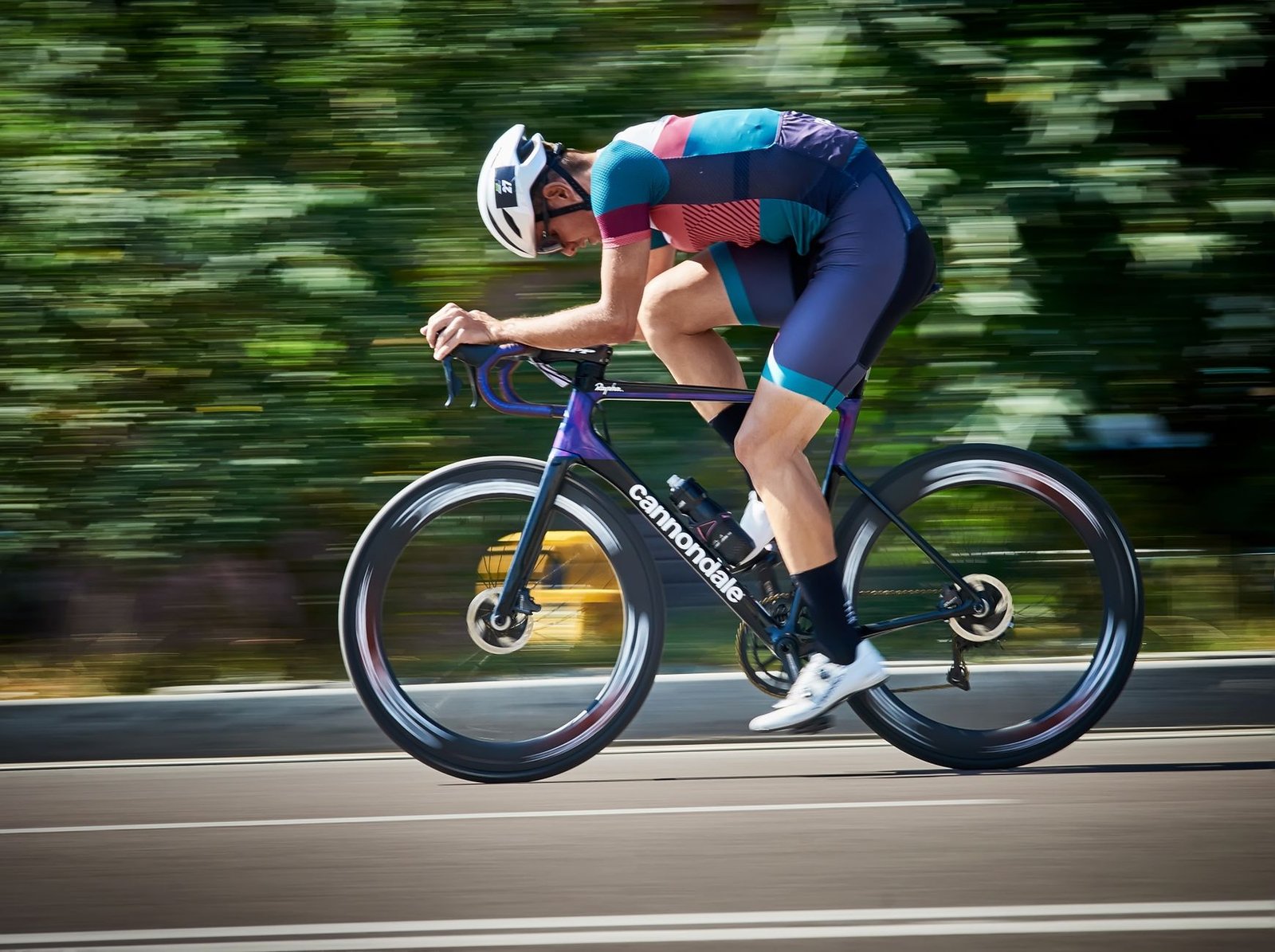
Quick, light feet is not a motivational slogan. It is a measurable intention. Use cues that reinforce landing mechanics and turnover. If you want a reference point for setting realistic targets, cadence range guidance can help you build a plan that does not chase fantasy numbers.
Use a Cadence Map for Late-Mile Decision Making
When you wait until the final mile to think about cadence, you are too late. You need a map that tells you what to do when the run turns ugly. Here is a simple, practical way to decide based on effort and time remaining.
| Run Segment | Cadence Aim (spm) | When Cadence Drops |
|---|---|---|
| Early Easy | 160–170 | Reset rhythm with quick steps |
| Mid Effort Rise | 170–178 | Shorten stride, keep posture tall |
| Tempo Blocks | 175–185 | Match metronome, avoid reaching |
| Final 20–30 Min Easy-Like | Upper end of easy range | Land under hips cue |
| Final Push | Upper range or higher | Stay light, do not lengthen stride |
That is the point of the map. It prevents the late-race panic move where you try to “save speed” by reaching farther. You should earn pace by turnover, not by stretching.
Replace Over-Striding With Landing Under Your Hips
The most common late-mile breakdown is over-striding. Fatigue pulls you into it because longer steps can feel like forward progress. But longer steps usually come with heavier foot strike and a stall in cadence, which is exactly what you should avoid.
Instead, cue “land under your hips” and keep steps light and quick. If cadence drops below your lower bound, shorten your stride first. Then let speed come from foot rhythm, not from reach.
Add Neuromuscular Drills for Quick Turnover
You can practice cadence all day, but your body also needs the raw motor pattern to produce it under fatigue. That is why neuromuscular drills belong near the top of your training menu, not buried after the fact.
Use short, high-quality work such as fast feet, high knees, butt kicks, and controlled strides. Keep it crisp. The aim is to train the nervous system to fire quickly, so late-mile cadence holds steady when your engine gets loud.
Use Hills to Strengthen Turnover Without Reaching
Flat roads tempt runners to “solve” fatigue by pushing harder through the ground and reaching forward. Hills do something better: they demand stability and posture while encouraging efficient mechanics. You can improve quick turnover without turning every session into a fight with your legs.
Include occasional hill or even controlled downhill work with the focus on cadence and foot placement. Uphill can help you learn rhythm while staying tall. Downhill can teach you to keep steps quick and controlled without over-striding.
Prevent Fatigue Drift by Adjusting Mid-Run
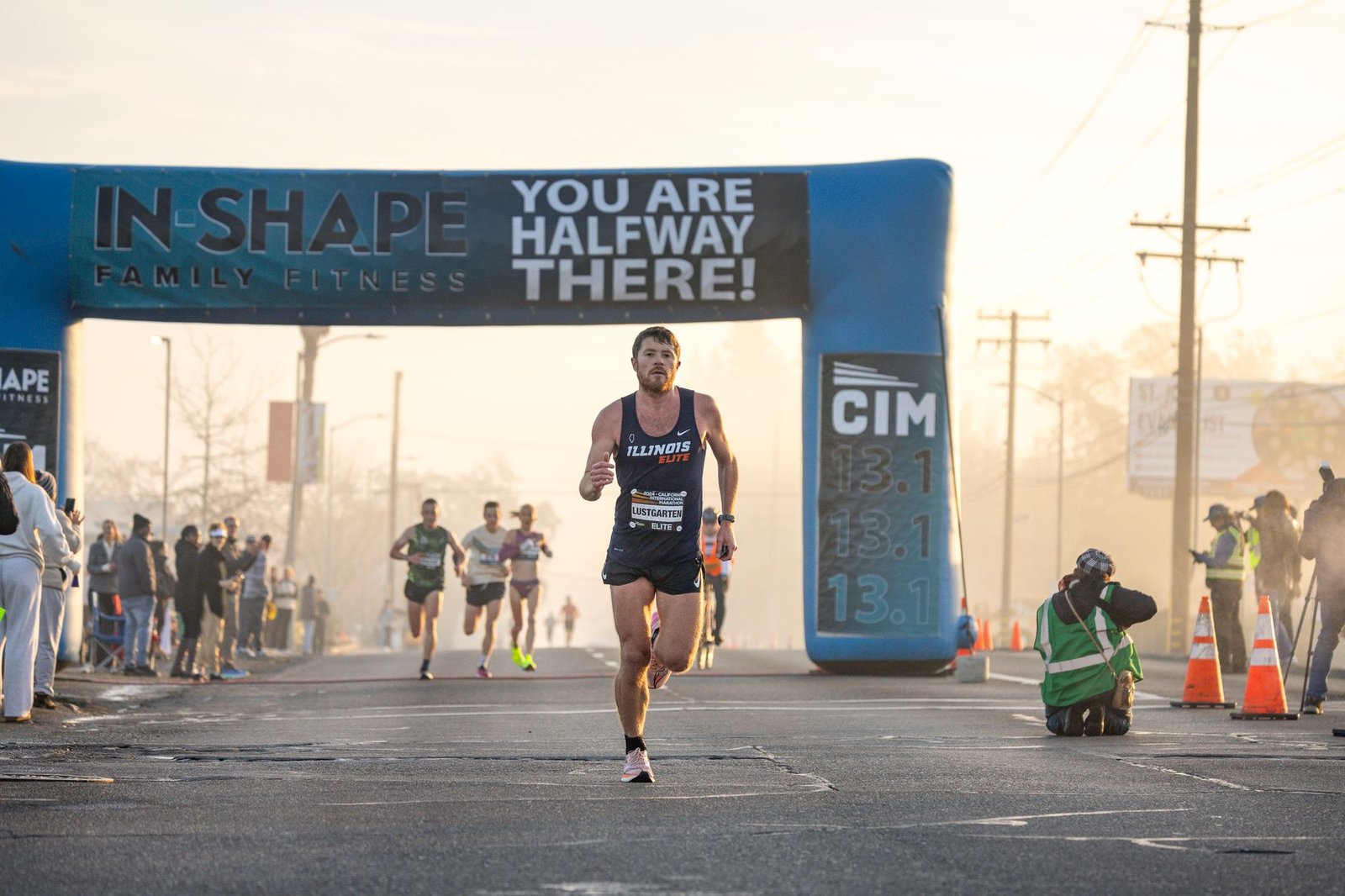
Do not treat cadence like a set-and-forget number. Late miles punish rigidity. The smart move is to respond in real time: when your cadence dips, your stride usually lengthens to compensate. Break that loop immediately.
Watch your own signs. If your feet feel heavy or your steps start landing too far in front, shorten your stride and re-raise turnover. This is the “high enough” strategy in action: keep cadence within your effective range so efficiency survives the fatigue wave.
Track Drop-Offs and Adjust Within 6–8 Weeks
Progress should show up where it matters: your ability to hold cadence late in runs. Instead of only logging pace, note cadence during the final third of long sessions. Did your late-mile cadence stay in range, or did it collapse?
Run your cadence shift plan for 6–8 weeks, then adjust. If your easy cadence stays low even after training, raise the challenge gradually by keeping metronome work consistent and by reinforcing quick steps late in long runs. The goal is not constant novelty. It is reliable efficiency.
Build the Finish Before You Need It
Here is the uncomfortable truth: late-mile efficiency is not built in the last mile. It is built through repeated moments of restraint. Every time you choose turnover over reach, every time you keep steps quick when your legs want to stretch, you train your body to finish with control.
So commit to the real program: measure cadence, lift your range by about 5%, practice on easy days, reinforce late-race lightness, and support your motor pattern with drills and hills. If your training treats cadence as a skill you earn, your late miles will stop being a surprise and start being a weapon.
How To Train Your Cadence for Efficiency in Late Miles?
How Do You Measure Your Current Cadence for Late-Mile Efficiency?
Count one foot strike for 30 seconds and multiply by 4, or use a watch/app, then record your cadence across a few paces (easy, tempo, and hard) so you can identify your personal cadence range before you try to shift it upward.
How Much Should You Raise Your Cadence When Training for Late Miles?
Aim for a gradual increase of about 5% across your whole cadence range, using a change you can sustain comfortably, typically over 6–8 weeks rather than trying to overhaul cadence overnight.
How Can a Metronome or Music Help You Train Cadence on Easy Runs?
Use a metronome or music app to match your target step rate on easy runs first, focusing on keeping “quick, light feet” without forcing sprinting effort, and adjust step timing until you can hold it for the full session.
What Should You Do When Fatigue Makes Your Cadence Drop on Late Miles?
When your cadence falls below your lower comfort bound, shorten your stride slightly and bring turnover back up so your feet land closer to your body, preventing the over-striding that often shows up in the final miles.
Which Drills Improve Quick, Light Feet for Efficient Late Miles?
Add neuromuscular drills like fast feet, high knees, butt kicks, and controlled strides, then practice maintaining “quick, light feet” during the last third of long runs to teach your legs to hold form under fatigue.
How Can You Prevent Over-Striding While Increasing Cadence in the Final Miles?
Keep your technique cue focused on landing under your hips and staying light and quick, and when cadence rises with effort during tempo or intervals, avoid compensating by stretching the stride farther.
Train Late Mile Cadence With Purpose
If you are asking how to train your cadence for efficiency on late miles, the answer is simple: protect turnover as fatigue hits, don’t force a single magic number. Measure your current cadence, raise your personal range gradually, and practice “quick, light feet” in the final third of long runs so you stop over-striding when your legs get heavy. Commit to that training focus and you will feel the difference when it matters most.

I am Ozan, a London-focused running writer and marathon enthusiast with a passion for helping people discover the city’s best races, running routes, walking trails, and fitness events. I research and write practical, up-to-date guides covering marathons, race preparation, training tips, running gear, and everything related to staying active in London.
My goal is to create reliable, easy-to-follow content that helps runners and walkers of all experience levels explore London with confidence, whether they’re preparing for their first 5K or their next marathon.