Your run does not end when you stop moving. If you live for London long-runs, you already know the hard part is staying consistent, but the quiet, 15-minute “finish line” is where you decide whether your legs feel better tomorrow or pay the price later. Most people skip the warm-down because it feels optional, yet this is the moment you can bring your body back to normal with intention, not hope.
This is a simple, practical injury-prevention warm-down, not a fitness trend. Start immediately with 10 to 15 minutes of easy pace running or brisk walking, keeping your arm swing regular, so your heart rate comes down gradually. Then switch to gentle static stretching for the muscles that take the hit on long runs, especially calves, quads, and hamstrings, holding each stretch for about 30 to 45 seconds without bouncing. Evidence suggests that active cool-downs are not a guaranteed performance or injury fix when you have several hours between sessions, but keeping the warm-down short and low intensity is unlikely to harm long-term adaptation, and it can help you leave a run feeling properly reset.
If you want a real edge, treat this warm-down like part of your training, not extra credit. Match the time and effort you put into your warm-up, keep the stretching gentle, and only extend holds if it genuinely helps you return muscles toward their original length. In London, where weather changes fast and long-run fatigue adds up, doing these 15 minutes consistently is the difference between “I survived the run” and “I set myself up for the next one.”
The 15-Minute Warm-Down Starts Before You Stop
A London long-run does not end when your shoes hit the pavement. It ends when your body’s stress signals can finally ease. If you treat the warm-down like an afterthought, you turn a controlled cooldown into a gamble with stiffness and soreness.
Start immediately with 10 to 15 minutes of easy pace running or brisk walking. The point is simple: keep moving while your heart rate comes down, so your legs do not clamp up the moment you stand still.
Easy Pace Is Heart-Rate Management, Not Extra Training
Many runners confuse “cool-down” with “another workout.” That is how you sabotage the purpose of the warm-down. Your goal is easy pace, where you can breathe steadily and hold relaxed mechanics.
Keep your arm swing regular and posture tall. Don’t sprint, don’t surge, don’t test yourself. Ask yourself one question: could you do this pace for a conversation? If yes, you are doing it right.
Match the time and effort of Your Warm-Up
Consistency beats cleverness. The warm-down should mirror the time and effort you put into your warm-up, then taper the intensity. That symmetry helps your nervous system shift gears without a hard stop.
If your warm-up was 10 minutes of progressive preparation, then your warm-down should follow the same rhythm and land at about 15 minutes total. Your legs learn what to expect, and you stop creating sudden transitions after long efforts.
Static Stretching Works When It Is Programmed
After you bring your heart rate down, the next step is gentle static stretching focused on the muscles you used hardest. Random stretching after a run wastes time and often delivers half-hearted ranges because you are still tense.
Use this simple 15-minute flow as your default plan.
| Phase | Goal | Time Target |
|---|---|---|
| Easy pace running or brisk walking | Bring heart rate down | 10 to 15 minutes |
| Calves static stretch | Heels sink on a step | 30 to 45 seconds |
| Quads static stretch | Foot up and hips drive forward | 30 to 45 seconds |
| Hamstrings static stretch | Legs mostly straight, hinge forward | 30 to 45 seconds |
| Whole warm-down | Low intensity shift | About 15 minutes |
Hold each stretch roughly 30 to 45 seconds, or at least 20 to 30 seconds when life gets in the way. Don’t bounce. And only extend the hold if you genuinely help the muscle return toward its original length.
Calves Need Step Depth and Quiet Control
The calf stretch is not a party trick. If your heels never sink, you feel relief without changing anything. Use a step or edge so your heel can drop, then keep the movement slow and controlled.
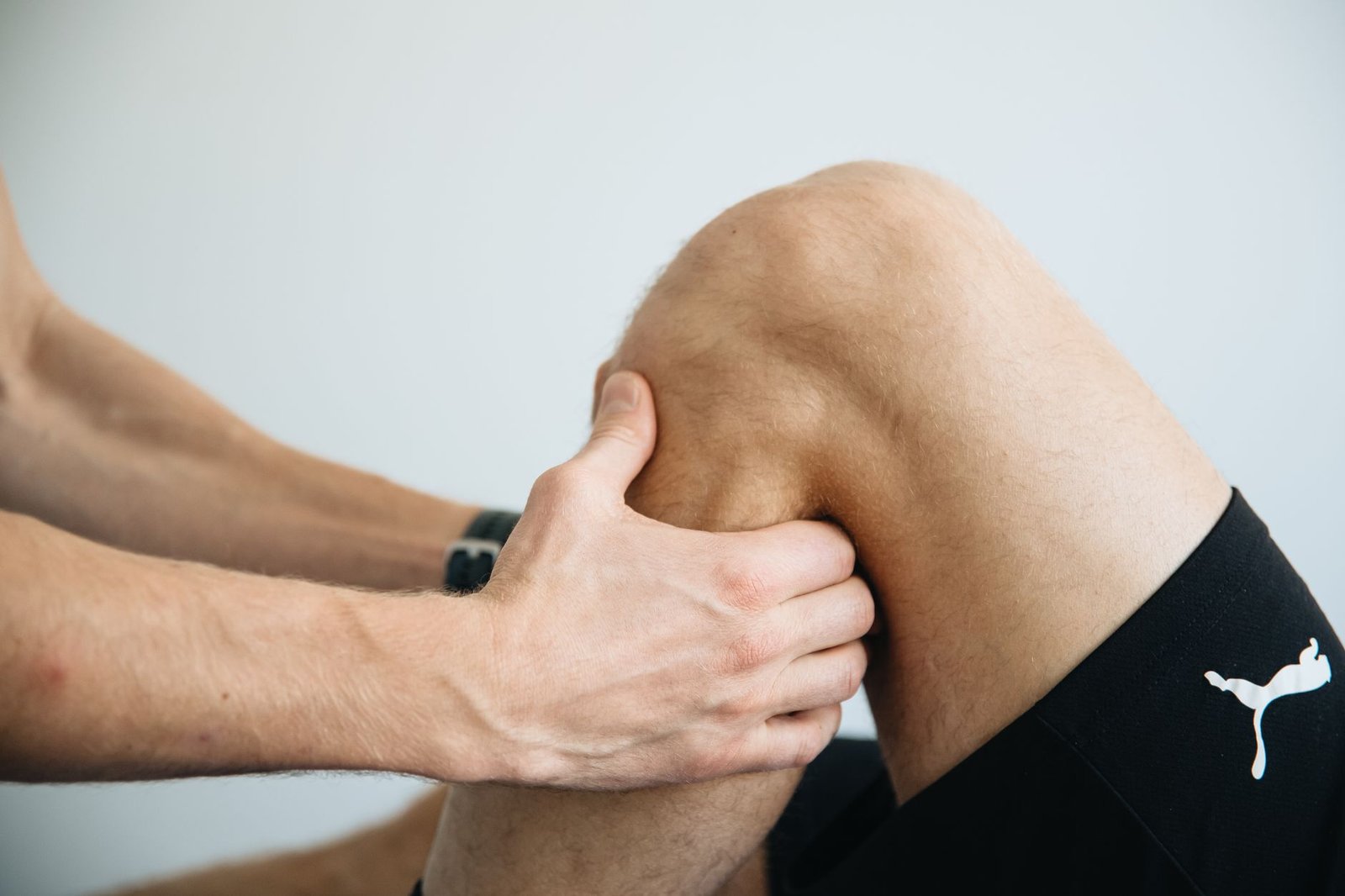
For calves, aim for a 30 to 45 second hold. Feel the stretch in the back of the lower leg, not a sharp pinch in the tendon. Are you forcing it with momentum, or are you letting the tissue lengthen?
Quads Respond to Hip Drive, Not Just a Pull
Quads loosen when you combine a gentle pull with proper alignment. Pull your foot up, then drive your hips forward so the front of the thigh gets length without twisting your lower back.
Keep the stretch steady through the whole hold. If you start rocking or bouncing, you are turning a low-intensity mobility effort into a small injury risk.
Hamstrings Improve With a Gentle Hinge and Straight Legs
Hamstrings usually tighten because runners reach forward with bent knees and hope for the best. Instead, keep your legs mostly straight while you hinge forward from the hips.
There is also a broader lesson from the research: active cool-downs often clinical evidence that they do not reliably improve same-day or next-day performance when recovery time between sessions is more than four hours.
Stop Treating a Cool-Down Like Injury Insurance
Let’s be honest. A 15-minute routine cannot erase the training loads, shoes, fatigue, and recovery choices that create injury risk. If you expect the warm-down to prevent every problem, you will blame your body for obeying math you refused to do.
A warm-down is a habit for readiness, not a shield against every injury.
What it can do is make you less stiff, more comfortable, and better able to resume normal movement. That is useful. That is also different from claiming it is magical prevention.
When Recovery Time Exceeds Four Hours, Benefits Shrink
Timing matters. Evidence suggests that active cool-downs are unlikely to prevent injuries and generally do not improve same-day or next-day performance when the recovery time between sessions is over four hours. So if you run, go to work, and return to training later with plenty of recovery, the “performance gain” story is weak.
But weak for performance is not the same as useless for long-term behavior. You are building a routine that keeps you moving well and makes recovery habits automatic.
Low Intensity, Short Duration Can Help Long-Term Adaptation
Here is the part runners often miss. For long-term adaptation, preliminary evidence indicates a cool-down is not harmful and may even enhance adaptation if it stays low intensity and short, generally under about 30 minutes.
That aligns with the practical reality of a London long-run. Your warm-down should not drag on and steam up your system. It should finish quickly, feel easy, and leave you ready for the rest of your day.
London Logistics Reward a Simple Default Routine
In London, weather and schedules do not ask how motivated you feel. Rain, cold mornings, and limited space can turn “I’ll stretch later” into “I never will.” Your warm-down plan must survive real life.
Set up a consistent start point. Change shoes, begin easy pace right away if you are still outside, and switch to stretching as soon as you are dry and stable. The best warm-down is the one you actually do.
Make It Non-Negotiable With a One-Page Check
If you want your london long-run injury prevention warm-down to matter, it needs rules you can follow even on bad days. Don’t redesign it every week. Commit to it, and measure success by stiffness and comfort, not by hype.
Use this check before you head into the final minutes.
- 10 to 15 minutes easy pace or brisk walking with regular arm swing.
- Calves, quads, hamstrings in steady holds of 30 to 45 seconds.
- No bouncing, and extend only if you restore comfortable range.
Fifteen minutes will not fix training. But it can keep your body from punishing you for every long-run choice you make.
How Your London Long-Run Injury Prevention Warm-Down Should Last 15 Minutes
How Long Should a London Long-Run Injury Prevention Warm-Down Last to Match 15 Minutes?
Plan a London long-run injury prevention warm-down that totals about 15 minutes, matching the time and effort you put into your warm-up, so your body transitions smoothly from effort to recovery.
What Easy Pace Should You Use at the Start of Your 15-Minute Warm-Down After a Long Run?
Start immediately with 10 to 15 minutes of easy pace running or brisk walking with regular arm swing to bring your heart rate down and let breathing settle without straining.
Which Gentle Static Stretches Should You Include in a 15-Minute Warm-Down for Injury Prevention?
Use gentle static stretching that targets the muscles you used most, focusing on calves, quads, and hamstrings by sinking the heel on a step, pulling the foot up while driving the hips forward, and hinging forward with legs mostly straight.
How Long Should You Hold Each Stretch During Your London Long-Run 15-Minute Warm-Down?
Hold each stretch for roughly 30 to 45 seconds, or at least 20 to 30 seconds, and avoid bouncing so the tissue gets a calm lengthening stimulus.
Does a Warm-Down Like This Improve Same-Day or Next-Day Performance After Long Runs?
For many runners, a short active warm-down is unlikely to meaningfully improve same-day or next-day performance when the recovery time between sessions is more than about 4 hours, though some people may notice next-day freshness.
Can a Short, Low-Intensity 15-Minute Warm-Down Support Long-Term Adaptation Without Raising Injury Risk?
A short, low-intensity cool-down such as this is generally not harmful for long-term adaptation, and it can help you recover while keeping the session gentle, especially if you keep it under about 30 minutes.
Make The London Warm-Down Count
Your london long-run injury prevention warm-down: 15 minutes that matter should start immediately after you stop, stay low intensity, and end with calm, gentle stretching for the muscles you just used so your body finishes the run without stiffness taking over. Do this every time and you protect your training consistency, because the real win is staying on the road long enough to build the habit.

I am Ozan, a London-focused running writer and marathon enthusiast with a passion for helping people discover the city’s best races, running routes, walking trails, and fitness events. I research and write practical, up-to-date guides covering marathons, race preparation, training tips, running gear, and everything related to staying active in London.
My goal is to create reliable, easy-to-follow content that helps runners and walkers of all experience levels explore London with confidence, whether they’re preparing for their first 5K or their next marathon.