A marathon recovery plan should start at the finish line, not the next morning. In the first two hours, eat carbohydrates with protein, drink according to thirst, and let your body settle before you think about running again.
The biggest mistake is trying to repair every loss at once. Force-feeding can upset your stomach, and forcing down plain water can lower your blood sodium. Recovery works better when you match food, fluids, sleep, and movement to what your body actually needs.
Use the plan below as a guide for ordinary soreness. Severe symptoms, confusion, or pain that keeps you from walking belong with a medical professional, not another easy jog.
Key takeaways
- A drink or small snack is the better first choice when a full meal feels unappealing; have a larger meal once your stomach settles.
- Measured sweat loss calls for sodium-containing food or fluids, not several large bottles of plain water.
- Nausea, headache, or confusion after the race is a reason to stop drinking and get urgent medical help, especially during the first 24 hours.
- Most runners should wait until normal walking is comfortable, soreness has mostly eased, and easy movement causes no pain before trying a short, easy run. Stop for pain, an altered stride, or symptoms that get worse.
Food and Fluids in the First Two Hours
The first meal should combine carbohydrates and protein without making you eat more than your stomach can manage. A turkey sandwich with fruit, yogurt with granola, chocolate milk with a banana, or rice with eggs can provide that mix. You do not need a large restaurant meal beside the finish area. Eat slowly, and let comfort decide whether you continue with solid food.
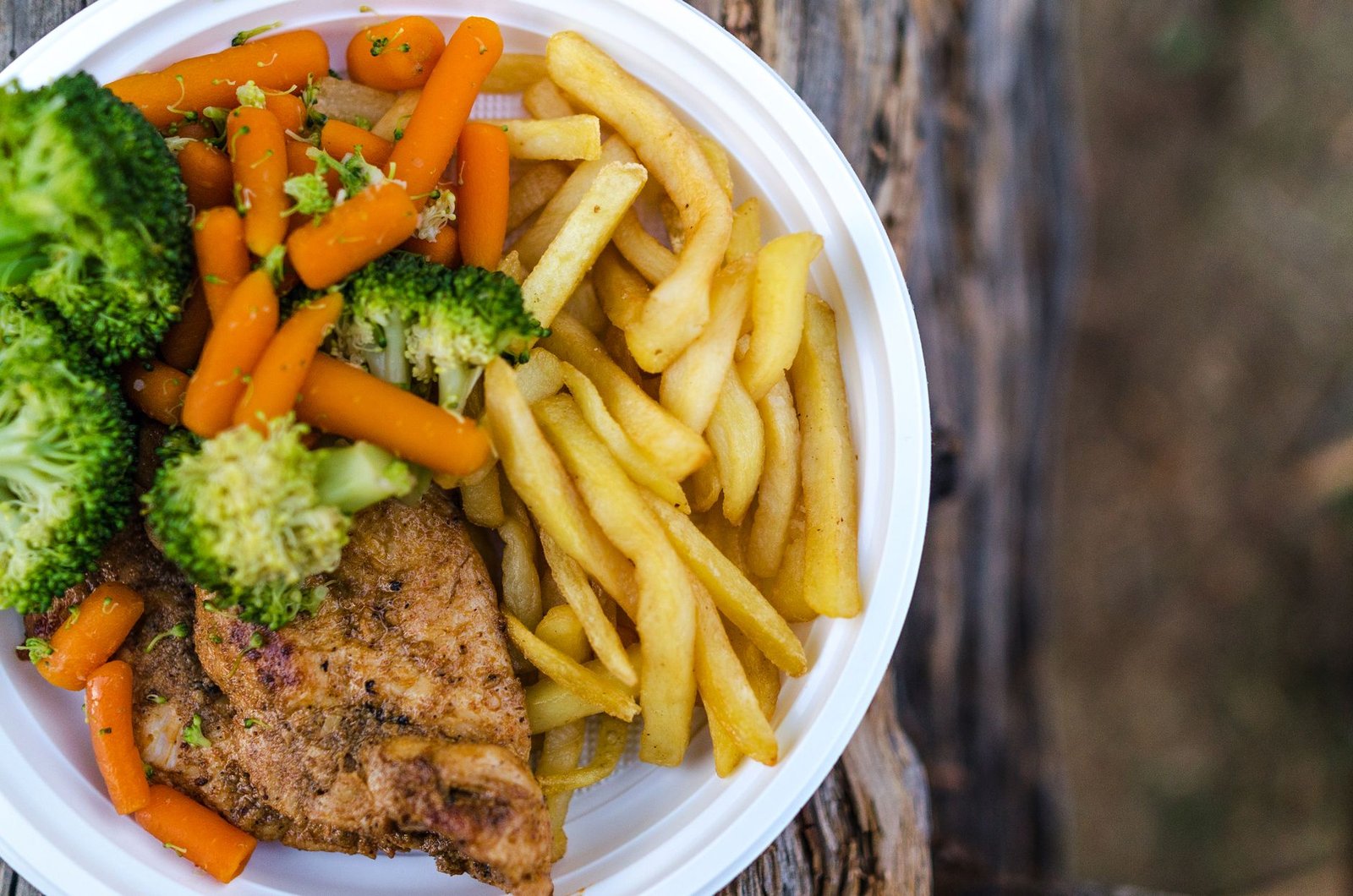
A hearty chicken dinner accompanied by broccoli, carrots, and fries.
A full meal may sound awful after 26.2 miles. If nausea or a tight stomach gets in the way, start with an easier option such as a sports drink with a protein shake, milk and a banana, or yogurt with a little cereal. Once your stomach settles, move on to a larger meal. A small drink or snack is enough to begin if solid food makes nausea worse.
The meal helps refill muscle glycogen and supplies amino acids for damaged muscle tissue. It does not require a fixed amount of fluid alongside it. Keep food and fluid decisions separate, and do not turn the nutrition target into a reason to ignore nausea.
Rehydration After the Finish
Thirst is the starting point for ordinary recovery. Sip water or a drink with electrolytes when you feel thirsty, rather than forcing a bottle because you lost weight or a race volunteer handed you one. Drinking too much plain water or another low-sodium drink can dilute the sodium in your blood and cause exercise-associated hyponatremia.
A before-and-after body weight can help estimate sweat loss, but use the result as information rather than as a command to drink. If you are not thirsty, do not keep pouring fluid into yourself to reach a target. When the measured loss is substantial, use the planned replacement shown in the table and choose sodium-containing food or fluids rather than plain water alone. Soup, a salty meal, an electrolyte drink, or a sports drink fits that situation better than several large bottles of plain water.
A runner who lost four pounds during the race does not automatically need to replace every pound immediately. Thirst, stomach comfort, and the size of the measured loss should guide the pace. Bloating, nausea, or discomfort is a reason to slow down rather than keep drinking.
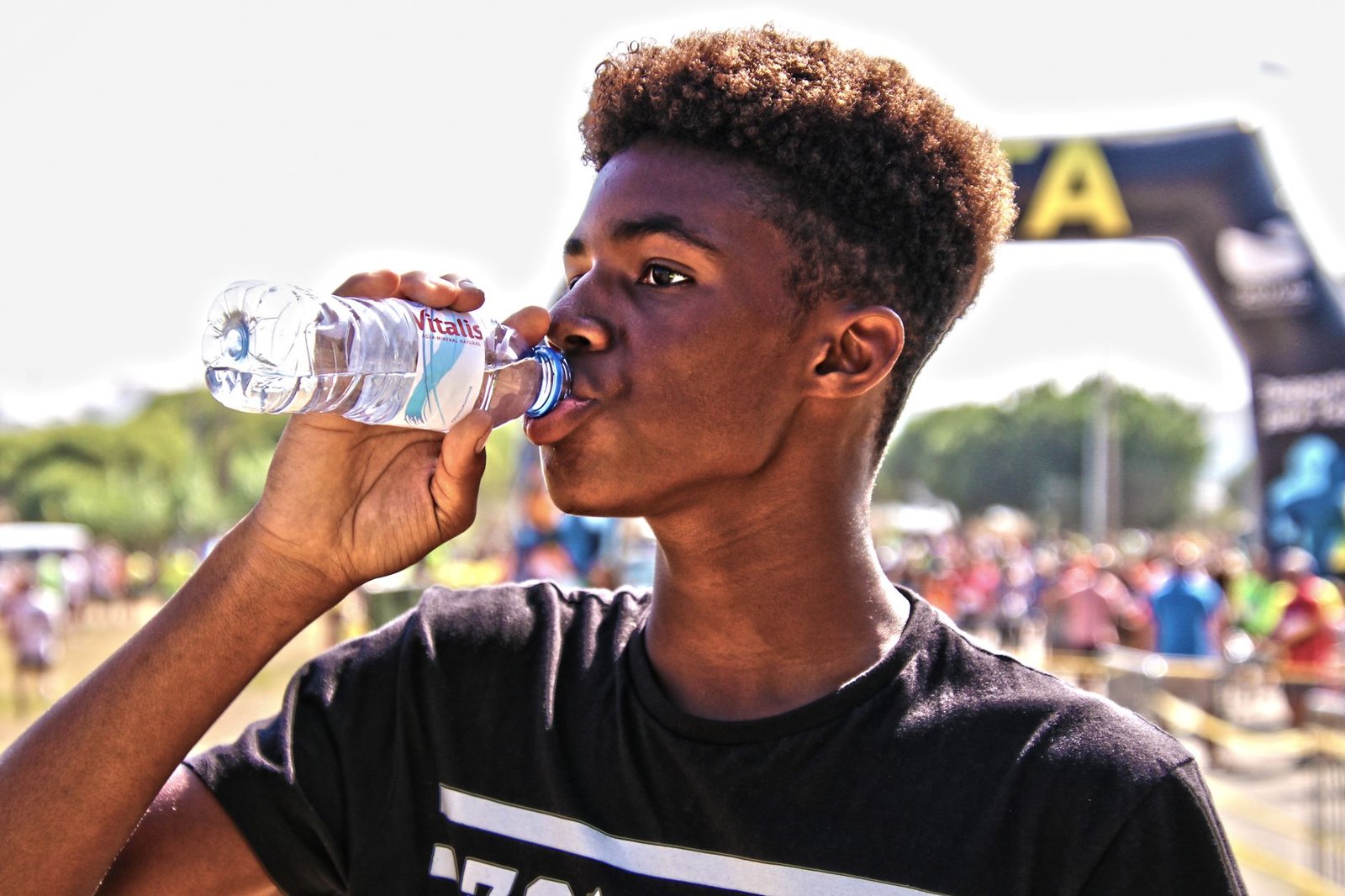
Runner drinking from a bottle after marathon finish
Symptoms That Need Urgent Medical Assessment
Normal marathon recovery can include heavy legs, mild muscle soreness, a tired stomach, and a strong desire to lie down. It should not include worsening confusion or a severe headache that develops while you keep drinking. During the first 24 hours, nausea, headache, and confusion can signal dangerously low blood sodium. Stop drinking, tell someone nearby, and get urgent medical assessment at an emergency department or through emergency services.
Call for help sooner if you cannot walk safely, keep vomiting, faint, have trouble staying awake, or develop a seizure. A finish-line tent, race medical station, urgent care clinic, or emergency department is the right place for symptoms that are severe or getting worse.
Pain also needs a clear boundary. A sore calf or stiff hip may improve with rest and gentle movement, but sharp pain, a visibly swollen joint, or pain that changes the way you walk should not be tested with a run. Avoid ibuprofen or another NSAID immediately after finishing unless a clinician has told you to take it. Dehydration and reduced blood flow to the kidneys can raise the risk of kidney injury, so do not use a painkiller to push through symptoms that need assessment.
Sleep and Easy Movement on the First Day
The first day is for restoring basic needs, not proving that you can stay active. Eat regular meals, sleep as much as you can, and move only at a comfortable, low intensity. If you have measured a substantial fluid loss, follow the planned replacement target rather than relying on thirst alone for that part of recovery. A short walk to the bathroom, a slow trip outside, or gentle mobility can keep you from feeling locked up.
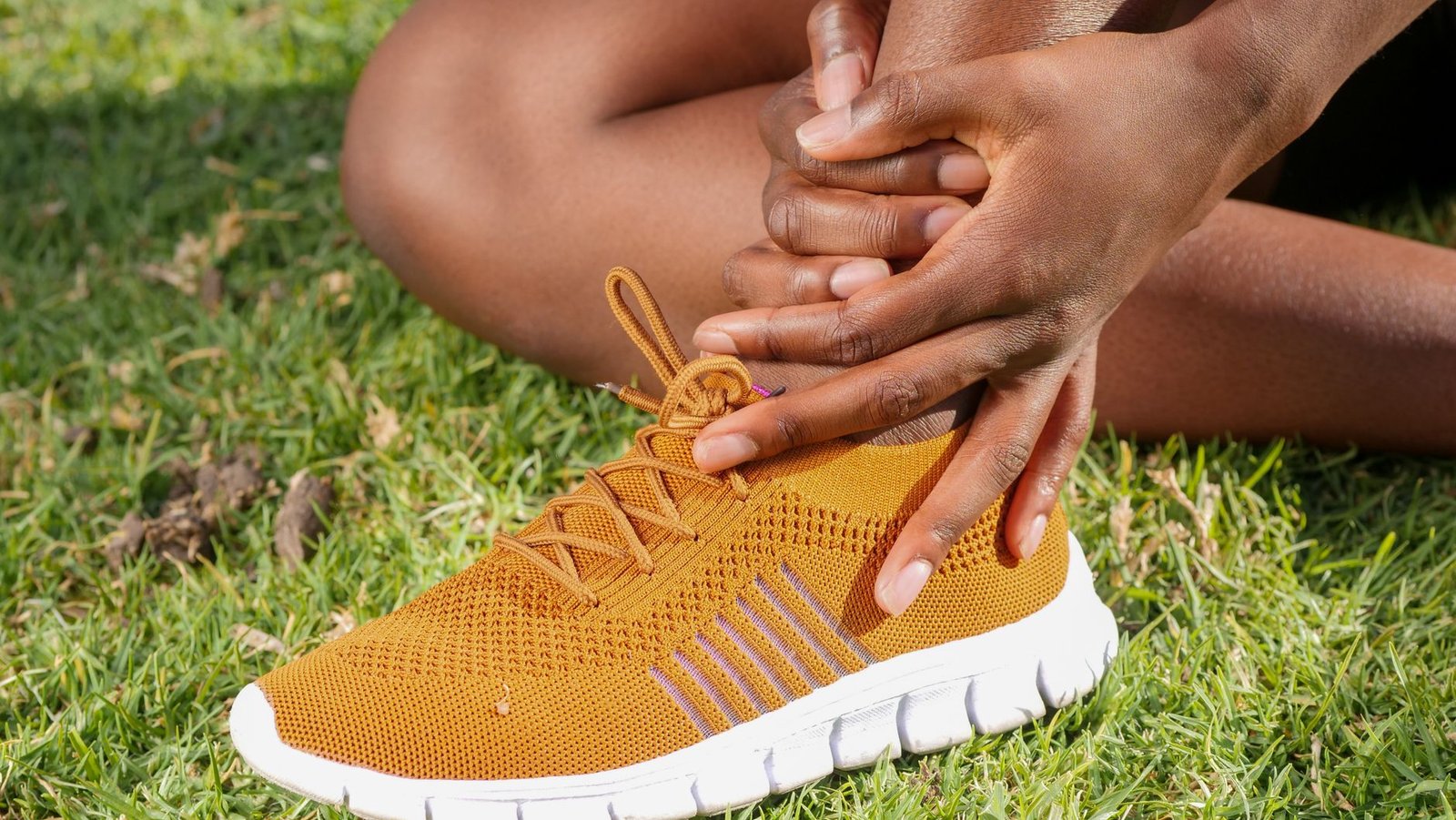
Marathon runner examining a sore ankle after finishing
The first meal has a defined nutrition target, while later recovery depends more on normal meals, comfortable fluids, and rest. Your needs can also change through the day as your stomach settles. Keep movement easy, and stop when it increases pain, brings on dizziness, or makes another symptom worse. Do not turn ordinary stiffness into a limp by pushing through it.
Warmth, dry clothes, and a way to put your feet up may make the first day more comfortable. Compression clothing may feel comfortable, but it does not replace food, sleep, or medical care when symptoms are severe. If nausea, a headache, or confusion appears during this period, use the urgent-care instructions above rather than trying to solve the problem with extra water.
| Recovery point | Nutrition | Fluids | Movement |
|---|---|---|---|
| First 2 hours | 1.0-1.2 g/kg carbohydrate; 0.3 g/kg protein | Drink to thirst | Rest and move comfortably |
| Rest of first day | Regular meals | Drink to thirst | Comfortable low-intensity movement |
| First 4-6 hours with measured loss | Regular carbohydrate and protein foods | 125%-150% of measured loss with sodium | Keep movement easy |
Walking and the First Easy Run
Walking is a useful first test for many runners during the week after the marathon. It lets you check how your legs, feet, and joints respond without adding the impact and speed of running. Do not use a fixed rest-day number as permission to run. Some runners can walk normally after a few days, while others still climb stairs carefully after a week, so ordinary walking ability gives you more useful information than the calendar.
Before trying an easy run, check whether you can walk at your usual pace without limping, use stairs without sharp pain, and move gently without worsening symptoms later. Soreness should be settling from day to day. If your legs still feel deeply sore even though walking feels good, keep walking and postpone running. Easy cycling or another gentle activity can replace running only when it stays comfortable and does not increase pain.
Most runners should begin with an easy, short effort once ordinary walking is comfortable and post-race soreness has substantially settled. Leave out intervals, hills, and a long mileage test at first. Only ordinary fatigue may fade as you warm up; pain, an altered gait, or worsening symptoms is a reason to stop and arrange an assessment.

A person in athletic clothing walks on a forest path with a trekking pole.
Returning to Hard Workouts
Speedwork, hills, and long runs place much more stress on healing muscle and connective tissue than a relaxed walk. Wait until easy movement is pain-free and the post-race soreness has substantially resolved before bringing them back. Your first easy run should answer one question: does your body tolerate running normally? Keep the effort conversational and finish before fatigue changes your form.
If you feel worse later that day or the next morning, return to walking and easy movement. Progress only when ordinary walking feels normal, an easy run causes no pain, soreness does not worsen afterward, and your stride stays even from start to finish. Feeling impatient is not a physical readiness test. A marathon can leave muscle damage and joint irritation that a good night of sleep cannot erase.
Persistent pain in one spot, swelling, a changed gait, or symptoms that fail to improve with gentle movement calls for a clinician or sports medicine professional. Do not train through those signs simply because the race is over. The next useful step is assessment, not a harder workout.
For practical recovery guidance that also covers the week after a marathon, gentle movement can support recovery while you wait for running to feel normal again.
Make Recovery Easier to Judge
A good recovery plan gives you useful information without turning every sensation into a problem to solve. Prepare that information before race day, when clear decisions are easier to make. Before leaving for the marathon, place a bathroom scale where you will use it and save your pre-race weight in your phone.
Frequently Asked Questions
How long should I wait before running after the London Marathon?
Marathon recovery commonly takes at least one to two weeks before running feels appropriate again. The right timing depends on your soreness, sleep, hydration, and whether you have an injury, so feeling ready on the calendar is not enough.
Why am I still exhausted and sore days after the race?
Poor sleep, illness, lingering dehydration, or even a cooler kitchen can make post-race fatigue and muscle soreness last longer. Address those factors while keeping activity gentle, and do not treat persistent symptoms as proof that you need a harder workout.
Which marathon recovery symptoms mean I need emergency care?
Severe confusion, repeated vomiting, fainting, trouble breathing, chest pain, or being unable to keep fluids down calls for same-day emergency care. Do not try to manage those symptoms with more exercise or extra drinks.

I am Ozan, a London-focused running writer and marathon enthusiast with a passion for helping people discover the city’s best races, running routes, walking trails, and fitness events. I research and write practical, up-to-date guides covering marathons, race preparation, training tips, running gear, and everything related to staying active in London.
My goal is to create reliable, easy-to-follow content that helps runners and walkers of all experience levels explore London with confidence, whether they’re preparing for their first 5K or their next marathon.