

How to train your core for better stability on uneven roads is not about doing endless crunches, and anyone who tells you otherwise is selling comfort over results. Real stability comes from controlled stiffness and coordination, so your trunk can stay aligned when the ground refuses to cooperate.
Most people train their core as if it is one job, but uneven roads demand a team. You need deep abdominal engagement, steady breathing, and mindful bracing that starts from a pain-free neutral spine and then progresses from local control to whole-body balance.
This is why I prefer a progression that builds co-contraction first and only then challenges your system with dynamic drills. If you train your core like a stability unit rather than a fatigue machine, you will feel the difference on every rut, root, and cambered corner.
Stop Training Abs Like They Are a Decoration
If your idea of how to train your core for better stability on uneven roads is more crunches and harder planks, you are aiming at the wrong target. Uneven ground punishes poor lumbopelvic control, delayed stabilization, and trunk softness. It does not care whether your rectus abdominis looks good in a mirror.
Core stability is about keeping your spine and pelvis quiet while your legs and arms go to work. That means deep abdominal stabilizers, especially the transversus abdominis, plus coordinated bracing. When those systems fire on time, your feet can correct without your trunk collapsing.
Real stability shows up as smoother foot placement, less wobble, and less wasted energy. If your core training never teaches those outcomes, it is not core training for the road or trail. It is just exercise theater.
Own Neutral Spine Before You Add Any Challenge
Start from a pain-free neutral spine. Not “whatever your body does today,” not slouched, not over-arched. Your deep stabilizers need a target position to practice from, otherwise they guess, compensate, and fatigue the wrong tissue.
During each rep, aim for “quiet ribs, steady pelvis.” You should feel tension in the abdomen without turning the movement into a fight against your own range of motion. If you cannot hold neutral while moving slowly, you cannot expect stability on uneven surfaces.
This is where many people fail. They rush to harder variations because they can feel “working.” But feeling working is not the same as training spinal stiffness and control.
Co-Contraction Beats Guesswork, Every Time
Your core should not act like a single muscle pulling the body into one shape. Uneven roads demand co-contraction that protects the spine from translation and rotation forces generated by the legs.
To do that, pair diaphragmatic breathing with a controlled abdominal set. Research summarized in core exercise evidence supports the idea that stability training relies on coordinated muscle activation, not just holding breath until you shake.
When your trunk bracing is timed to breathing, you gain stability without grinding your movement into clumsy tension.
Train Without Momentum So Your Core Learns Control
If your reps are powered by momentum, you teach your body the wrong lesson: “speed equals success.” Uneven roads are not fast-motion machines. They are irregular impacts and shifting loads that require slow, mindful contractions and stable posture under changing conditions.
Use controlled tempo and avoid flinging limbs. For example, with heel taps, keep the abs drawn in and move at a pace that preserves neutral spine. With bird dog holds, keep the pelvis quiet for the whole 20 seconds. You want the deep stabilizers to do the job, not your legs or back.
Ask yourself a hard question: could you repeat the rep with the same spine position if the road got tougher tomorrow? If the answer is no, your training is not teaching the skill you claim to want.
Build from Local Stabilizers to Whole-Body Demands
Uneven roads test the entire system. Your feet, hips, and trunk must coordinate so your body does not leak force. But coordination cannot be built on top of sloppy base control. First recruit local stabilizers, then progress to more challenging stabilization, then finally add dynamic whole-body tasks.
A smart progression looks like this: start with drills that isolate trunk control, like hollowing or bracing variations and slow heel taps. Then add stabilization positions with limb movement, like dead bugs and bird dog. Only after that should you demand balance and trunk stiffness during more functional patterns.
This sequencing respects how the nervous system learns. You are not just strengthening your core. You are training timing, stiffness, and automatic responses.
Match the Drill to the Exact Stability Problem
Uneven roads create different stresses: sometimes you need anti-extension stiffness, sometimes anti-rotation control, sometimes single-leg alignment under load. If your core work ignores the specific problem, you will “feel strong” while your body still collapses in the moments that matter.
Use the checklist below to choose drills that directly target what the ground will demand.
| Stability Need | Core Job | Drill Example / Dosage |
|---|---|---|
| Lumbopelvic Bracing | Hold Neutral Pelvis | Dead Bug 10/Side |
| Anti-Extension Control | Abs Drawn In, Slow | Heel Taps 10/Leg |
| Anti-Rotation | Fight Torso Drift | Side Plank 10-12/Side |
| Single-Leg Alignment | Neutral Hinge Position | DB Hinge 12/Leg |
| Dynamic Balance | Stable Pelvis Under Reach | Bird Dog 20s/Side |
Now the key point: you do not need endless exercises. You need the right ones, practiced with precision, and progressed in difficulty at the right time. That is the difference between random core workouts and core training that actually carries to uneven roads.
Master Slow Activation Drills Before You Go Big
Before you chase instability surfaces, make your activation clean. Start with breathing and core set work such as hollowing or bracing, then progress into controlled limb movements. The goal is to keep the trunk from sagging while you move.
Practical staples include supine heel taps with slow, deliberate reps (about 4 seconds per repetition) and stabilization holds like bird dog. Start with one set per exercise in the 12–15 rep range or prescribed hold times, and stop while form remains stable.
Many athletes rush past activation because it feels too easy. But the “easy” work is what teaches the core to engage when the rest of your body is about to move.
Use BOSU and Bird Dog to Train Pelvis Quietness
If the ground tilts, your pelvis should not wobble like a loose plate. BOSU variations and bird dog patterns train the trunk to resist unwanted motion while your arms and legs reach.
Try BOSU bird dog with controlled holds of about 20 seconds per side. If you lack equipment, do the floor version and focus even more on slow breathing and a steady pelvis. The load comes from control, not from forcing the position.
This is where stability becomes measurable. You can tell whether you learned by whether your spine stays aligned throughout the hold. Uneven roads will not forgive sloppy pelvis motion.
Heel Taps and Glute Bridges Build Stiffness Where It Counts
Your trunk stiffness has to work with hip extension, not against it. Heel taps train anti-extension control by forcing the abs to stay engaged while the legs move. Keep the abs drawn in and your spine neutral throughout.
Marching glute bridges strengthen and coordinate glute drive while maintaining a neutral pelvis. Use 20 alternating leg lifts while keeping the hips level, or hold a static bridge when you need a lower-skill starting point. Then, move to more dynamic options only once you can maintain alignment.
The payoff is simple: better hip mechanics and less compensatory arching when your footing changes on uneven roads.
Dead Bugs and Planks Should Teach Anti-Rotation, Not Just Endurance
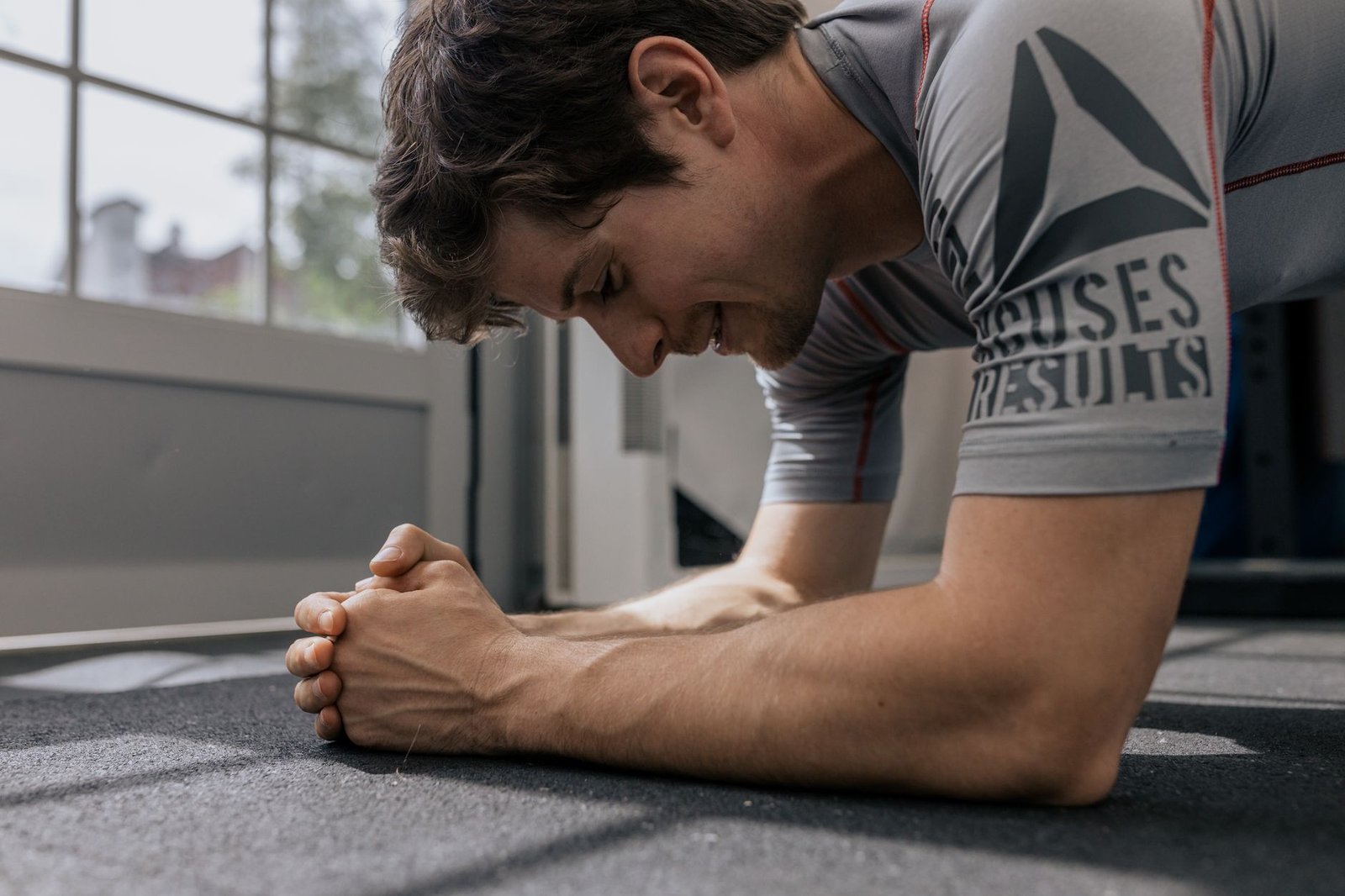
Stability training fails when it becomes a time-punishment contest. Dead bugs with knees around 90 degrees can be excellent because they demand controlled trunk position while your limbs move. Keep your breathing free and deep, and do about 10 reps per side.
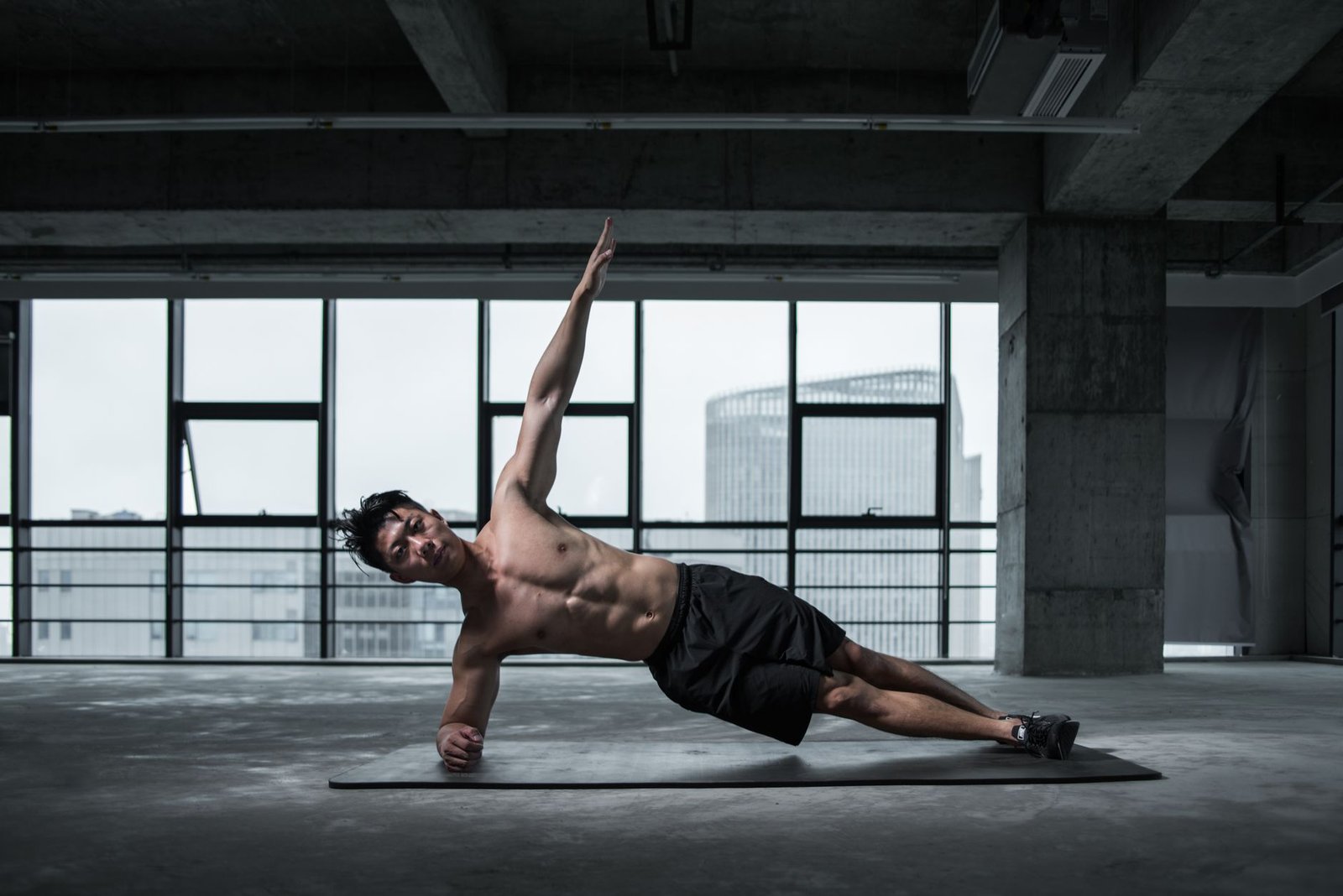
Forearm planks with toe taps can raise demand without turning the core into a shaking mess. Add side planks with torso rotation for 10–12 reps per side when you can hold neutral during the base position. The point is anti-rotation control and trunk stiffness, not brutal fatigue.
If your ribs flare or your pelvis rotates, you are training compensation. Adjust the variation or reduce range until the trunk stays steady.
Add Single-Leg Hinge Patterns for Trail-Ready Trunk Rigidity
Uneven roads challenge you with single-leg moments: one foot loading, hips shifting, and the trunk resisting rotation and collapse. Dumbbell single-leg hinge or deadlift patterns train the alignment and stiffness you need during those phases.
Aim for about 12 reps per leg with controlled tempo and a neutral spine. Think “quiet trunk, stable hinge.” If you lose posture, shorten the range and slow the movement. Your core should feel like a brace, not like a source of frantic correction.
Do not treat this as optional. If you can stabilize during single-leg trunk stiffness work, your body has a better chance to stay organized when the road changes under you.

Progress to Dynamic Tasks That Demand Balance Under Motion
After you build control through local drills, you need dynamic whole-body tasks that translate to real irregularities. Dynamic work forces your core to stabilize while your limbs accelerate, decelerate, and change direction.
Progress by adding instability surfaces carefully, increasing limb movement, and then layering functional actions. Use a steady difficulty curve. If you go from floor drills to unstable single-leg work in one step, your form will degrade and your nervous system will learn the wrong pattern.
The question is not whether you can do the movement. The question is whether your spine stays controlled while your balance is challenged.
Train Smart Frequency, Then Track Whether Stability Improves
You do not need core training that steals your energy for your main sessions. Use about one set per exercise in the 12–15 rep range or equivalent hold times, and keep the quality high. If your goal is stability on uneven roads, consistency beats occasional suffering.
Run a plan like this: recruit stabilizers with slow activation drills, then do stabilization exercises, then finish with one progression toward dynamic balance. Keep breathing steady during reps and stop the set when neutral control slips. Your body should leave the session more organized, not more chaotic.
How will you know it is working? You will feel less trunk wobble, better confidence on uneven ground, and fewer form breakdowns when fatigue starts to rise. That is the scoreboard that matters.
How to Train Your Core for Better Stability on Uneven Roads?
What Core Muscles Help With Stability on Uneven Roads?
Your core stability on uneven roads relies on deep stabilizers like the transversus abdominis, along with the obliques and the muscles that control your pelvis and spine so you can resist unwanted rotation and sway.
How Can You Train Core Stability on Uneven Roads Without Using Momentum?
Use controlled, mindful contractions from a pain-free neutral spine position, focusing on steady co-contraction of your abs rather than momentum, so the deep abdominal muscles stay engaged throughout each rep.
Which Beginner Core Drills Build Trunk Control for Uneven Roads?
Start with simple activation and local stabilization such as slow hollowing or bracing, heel taps with your abs drawn in, and dead bug variations, keeping movement controlled and your trunk steady.
How Should Breathing and Bracing Be Done During Core Training for Uneven Surfaces?
Perform reps with free, deep breathing while maintaining a firm brace, aiming to stabilize first and then move, so your breathing supports control instead of letting your ribcage or pelvis drift.
How Do You Progress From Static Core Stability to Dynamic Balance on Uneven Roads?
Move from holds and co-contraction (like bird dog or bridge holds) to longer stabilization sets (marching glute bridges, forearm planks with toe taps, and side planks with controlled rotation), then add dynamic whole-body tasks that challenge balance.
When Should You Modify or Get Help While Training Your Core for Uneven Roads?
If you feel pain, lose neutral spine control, or your form breaks down under instability, reduce range or difficulty, slow the tempo, and consider guidance from a qualified coach or clinician to match the plan to your body.
Train Your Core to Own Uneven Roads
How to train your core for better stability on uneven roads is simple: build stiffness and control with slow, mindful contractions that keep your transversus abdominis and deep stabilizers active, then progress from pain free local holds to more demanding balance and whole body drills. If you want real stability where it counts, stop chasing speed and momentum and start training balance under control until your trunk holds firm no matter what the ground does.

I am Ozan, a London-focused running writer and marathon enthusiast with a passion for helping people discover the city’s best races, running routes, walking trails, and fitness events. I research and write practical, up-to-date guides covering marathons, race preparation, training tips, running gear, and everything related to staying active in London.
My goal is to create reliable, easy-to-follow content that helps runners and walkers of all experience levels explore London with confidence, whether they’re preparing for their first 5K or their next marathon.




One thought on “Train Your Core for Uneven-Road Stability”