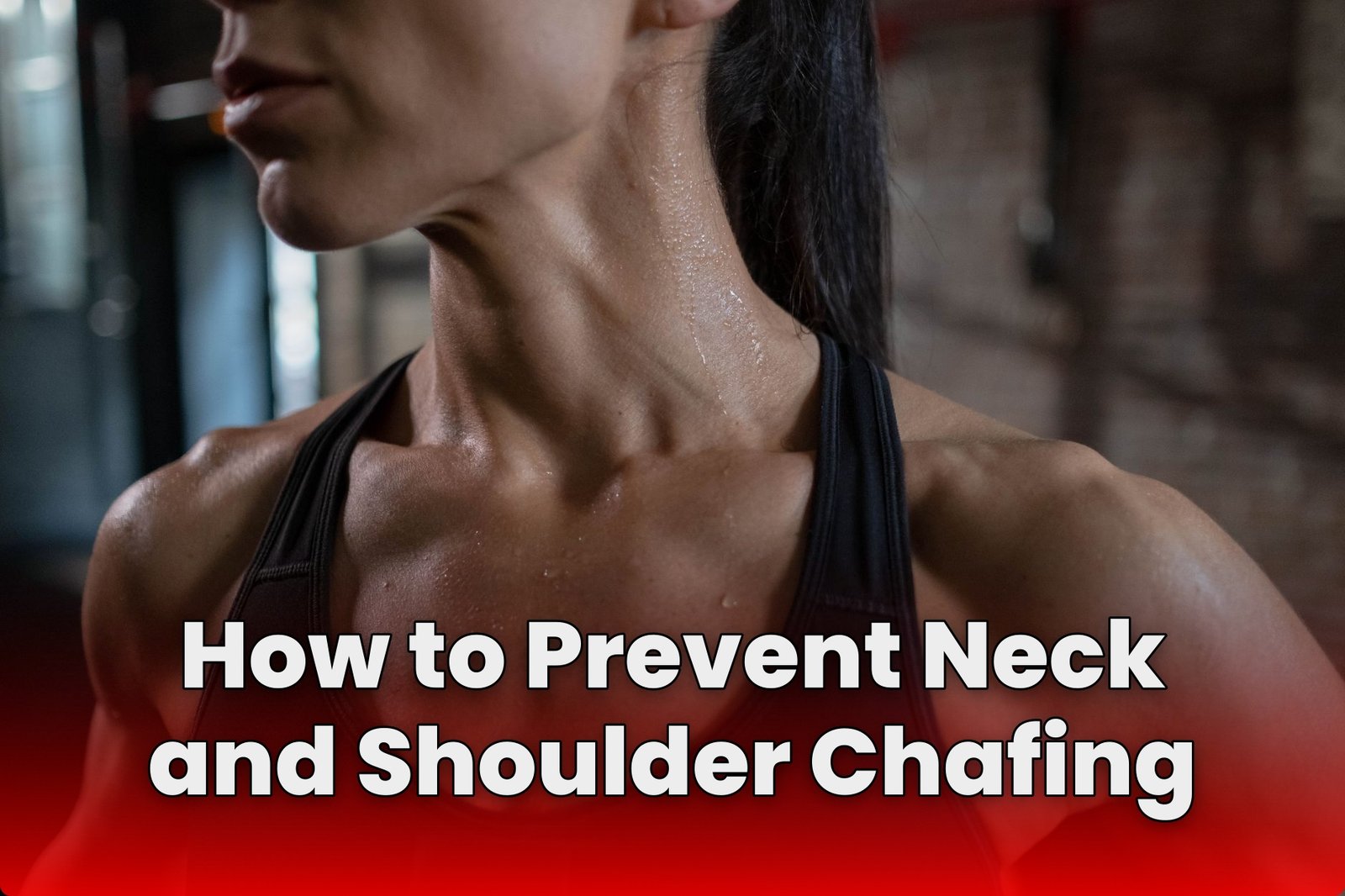
Chafing is never “just irritation,” it is friction plus moisture winning a slow battle on your skin. If you are dealing with the neck and shoulder line turning red, sore, or itchy, the fastest way forward is to tackle the two causes instead of switching products every day.
To prevent chafing at the neck and shoulder line, keep the area dry, then create a protective barrier where rubbing starts. Use antiperspirant where sweat triggers the problem, change out of damp shirts quickly, and consider a drying powder to reduce drag; after that, apply a thin layer of barrier like petroleum jelly or a fragrance-free moisturizer directly on the hot spots.
Finally, stop the rubbing at the source by choosing breathable, well-fitted fabrics and avoiding itchy seams or tags near the collar and straps. If it still flares, switch to an anti-chafe stick or cream for the exact contact points, and if the skin does not improve within about a week or shows signs of infection, get medical advice.
Chafing Is Not Inevitable It Is Engineered
If you keep getting chafing at the neck and shoulder line, don’t blame your body. Chafing follows physics: moisture softens skin, and repeated rubbing breaks the surface. That is not bad luck. That is a predictable outcome of friction and sweat meeting the wrong skin surface at the wrong time.
So the real question for anyone asking how to prevent chafing at the neck and shoulder line is not “Will it happen?” It is “Where is the rubbing coming from, and what will you do before the skin starts to fail?” Prevention is proactive, not reactive.
Some people treat chafing like a mystery you endure until it fades. But if you’ve worn the same collar, used the same deodorant, or sat in the same kind of strap pressure, you already have the data. Your pattern is the blueprint.
Moisture Wins Every Time Control Sweat Early
Start with the simplest truth: damp skin chafes sooner. Sweat increases friction by adding lubrication at first, then slipping and sticking as it dries, leaving skin raw. If your neck and shoulders sweat, your first job is to keep skin dry enough that rubbing stays harmless.
Use antiperspirant where sweating is the driver, and be ruthless about changing out of damp clothing. Waiting until you feel burning is like waiting until a cut bleeds before you stop using the blade.
Want a practical standard? If your shirt feels clammy at the collar or shoulder line, assume the next step is chafing unless you intervene immediately.

Friction Comes From Contact Reduce Rubbing Points
Moisture sets the stage. Friction delivers the damage. Chafing at the neck and shoulder line is often caused by the same small contact points repeating hundreds of times during daily movement: seams, tags, stiff fabric edges, backpack straps, or even the underside of a collar.
Look for movement against skin, not just pressure. Does your collar shift as you talk? Do shoulder seams move with your arms? If the contact point slides, it will wear skin down even when you do everything else “correctly.”
You can’t willpower your way past friction. You can only redesign the contact or build protection at the exact spots where rubbing happens.
Build a Barrier Where Skin Actually Touches
A barrier works because it reduces direct skin-on-fabric contact. Think of it as an intentional “skin-to-surface translator.” When applied thinly to high-friction areas, it lowers shear stress and helps skin tolerate movement long enough to avoid irritation.
Common barrier options include a thin layer of petroleum jelly like Vaseline or an unscented moisturizer or aloe for sensitive skin. For people with frequent hot spots, a dedicated anti-chafe lubricant stick or cream is often easier to apply repeatedly and evenly.
Apply before rubbing starts, not after burning begins. When your skin is already tender, you are treating symptoms while the main cause keeps moving.
Choose Fabrics and Fits That Don’t Dig In
Clothing can be the whole problem. Rough, heavy, or poorly fitted materials raise friction and trap moisture. If you sweat, cotton can become a stubborn culprit because it holds dampness against your skin for longer than breathable, moisture-wicking fabrics.
Check the small offenders: thick seams, scratchy tags, and stiff edges around collars and shoulder seams. If a strap or collar is the culprit, switching the style or adding a barrier directly at the contact point often beats searching for a miracle product.
Ask yourself: why keep wearing the same construction that irritates you, then act surprised when your neck and shoulders pay the price?
Treat Collar Lines Like High Wear Zones
The neck is not one uniform area. The chafing pattern often tracks along specific collar edges, shirt neckline construction, or the exact boundary where fabric meets skin and shifts as you move. Those are high wear zones, and you should treat them like you would treat a glove seam on a hiking route.
Sometimes the fix is not more product. It is better placement. A thin barrier applied only where the collar edge rubs can be far more effective than a thick layer applied everywhere you “think” you might sweat.
And if you wear bras or structured straps, remember that friction can come from the same line every day. That predictability is your advantage.

A Simple Prevention Routine You Can Repeat Daily
Here’s the point many people miss: the best method is the one you’ll actually repeat. Build a routine that targets moisture first, then friction, and re-checks the exact contact points before you feel pain. Most prevention fails because it is sporadic.
| Situation | What to Do | Timing |
|---|---|---|
| Neck sweats | Antiperspirant | Morning, dry skin |
| Collar rubs | Barrier layer | 10 minutes before use |
| Shoulder seams shift | Lubricant stick | Before putting shirt on |
| Clothes get damp | Change or re-dry | As soon as clammy |
| Long day | Reapply barrier | Every 4 to 6 hours |
If you want a reality check, most products work only when used consistently and placed correctly. It is not a moral failing to need a system. It is smart to use one.
Most clinicians emphasize this in preventive guidance rather than after-the-fact patch jobs. And once you have a routine, you stop negotiating with your skin every day.
Apply Powders and Antiperspirants With Purpose
Powders can help when sweat is unavoidable, because they reduce moisture and friction at the surface. Consider a moisture-absorbing powder like cornstarch-based or non-talc drying powders, especially if you’re prone to dampness where the collar and shoulder line meet your skin.
But powders are not a substitute for barrier when rubbing is intense. If you’re dealing with continuous strap contact, you still need a lubricating or protective layer to prevent sliding injury.
Don’t treat the neck like a generic application zone. Target the specific area that actually turns damp or starts to sting.
Dial In Timing Reapply Before Damage Starts
Timing is where prevention becomes reliable. If you wait until irritation shows up, you are already late. Your goal is to keep protection intact through the day’s friction cycles, not just to apply once and hope.
A simple rule works well: reapply barrier or lubricant before you notice that it has worn off, and sooner if you’ve sweated heavily or your clothing has dried and re-dampened. For longer stretches, that often means every few hours rather than once per day.
Why is this so effective? Because the protective layer is part of the system, and systems fail when you assume “set and forget” is good enough.
When Irritation Hits Clean Gently Then Protect
If skin gets irritated, act quickly but softly. Gently wash with mild soap, pat dry, and avoid rubbing. Rubbing at this stage is like scrubbing a wound because it feels uncomfortable. It doesn’t fix the cause. It deepens the problem.
Keep the area covered and protected with a barrier so friction cannot restart the cycle while skin repairs. For many people, this alone stops mild cases from turning into painful, stubborn redness.
If the irritation is spreading or feels worse day by day, don’t “tough it out.” Adjust the environment around the skin and reduce contact immediately.
Don’t Ignore Red Flags and Infections
Most chafing improves with proper care, but you should not ignore warning signs. Seek medical care if it doesn’t improve within about a week, if symptoms become severe, or if you notice signs that suggest infection such as warmth, foul smell, or pus.
These red flags matter because friction injury can become a gateway for complications when the skin barrier remains broken. If you keep rubbing an area that is already compromised, you are essentially inviting a longer recovery.

Comfort is not the same as healing. If the spot is escalating, treat it as a health issue, not a cosmetic inconvenience.
Stop Guessing Track Patterns and Fix the Cause
Prevention becomes effortless only after you stop guessing. Track what you wore, what you did, and where the irritation forms. Is it always the right shoulder line? Always along the collar edge? Always after a specific activity or workday length?
Then fix the driver. Switch to breathable moisture-wicking, adjust fit, remove the seam or tag if possible, and apply targeted protection to the exact hot spot location. When you match the intervention to the pattern, you reduce chafing instead of repeatedly treating the aftermath.
The real victory is this: your neck and shoulders stop feeling like a daily gamble, because you finally manage moisture, friction, and contact with discipline.
How to Prevent Chafing at the Neck and Shoulder Line?
What Causes Chafing at the Neck and Shoulder Line?
Chafing usually comes from friction plus moisture, such as sweat pooling under a collar or bra/strap, rubbing against skin, and repeated heat buildup that breaks down the skin barrier.
How Can You Reduce Moisture to Prevent Neck and Shoulder Chafing?
Keep the area dry by changing out of damp clothing quickly, gently blotting sweat during the day, and using an antiperspirant where appropriate; a thin layer of a drying powder (cornstarch-based or a non-talc drying powder) can help reduce rubbing.
Which Barrier Products Help Prevent Chafing at High-Rub Areas?
Apply a thin protective layer to friction points, such as petroleum jelly (Vaseline) or an unscented moisturizer/aloe, and for workouts consider a dedicated anti-chafe balm or lubricant stick, then reapply as directed.
What Clothing and Fit Changes Reduce Rubbing Along the Shoulder Line?
Choose breathable, moisture-wicking fabrics and a better fit that reduces shifting; avoid rough textures and bulky seams or tags, and if a collar or strap triggers the problem, switch styles or add a thin barrier directly where it contacts skin.
How Should You Treat Skin If Chafing Starts?
If irritation begins, wash gently with mild soap, pat the skin dry without scrubbing, and protect it with a barrier like petroleum jelly or an anti-chafe balm while you let it heal.
When Should You Get Medical Help for Neck and Shoulder Chafing?
Seek medical care if it doesn’t improve within about a week, if symptoms worsen, or if you notice signs of infection such as increasing warmth, swelling, spreading redness, foul odor, or pus.
Stop the Chafe Before It Starts
So the real answer to how to prevent chafing at the neck and shoulder line is simple and actionable: control moisture, cut friction, and protect irritated skin with a thin barrier when clothing or straps rub. When you keep the area dry, wear smooth moisture-wicking layers that fit well, and apply the right anti-chafe protection before the hotspot forms, you do not just reduce irritation, you prevent the problem from taking hold.

I am Ozan, a London-focused running writer and marathon enthusiast with a passion for helping people discover the city’s best races, running routes, walking trails, and fitness events. I research and write practical, up-to-date guides covering marathons, race preparation, training tips, running gear, and everything related to staying active in London.
My goal is to create reliable, easy-to-follow content that helps runners and walkers of all experience levels explore London with confidence, whether they’re preparing for their first 5K or their next marathon.