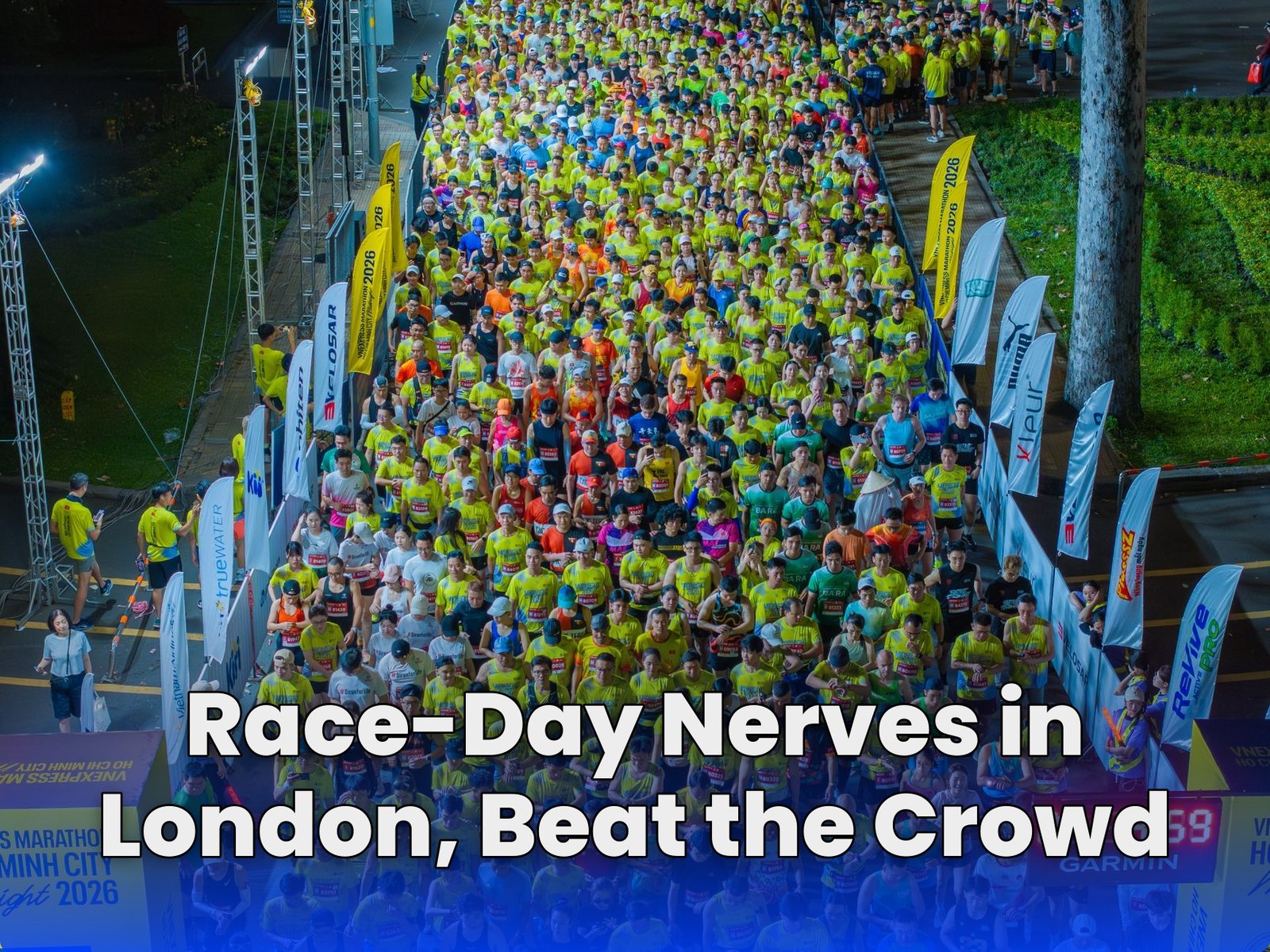
Race-day nerves are normal, even if you hate crowds. The common mistake is treating your anxiety like a flaw you must “fix” before you line up. In reality, nerves are just your body reacting to stimulation, noise, and uncertainty, and London race days deliver all three.
If crowds trigger you, your goal should be control, not bravery. Plan your day so nothing important is a surprise: rehearse the routine you already tolerate, build in extra travel time, and stick to food and hydration you have tested. Then give your mind a simple job during the chaos, like focusing on your own route, your next landmark, or a steady breathing pattern that brings you back when panic tries to steer.
This article is opinionated by design: you do not need to love crowds to have a good race. You need a practical pre-race system, a few mental “if, then” responses for tough moments, and a clear plan for how you will reset after you cross the finish.
Admit Crowds Are The Trigger, Then Stop Bargaining With It
If you hate crowds in London, the worst move is pretending the start line is “fine” while your body screams otherwise. Your nerves are not a character flaw. They are a predictable response to stimulation, congestion, and uncertainty.
So make a clear decision: you will not negotiate with the crowd. You will manage your reaction. Ask yourself a simple question before you run. What is the one thing you can control when the streets tighten and the noise spikes?
Lock A Day-Of Routine That Leaves Nothing To Guesswork
The fastest way to steady race-day nerves is to reduce what is unpredictable and repeat what works. This is the core of how to manage race-day nerves when you hate crowds in London. You keep waking, eating, using your kit, and moving through your checklist in the same order every time.
Pick times you can actually live with, then rehearse them the night before. You do not need motivation at 7:00 a.m. You need a script.
That mindset is consistent with pre-race nerves guidance from Mind, which treats worry like something you can prepare for rather than something you must endure blindly.
Fuel Like A Scientist You Can Trust
Race-day anxiety feeds on novelty. If you change food or hydration on the day, you hand your nervous system extra variables to panic about. The fix is simple: use what you have tested and keep it boring.
Pre-race meals should be repeatable, easy to digest, and timed with a buffer so you are not rushing to the toilet while London traffic decides your fate. If your plan is stable, your body stops scanning for problems.
Pack For Reality, Not For Optimism
Running calm is hard when you feel underprepared. That is why gear checks matter more than pep talks. Pack what you use in training, then pack it again.
Double-check the practical stuff: socks, shoes, pre-race layer, race number, and any safety items. Add emergency contact details on your race number so help is available even when your voice fails. Devices should be charged the night before, because a dead phone on race morning turns “nerves” into “chaos.”
Plan Your Journey Like London Is Always Late
When you dislike crowds, the commute can be worse than the race itself. London is unpredictable, especially at peak times, and anxiety amplifies any delay you cannot control. So you control the plan, not the city.
Build a journey with extra time for traffic, prep, and queues. Decide your route, practice it if you can, and arrive early enough that you are not doing last-minute scrambling in a packed transport station.
Choose A Quiet Reset Before You Step Into Noise
An early night and a quiet reset are not luxuries. They are nervous-system training. If your body is already tired, the crowd becomes a threat amplifier.
Use a simple routine you can repeat: deep breathing, a short meditation, or a gentle walk with light stretching. Then stop “researching” your fear. Do you really want your brain replaying scenarios in the hours before the start?
Convert Nerves Into If Then Plans That You Can Execute
Do not fight anxiety with willpower. Fight it with decisions. When you create “if, then” plans, you remove the need to think under pressure. You pre-authorise your response so your brain does not freeze when the noise hits.
Write a few triggers you actually expect on race day, then attach an action. Here are example options you can copy and tailor.
| Likely Trigger | If Then Response | Measurable Target |
|---|---|---|
| Feeling boxed in at the start | Move to a lane edge and exhale slowly | 60 seconds steady breathing |
| Adrenaline makes you surge | Lock your early pace and hold | Next check at mile 1 |
| Nerves spike near a choke point | Count landmarks and ignore other runners | 5 landmarks before reassessing |
| Feeling strong halfway | Pick up pace gradually and stay smooth | Increase for 10 minutes |
| Stiff legs in the final third | Shorten stride and focus on quick feet | Keep form until the next water stop |
The point is control, not perfection. If a plan fails, you do not “learn” by spiralling. You run the next line you wrote. Your confidence grows because you keep acting.
Manage Your Senses So The Crowd Stops Taking The Wheel
For crowd-sensitive runners, sensory control is not a luxury. It is strategy. You can reduce chaos by directing attention outward to non-race cues: scenery, mile markers, water stations, and simple mental games.
Use audio carefully. A motivating playlist or podcast can give your mind an anchor, but keep safety in mind. One earbud can help you stay aware, and removing audio near the finish keeps you present when effort matters most.
Stay In Your Lane When Claustrophobia Creeps In
Claustrophobia does not require a dramatic event. It can start with “I cannot breathe right” and then grow. If you feel it building, do not bargain with the situation. Change position.
Move to space when you can, shorten your stride slightly, and focus on the next cue you can control. Runners who try to “tough it out” often end up spiralling longer. You win by adjusting early.
Pacing Discipline Beats Panic Loops
One of the most common race-day traps is checking the watch every minute while fear screams for certainty. That creates a feedback loop: you look, you worry, you slow, you look again, you worry more.
Lock in an early pace that matches your training, then check only occasionally. If the crowd feels hostile, keep your attention on rhythm, breathing, and form. Your pace becomes a calming routine, not a verdict.
Chunk The Distance So Your Brain Stops Demanding Certainty
When nerves rise, your mind requests guarantees: “Am I okay yet?” The cure is to break the race into manageable pieces. Instead of thinking about the whole route, think about the next water station, the next gentle rise, or the next mile marker you can see.
Chunking is psychological control. It turns panic into tasks. Your brain can handle one segment. It struggles when you ask it to solve the entire distance in one moment.
Set Social Logistics In Advance So You Can Run Solo Inside A Crowd
If crowds bother you, social pressure can make it worse. So decide in advance where friends or family meet and how you will reunite after the race. You reduce uncertainty for yourself and prevent last-minute searching through packed areas.
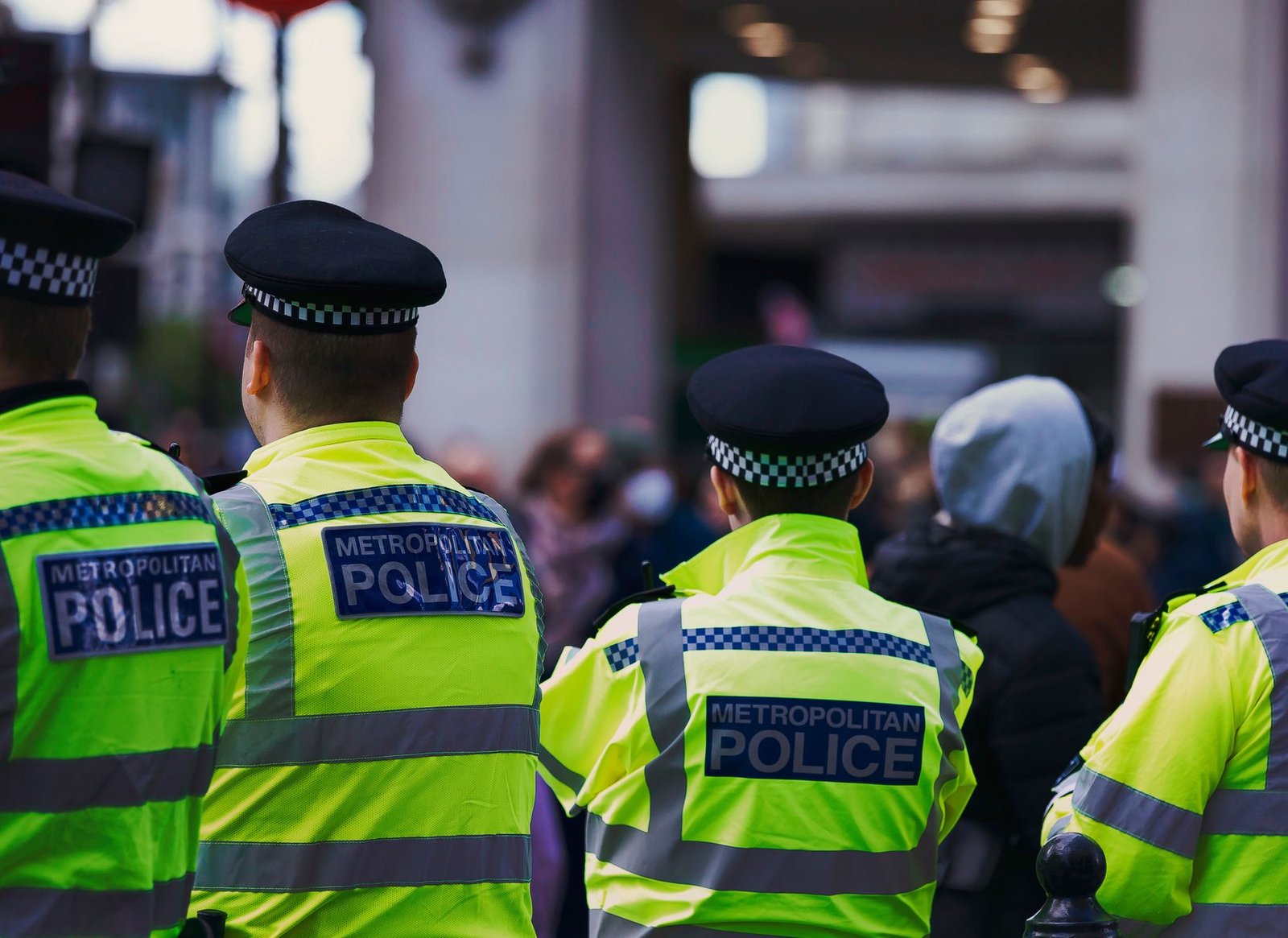
During the run, keep your focus tools simple: affirmations like “I’ve got this,” or a dedicated “why” you repeat when your mind tries to escape. The crowd can be loud, but your inner script stays quiet.
Recover With A Done-Running Plan, Not A Post-Race Guess
Race-day intensity lingers if you treat recovery as optional. Your nervous system still needs a come-down, not another hour of stress browsing, scrolling, or standing around in the same chaotic spaces.
Plan your finish strategy: stretch gently, walk slowly, and rest. Then do something restorative for you, even if it is simple. When you protect recovery, you reduce next-race fear because your brain learns that effort ends with relief.
How To Manage Race-Day Nerves When You Hate Crowds In London?
How Can I Reduce Race-Day Nerves Before I Reach the Start Line in London?
Keep your morning steady by rehearing your wake-up, meals, and kit routine the night before, then follow the same steps on race day without adding anything new.
How Do I Plan My Journey in London to Stay Calm Around Crowds?
Choose a route you already know, leave extra time for traffic and delays, and aim to arrive early enough that you feel unhurried before you need to queue or find friends.
What Should I Eat and Drink to Manage Race-Day Nerves When I Hate Crowds?
Stick to pre-race food and hydration you have tested before, keep portions consistent, and avoid trying new gels, drinks, or supplements on the day.
How Can I Cope With Crowd Stress During a Race in London?
Use a focus strategy that pulls attention away from the crowd, like scanning mile markers or water stations, and quiet your body with slow breathing when you feel your nerves spike.
How Should I Prepare My Gear and Contacts for a London Race?
Pack your race kit the day before, double-check essentials and safety details, store emergency contact information where it is visible, and charge devices so you are not scrambling at the start.
How Do I Recover After the Finish Line When Crowd Anxiety Still Lingers?
Do a gentle walk and light stretching, drink and rest, then switch into a calm activity with friends or family so the intensity fades instead of carrying into the rest of your day.
Own Your Start With A Calm Plan
If you want to know how to manage race-day nerves when you hate crowds in London, the answer is simple: take control of what you can, rehearse the day, and remove surprises before the starting gun. Pre-plan your route, meals, hydration, gear, and device charging, then protect your focus with tested routines, early calm, and a clear “if, then” plan for rough moments. When the crowd energy hits, keep your attention on your own cues and break the race into the next manageable target. You cannot erase nerves, but you can steer them, and that’s the difference between getting through the start and owning the finish.

I am Ozan, a London-focused running writer and marathon enthusiast with a passion for helping people discover the city’s best races, running routes, walking trails, and fitness events. I research and write practical, up-to-date guides covering marathons, race preparation, training tips, running gear, and everything related to staying active in London.
My goal is to create reliable, easy-to-follow content that helps runners and walkers of all experience levels explore London with confidence, whether they’re preparing for their first 5K or their next marathon.