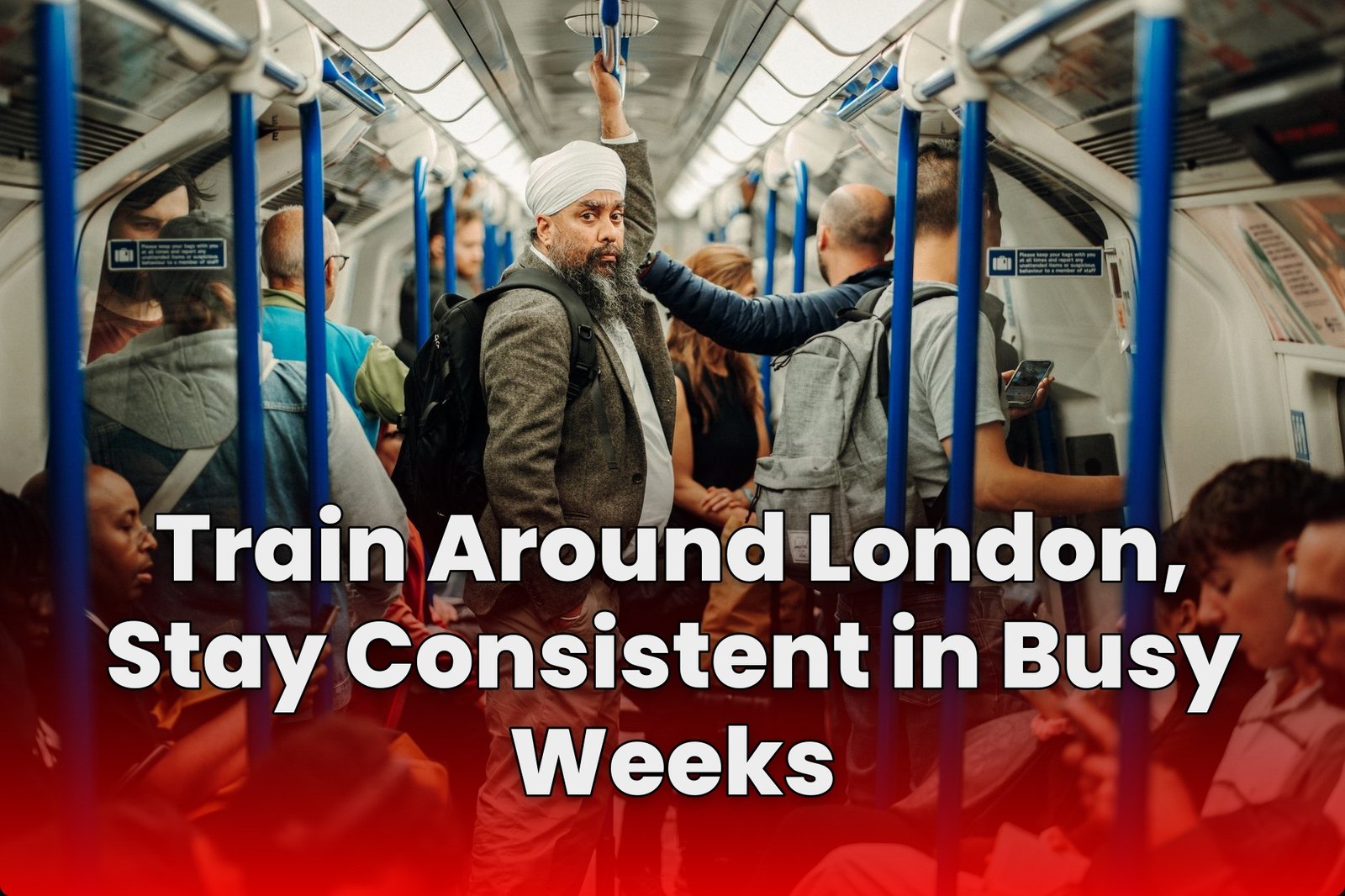
Consistency beats improvisation when London travel gets crowded. If you plan like every week will be calm, busy days will always break your routine, and the stress will show up as missed connections, awkward platforms, and unnecessary detours.
To stay consistent, you need to reduce friction before you ever leave home. Use Transport for London journey tools or the TfL Go app to lock in your route, aim for less busy timing when you can, and remember that hauling a heavy rucksack or traveling in a group is exactly when “just wing it” turns into wasted minutes.
On the day, keep the system simple: pay as you go with a Visitor Oyster card or contactless, touch in at the correct point for Tube and DLR and touch out at the end of the journey, and follow the separate rules for buses and trams. When you move through stations, board with your bag positioned for quick access and use escalators correctly, because small habits like those make peak-hour travel feel predictable instead of punishing.
Route Planning Before Platform Stress
If you want reliable how to train around London travel on busy weeks, you do not start at the ticket gate. You start on the phone, choosing routes that reduce friction before you ever face a packed platform. That means using Transport for London’s journey planner or TfL Go to map alternatives and expected transfers.
And yes, Tube services are frequent. That is exactly why planning still matters. You are not trying to find the fastest possible trip. You are trying to avoid the one transfer that turns a manageable delay into a stressful wait.
- Pick a primary route and one backup transfer
- Check how long your connection realistically takes
- Schedule movement around peak congestion when possible
Touch In Correctly Or Pay Twice
Consistency fails when you treat touch rules like suggestions. On the Tube, DLR, Overground, and Elizabeth line, and on most National Rail journeys, you must touch in at the yellow readers and touch out at the end. One missed touch can create extra cost and extra confusion.
Ask yourself a blunt question: when you are already rushing, why gamble on perfect memory? Use the same pattern every time, and let the system do the math.
Skip The First-Train Panic
Busy weeks create an illusion that you must sprint for the very first service. You usually do not. Tube frequency is high enough that waiting a little can save you from the worst crowding without harming your schedule.
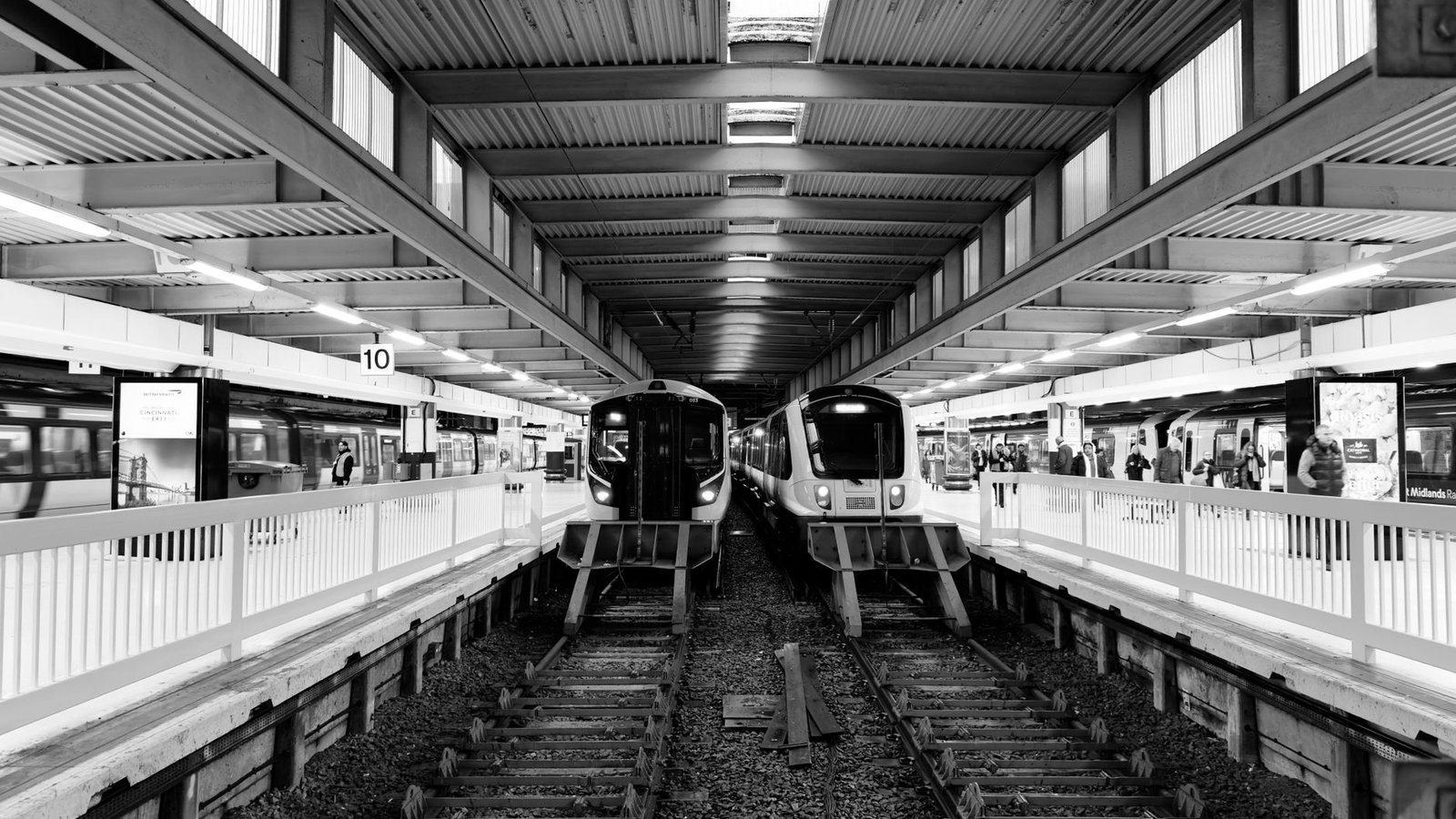
When services are frequent, the goal is not “earliest,” it is “predictable.”
So stop planning like a hostage negotiator. Add a small buffer, board at a calmer rhythm, and arrive with the time you actually need, not the time you think you must steal.
Escalator Etiquette Keeps The Flow
Platform rules are not moral lessons. They are practical tools for keeping people moving, especially when stations compress everyone into the same bottleneck. Stand on the right on escalators and keep space clear for passengers moving quickly.
Then comes the part too many people ignore: stand behind the yellow line and move along the platform to board smoothly. If you block boarding, you do not just slow yourself. You force everyone behind you into the same stop-start pattern.
Heavy Luggage Time Slots Matter
Carrying a heavy luggage/rucksack during peak congestion turns a normal commute into a physical obstacle course. The fix is not stronger willpower. The fix is timing and technique, including choosing less busy times when you can.
Group travel makes this worse. If you are traveling together with multiple bags, the crowd is not just in the air. It is in the aisle, at the barrier, and in the space where people swing their luggage. Don’t pretend that peak equals normal. It is not.
A Busy Week Backup System
Planning is not about finding one perfect route. It is about building a backup system you can execute without thinking. If you want to sanity-check the basics, start with top travel tips and then write your own rules for your typical week.
Use a simple decision grid so you never improvise while stressed.
| Situation | Decision Rule | Target Buffer (Minutes) |
|---|---|---|
| Missed Connection | Switch to backup route | 10 |
| Platform Overcrowded | Wait 1-2 services | 8 |
| Luggage Bottleneck | Board via nearest door | 12 |
| Change of Line | Recheck interchange walk time | 15 |
| Group Split Risk | Agree on meeting point | 5 |
This is how staying consistent on busy weeks stops being a wish. You pre-commit to actions, so delays do not rewrite your plan in real time.
Transfers Are Where Consistency Dies
Travelling “between lines” sounds simple until your timing is wrong. Transfers are where crowds surge, signage conflicts, and walking speed becomes unpredictable. If you build your plan using transfer times that ignore reality, your day will feel like it is being negotiated after every platform announcement.
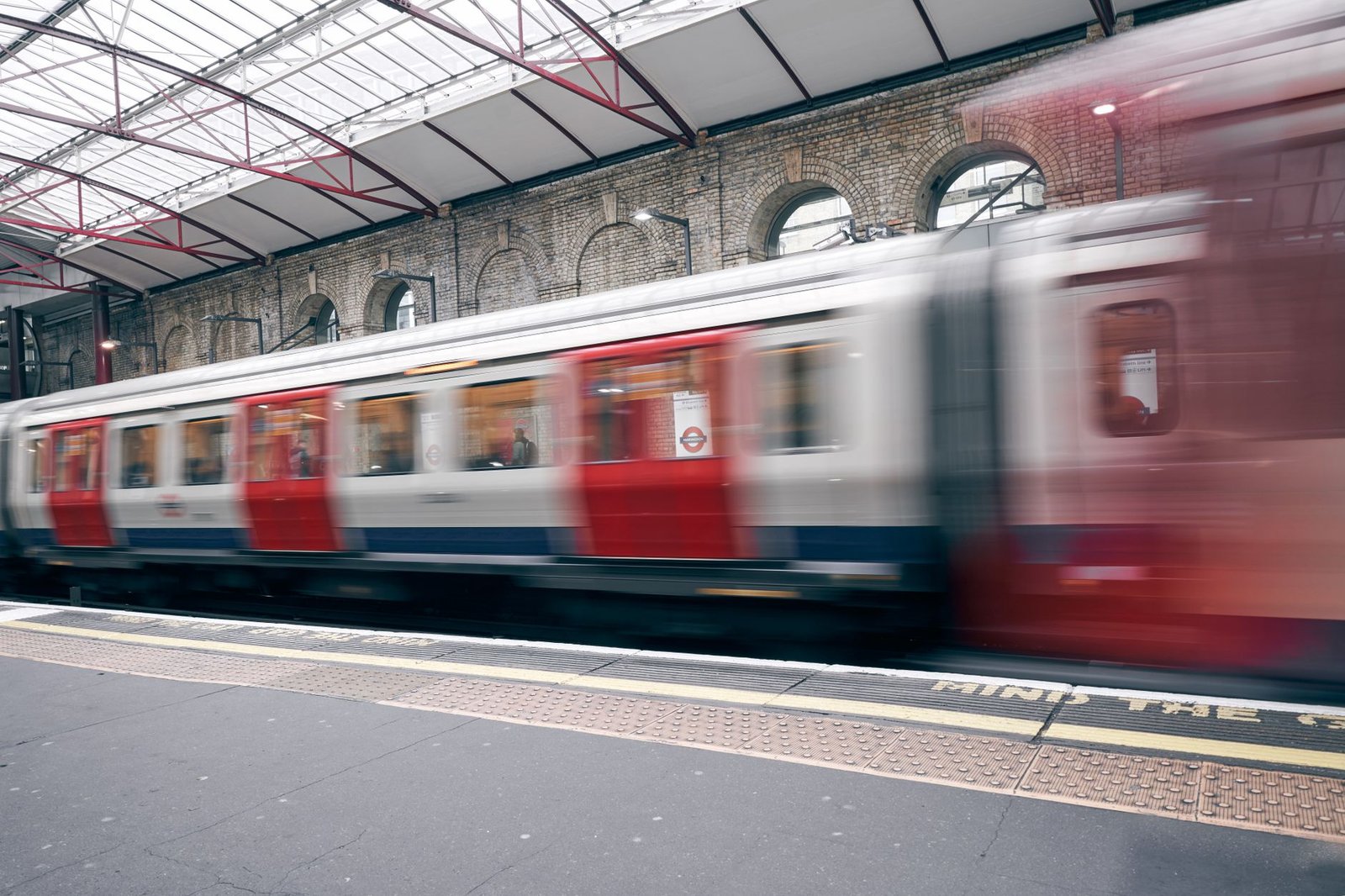
Consistency means you protect the transfer, not just the origin and destination. Choose connections that keep walking distance manageable and reduce the number of times you must cross the station under pressure.
Use Real-Time Updates Without Chasing Every Glitch
Real-time updates are useful, but only if you apply them with discipline. Constant checking turns you into the passenger version of a panicked news addict: you react to every wobble, and you arrive less prepared than you were.
Instead, check at key moments: before you leave, after a major transfer, and when your route changes materially. If the update does not force a decision, treat it as information, not a command.
Coordination For Groups Without Crowd Chaos
Group travel collapses when everyone assumes everyone else will adapt. Consistency requires a shared plan that survives delays. Decide who leads, where you regroup if you lose each other, and what counts as a “late enough” moment to wait versus reroute.
The best group coordination does not look dramatic. It looks like calm agreement, repeated before you step into the station rush.
Rucksacks On The Move Not In The Way
When you travel with a rucksack, how you carry it determines whether boarding feels smooth or hostile. Remove it when you board and place it by your feet. That small change reduces hazards, speeds up entry, and prevents the bag from clipping other passengers in tight carriages.
Want a practical test? If your bag forces people to sidestep to make room, your system is failing. Fix the setup before you reach the door, and your whole journey becomes easier.
Choose Payments That Don’t Break Habits
Pay-as-you-go works when you commit to one payment method and stick with it. A Visitor Oyster card is straightforward, and contactless debit or credit cards plus mobile wallets like Apple Pay and Google Pay can be just as smooth. The key is that you do not switch mid-journey or half-way through the week.
Also remember the logic behind daily caps. They vary by zones, so the same route pattern you always use will usually produce predictable costs. Inconsistent payment habits can turn “simple” into a paperwork headache.
Buses And Trams Have Different Touch Rules
On buses and trams, touch rules change. You touch in only. People miss this because they assume the Tube pattern carries over. It does not, and the mistake is avoidable with one mental rule: bus and tram are “touch in, then go.”

That difference matters even more on busy weeks, when you are already managing crowd density and timing. Correct procedure is not pedantry. It is the shortest path to a calm finish.
The Checklist That Prevents Small Mistakes
Consistency does not come from optimism. It comes from repeatable steps that remove decision fatigue. The easiest way to protect your week is to run a tiny checklist before you enter the station or board the vehicle.
- Have your payment ready and accessible
- Confirm touch method and rule set for that mode
- Know your backup route and meeting point if traveling with others
Follow those steps, and your travel stops being a daily gamble. You keep routines reliable, and even peak periods feel manageable because you are not relying on luck.
How Can You Stay Consistent When Traveling Around London by Train on Busy Weeks?
How Can You Plan Your Train Around London Travel to Stay Consistent During Busy Weeks?
Use the TfL journey planner or the TfL Go app to choose routes in advance, check for service changes, and save a backup option so you can switch quickly without breaking your routine.
When Is the Best Time to Travel Around London by Train on Busy Weeks?
If you can, travel outside peak hours to reduce crowding and delays, especially when carrying heavy luggage or moving in a group where getting on and off quickly matters.
What Ticketing Option Helps You Stay Consistent on London Trains During Busy Weeks?
Pay as you go with a Visitor Oyster card or a contactless debit/credit card, Apple Pay, or Google Pay, keeping in mind daily fare caps that vary by zones to avoid surprises.
Which Touch-In and Touch-Out Rules Should You Follow for Train Around London Travel?
Touch in at the yellow readers at the start of Tube, DLR, Overground, Elizabeth line, and most National Rail journeys, then touch out at the end; for buses and trams, touch in only.
How Do Escalator and Platform Habits Support Consistency on Busy London Weeks?
Stand on the right on escalators, keep clear space for passengers moving quickly, and use the platform flow by staying behind the yellow line and moving along as you approach boarding.
How Should You Manage a Rucksack or Heavy Luggage to Stay Consistent on London Trains?
When you board, remove your rucksack and place it by your feet so you move smoothly through gates and carriages, and keep your essentials ready to avoid last-second delays.
Stay Consistent Through Busy London Train Weeks
If you’re working on how to train around london travel: staying consistent on busy weeks, the fix is simple and practical: plan ahead with the TfL journey planner or TfL Go app, choose routes that avoid the worst peaks when you can, use a Visitor Oyster card or contactless with the correct touch in and touch out rules, and keep your station routine steady with clear escalator and boarding habits, even when you’re carrying luggage or traveling with others. Consistency is a choice you make before the platform gets crowded.

I am Ozan, a London-focused running writer and marathon enthusiast with a passion for helping people discover the city’s best races, running routes, walking trails, and fitness events. I research and write practical, up-to-date guides covering marathons, race preparation, training tips, running gear, and everything related to staying active in London.
My goal is to create reliable, easy-to-follow content that helps runners and walkers of all experience levels explore London with confidence, whether they’re preparing for their first 5K or their next marathon.