Marathon readiness is built by rehearsing speed, not by constantly chasing pain. The training mistake people make is treating fast running as an all-or-nothing affair, when the role of strides and short sprints in marathon readiness is really about controlled neuromuscular practice. Strides sharpen efficient mechanics with low fatigue, while short sprints deliver a higher-intensity signal that can help protect and recruit the fast-twitch fibers you will lean on when race pace inevitably tightens.
Here is why this works: strides “wake up” your system by adding brief bouts of fast, relaxed running that improve running economy and coordination without the heavy recovery cost of full interval sessions. Short sprints then act like a targeted top-end reminder, building confidence in acceleration and turnover. Done strategically, they bridge the gap between endurance volume and race-day speed, so you arrive at your marathon less drained and more responsive.
The honest take is that more intensity is not the goal. If you stack too many near-all-out efforts, fatigue and injury risk rise fast, and the marathon benefits get buried under recovery debt. In this article, I will argue for smart dosing: use strides frequently enough to groove form and efficiency, and add short sprints sparingly enough to sharpen the fast finish without derailing your long-run consistency.
Marathon Fitness Needs Speed Off the Leash
Here is the hard truth behind the role of strides and short sprints in marathon readiness: if your plan never practices fast running, you will eventually run the marathon with slow mechanics that your body cannot sustain. Distance training builds stamina, but stamina alone does not guarantee the coordination, leg stiffness, and quick force that efficient marathoning requires.
Strides and short sprints are not luxuries. They are targeted speed doses that keep the running system responsive while your weekly mileage does the heavy lifting. Would you expect a sprinter to improve by only jogging long distances? Then why demand the same from marathoners?
Strides Warm Up the Nervous System, Not the Ego
Strides are short, controlled accelerations that gradually build to around 85 to 95 percent of maximum speed, hold briefly, then decelerate. They typically last 15 to 30 seconds and cover roughly 50 to 100 meters, with smooth form and full enough recovery to keep the mechanics crisp.
The goal is not to gas yourself. The goal is to “wake up” the neuromuscular system so your stride frequency and leg action feel snappy. When people confuse strides with mini-intervals, they turn a low-fatigue rehearsal into another fatigued workout that steals recovery from the true marathon work.
Economy Improves When Mechanics Stay Fast and Relaxed
Marathon readiness is not only about how long you can run. It is about how cheaply you can run once fatigue arrives. Strides help running economy by reinforcing the relationship between stride frequency and stride length, reducing wasted vertical motion, and promoting a more springy pattern that supports better elastic energy return.
When the nervous system practices fast mechanics frequently, you are more likely to keep form under load. That means fewer “sloppy” steps in the final 5K, when many runners lose rhythm and start paying for every mile with extra effort.
Fast form practiced gently often beats fast form practiced rarely.
Fast-Twitch Preservation Beats Blind Endurance
Long mileage targets slow-twitch endurance. The problem is not that endurance disappears. The problem is that without some higher-velocity stimulus, the fast-twitch system can become less willing to fire. That is why strides matter even for marathoners who never plan to “race fast” in training.
Strides and short sprints provide a sufficient high-velocity stimulus to support fast-twitch function and fatigue-resistant behavior, often described as maintaining the capability to operate across fiber types such as IIx shifting toward IIa-like performance. Translation is simple: you keep the ability to produce quick turnover when the marathon turns hard.
Strides and Short Sprints Are Different Tools
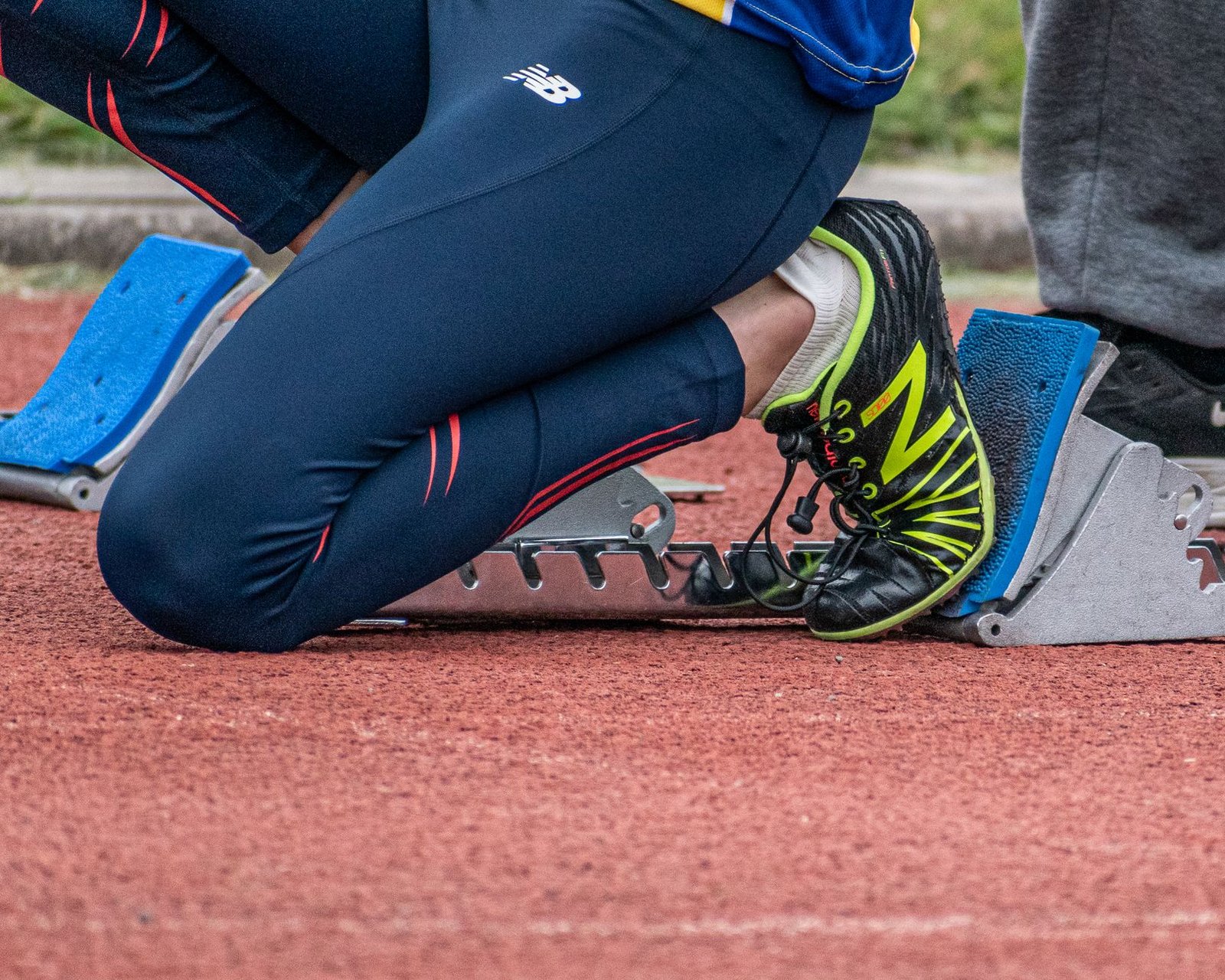
Strides and short sprints both involve fast running, but they do not serve the same purpose. Strides are controlled and repeatable, designed for low fatigue and frequent use. Short sprints are higher intensity, typically 10 to 15 seconds, often near all-out with full recovery, and they sharpen top-end speed and fast-twitch activation.
That intensity comes with higher fatigue and injury risk. The best marathon plans respect that difference. If you treat strides like sprints, you lose the very advantage strides provide: speed practice that does not wreck the next quality session.

Dose Speed Like a Pharmacist
Speed training works when it fits the physiology and the schedule. For strides, that usually means staying smooth, stopping short of strain, and using enough recovery to keep each rep technically clean. For short sprints, it means fewer reps, higher emphasis on full intent, and more respect for recovery.
A practical way to choose the right dose is to match the session to the outcome you want on race day.
| Session Attribute | Strides Guideline | Short Sprints Guideline |
|---|---|---|
| Target Intensity | 85 to 95 percent max speed | Near all-out |
| Rep Duration | 15 to 30 seconds | 10 to 15 seconds |
| Distance Per Rep | 50 to 100 meters | About 20 to 40 meters |
| Recovery | 60 to 90 seconds easy | Full recovery, often 2 to 5 minutes |
| Typical Frequency | 1 to 2 times weekly, up to 3 to 4 for advanced | Less frequent, usually every 1 to 2 weeks in build phases |
Here is the editorial point: if you cannot repeat good mechanics, you took too much speed. Reps are not medals. Clean, relaxed accelerations are the product you are buying.
Fatigue-Proof Work for Heavy Mileage Weeks
During heavy mileage blocks, traditional speed sessions often become harder to tolerate. That is exactly when strides shine. They let you add fast stimulus without turning your legs into a liability for your next run.
Many runners also benefit from placing strides at the end of an easy run when their legs are tired but not destroyed. Coaches often summarize stride programming approaches in practical formats such as running strides guidance, because the real success factor is simple: consistency with low disruption.
Progress the Form Cue From Easy to Tired
Strides should feel like controlled rehearsal, not chaos. Start with a manageable quantity such as 4 × 20-second strides, then progress toward around 6 to 10 strides per session as long as form stays smooth and the acceleration remains coordinated.
Progression is not just volume. It is quality under mild fatigue. When you append strides to the end of an easy run, the challenge becomes maintaining posture, relaxation, and quick turnover when your rhythm might slip. That is marathon-specific training, because the late race problem is coordination failing under wear.
Recovery Rules Keep Strides Useful and Sprints Safe
Strides require enough recovery for the nervous system to deliver each rep sharply. If you shorten recovery to chase intensity, you no longer practice fast mechanics. You practice fatigue, which defeats the purpose.
Short sprints demand even more respect. Because they are near-maximal bursts, they carry more fatigue and injury risk. The rule is straightforward: stop early if technique breaks, and step back immediately during any acute soft-tissue issues. Speed without safety is just faster damage.
Periodization for Marathon Training Blocks
Speed should not be random. Strides are generally easier to maintain across a season and can be used once or twice weekly. Short sprints should be more deliberately placed during build phases when you can handle higher intensity without undermining key workouts.
In marathon peak weeks, you scale volume and keep the stimulus. You do not need to “prove” speed with brutal sessions. You need to arrive with legs that still know how to move efficiently when the pace changes and the crowd noise fades.
How to Judge Success Without Vanity Splits
Many runners obsess over a single workout statistic. That is a trap. The best indicator of strides and sprints doing their job is not whether one session looks impressive. It is whether your economy improves, your stride feels smoother at steady efforts, and your late-race turnover holds longer.
If you want measurable signals, track simple outcomes: how quickly you recover between reps, how your posture holds, and whether easy runs feel more controlled. A meta-level question matters more than a single speed number. Can you run relaxed fast when it counts?
A Marathon Plan Should Budget for Quick Feet
Marathon readiness requires endurance, yes. But it also requires an engine that can shift gears without falling apart. Strides and short sprints are the most cost-effective way to keep that engine responsive while mileage does its work.
So stop treating speed as an optional garnish. Budget it deliberately, dose it intelligently, and prioritize repeatable mechanics. Your marathon time will not be saved by suffering, but it can be improved by smart speed that your body can actually absorb.
Do Strides and Short Sprints Improve Marathon Readiness?
How do strides and short sprints support marathon readiness?
Strides and short sprints improve marathon readiness by rehearsing fast, efficient running mechanics and activating neuromuscular systems without the full fatigue of longer intervals, which can enhance running economy, coordination, and the ability to recruit quick, powerful leg turnover when needed late in the race.
What are strides (stride-outs/striders) and how should they be done for marathon readiness?
Strides are short, controlled accelerations that gradually build toward near-fast speed, then hold briefly with smooth form before gently slowing, typically lasting about 15–30 seconds and covering roughly 50–100 meters, with full easy recovery so you stay relaxed and move efficiently.
How do short sprints differ from strides for marathon training and fast-twitch activation?
Short sprints are higher-intensity, near all-out bursts (often around 10–15 seconds) that more directly sharpen top-end speed and fast-twitch activation, but they create more fatigue and carry higher injury risk than strides, so they’re best used strategically rather than as frequent “tolerance” work.
How often should runners include strides and short sprints in a marathon plan?
Many runners benefit from strides about once or twice per week (and sometimes up to a few times for advanced runners), while short sprints are usually used less often and with clearer targeting, especially during marathon build phases when overall mileage and recovery demands are high.
When is the best time to do strides and short sprints for marathon readiness?
Strides are commonly placed as a warm-up “wake-up” before a harder session or race, and they can also be appended to the end of an easy run to practice form on tired legs, whereas short sprints are best scheduled when you’re fresh enough to hit quality intensity without breaking mechanics.
What safety tips help you progress strides and short sprints for marathon readiness?
Progress slowly, prioritize relaxed mechanics over maximal effort, use full recovery between reps, and stop or scale back at the first sign of sharp pain or lingering soreness; if you’re managing an injury or stiffness, start with easier strides or skip sprints until you can run smoothly and comfortably.
Run Smarter With Strides And Short Sprints
The role of strides and short sprints in marathon readiness is clear: strides keep your mechanics sharp and your neuromuscular system ready with minimal fatigue, while short sprints add the high-end stimulus your body needs to stay fast without turning every session into a battering ram. Use strides regularly, often once or twice a week in steady doses, then add a small, carefully recovered sprint component only when your marathon build can tolerate it. If you do that, you will carry efficient form into race day and finish with more speed in reserve, not just endurance on empty.

I am Ozan, a London-focused running writer and marathon enthusiast with a passion for helping people discover the city’s best races, running routes, walking trails, and fitness events. I research and write practical, up-to-date guides covering marathons, race preparation, training tips, running gear, and everything related to staying active in London.
My goal is to create reliable, easy-to-follow content that helps runners and walkers of all experience levels explore London with confidence, whether they’re preparing for their first 5K or their next marathon.