Interval cool-down timing in London, how long is long enough? If you treat cooldowns like an afterthought, you will feel it later. The hard part gets the glory, but the cooldown is what brings your heart rate down safely, lets your breathing settle, and keeps tomorrow’s legs from turning into concrete.
For most interval sessions, “long enough” usually means at least five minutes of easy movement, like walking or gentle jogging, so your cardiovascular strain can drop. But five minutes is the bare minimum, not the finish line. If you can manage it, aim for 10 to 15 minutes total to complete that easy normalization and still fit in static stretching while your muscles are warm, plus some relaxed breathing.
My rule is simple: keep going until your heart rate drops below about 120 BPM, and ideally below 100 BPM before you sit or lie down. For easy runs you might get away with 5 to 8 minutes, but moderate efforts often need 8 to 12, and higher-volume or HIIT sessions usually benefit from 10 to 15. Set a timer and commit to the process; the payoff is how much better you recover, even if London weather tries to rush you indoors.
Cool-Down Is Not Optional If You Want Interval Fitness
Interval work asks your body for intensity, then your job is to get it back to normal. Skipping the cool-down because you feel “done” trains the wrong skill: stopping abruptly, not recovering smoothly.
Cardiovascular stress does not vanish the moment you stop running. If your heart rate is still elevated, your system stays in a high-output state while you stand around, hydrate, or rush off. That is why interval cool-down timing in London matters. The city does not control your physiology, but it can tempt you to cut the process short.
“Long enough” means your body has actually come down from the effort, not that you have checked a box.
So ask yourself this: if you cannot point to a target, how can you claim your cool-down was “long enough” for real?
Five Minutes Is a Minimum, Not a Victory Lap
For an interval cool-down, 5 minutes of easy movement is the baseline. In London, that often turns into a quick walk from the final marker to the Tube. It is a start, but it is not a finish.
The problem with treating 5 minutes as sufficient is that it leaves no room for deeper cardiovascular normalization and warm-muscle stretching. The physiological goal is to bring your heart rate down before fully stopping. If you sprint, then walk for only 5 minutes, you may still be above the threshold you need.
If static stretching is on the agenda, 5 minutes usually is not enough time for muscles to stay warm and relaxed.
Track the One Number That Tells the Truth About Recovery
If you want an evidence-based answer to “how long is long enough,” use heart rate. A practical target is to keep moving until your heart rate drops below about 120 BPM before you fully stop. Ideally, aim for below about 100 BPM before you sit or lie down.
This is not math for math’s sake. Heart rate is a simple proxy for cardiovascular strain. When you stop too early, you interrupt normalization and carry intensity residue into the rest of your day.
Do you really want to guess your recovery when one wearable metric can guide it?
Warm Muscles Need Warm Stretching, Not Cold Stretching
Stretching works better when your muscles are still warm and blood flow is settled. That is why a cool-down that ends too quickly often produces “stretching that feels fine” but fails to deliver the relaxation you expect.
In practice, 10 to 15 minutes of easy movement can create enough time for static stretching while muscles are still warm plus relaxed breathing. That breathing matters because it teaches your body to downshift after intervals, instead of staying keyed up.
Want a rule you can follow? If you plan to do meaningful static stretching, do not treat the cool-down as a token walk.
London Reality Demands Timing Discipline, Not Street Improvisation
London adds friction to interval cool-downs. Crosswalk cycles, bus lanes, crowds near parks, and the urge to “just get out of the way” all push you toward abrupt stopping. That is how a smart session becomes a messy finish.
If you plan to cool down, plan the space too. Choose a loop where you can continue easy movement for 10 to 15 minutes without constantly dodging pedestrians or stopping at lights every few blocks.
Here is the editorial truth: if the route forces interruptions, it will skew your heart rate targets. Your cool-down timing in London cannot be an accident.
Use This Interval Cool-Down Timing Guide That Fits the Physiology
Stop asking whether you “feel recovered.” Use time targets and heart-rate gates. This is the most reliable way to answer interval cool-down timing in London: how long is long enough?
| Effort Level | Cooldown Time | Heart Rate Target |
|---|---|---|
| Easy | 5 to 8 min | Below ~120 BPM |
| Moderate | 8 to 12 min | Below ~120 BPM |
| High Volume or HIIT | 10 to 15 min | Ideally below ~100 BPM before sitting |
| Minimum Acceptable | 5 min easy movement | Start stretching only after further downshift |
| Stretch-Ready Finish | 10 to 15 min | Breathing relaxed and calming |
Runners World notes that interval sessions still require a structured transition to bring the body down, especially when intensity was high, and this aligns with interval training guidance on how interval work affects effort and recovery.
So aim for movement until your heart rate drops into the target zone. If you want stretching, extend the cool-down. That is how you turn “I finished” into “I recovered.”
Don’t Drop to Zero Until Your Body Says It’s Ready
There is a difference between finishing a workout and finishing the physiological job. Your cool-down should prevent the abrupt drop that leaves you jittery, tight, or strangely “flat” later.
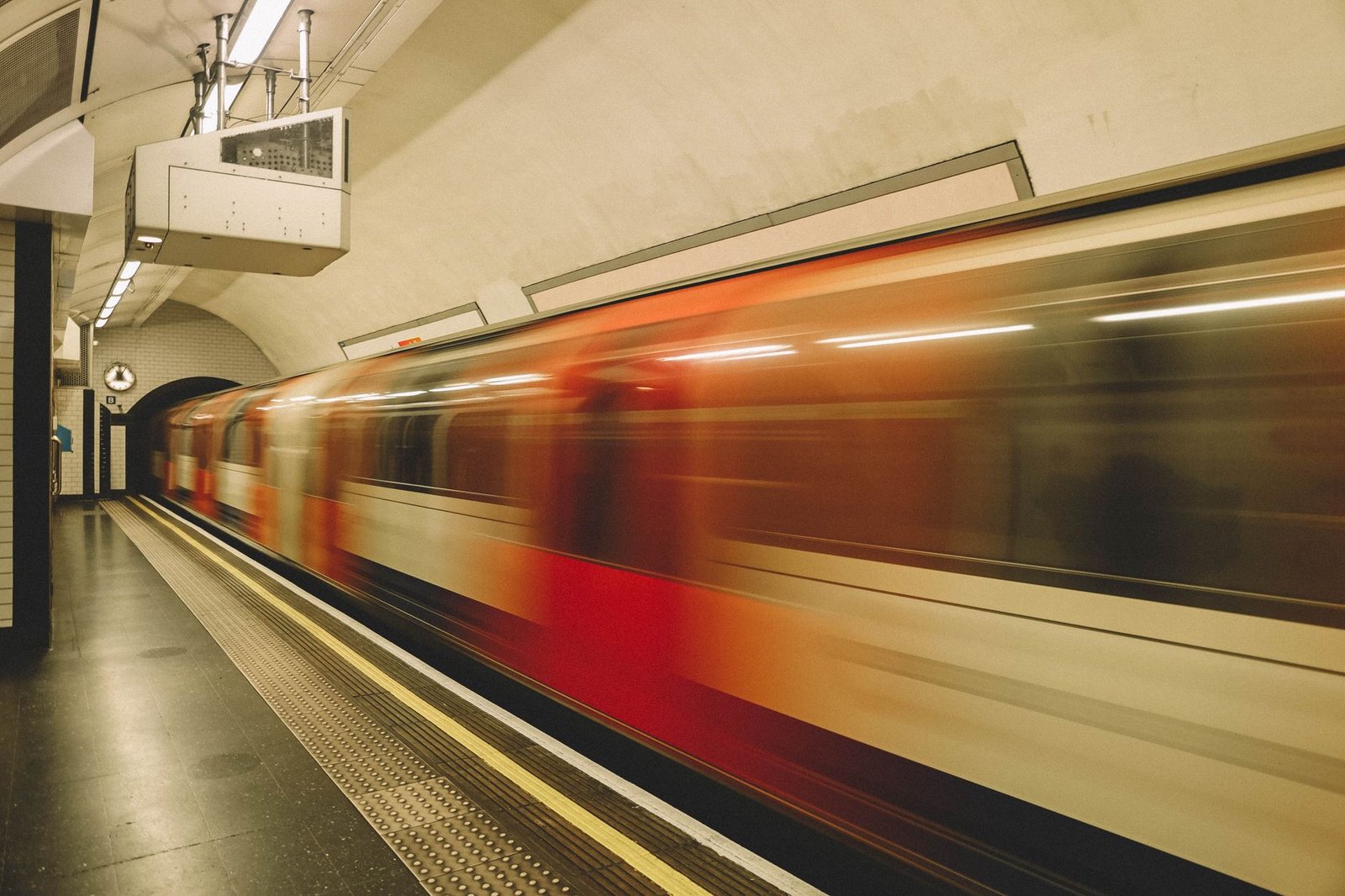
Keep moving with easy movement until your heart rate falls under your stopping threshold. Then, if you stretch, do it while muscles are warm and breathing is relaxed. A cool-down that ends too early forces you to choose between standing stiffly or stretching when you should be settling.
Why start static stretching when your cardiovascular system is still revving?
Intensity Predicts Time: Easy, Moderate, and High Demand Different Cool-Downs
One-size cool-downs are how people end up disappointed. The body responds differently depending on how hard the intervals were, how long the total session was, and how heavy the effort felt.
Practical timing works like this. At most, use 5 to 8 minutes for lighter efforts, 8 to 12 minutes for moderate efforts, and 10 to 15 minutes for high-volume work, HIIT, or heavy sessions. Those ranges are built around the cardiovascular normalization goal, not around convenience.
Want a standard you can defend? The baseline is simple: never skip the cool-down. At minimum, set a 5-minute timer for easy movement.
Skipping Cool-Down Turns Training Into a Longer Recovery Tax
When you cut the cool-down short, you pay later. The bill shows up as stiffness, reduced next-session freshness, or a nagging sense that you have “forgotten how to relax” after intensity.
It is tempting to claim the body feels fine, especially right after intervals. But physiology is not a mood check. If your heart rate did not come down, you have not completed the downshift process.
Adapting to intervals requires repetition. A short cool-down that leaves you under-recovered makes repetition harder and slows the progress you want.
Hard Interval Days Must Not Stack Like Dominoes
Cooldown timing does not fix the bigger scheduling mistake: stacking hard days back to back. Interval work is demanding, and your recovery system needs time to absorb the stress.
Between hard interval workouts, avoid consecutive hard days and plan at least one easy day. Many runners do better with 2 to 3 easy days between harder sessions, depending on volume and how your legs respond.
Ask yourself: are you scheduling intensity, or scheduling fatigue?
Build Your Week Around Easy Days That Actually Feel Easy
Easy days are not paperwork. They are the mechanism that protects your next interval session. In London, easy can also get distorted by hills, fast pedestrian traffic, or the temptation to “keep the pace moving.” If the day is meant to be easy, it has to be controlled.
- Keep intensity low enough that you can breathe comfortably and finish feeling better than you started.
- Use those days to absorb the interval stimulus, not to chase a workout.
This is where consistent interval training becomes realistic. You cannot demand quality intervals while refusing to schedule the easy time that makes them possible.

How to Know Your Cool-Down Was Long Enough Today
“Long enough” is measurable. If you hit the heart-rate targets, you likely completed cardiovascular normalization. If you extended cool-down time for warm stretching, you matched the timing your body needs to settle.
Use the day’s outcome as a feedback loop. After the session, do you feel stiff and tense, or do you feel calm and ready for the next routine? Do you recover quickly enough to repeat the week plan? Those answers tell you whether your cool-down timing is aligned with the effort you just created.
Your cool-down is the bridge between training load and adaptation.
So choose the bridge length that fits the work. For most hard interval sessions, that means 10 to 15 minutes when you can, and never less than a 5-minute easy-movement minimum.
Stop Asking for Motivation and Start Using a Timer
London runners do not need more slogans. They need a repeatable protocol that protects productivity and recovery. If your cool-down depends on how busy the route is or how you feel in the final 30 seconds, it will drift.
Set a timer. Move easy until your heart rate drops under your stopping threshold. If you plan static stretching, give it enough time by extending the cool-down into the 10 to 15 minute window. That is “long enough” because it is tied to what your body actually requires.
How long is long enough? Long enough to come down, long enough to stretch while warm, and long enough to leave the next day intact.
Interval Cool-Down Timing In London: How Long Is Long Enough?
How Long Should You Do Interval Cool-Down Timing In London After Speed Work?
Plan for at least 5 minutes of easy movement after your interval set, and aim for 10 to 15 minutes if you want time for cardiovascular recovery and still-warm static stretching.
What Heart Rate Target Shows The Interval Cool-Down Is Long Enough?
Finish the cool-down once your heart rate drops below about 120 BPM, and ideally below about 100 BPM before you stop and sit or lie down.
How Should You Structure An Easy Cool-Down After Intervals In London?
Use a gradual taper from jogging to walking, then finish with relaxed movement so your breathing settles; this usually means 5 to 8 minutes after light efforts and 8 to 12 minutes after moderate efforts.
How Much Static Stretching Can You Do During Interval Cool-Down Timing?
If you do static stretching, do it after the heart rate comes down and only while muscles still feel warm, which is why 10 to 15 minutes is more realistic than a 5-minute timer.
How Long Is Long Enough For Cool-Down After HIIT Or Heavy Intervals In London?
For high-volume work, HIIT, or heavy sessions, allow about 10 to 15 minutes of cool-down so your body fully normalizes before you stop, especially if the workout was intense.
How Should Interval Cool-Down Timing Fit With Rest Days Between Hard Workouts?
Cooldowns are separate from recovery between sessions, so avoid back-to-back hard days and include at least one easy day between intense interval workouts, with many people feeling best with 2 to 3 easy days.
How Long Is Long Enough For Interval Cool-Downs In London
For interval cool-down timing in london: how long is long enough?, 5 minutes of easy movement is the minimum, but 10 to 15 minutes is where muscles actually cool down and static stretching plus relaxed breathing make sense. Keep walking or gentle jogging until your heart rate drops under about 120 BPM, and aim for under 100 BPM before you sit or lie down. Skip the cooldown and you invite unnecessary soreness and stiffness, so start the timer and finish the process every time.

I am Ozan, a London-focused running writer and marathon enthusiast with a passion for helping people discover the city’s best races, running routes, walking trails, and fitness events. I research and write practical, up-to-date guides covering marathons, race preparation, training tips, running gear, and everything related to staying active in London.
My goal is to create reliable, easy-to-follow content that helps runners and walkers of all experience levels explore London with confidence, whether they’re preparing for their first 5K or their next marathon.