Wind is the one variable you cannot “power through” on race day, so strategy beats stubborn pacing. If you want the London Marathon to feel easier, stop pretending the course is the same for everyone. The wind direction changes how hard each mile hits your body, and your plan should reflect that reality instead of chasing a flat-course fantasy.
London Marathon wind direction planning is about exposure, not optimism. Check the forecast for wind speed and direction, then think in sections: bridges, waterfronts, open fields, and long straight stretches are where you pay the biggest air-resistance tax. Sheltered parts, tree-lined areas, and tighter urban blocks often let you recover, so your effort should swing with the wind rather than stay frozen to a single target pace.
Here is the key mindset shift that makes the course feel easier: manage energy like a bank account. Run by effort on headwind miles, keep your form compact, and avoid fighting the air with tension. Use tailwind stretches to feel smoother and quicker, and when conditions allow, consider drafting to reduce the wind penalty. This is not cheating, it is smart physics plus controlled pacing, and it turns “surviving the wind” into a plan you can actually execute.
Stop Chasing Flat Paces in a Wind City
London Marathon wind direction planning is the difference between a race that feels fair and one that feels like you are paying interest on every mile. If you show up with a pace target designed for calm weather, you are volunteering for a bad deal.
Wind is an external tax on effort. When the wind pushes back, your energy demand rises even if your watch says you are “on pace.” When you ignore that, you burn your buffer early and arrive at the finish with nothing left to spend.
Ask yourself a hard question: do you want to be controlled by the forecast, or do you want to control your plan? The smart choice is planning for the wind and managing energy in response.
Read the Forecast Like It Is Part of the Course
Don’t treat the wind forecast as decoration. Treat it like a segment schedule. You need wind speed and wind direction across the day, not a single headline number.
Then map it to real geometry. Bridges, waterfronts, open fields, and long straight exposures receive the full hit. Tree-lined stretches and dense urban blocks shelter you. The race does not change, but your effort requirements do.
Here is the mental habit that works. Before race day, decide where you will slow, where you will hold steady, and where you can recover your breath. That is planning, not wishing.
Mark Exposed Miles Before You Start Pretending
If you want the course to feel easier, you must identify which miles will feel harder. Exposure is not evenly distributed, and it is rarely “fair” in both directions.
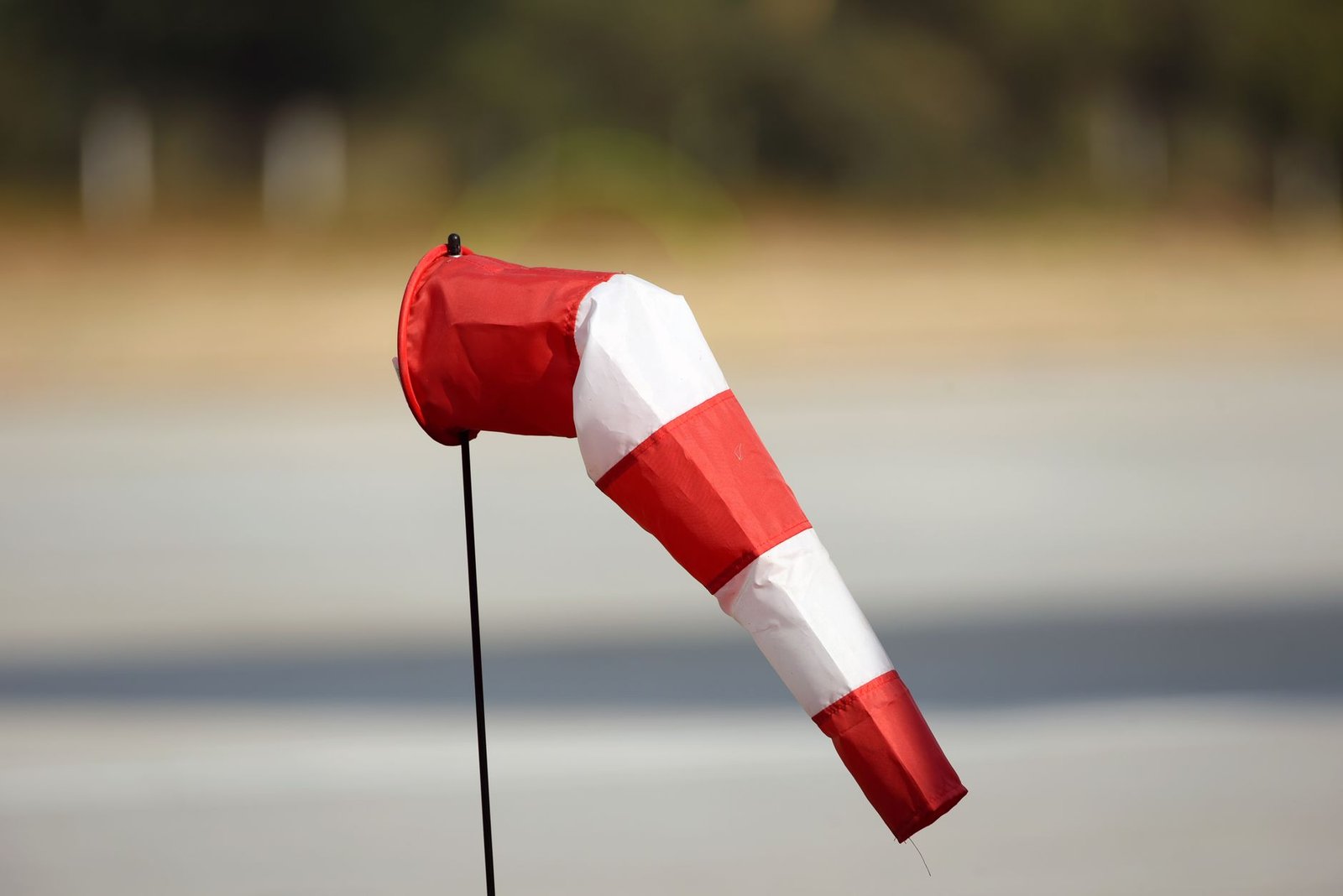
- Mark exposed sections like bridges and waterfront stretches in your notes
- Mark sheltered sections like blocks with buildings, trees, and tighter corridors
- Label each area with your expected wind effect for your pace plan
What happens when you do this? You stop treating discomfort as a personal failure. You treat it as information and adjust immediately.
Outbound Headwinds Are Not Repaid by Return Tailwinds
Chasing the same “split rhythm” out and back is the most common mistake in point-to-point and loop marathons with wind. A tailwind on the way back does not neatly cancel the headwind cost you paid earlier.
That is why you need wind-aware planning plus energy management. If you cannot change the route, expect uneven effort and plan it. You will feel slower in the headwind miles, and you will feel faster in tailwind miles, and those differences are the plan doing its job.
If you doubt the mechanics behind air resistance and pacing, wind physics explanations clarify why “same effort, same pace” is not true when wind direction flips.
You do not need a flat-course pace. You need a wind-adjusted effort plan.
Race by Effort and Heart Rate, Not by Ego Splits
Energy management is your main lever. When the wind hits your face, your pace will drop if you keep the same sustainable heart rate. That is correct behavior.
Use the headwind miles as a place to protect your future. Back off on exposed segments, even if it costs you the satisfaction of smooth splits. Then press through calmer stretches when the wind shifts or you move into shelter.
Trust the physiological signal. Heart rate and perceived effort tell you what your body can afford right now, while pace tells you what the wind wants to steal.
Draft Early and Draft Intelligently
The biggest “free” advantage in wind running is drafting. Running about 1 to 2 meters behind another runner can cut air-resistance penalties dramatically, especially when the wind is strong and direct.
With a gap close to the optimal range, some reports suggest up to 30% to 40% reduction in the air-resistance penalty relative to the headwind cost, and with very close positioning, a 1-meter gap has been reported to eliminate up to 80% of the air-resistance penalty. That is not a reason to race recklessly. It is a reason to choose positioning early.
Use sheltered lanes when possible, draft on the exposed stretches, and rotate effort fairly if you find a rhythm group. Why fight the wind alone when you can share the load for a long chain of miles?
Crosswind Isn’t About Toughness It Is About Line Choice
Crosswinds punish runners who run tense and straight into the force. The goal is to reduce the time your body spends in the exposed airflow and to keep your posture relaxed enough to keep form.
On crosswind miles, aim for lines that shorten exposure time. Slight tangents, inside positioning, and cleaner angles often cost you less. Then settle your breathing and stop “thrashing” just because the wind feels personal.

| Wind Condition | Runner Priority | Practical Pace Cue |
|---|---|---|
| Light Crosswind | Stay relaxed | Keep effort steady |
| Moderate Crosswind | Reduce exposed time | Shorten stride slightly |
| Strong Crosswind | Inside line when safe | Accept slower pace early |
| Wind Shift Near Corners | Adjust posture quickly | Recalibrate heart rate |
| Late Race Tiring | Protect form | Slow down before form breaks |
Now the counterargument: some people think line changes cost speed. In a crosswind, the line can be faster in total effort because it reduces the exposure penalty. Do you measure “speed” without measuring wind impact?
Lean and Cadence Through Headwinds Without Breaking Rhythm
Form tweaks turn wind from an enemy into a manageable variable. When headwinds rise, you need small mechanical adjustments that lower drag and help you keep propulsion.
Lean slightly forward, about 2 to 5 degrees, instead of collapsing at the waist. Shorten stride a touch and raise cadence so you keep “running through” the wind rather than pushing against it with long, slow steps.
This is where many runners lose the most time. They fight with tension, then pay for it with a delayed breakdown 5 to 10 miles later.
Dress for Drag Reduction, Not for Comfort Theater
Close-fitting kit reduces flapping and the drag spikes that come with loose fabric. In wind, a baggy top is not a fashion choice. It is a performance leak.
Choose a tight singlet or racing top, avoid flapping shirts, skip loose jackets, and do not run with oversized bibs that wave around your torso. Even sweatpants can add unnecessary material movement.
Comfort matters for injury prevention, but you can build comfort with sensible fit. Tightness that supports movement wins in wind; loose fabric that fights the wind loses.
Adjust Targets by Wind Magnitude or Watch Goals Collapse
Your race goal should scale with the wind magnitude. If you treat a 10 mph wind like a calm day, the math will punish you.
- Around 7 to 15 mph (3 to 7 m/s) expect roughly 1% to 3% pace impact on exposed sections
- 15 to 27 mph (7 to 12 m/s) can create about 3% to 7% impact and degrade tempo or threshold consistency
- 27+ mph (12+ m/s) can break form and raise safety concerns, so reconsider goals and even sheltered route choices
The opposing view is “run the plan no matter what.” That sounds disciplined until wind turns your plan into a self-inflicted injury schedule.
Train for Wind So Race Day Feels Predictable
Wind running is a skill. You can learn it, even if your training routes are not identical to the marathon course. If you only train on calm days, you will interpret discomfort as failure when it is actually a predictable physics problem.
Practice with segments where you face and experience crosswinds. Do repeat efforts where you intentionally hold effort steady and allow pace to vary. That teaches your nervous system that slower pace can still mean controlled work.
Then rehearse your pacing rules: how you respond to headwind miles, how you exploit shelter, and how you maintain form when you feel the wind trying to steal your posture.

Fuel and Hydrate With a Wind-Affected Body, Not a Calm-Day Body
Strong winds can change breathing patterns and increase overall effort, which affects how your body tolerates fuel. If you push harder into headwind miles, you may need to adjust how consistently you eat and drink earlier in the race.
Stick to your proven plan, but do not ignore early signals. If appetite drops or digestion becomes harder during intense exposure, you tighten your intake strategy before the problem grows. Energy management is not only pace. It is also what you can absorb.
Wind can also dry you out through increased airflow. Keep hydration consistent and use the wind as a reason to be disciplined, not casual.
Choose Survival Moves Late and Finish With Intention
Late-race wind makes the final hour feel longer because your form starts to drift. The answer is not to “push harder at all costs.” The answer is to protect mechanics and keep the effort within sustainable limits.
When the headwind returns, lean into the plan again. Shorten stride, raise cadence, and accept that pace will dip while heart rate stays controlled. When you hit shelter or tailwind, you can find speed without pretending the wind credits you for past mistakes.
Finish with intention: you are not just enduring weather. You are executing wind direction planning, and that mindset turns the course from a threat into a system you understand.
London Marathon Wind Direction Planning: How to Make the Course Feel Easier
How Can London Marathon Wind Direction Planning Help You Feel Easier During the Race?
Plan your effort around wind direction so you protect your energy in headwind sections, stay calm in crosswinds, and make the most of tailwinds without chasing flat-course pace.
What Should You Check in the Forecast for London Marathon Wind and How Do You Use It?
Check forecast wind speed and direction by hour, then mark where the course is likely to be more exposed versus sheltered at your expected race time.
Which Parts of the London Marathon Course Are Usually More Exposed and How Should You Plan for Them?
Expect more drag on exposed stretches such as bridges, open waterfront areas, and wide roads, and plan to run a controlled, slightly reduced effort there compared with tree-lined or denser streets.
How Do You Run by Effort When Wind Direction Changes on the London Marathon Route?
Use heart rate and breathing to guide pacing, easing off in headwinds, staying relaxed through crosswinds, and letting your pace recover during tailwind segments.
Can Drafting Help You Reduce Wind Resistance in London Marathon Wind Conditions?
Running close behind another runner can cut air resistance, so position yourself early on exposed headwind sections and keep safe spacing and awareness to avoid crowding.
What Form and Clothing Changes Help You Stay Efficient in Strong Wind on Race Day?
Lean slightly forward, shorten stride and raise cadence to move through the wind, and wear close-fitting kit that limits flapping so you reduce extra drag.
Plan Wind Smarter And Run Your Best Race
London marathon wind direction planning: how to make the course feel easier comes down to one idea: manage effort around exposure instead of hunting a steady pace. Check the forecast, tag the exposed stretches, and be ready to run by feel into headwinds while you relax into tailwind sections. If you can’t change the route, drafting and smart line choice do more than any hero pace ever will, because wind punishes upright, tense running. Treat the wind as part of the course and your legs will feel better mile after mile.

I am Ozan, a London-focused running writer and marathon enthusiast with a passion for helping people discover the city’s best races, running routes, walking trails, and fitness events. I research and write practical, up-to-date guides covering marathons, race preparation, training tips, running gear, and everything related to staying active in London.
My goal is to create reliable, easy-to-follow content that helps runners and walkers of all experience levels explore London with confidence, whether they’re preparing for their first 5K or their next marathon.