Most runners overthink race-day clothes and end up cold, sweaty, or both. The fix is simple: stop treating temperature like a single, final answer, and start dressing for what your body will do once the effort kicks in.
Here is the rule that changes everything. Dress for the effort, not the thermometer, by using a runner-adjusted approach. If the air feels like 50°F, you plan your kit as if it is about 15°F to 20°F warmer, because you generate heat fast during a race. For very hard running, go closer to 5°F to 10°F warmer, which usually means fewer layers and less friction from excess fabric.
When the cold gets real, you need structure, not guesswork. Below about 20°F, think three mandatory layers for the torso plus serious cold accessories like a balaclava, insulated mittens with liners, and wool or merino socks. From roughly 20°F to 35°F, two torso layers plus a warm beanie and mid-weight gloves keep you moving without cooking. In milder and warmer ranges, you scale down quickly, from one long-sleeve layer to half-zip or short sleeves, and in heat you go minimal and prioritize sun and hydration. This is the layer map that prevents “too much” and “not enough” before the race even starts.
Dress for Effort, Not for Forecasts
Your race-week clothing layer map is only useful if it starts with how hard you will run. The same 10°C air feels different when you jog easy for 25 minutes versus racing at a hard pace for 5K. Why dress for the weather if your body is the main heater?
Here is the rule you should tattoo into your packing habit: dress as if it is 15 to 20°F warmer than the actual air temperature, and if you will run very hard, bias closer to 5 to 10°F warmer. That single shift prevents the two biggest errors I see on race mornings: bulky layers and sweaty misery.
The Runner-Adjusted Temperature Rule Actually Works
Think of your skin temperature as the real scoreboard. When you run hard, you generate more heat, so layers that would be comfortable for a walk become too warm at race pace. The runner-adjusted temperature approach gives you a realistic target for what you should wear, not what the thermometer promises.
And yes, people argue about whether 15 to 20°F is “too much.” But if you have ever started a race underdressed and then added nothing because you already felt chilled, you understand why the approach matters. The goal is controlled warmth, not comfort theater. You can sanity-check the practical logic with temperature guidance for runners and then apply the adjustment to your own effort.
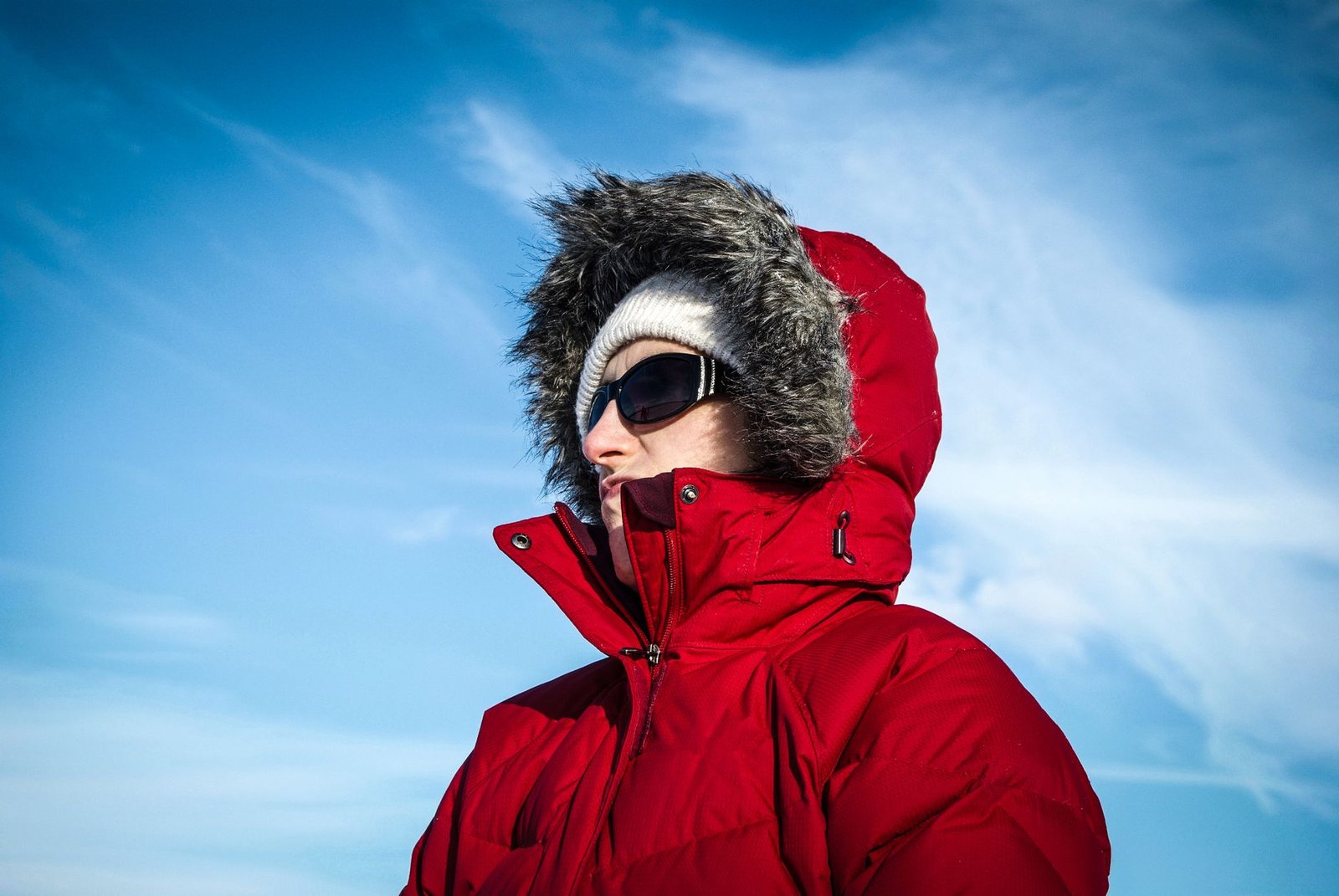
Extreme cold Below -7°C Requires Mandatory Full Coverage
If it drops below -7°C / 20°F, you do not “wing it” with vibes. Frostbite risk rises fast, especially on exposed fingers, ears, and the top of your feet. This is the range where discipline beats stubbornness.
Wear three mandatory torso layers (thermal base, insulating mid layer like fleece or a soft shell, and a windproof outer shell) plus a balaclava. Add insulated mittens with liners and merino or wool socks. If you want a race-day decision tree, this is it: protect your extremities first, then move.
Cold 2 to -7°C Calls for Two Torso Layers and Warm Hands
In cold 2 to -7°C / 20 to 35°F, the mistake is adding a third torso layer “just in case.” Running intensity already supplies heat, and extra bulk usually turns into overheating after the first mile.
Use two torso layers (a long-sleeve base plus a light fleece). Pair it with fleece-lined tights, mid-weight gloves, and a fleece beanie. Your mission is steady warmth without sweat pooling at the ribs.
Cool 10 to 2°C Lets You Keep It Simple
In cool 10 to 2°C / 35 to 50°F, you can run lighter than your fear suggests. A single long-sleeve tech shirt with standard running tights often does the job, especially if you remember the runner-adjusted temperature shift.
Bring light gloves for the first mile if your hands go numb early, then plan to remove or stow them after you feel your circulation warm up. Sweat is not an achievement. Comfort that stays dry is.
Mild 15 to 10°C Often Means One Layer Plus a Controlled Layer Tweak
In mild 15 to 10°C / 50 to 60°F, you are usually done with heavy stacks. A half-zip or short-sleeve top is often the right balance, with shorts sometimes working well for faster efforts. But the point is not to chase minimalism. The point is to avoid the damp heat trap.
Use the shortcut math before you overthink seams and fabrics. When you get it right, you are warm enough without feeling cooked:
| Temp Range | Runner-Adjusted Bias | Layer Starter Kit |
|---|---|---|
| >10°C / 50°F | Dress ~15°F warmer | 1 layer top, tights optional |
| 0 to 10°C / 32 to 50°F | Dress ~15 to 20°F warmer | 2 layers top, gloves if needed |
| <0°C / 32°F | Dress colder, protect skin | 3 layers torso, mitts |
| Below -7°C / 20°F | Extreme protection | Mandatory 3 torso layers |
| Very hard effort | Dress ~5 to 10°F warmer | Fewer layers, more ventilation |
The practical takeaway is simple: as the temperature rises, your body should handle the difference, not your closet. If you feel hot within the first two miles, your map is wrong. Adjust now, not later.
Warm 21 to 15°C Demands Ventilation and Sun Protection
In warm 21 to 15°C / 60 to 70°F, you should stop treating clothing as insulation. A singlet or tank with shorts fits the physiology. If it is sunny, plan for sun protection like you plan for pace.

Why does sun matter? Because heat load comes from both air temperature and radiant energy. Light-colored, breathable clothing helps your cooling system do its job, and hydration stops being optional when conditions feel “just warm.”
Hot Above 21°C Means Minimal Fabric and Maximum Water Planning
In hot above 21°C / 70°F, you should go minimal loose mesh in light colors and prioritize hydration and sun protection. Clothing should not insulate you. It should reduce friction, shade your skin where needed, and let sweat evaporate.
Many runners keep packing layers out of habit, then wonder why their pace collapses. If the air is already doing the job of heating you up, your best strategy is sweat management and fluid timing. Dry comfort becomes performance.
Night Runs and Wind Chill Require a Safety Layer, Not a Fashion Layer
Even if the temperature map is correct, visibility and wind can rewrite the outcome. Evening or night running typically warrants reflective gear, like a reflective vest, and a headlamp. Safety is not negotiable because it is not measurable by your split time.
Wind and chill also change what a “feels like” label means for your skin. Choose between removable or ventable layers based on exposure, not guesswork. If gusts cut through your outer layer, your comfort becomes a performance liability.
Race Week Packing Should Follow Scenarios, Not One Single Outfit
Your race-week clothing layer map should travel with you as a set of options, not one risky decision. Weather changes, and so does your body on race day. A warm-up changes sweat patterns within minutes, and that means your first outfit needs flexibility.
Pack with scenarios in mind: one adjustment layer for the top, a glove or ear option for early minutes, and a way to stay protected if the wind shifts. You are building control, not gambling on perfect forecasts.
The Most Common Layering Mistake Is Over-Insulation Early
Runners often dress for the start, not the pace. They arrive slightly underpowered in the cold, then add layers anyway, expecting that more fabric will fix the problem. At race effort, that logic collapses because your body quickly overproduces heat.
Dress for controlled warmth and plan for removal or stowage. If you start comfortable and then feel hot, you had the right temperature target but a wrong fabric choice. If you start chilly and stay chilly, your adjustment bias was too conservative.
Fabric and Fit Decide Comfort More Than People Admit
Temperature ranges guide the number of layers, but fabric and fit decide whether those layers feel like a tool or a burden. Breathable, fast-drying materials reduce sweat cling. Tight spots trap heat. Loose spots can flap and rub, especially when you sweat.
In practical terms, pick layers that move with you, not layers that fight your stride. The goal is stability: stable warmth, stable airflow, stable comfort. That is what keeps your effort focused on pace instead of irritation.

Trust the Map, Then Test It During Warm-Ups
The final authority is not the weather app. It is your warm-up response. If you feel cold at the start, adjust your plan for the first mile. If you feel hot quickly, your outfit needs fewer layers next time, not more promises about “toughing it out.”
Your race-day system should be repeatable. Apply the runner-adjusted temperature approach, dress for effort, match layers to the temperature range, and add safety gear when visibility matters. When you do that consistently, “what to wear” stops being a panic question and becomes a disciplined routine.
Your Race-Week Clothing Layer Map: What To Wear By Temperature Range
How Do You Use a Runner-Adjusted Temperature Approach for Race-Day Layers?
Use the “dress as if it is 15–20°F warmer” rule, and if you will run very hard, dress as if it is about 5–10°F warmer to reduce overheating and choose fewer layers.
What Should You Wear in Extreme Cold Below -7°C / 20°F Using Your Clothing Layer Map?
Choose three mandatory layers: a thermal base, an insulating mid layer like fleece or a soft shell, and a windproof outer shell, plus a balaclava, insulated mittens with liners, and merino or wool socks.
What Should You Wear in Cold Weather From 2 to -7°C / 20 to 35°F?
Wear two torso layers, such as a long-sleeve base and a light fleece, and add fleece-lined tights, mid-weight gloves, and a fleece beanie for steady warmth.
What Should You Wear in Cool Weather From 10 to 2°C / 35 to 50°F for Racing?
Wear a single long-sleeve tech shirt with standard running tights, and consider light gloves for the first mile in case your hands feel cold at the start.
What Should You Wear in Mild Weather From 15 to 10°C / 50 to 60°F?
Switch to a half-zip or short-sleeve top with standard running tights, and shorts may work well if your pace stays fast and you tend to run warm.
What Should You Wear in Warm and Hot Temperature Ranges Above 15°C / 60°F?
For 21–15°C, wear a singlet or tank with shorts and sun protection if it is clear, and for above 21°C choose minimal loose mesh in light colors, prioritize hydration, and keep clothing light rather than insulating.
Dress for Effort With Your Race Week Layer Map
Your race-week clothing layer map: what to wear by temperature range should start with a simple runner-adjusted rule: dress as if it’s 15 to 20°F warmer, and go closer to 5 to 10°F warmer when you will run hard, because intensity creates heat and reduces the need for layers. Use fewer layers in cool weather, add a windproof shell and proper gloves and socks in deep cold, and keep it light in the warmth with sun and hydration in mind; then when conditions turn dark or windy, add reflective gear and headlamp lighting. Commit to the plan, not guesswork, and you will feel fast from the first minute.

I am Ozan, a London-focused running writer and marathon enthusiast with a passion for helping people discover the city’s best races, running routes, walking trails, and fitness events. I research and write practical, up-to-date guides covering marathons, race preparation, training tips, running gear, and everything related to staying active in London.
My goal is to create reliable, easy-to-follow content that helps runners and walkers of all experience levels explore London with confidence, whether they’re preparing for their first 5K or their next marathon.