Headwinds don’t care how fit you are, they punish your assumptions. That is why most runners feel “slower out of nowhere” on London Marathon–style days. The wind is not a minor condition, it is an energy tax, and you stay efficient only when your strategy respects that physics.
When you treat London Marathon wind strategy like something you improvise, the air will slap back with uneven splits and a late-race grind. Instead, plan to run by effort, not by pace, because headwinds are brutally expensive and tailwinds rarely give you that much back. The goal is simple: reduce wasted motion and make your effort predictable, even when the ground speed is not.
The most reliable countermeasure is drafting, and it is not just a “nice to have” when conditions are perfect. Stay close to a runner, ideally behind someone a bit taller and on the sheltered side, because that can dramatically cut the resistance penalty that steals your rhythm. If you must change positions, do it briefly and intentionally, then settle back into a pocket of protection so you are not exposed to headwind stress for long.
Wind Is an Energy Tax, Not a Pace Guess
In a London Marathon–style race day, the honest goal of a london marathon wind strategy: how to stay efficient when the air slaps back is simple: you do not “run the same pace.” You pay an air-resistance tax when the wind hits you, and you usually do not get enough credit when it swings behind you. A ~10 mph headwind can cost roughly 10 to 12 seconds per mile, while a ~10 mph tailwind saves only about 3 to 5 seconds per mile. That gap forces the math.
So why do so many runners still plan like the air is neutral? Because pace boards feel objective. But wind is not fair, and it does not care about your training paces. You either treat wind as a real performance input or you accept the late-race collapse that comes from ignoring it.
Budget the Headwind Early and Stop Chasing the Clock
The first tactical mistake is waiting for the first gust to “figure it out.” By then, you have already spent the wrong currency: effort with no planned return. If winds are sharp, your early splits should reflect that reality, not your spreadsheet ideal.
Run by effort rather than by pace in the wind. Expect uneven splits: slower into headwinds, faster with tailwinds. If sustained headwinds reach 15+ mph, they can add roughly 30 to 45 seconds per mile. Are you really going to meet your target time by pretending that number does not exist?

Draft to Cut the Tax You Cannot Outrun
The single biggest countermeasure is drafting. Running within about 1 meter of another runner can cut the air-resistance penalty by up to roughly 80%. That is not a motivational slogan. It is physics on a race course.
Drafting also fixes a psychological trap: when the wind makes your pace drop, panic makes you fight harder in the wrong way. If you are in a sheltered pocket, you can hold form, keep rhythm, and save energy for the segments where you can actually make up time.
The best wind help is not luck. It is positioning.
Pick the Right Side of the Pack When Gusts Turn
Wind is turbulent and directional at human scale. Two runners can be exposed to different air just by being on different micro-sides of the group. That means your “place in the pack” matters as much as your fitness.
When you feel the air slap back, look for the sheltered lane. Stay behind a taller runner when possible, because their position can help shield you. Keep your own movement smooth, since every stutter is wasted effort that the wind will charge you for again.
Bridge and Surge Only Briefly, Then Return to Rotation
When you must change groups, do it like a tactician, not like a gambler. A bridge or surge can be necessary if you are isolated in the open. But a surge that lasts too long turns your wind strategy into a self-inflicted time trial.
Bridge briefly when conditions allow. For example, move up when the wind is at your back so the effort spike does not linger. Otherwise, rotate naturally so you are not stuck with direct headwind exposure for long stretches. The goal is fairness to your own energy system.
Expect Uneven Splits and Use a Wind Splits Map
Let the course be what it is: a changing wind tunnel. If you plan for perfect symmetry, you will be shocked by normal reality. Strong headwinds mean slower splits, tailwinds mean faster ones, and the only “efficient” response is planning for that variation.
To make it tangible, use a simple wind splits map for decision-making on race day.
| Wind Scenario | Typical Mile Impact | Action Focus |
|---|---|---|
| ~10 mph Headwind | +10 to +12 sec | Draft aggressively |
| ~10 mph Tailwind | -3 to -5 sec | Don’t overstride |
| 15+ mph Headwind | +30 to +45 sec | Adjust target early |
| Gusty Mixed Air | Split volatility | Hold effort, not pace |
| Stable Wind With Pack | Lower variance | Maintain position |
And when the splits look “wrong,” remember this: your effort may be consistent while your pace is forced to change. That is efficiency under stress, not failure.
Form Beats Panic When the Pace Drops Suddenly
Wind changes can make your pace fall in an instant, and that can trigger a blunt reaction: tighten up, lean too far, or start chopping your stride. None of that makes the air more cooperative. It just adds wasted motion.
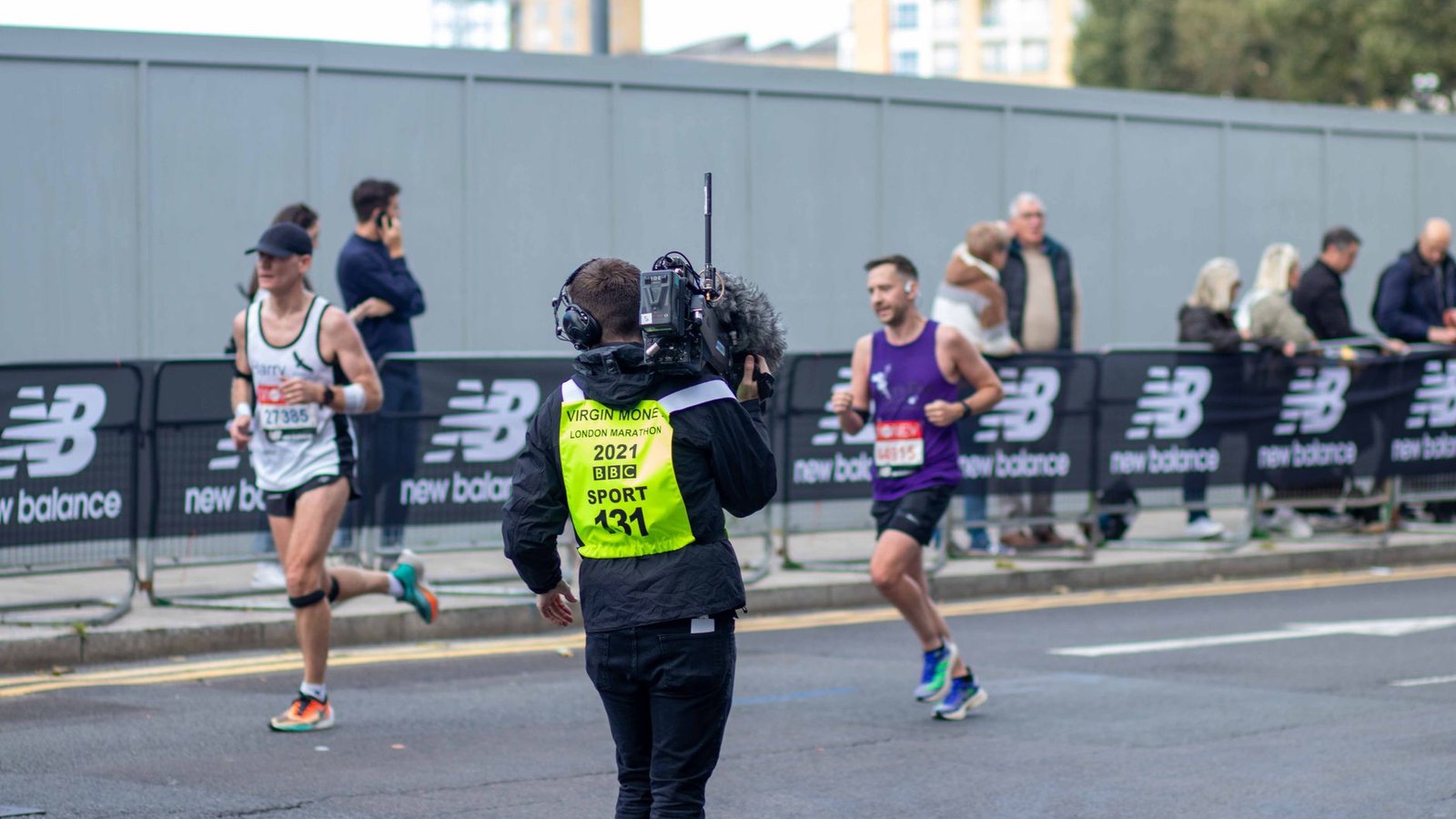
Keep posture tall, and lean slightly forward into headwinds without collapsing your trunk. If your kit flaps, tuck in gear when appropriate to reduce frontal area. The wind will still tax you, but you will stop compounding the damage with avoidable inefficiency.
Wear Kit That Resists Flapping and Waste
If you have ever watched a teammate’s shirt balloon in a gust, you have seen wasted power. Clothing and gear are small, but wind penalties are relentless. A loose singlet increases turbulence and creates micro-sprints with every flapping motion.
Use fitted layers when conditions are harsh. Choose clothing that stays stable. It is not about fashion. It is about controlling the part of the equation you can actually influence.
Train for Wind Sensations, Not Just Average Conditions
Most training plans assume “normal” air. But wind strategy depends on how you react when the ground truth changes. If you only practice steady conditions, race day will turn into guesswork at the exact moment you need judgment.
Build sessions that force you to practice holding effort while pace drifts. You do not need endless miles at full force. You need repeated reminders that your body should respond to effort and form first, not to pace alone.
When Groups Break, Reassemble Like a Pro
Race courses fragment. Gaps appear. Packs shrink. Your wind strategy fails if you accept isolation as fate. But reassembling is not about sprinting back at any cost.
Close the gap with controlled surges, then settle into a draft pocket. If wind is coming from the front, get behind someone quickly. If the wind is behind you, bridging can be easier. The key is to treat rejoining as an efficiency task, not a morale task.
Use Effort Targets That Survive the Air Slap Back
A pace target can be useful on calm days, but in real wind it becomes a misleading scoreboard. The air punishes you with a variable cost, so your pace will swing even when your effort is steady. That is why wind-ready runners set goals that remain meaningful under pressure.
Ask yourself a practical question: can I describe what “right effort” feels like when my pace drops? If you cannot, you will be tempted to overcompensate. Keep your cadence and posture stable, and let pace float with the wind.

Strong Headwinds Demand Earlier Plan Changes
Once winds cross a threshold, waiting is expensive. Sustained 15+ mph headwinds can add roughly 30 to 45 seconds per mile. That is not a rounding error, and it is not something you can erase later with a hopeful burst.
As running in the wind makes clear, the aerodynamic penalty into a headwind is harsher than the tailwind credit you get back. Adjust your goal time early, protect your rhythm, and stop gambling on a perfect second half.
Finish Efficient by Protecting Form, Then Taking What the Wind Gives
Late race is where wind strategy pays off or punishes you. If you have saved enough energy, you can respond when the air finally shifts. But if you spent too much time fighting headwind alone, the final stretch will expose every wasted motion.
When conditions allow, respond. If you find shelter, lock in. If the wind turns in your favor, you can raise effort without losing form. Efficiency in the closing miles is not only speed. It is staying calm, staying tall, and letting the strategy do its job.
London Marathon Wind Strategy: How to Stay Efficient When the Air Slaps Back
How Does a London Marathon Wind Strategy Help You Stay Efficient in Headwinds?
A wind-aware strategy treats headwind as an energy tax: headwinds cost more time than tailwinds save, so you plan for slower effort into the wind and avoid chasing pace targets that can’t be controlled.
Should You Draft in a London Marathon Headwind, and How Close Should You Run?
Yes—drafting is the single biggest lever. Aim to run within about 1 meter of another runner, ideally behind a taller runner and on the sheltered side, to meaningfully reduce the air-resistance penalty versus running alone.
What Is the Best Way to Handle Gusts and Change Position Without Losing Efficiency?
When you need to move between groups, bridge or surge only briefly when conditions allow—then settle back into a draft or sheltered line—so your effort spike doesn’t linger while the wind is worst.
How Should You Adjust Your Goal Pace When the Air Slaps Back?
Run by effort rather than a fixed pace: expect uneven splits with slower miles into headwinds and faster ones with tailwinds, and adjust your goal time early if winds are strong (for example, sustained 15+ mph headwinds can add substantial time).
What Form Tweaks Reduce Energy Loss in Wind During the London Marathon?
Protect your form to avoid wasted motion: stay tall with a slight forward lean into headwinds, keep kit fitted to reduce flapping and frontal area, and tuck in gear if needed so the wind has less to catch.
How Can You Manage the Mental Effect of Sudden Pace Drops in Strong Headwinds?
Expect the psychological jolt when pace suddenly drops and treat it as normal physics, not a failure—if you’re forced into a gap, lean in, commit to controlled effort, and push through calmly instead of panicking.
Run the Wind, Not the Fantasy
With a London marathon wind strategy: how to stay efficient when the air slaps back, the answer is simple: treat headwinds as an energy tax, and refuse to pay full price by drafting close to another runner on the sheltered side whenever you can. If you cannot stay in the slipstream, adjust your goal and pacing by effort early, protect form so you waste less motion, and avoid long, unnecessary surges that leave you exposed to the worst air. The runners who stay efficient are the ones who plan for the wind as the main variable, not the pace chart.

I am Ozan, a London-focused running writer and marathon enthusiast with a passion for helping people discover the city’s best races, running routes, walking trails, and fitness events. I research and write practical, up-to-date guides covering marathons, race preparation, training tips, running gear, and everything related to staying active in London.
My goal is to create reliable, easy-to-follow content that helps runners and walkers of all experience levels explore London with confidence, whether they’re preparing for their first 5K or their next marathon.