
Most walkers waste energy because they fuel carbs too late, then blame the course instead of the plan. In long-distance events around London, productivity is not what wins the day. It is steady pace supported by available glycogen, and that means carb intake has to be intentional from training week onward, not improvised the morning you set off.
Start planning days before, because your body needs time to store carbohydrate. In the 24 hours before an event under about 90 minutes, “normalizing” intake is usually enough, but longer efforts tend to benefit from an abbreviated carbo-loading window. Keep the pre-event meal familiar, low in fiber, and lighter on fat so your gut stays calm when you are still finding your rhythm.
During the event, your carb target should rise with time on your feet. For shorter long-walk efforts, roughly 30 to 60 g of carbohydrate per hour is a sensible range, while marathon-level distances often push toward 75 to 90 g per hour if your stomach can handle it. The real edge is gut training in London training runs, so you know what you can absorb and what makes you slow to a crawl.
Carb Intake Must Start Before You See The Finish Line
Carb intake for walkers training for long-distance events in London should be planned like training, not like a last-minute favor to your stomach. If you wait until race morning, you force your body to improvise glycogen use while your gut negotiates every sip and chew.
Walkers often get told to “eat healthy” and “stay consistent,” as if the body does not run on carbohydrate during sustained efforts. Do you want consistency, or do you want enough glycogen on board to keep your pace stable when fatigue hits?
24 Hours Before Short Events You Can Normalize
For races and long-distance walks under about 90 minutes, the goal is simple: normalize endurance glycogen, not a dramatic carbo-load. A practical target in the 24 hours before is around 7 to 10 g carbohydrate per kg body mass per day.
This is where many walkers overcomplicate. A big carb surge can add gut stress without performance upside for an event that ends before severe glycogen depletion becomes the dominant limiter.
36 To 48 Hours For Longer Efforts Demands A Real Loading Window
When you are walking long enough to make glycogen a limiting factor, contemporary guidance supports an abbreviated loading phase. Many athletes aim for about 10 to 12 g carbohydrate per kg per day across roughly 36 to 48 hours.
Loading also changes water retention, so a small body mass shift is common. The point is performance, not scale theatrics. If your plan triggers stomach discomfort or leaves you lethargic, the loading window fails even if the math looks correct.
Your Pre Race Meal Should Be Timed Like An Engine Start
In the 1 to 4 hours before a start, target about 1 to 4 g carbohydrate per kg. This is not the time to test new foods. Use a familiar meal that is high in carbohydrate and low in fat, fiber, and heavy protein to limit gastrointestinal distress.
Why gamble when your pace will already suffer if you spend the early miles handling cramps or nausea? Walkers in London should treat the pre race meal as a repeatable procedure, not a “maybe it will work” experiment.
During The Walk Carbs Should Arrive On Schedule
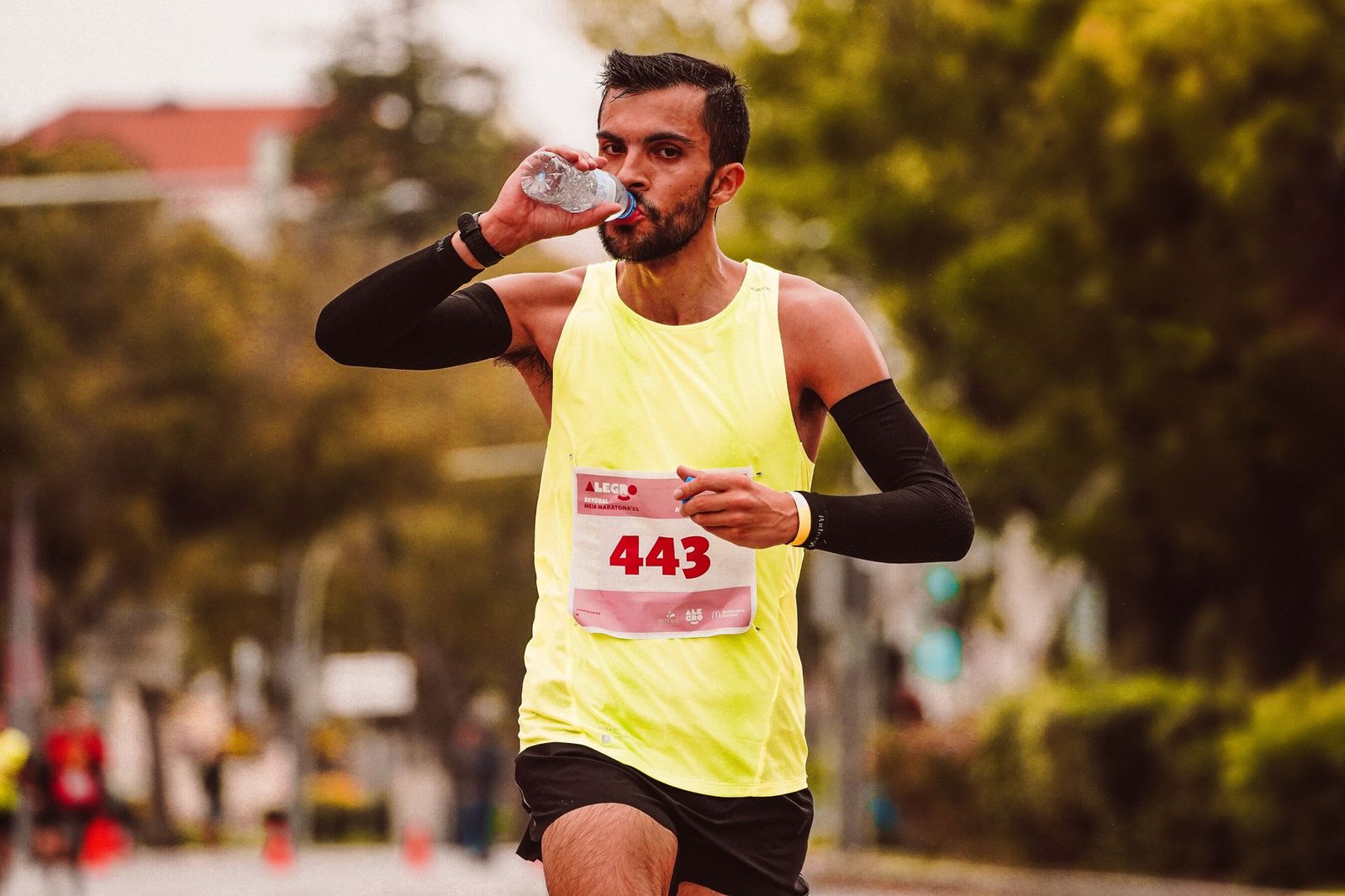
On course fueling is where carb intake for walkers training for long-distance events in London becomes decisive. For efforts lasting 1 to 2.5 hours, a common target is 30 to 60 g carbohydrate per hour. For over 2.5 hours, aim for up to around 75 to 90 g per hour.
Do not wait for hunger or for the first hint of fatigue. Use gels, drink mix, soft chews, or confectionery in a rhythm your gut can tolerate. Your body processes carbs best when you keep the supply steady, not when you slam them after you are already hurting.
Fuel And Hydration Must Be Run Together
Carbs and fluids work like a single system. If you drink too little, your gut slows down and carb absorption can feel harder; if you drink too much, you can create discomfort and odd swings in energy. A common approach is to target a net fluid deficit under about 2 to 3 percent of body mass, and use frequent small sips from race drink stations when possible.
| Race Segment | Carb Target | Hydration Approach |
|---|---|---|
| First 60 min | 30-45 g/hour | Small sips |
| 1 to 2.5 hours | 45-60 g/hour | Station drinks |
| 2.5+ hours | 60-90 g/hour | Frequent dosing |
| Hot weather | Upper range | Deficit under 3% |
| Any pause | Restart quickly | Resume sips |
And when you push above 2.5 hours, carbohydrate intake recommendations align with the practical reality on London streets. Keep carbs frequent and matched to your drink plan so your energy does not drop when your mouth goes dry.
Stop Guessing And Use Your Body Weight
Walker fueling fails most often when people treat carbohydrate as a vague percentage of “what you feel like.” Your body mass is the simplest variable you can control. Targets described for loading, pre race meals, and in-race fueling scale by grams per kilogram, which means you can calculate what you actually need instead of hoping.
Try this mindset shift: if two walkers of different sizes use the same number of gels per hour, one is under-fueling and the other is over-fueling. Who benefits from that unfairness? No one.
Low Fiber And Low Residue Is Not A Preference
Gut problems are the hidden tax on race performance, especially for long-distance walkers who may spend hours at an effort that is “not hard enough” to shut symptoms down. During the carbo-loading window and before the start, use a low-fiber, low-residue approach so you can keep carbohydrate intake high without triggering delays.
Some walkers think fiber is automatically good for performance. That belief collapses at race time. Fiber is great for health and training habits, but a heavy salad and a loaded oat bowl are the wrong tools when you are trying to move carbohydrate reliably through the system.
Gut Training Turns A Plan Into A Performance Skill
If your race-day fueling feels new, your body will treat it like stress. Gut training means practicing the same carbohydrate formats you plan to use on course, at similar timing and similar intensity. Trial your gel schedule, drink concentration, and any solid options during training walks so your stomach learns the routine.
Most walkers do not fail because carbs do not work. They fail because the gut never agreed to the deal. Make your fueling boring in training so race day can be controlled.

Recovery Carbs Are How You Protect The Next Session
After finishing a long-distance walk, refueling supports glycogen restoration and helps you get back to normal training faster. The earlier you eat after the event, the easier it is to reverse the depletion your body just endured.
Recovery is not optional if you have more than one goal race or a follow-up training block. Your next walk begins the moment you stop, so carb intake after the finish should be planned with the same seriousness as carb intake on course.
The Common Mistakes Are Predictable And Avoidable
Under-fueling is the headline error, but it rarely shows up as a single mistake. Walkers often start with a light pre race meal, skip early gels, and then panic-fuel later. That pattern creates a tug of war between energy needs and gastrointestinal tolerance.
Another error is copying other walkers. One person’s successful routine might be another person’s stomach disaster. If you want results, you need a personal system built from targets, practice, and timing.
A London Race Day Plan You Can Actually Execute
Make your plan operational. Choose your pre race meal and your expected in-race carb schedule. Map where drink stations are and decide how you will combine sips with carbohydrate delivery. Then test the same setup in at least one long training walk so it is not a surprise.
Carb intake for walkers training for long-distance events in London works when you stop treating nutrition as hope. Set targets, practice them, and hold your schedule steady. When fatigue rises, the body loves one thing: a reliable supply of carbohydrate on time.
Carb Intake For Walkers Training For Long-Distance Events In London
How Should Carb Intake Be Planned for Walkers Training for Long-Distance Events in London?
Plan carbohydrate before and through the event by starting days ahead to top up endurance fuels, then adjust timing on race day based on total time on feet and your body weight, while keeping the foods familiar to reduce gut upset.
What Carb Amount Should You Eat in the 24 Hours Before a Walk Event in London?
In the 24 hours before events under about 90 minutes, aim for about 7 to 10 g of carbohydrate per kilogram of body mass per day to normalize training glycogen without needing an intensive carb-load.
How Much Carbohydrate Should Walkers Eat in the 1 to 4 Hours Before Race Start in London?
In the 1 to 4 hours before the start, target roughly 1 to 4 g carbohydrate per kilogram using a low-fiber, carbohydrate-rich meal you have tried before, and keep fat and fiber lower to limit gastrointestinal problems.
Should Carbo-Loading for Longer Events Be Different From Shorter Walks in London?
For longer events, use a shorter carb-loading phase of about 36 to 48 hours and target around 10 to 12 g carbohydrate per kilogram per day, often with low-fiber, low-residue choices to reduce stomach issues and avoid large late-day changes.
How Much Carbohydrate Should Walkers Take During Long-Distance Events in London?
During the walk, match carbohydrate to duration: for about 1 to 2.5 hours aim for roughly 30 to 60 g carbohydrate per hour, and for sessions over 2.5 hours aim up to about 75 to 90 g per hour using drinks, gels, or easy-to-tolerate foods that you have practiced.
How Do Hydration and Carb Timing Work Together During a Long-Distance Walk in London?
Fuel and fluids go together by sipping carbohydrate-containing drinks at stations when possible and aiming for a modest net fluid deficit of about 2 to 3% of body mass, especially in warmer London conditions, so you keep gut comfort while maintaining carbohydrate intake.
Get Your Carb Intake Plan Right
Carb intake for walkers training for long-distance events in London is a timing game, not a guess. Start fueling days ahead to normalize glycogen, go with a shorter 36 to 48 hour carbo-load only when the event demands it, hit a carbohydrate-rich pre-race window, then climb steadily during the race toward higher grams per hour for long days on your feet. If you treat these targets like experiments instead of rehearsed practice, your stomach will write the schedule for you.

I am Ozan, a London-focused running writer and marathon enthusiast with a passion for helping people discover the city’s best races, running routes, walking trails, and fitness events. I research and write practical, up-to-date guides covering marathons, race preparation, training tips, running gear, and everything related to staying active in London.
My goal is to create reliable, easy-to-follow content that helps runners and walkers of all experience levels explore London with confidence, whether they’re preparing for their first 5K or their next marathon.