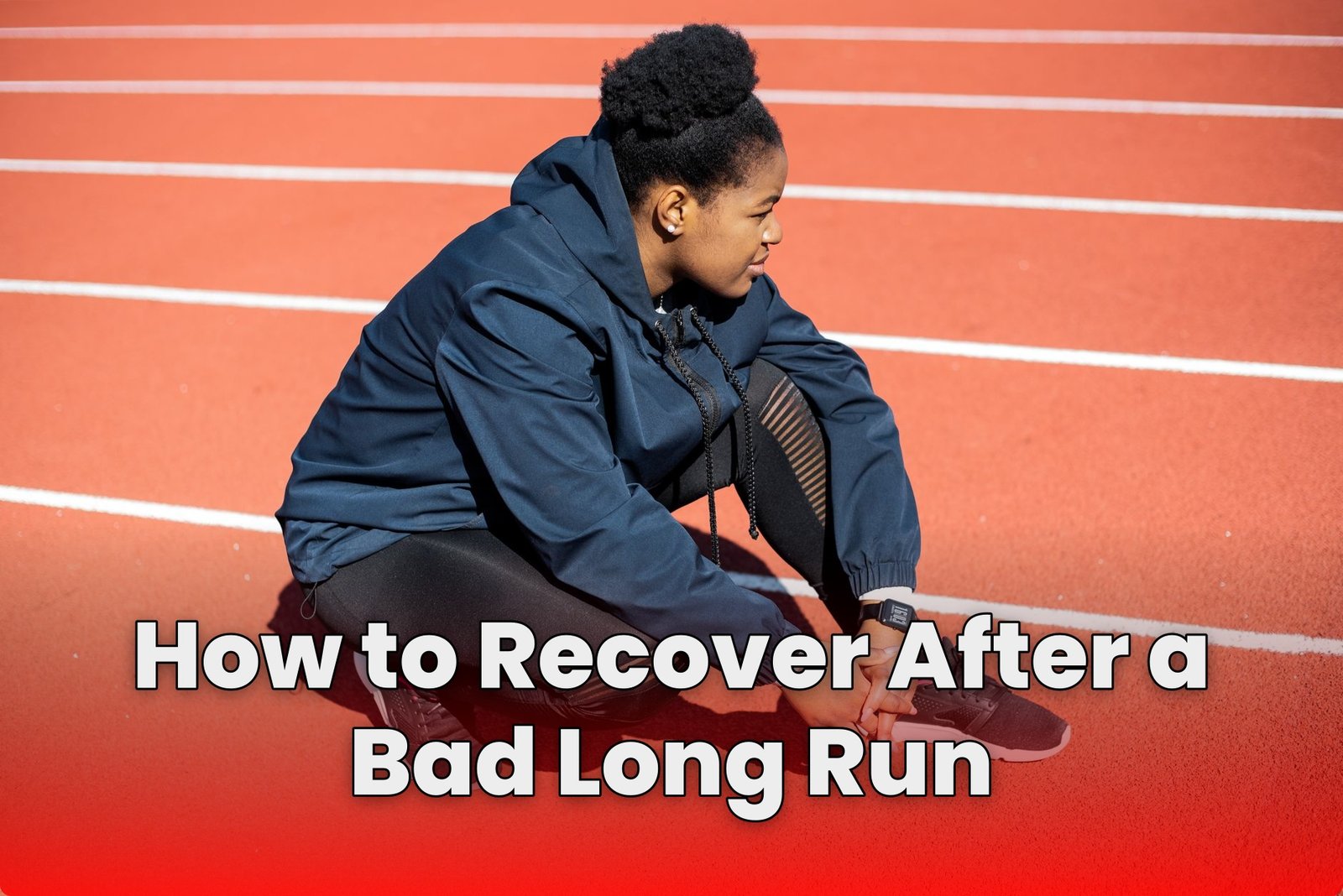
Most runners waste the first hour after a bad long run, and that is exactly why what to do when your long run goes wrong: a simple recovery plan is worth treating like a checklist, not a suggestion. When you feel wrecked, stiff, or under-recovered, waiting it out can turn a fixable dip into a multi-day drag. Instead, you should act fast, because recovery is strongest when you immediately support fueling, fluids, and mobility.
Start with refueling and rehydrating right away. Aim for carbs plus protein in roughly a 3:1 to 4:1 ratio within 30 to 60 minutes, as soon as you can, even closer to the 30-minute mark. Then replace sweat losses with electrolytes, not just plain water, focusing on sodium, potassium, and magnesium through an electrolyte drink or tablet, or options like coconut water, and consider salted juice if you need extra sodium.
Next, move strategically to beat stiffness. Take a brief walk to bring your heart rate down, then do 5 to 10 minutes of gentle mobility or static stretching for common tight spots like hamstrings, calves, quads, hip flexors, and the low back, followed by foam rolling or light self-massage. For the hours and days after, prioritize 7 to 9 hours of sleep, use at least one rest day if your plan allows, and do easy active recovery only if it truly feels good, while keeping meals balanced and limiting alcohol so your body can rebuild.
Don’t Wait for Tomorrow to Start Recovery
When your long run goes wrong, the biggest mistake is treating recovery like a separate event scheduled for later. Your body starts repair the moment you stop running, and the first window is when you can still steer the process.
So what should you do right away? Refuel, rehydrate, and loosen up while you are still warm and your systems are most responsive. If you feel wrecked, stiff, sore, or under-recovered, that is not a signal to do nothing. It is a signal to act.
Refuel With Carbs and Protein Within 60 Minutes
Your long run depletes muscle glycogen and stresses recovery pathways. Waiting too long turns “recovery” into “damage plus delay,” which is why athletes feel heavy the next day when they skip immediate intake.
Aim for a snack or meal with a 3:1 to 4:1 ratio of carbs to protein within 30–60 minutes after finishing, or as soon as possible. Think smoothie with banana and protein powder, Greek yogurt with fruit, or rice and oats paired with lean protein.
Rehydrate Early Instead of Chasing Thirst
Thirst is a late notification system. By the time you feel thirsty, you may already be behind on fluids needed for circulation, temperature regulation, and nutrient transport.
Replace fluids after your run using water plus an electrolyte drink or tablet. If you can only tolerate liquids, that is not a downgrade. It is a smart way to deliver what your body needs quickly.
Electrolytes Fix What Water Cannot
Heavy sweating during long runs pulls more than water out of your system. If sodium, potassium, and magnesium are missing, you can feel crampy, drained, and under-recovered even when you drank plenty.
Prioritize electrolytes, especially sodium. Consider drinks like coconut water or even salted juices such as tomato or beet juice with added salt when needed. Water helps, but electrolytes help you bounce back.
Start Light Movement to Reduce Stiffness
Stiffness after a long run often comes from tight tissue, elevated stress, and reduced circulation immediately following exertion. If you stay completely still, the “stiff” feeling can linger longer than necessary.
Bring your heart rate down with a short walk, then do 5–10 minutes of targeted mobility or static stretching for common tight areas like hamstrings, quads, calves, hip flexors, and low back. Movement is not punishment. It is recovery.

Use a Simple Checklist to Recover Fast and Safely
If you want one clear answer to “what to do when your long run goes wrong,” it is this: execute the next steps in order, within real time limits. That beats guessing based on feelings.
Nutrition timing and rehydration guidance align with reliable recovery guidance from experienced runners, because the goal is to refill fuel and replace sweat losses before your body settles into a prolonged stress state.
| Recovery Step | Time Window | Do This |
|---|---|---|
| Carb and protein snack | 30–60 minutes | 3:1 to 4:1 carbs to protein |
| Fluids | First hour | Water plus electrolyte drink |
| Electrolytes | First hour | Focus on sodium, potassium, magnesium |
| Light movement | Immediately | Short walk to cool down |
| Mobility work | 10–20 minutes | 5–10 minutes stretching |
Want the practical takeaway? Don’t scale down your effort to match how awful you feel. Scale up your recovery actions, starting right away.
Stretch to Target Tight Spots, Not to Hurt
Stretching helps when it restores range of motion and reduces protective muscle guarding. It hurts when you turn recovery into a second workout.
Keep it simple: 5–10 minutes of focused stretching or mobility for tight areas, holding static positions gently rather than forcing range. If a stretch spikes pain, back off. Your goal is smoother movement, not injury risk.
Use Foam Rolling and Massage to Calm Tight Tissue
After the run, self-massage and foam rolling can improve comfort by encouraging circulation and reducing the “stuck” feeling in tight muscles. It is especially useful when you feel soreness that limits normal walking.
Spend a short block working common problem areas, using tolerable pressure. If you feel particularly puffy, consider compression socks or sleeves. And avoid relying on ice as your default, because limiting blood flow may slow healing for some runners.
Sleep Turns Damage Into Adaptation
Hard long runs create a recovery bill. Sleep is the payment plan your body uses to rebuild glycogen stores, repair tissue, and regulate stress hormones.
Prioritize 7–9 hours that night. Skip the temptation to “make up time” with extra intensity. When your body is wrecked, sleep is the most dependable tool you have.

Take a Rest Day, Then Use Active Recovery Carefully
The next day is where many runners sabotage themselves. They feel stiff, so they “test” themselves with another hard session, and the stiffness deepens into fatigue.
Take at least one rest day if your plan allows. If you do active recovery, keep it genuinely easy with a shakeout run substitute or low-impact cross-training like cycling, swimming, or yoga. If it worsens soreness, it is not recovery.
Eat Balanced Meals to Rebuild Glycogen and Tissue
Recovery food is not just calories. It is timing, composition, and consistency across the hours after you finish. Balanced meals help you replenish energy and provide protein for repair rather than lingering in deficit.
For dinner and subsequent meals, keep it simple: about half fruits and vegetables and half lean protein. That supports antioxidant needs and provides amino acids for rebuilding without turning the meal into an unplanned science project.
Limit Alcohol So You Do Not Undo Your Long-Run Comeback
Alcohol can worsen dehydration and interfere with how your body replenishes glycogen and manages recovery. Even if you feel okay in the moment, the next morning often tells the truth.
Keep it minimal and avoid heavy drinking after a long run. Your recovery plan is already demanding enough. Why sabotage it when the goal is to feel better, move better, and train again with confidence?
What to Do When Your Long Run Goes Wrong: A Simple Recovery Plan
How Should You Refuel After Your Long Run Goes Wrong?
Start recovery immediately by eating a snack or meal with about a 3:1 to 4:1 ratio of carbs to protein within 30–60 minutes (as soon as possible) to restart glycogen and recovery.
Which Fluids and Electrolytes Help When a Long Run Goes Wrong?
Replace water and sweat salts with an electrolyte drink or tablet, aiming especially for sodium, potassium, and magnesium to restore fluid balance and reduce lingering fatigue.
What Mobility Should You Do for Stiffness After a Bad Long Run?
If you feel wrecked or under-recovered, do light movement first to lower heart rate, then spend 5–10 minutes on gentle targeted mobility or static stretching for tight areas like calves, quads, hamstrings, hip flexors, and low back.
Should You Use Ice, Foam Rolling, or Compression After Your Long Run Goes Wrong?
Prefer foam rolling or self-massage to improve circulation and ease tightness, and consider compression socks or sleeves if you’re puffy, while avoiding relying on ice if it limits blood flow during recovery.
What Should You Do in the Hours and Days After Your Long Run Goes Wrong?
Prioritize quality sleep (about 7–9 hours), take at least one rest day if your schedule allows, and use only very easy “active recovery” the next day if appropriate, such as a gentle shakeout or low-impact cross-training.
How Do You Eat and Hydrate Next to Support Recovery After a Long Run Problem?
Keep subsequent meals balanced with roughly half fruits or vegetables and half lean protein, stay well hydrated, and limit alcohol since it can worsen dehydration and slow rebuilding of energy and nutrients.
Recovery Starts Now With A Simple Long Run Plan
When your long run goes wrong, waiting is what keeps you wrecked, so follow what to do when your long run goes wrong: a simple recovery plan and start immediately with fast refueling and rehydration, gentle movement and targeted mobility to reset stiffness, and solid sleep plus easy active recovery the next day only if it feels right; do the basics within the first hour and you will feel the difference by the next morning.

I am Ozan, a London-focused running writer and marathon enthusiast with a passion for helping people discover the city’s best races, running routes, walking trails, and fitness events. I research and write practical, up-to-date guides covering marathons, race preparation, training tips, running gear, and everything related to staying active in London.
My goal is to create reliable, easy-to-follow content that helps runners and walkers of all experience levels explore London with confidence, whether they’re preparing for their first 5K or their next marathon.