Crowds are not supposed to steal your rhythm. If you want to actually master how to practice running through crowds without losing rhythm, stop treating congestion like an emergency and start treating it like a pacing variable you can manage. Your job is simple: keep your effort steady enough that your cadence can survive the bottlenecks.
The fastest way to lose rhythm is to begin at race pace and “fight” the space. Instead, start slightly slower than your target, then give the first stretch a job as a warm-up so you are not trying to accelerate inside a crowd. When the course is tight, you need patient spacing and smart run-walk transitions, not stubborn sprinting. Walk through the densest sections early, then resume your normal cadence as soon as the path opens.
If you train this intentionally, it becomes automatic on race day. Practice flow-style intervals where you run when your heart rate stays steady and walk when it spikes, or use a simple 30-20-10 pattern to teach your body how to switch efforts without panicking. Also remember positioning and etiquette: stay toward the right when walk breaks happen, signal “on your left” or “on your right” before you pass, and avoid weaving unless there is a real lane. Control the rhythm first, then let speed follow.
Run the First Mile Like It’s Warmer Than It Looks
If you want to keep rhythm through crowds, stop treating the opening stretch as time to prove yourself. Congestion punishes anyone who arrives at target pace. Start slightly slower, so your legs and breathing settle before you have to negotiate bodies, strollers, and pace drift.
Think of the first half mile as a controlled warm-up. You are not “giving up time.” You are preventing the panic sprints that happen when your plan collides with other runners. Your goal is steady effort that can tolerate slowdowns without snapping your cadence.
Use a simple rule: if you feel your stride shortening and your shoulders lifting, you started too fast. Back off early and you will regain rhythm sooner than the runner who digs in and burns time later.
Measure Rhythm by Effort, Not by Position
People obsess over pace because pace is visible. Rhythm is not. Rhythm is how consistently your feet strike and how stable your breathing stays when the crowd compresses around you.
When the course tightens, focus on a steady “engine state.” Keep your heart rate and breathing within a narrow band, then let your speed fluctuate. Yes, your GPS will wobble. So will everyone’s. Your job is to keep cadence intact when speed changes.
Remote work productivity is not the keyword here, but the analogy fits: if you judge performance by what you can see, you miss what matters. In crowded running, visibility misleads. Effort clarity wins.
Use Run Walk to Survive Bottlenecks
Run/walk is not a downgrade. It is crowd control for your body. If the pack becomes a narrow hallway, walk through the densest section, then resume normal cadence once there is space to lengthen your stride.
Start walk breaks early, not after you are already tangled in traffic. Move toward the right where walk breaks typically happen, then walk safely without forcing your way through. When the path opens, you should be able to transition smoothly back into your usual rhythm rather than launching into chaos.
Ask yourself a hard question: do you want to fight congestion for 20 seconds, or do you want to protect the next 20 minutes of cadence?
Intervals Should Flex, Otherwise They Break
Intervals are only helpful if they survive the real world. In tight areas, forcing a stopwatch plan creates stop-and-go strides that ruin your neuromuscular rhythm.
If you run intervals, switch to effort-based flow spacing: run when your heart rate feels steady, walk when it spikes. If you cannot hold the interval structure without weaving, temporarily shorten or skip the interval. You are still training discipline. You are just training it under crowd conditions.
A practical drill is the 30-20-10 pattern, where you jog 30 seconds, run 20 seconds, then sprint 10 seconds, or reverse the order. Repeat it in short loops and practice the walk transitions when people compress around you.
Position Yourself Before the Start, Not After It
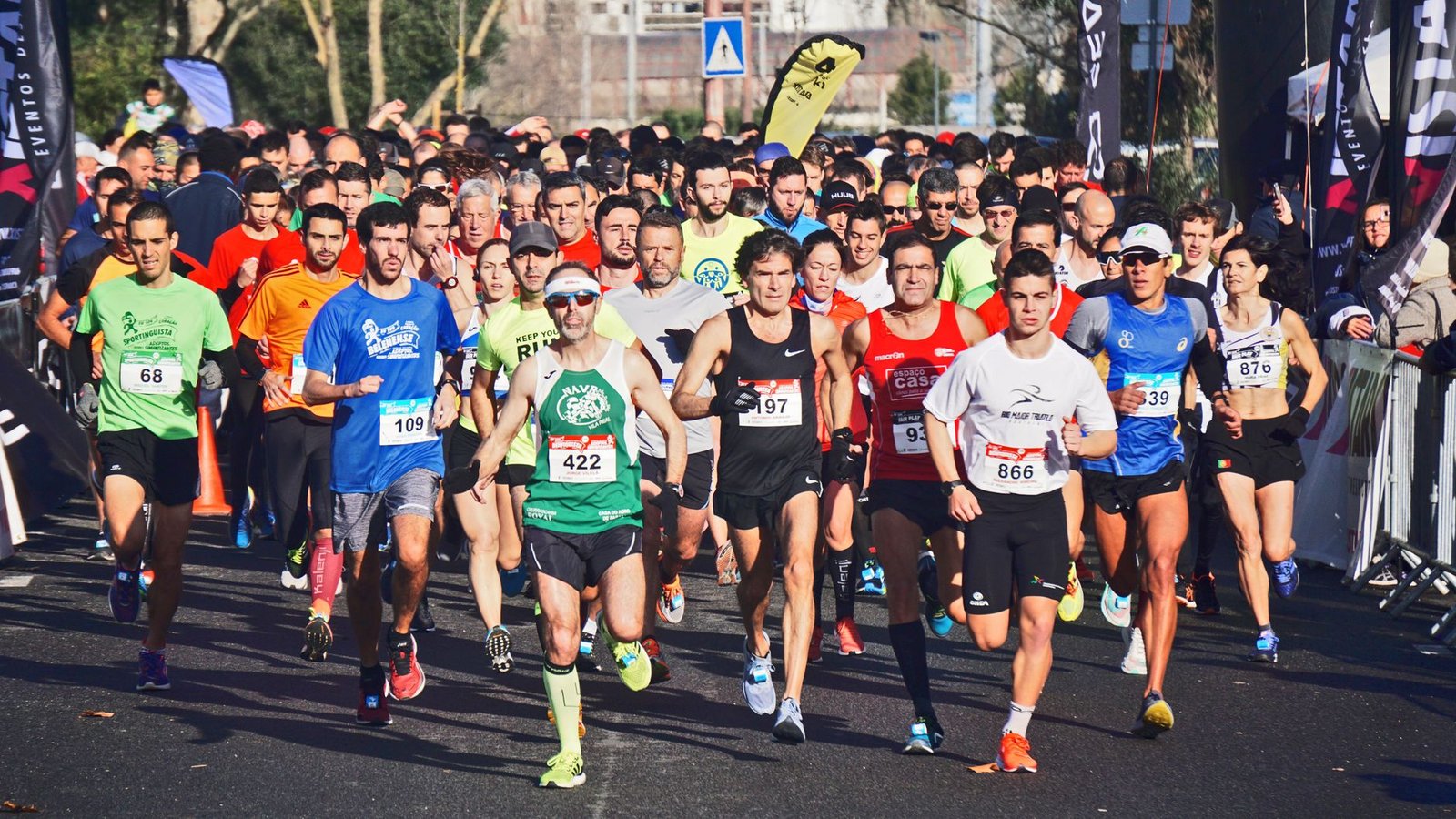
How to practice running through crowds without losing rhythm starts before you even move. Your placement in the corral or pace group changes everything. If you line up farther back than your true pace, you will spend the first stretch threading gaps, which pushes your cadence off-balance.
Ideally, start with others running a similar pace in your corral. Before the gun, take 10 seconds to settle posture. Relax your shoulders, check your breathing, and decide on a calm first half mile. You are training consistency, not reacting to pressure.
If you cannot find space, accept it. The worst choice is to surge to “fix it.” Surging creates the exact overstriding and braking that destroys rhythm.
Etiquette Turns Crowds Into a Rhythm Track
Courteous behavior is performance behavior. When you respect the flow of runners and walk breaks, you reduce unpredictable collisions and you stop having to brake at the last second.
It also helps to review crowd-specific guidance, and that matters because your instincts will be tested immediately after the start. In crowded racing, your body follows the cues around it. If you want practical reminders, check crowded race tips before you line up.
| Crowd Situation | Primary Action | Rhythm Target |
|---|---|---|
| First 0.5 mile congestion | Start 5 to 10 seconds slower | Breathing stays steady |
| Narrow tight corridor | Walk through densest section | Cadence not forced |
| Group surge ahead | Match effort, not GPS | Cadence holds same tempo |
| Interval zone with traffic | Flow spacing by heart rate | Stable effort windows |
| Water stop clutter | Move to side, sip while walking | Stride returns within 10 to 15 seconds |
When etiquette is clear, you stop playing roulette with foot placement. Your cadence becomes a habit again, not a reaction.
Passing and Signaling Must Be Predictable
Do not surprise people. If you need to pass, signal early and clearly. Call out “on your left” or “on your right” about 5 to 10 feet before you draw alongside. Your voice is part of your pacing strategy because fewer sudden moves mean fewer cadence resets.
Keep music low enough to hear others. Even if you are confident, you are not the only runner. Use simple hand signals for turns by extending the arm toward the side of the turn. A crowd responds to predictable patterns, not to last-second improvisation.
When passing is smooth, you regain rhythm faster. When passing is chaotic, you pay for it with braking and re-acceleration that feels like a second race.
Water Stops Should Not Become Full Stops
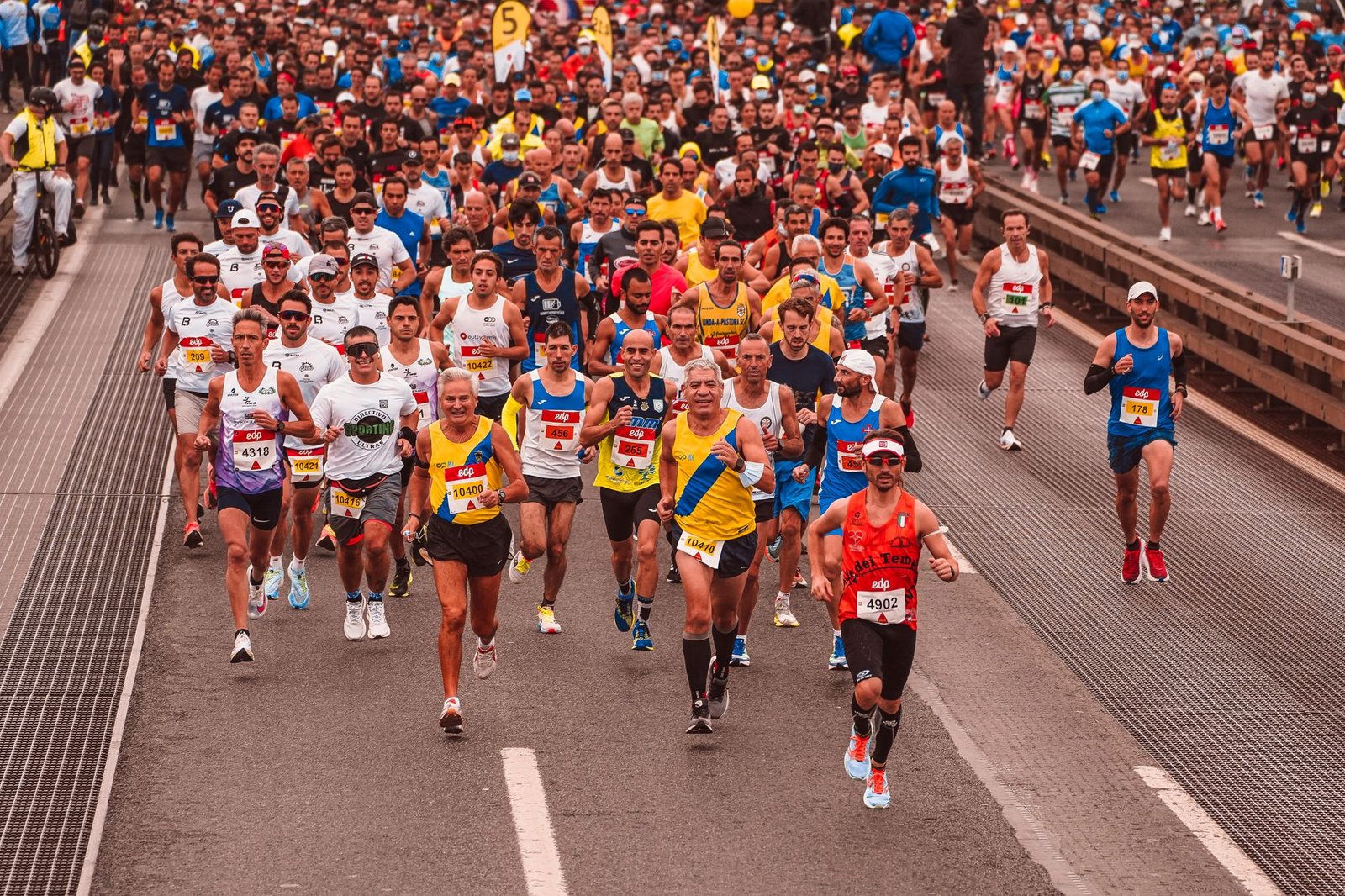
Slamming to a stop in the middle of the roadway kills rhythm. It also creates a chain reaction: the runner behind you slows, then the next one, and suddenly your cadence is stuck behind a traffic jam.
Instead, move to the side, grab your cup, and walk while sipping. If a water stop appears about 10 seconds before your scheduled timing, you can take the walk break earlier and protect the main run segments.
Keep your eyes up. Pedestrians, strollers, and dogs appear in the exact moment you need your attention most. Avoid weaving unless there is a clear path. A straight line with controlled effort beats a frantic zigzag every time.
Practice Crowds on Purpose, Not by Accident
If you only train in empty lanes, you will meet the crowd for the first time on race day. Your nervous system will treat congestion as danger, and your stride will tighten.
Practice by choosing routes that force you to navigate: busy sidewalks near shopping districts, park loops with frequent foot traffic, or group run days where pace varies. Start at an intentionally conservative effort and rehearse your walk transitions. Then repeat the same route until your body learns that stop-and-go is manageable.
Use a consistent cue during training. For example, “breathe, relax, lengthen” after every traffic slowdown. When race day arrives, you will not be guessing what to do.
Keep Your Cadence Home With One Mental Cue
When crowds surge, your mind tries to solve the problem. That is where rhythm goes to die. Replace problem-solving with a repeatable cue that anchors your mechanics.
Pick one phrase and use it every time you slow: “steady feet.” When people compress around you, let that cue bring your stride back to its normal tempo. If you drift into overreaching, the phrase should push you toward a quicker, lighter step.
Rhythm is not a gift. It is a behavior you rehearse under pressure.
Control Your Speed by Guarding Your Stride
One reason crowded running feels awful is that runners chase speed with bigger steps. Bigger steps require more braking when you meet another body, which forces you into a new cadence. That is why you need stride control.
Stay tall enough to avoid hunching, but do not “fight forward” when space narrows. Let your speed respond to room. Your job is to keep your stride from turning into a series of forced accelerations.
If you notice your feet landing far in front of you, reduce step length immediately. You will often find that you can keep cadence even when pace drops.
Use Debriefs to Improve the Next Crowd Session
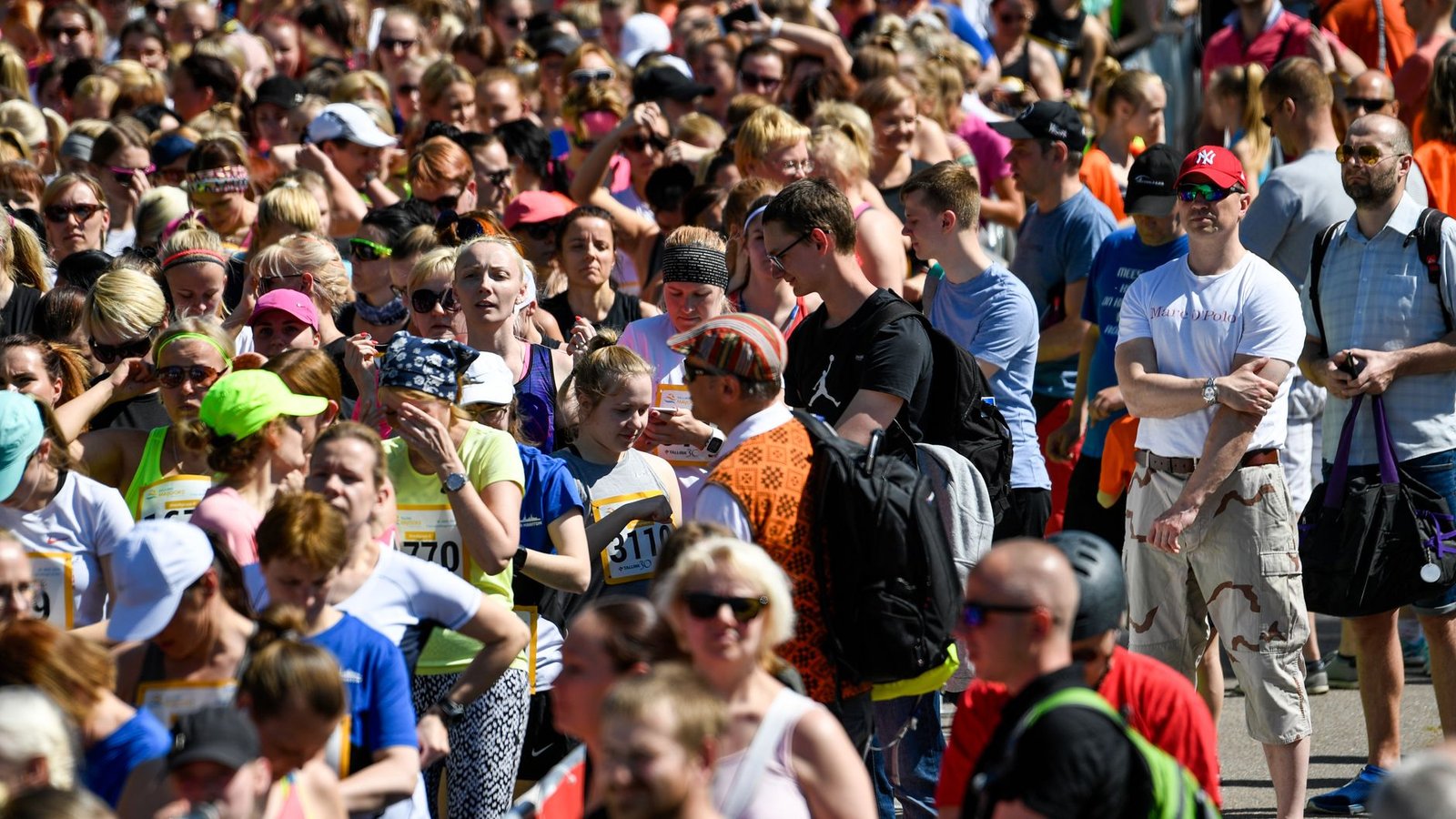
After the run, extract information quickly. Where did you lose cadence most? Was it the first bottleneck, the water stop, or the first forced pass? You do not need a perfect log. You need one clear pattern.
Replay the effort you felt rather than the pace you recorded. GPS data is noisy in crowds, but heart rate trends and perceived exertion still tell the truth about how your body handled compression.
Adjust one variable next time: earlier walk breaks, more conservative starting effort, or clearer signaling during passes. Small corrections compound because rhythm depends on repetition.
Gear Choices Should Reduce Decision-Making
Crowded running is packed with micro-decisions. Every extra choice drains attention and tempts mistakes. Your gear should minimize friction so you can focus on rhythm.
Choose footwear that you trust and keep lacing consistent. If you wear a watch, know what you will look at and what you will ignore. You are not chasing split times through congestion. You are chasing stable effort and cadence.
Bring the mindset of a technician: remove variables, then practice how to run through crowds without losing rhythm again and again until your body no longer treats people as obstacles.
How To Practice Running Through Crowds Without Losing Rhythm
How Do You Warm Up to Protect Your Rhythm When Running Through Crowds?
Start slightly slower than your target pace and treat the first stretch as a warm-up so your legs and breathing settle before you meet congestion.
What Pacing Strategy Helps You Run Through Crowds Without Fighting Congestion?
Keep your effort steady and avoid forcing your usual cadence when the path tightens; allow natural gaps and adjust your pace gently until spacing opens up.
How Can Run Walk Transitions Help You Keep Rhythm in Tight Crowd Sections?
Plan to walk through the most crowded sections and resume your normal rhythm when the route clears, using smooth transitions instead of abrupt stops.
Should You Use Intervals or Effort Based Flow in Crowds to Avoid Getting Stuck?
In tight areas, switch to effort based “flow” that matches your heart rate, and consider skipping or shortening intervals rather than trying to weave through people.
How Should You Position Yourself and Follow Crowd Running Etiquette for Smooth Passing?
Line up with others running a similar pace and use clear signals such as “on your left” or “on your right” early, while keeping music low enough to hear others.
How Can You Handle Water Stops and Avoid Weaving While Staying in Rhythm?
Move to the side for water, grab your cup, and sip while walking, then return to your cadence once you are clear of pedestrians, strollers, and dogs.
Train for Control, Not Chaos
How to practice running through crowds without losing rhythm comes down to one mindset: slow down early, plan your spacing, and use run walk transitions to protect your cadence when the path tightens. If you treat congestion as a skill to rehearse, you will stop improvising on race day and start moving with rhythm on purpose.

I am Ozan, a London-focused running writer and marathon enthusiast with a passion for helping people discover the city’s best races, running routes, walking trails, and fitness events. I research and write practical, up-to-date guides covering marathons, race preparation, training tips, running gear, and everything related to staying active in London.
My goal is to create reliable, easy-to-follow content that helps runners and walkers of all experience levels explore London with confidence, whether they’re preparing for their first 5K or their next marathon.