Most drivers lose their rhythm at the exact moments they could stay smooth and predictable. The real fix is learning how to handle park stops and traffic lights without losing rhythm by changing what you do during the pause, not by blaming the road. When your attention is scattered and your car is braked inconsistently, every restart feels like a new challenge.
The goal is “engaged but calm,” not autopilot. Get set before you creep forward, confirm visibility early, and manage your spacing so you are not reacting to the brake tap in front of you. Use timing and a buffer to lift sooner and brake less, and keep your eyes moving to about 3 to 4 cars ahead so the next move is already planned.
At each stop, control matters more than willpower. Don’t treat every red light or brief halt like you are truly parking, because shifting into Park at the wrong time breaks your timing and your readiness. Instead, keep the car ready to restart, use the handbrake or appropriate gear for a smooth launch, and do a quick scan at each halt before you settle. When the light turns, respond at your normal pace, and you will feel the rhythm return instantly.
Stop Lights Are Tests of Composure, Not Talent
Most drivers lose rhythm at park stops and traffic lights because they treat the moment like a performance. They tighten up, stare harder, brake later, and then wonder why the car feels jerky. Your goal is simpler: stay mentally engaged while remaining calm, so your inputs stay smooth and predictable.
Rhythm is what you get when your mind stops chasing the next emergency.
Ask yourself: are you driving the road, or are you reacting to it? When you keep composure, you naturally create earlier warnings, softer stops, and a cleaner restart. That is the difference between “I hope this feels okay” and how to handle park stops and traffic lights without losing rhythm.
Engaged and Calm Beats Zoning Out
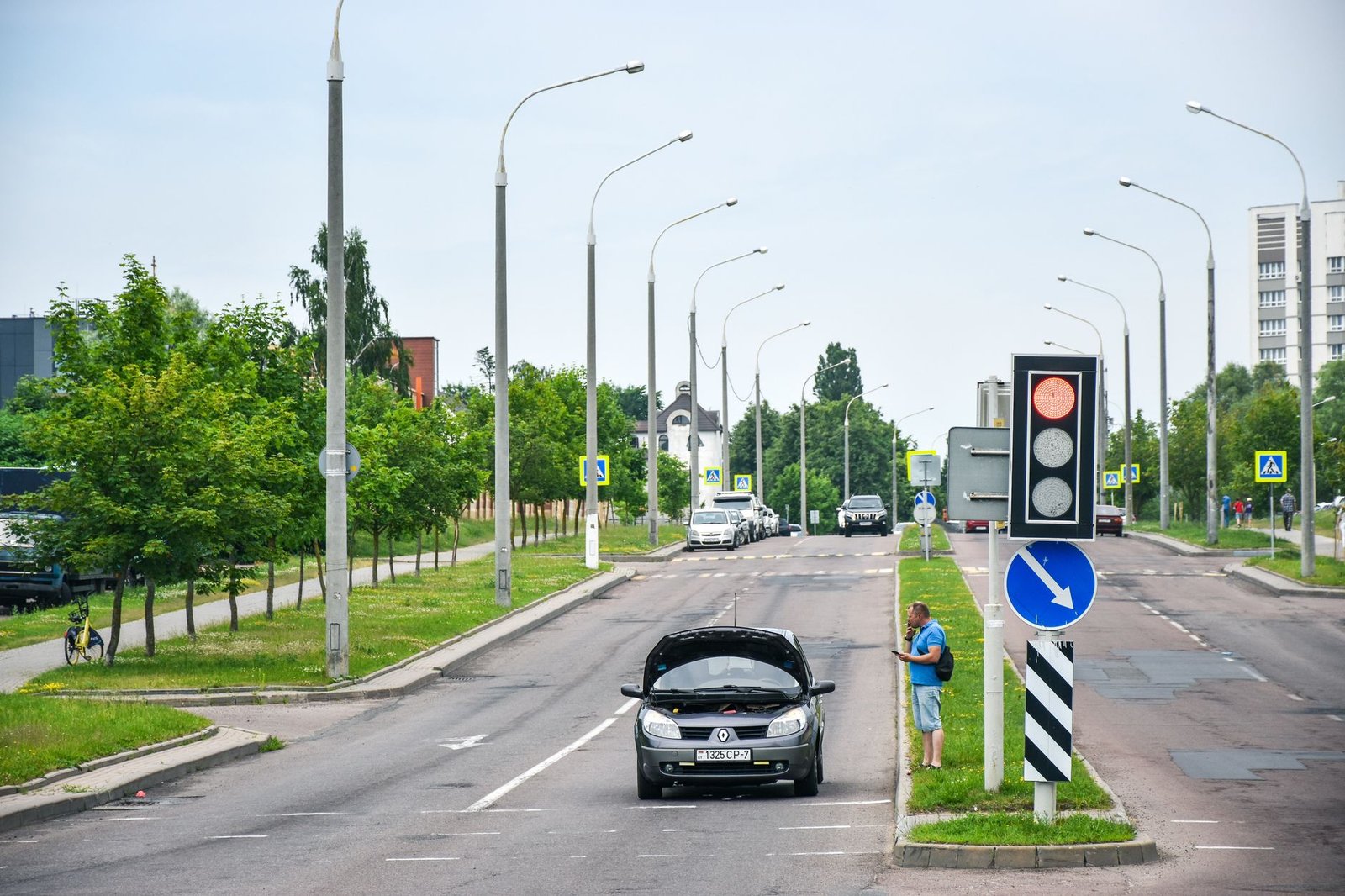
It is tempting to “zone out” at every red light, but zoning out is how you miss the early cues that protect your rhythm. The fix is not hyperfocus. It is a steady attention that stays wide enough to read traffic changes without turning your body into a tense alarm system.
Engaged means you are still scanning. Calm means you are not tightening your grip, not hovering on the brake, and not hunting for the next problem. When your breathing stays controlled and your posture stays upright, your hands and feet stop overreacting.
Set Yourself Before You Creep Forward
Rhythm is built before the first inch of motion. Before you creep at an intersection, get your stance right: upright posture, relaxed shoulders, and mirrors adjusted so you do not lean or twist to see what matters. Keep the cabin at a comfortable temperature so you do not burn focus on discomfort.
Then do the unglamorous part: fix visibility issues early. If you need to clear fog, wipe smudges, or correct glare, do it while conditions are calm. Why wait until the light turns green and you are forced to react under pressure?
Fix Visibility Problems Early and You Fix Yourself
If you cannot see clearly, you cannot time smoothly. Small visibility flaws turn into big nervous habits: last-second braking, late lane decisions, and unpredictable acceleration. Adjust mirrors, manage glare, and ensure your sightlines are usable before you rely on them.
When visibility is clean, your brain stops doing emergency guesswork and your braking becomes earlier and lighter. That is how you keep rhythm: reduce the number of surprises you demand from your nervous system.
Create Spacing That Lets You Breathe
Stopping smoothly is not about braking harder or softer. It is about giving yourself room to stop without panic. Use a small buffer between you and the car ahead so you can react with timing, not twitching. If you consistently leave too little space, you will need to brake every time the traffic wave flexes.
Use farther reference points too. Look 3–4 cars ahead and time your approach so you can move gently instead of responding to every brake tap. This is where rhythm is won.
- Leave a small buffer so you can lift sooner.
- Look 3–4 cars ahead to anticipate waves.
- Use earlier cues from farther brake lights.
The Simple Scan Ritual at Every Halt
At each halt, run a repeatable scan and then settle. Your job is not to stare; it is to confirm three things: mirrors, space, and the road ahead. Once you complete the scan, let your body rest so you do not build tension that leaks into your inputs.
Here is a quick reference that matches the rhythm-focused approach.
| Stop Moment | Target Distance or Timing | Calm Action |
|---|---|---|
| Before full stop | Lift early, brake once | Keep pressure light |
| At full stop | Scan cycle 2–3 seconds | Check mirrors and lane |
| Traffic wave ahead | Watch 3–4 cars | Track brake lights early |
| Restart readiness | Exhale 4–6 seconds | Hands steady, eyes forward |
| Temporary pause | Buffer 1–2 car lengths | Stay braked, ready to go |
After the scan, breathe with control. Exhale longer than you breathe in during stalls. Keep hands lightly on the wheel and your attention steady. If you must check your phone, do it before you roll into the next cluster. Red-light phone checks are a rhythm killer.
Brake Less by Thinking Earlier
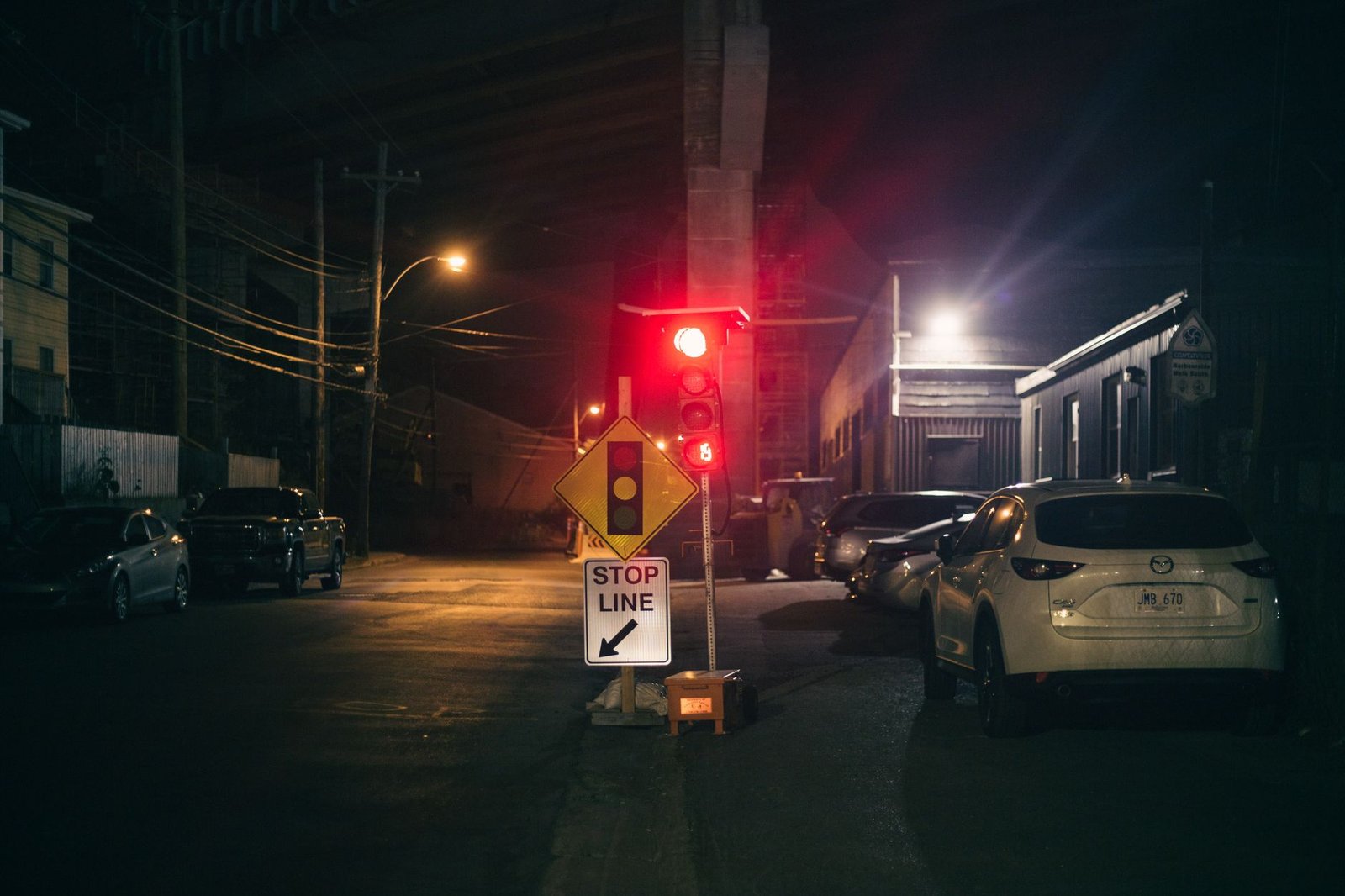
Farther brake lights are your early warning system. If you wait for the nearest driver to tap the brakes, you are late and forced to brake harder. The rhythm method is to lift sooner so you can brake less, which also keeps following drivers from compressing backward.
Timing and spacing work together: space gives you options, and earlier thinking gives you smooth decisions. This is why gentle stops feel effortless when you practice them, and why they feel chaotic when you do not.
Don’t Use Park for Temporary Waits
This is where many drivers quietly ruin their rhythm. For short red lights, do not use “Park” the way you would for real parking. Park is for when you’re truly parking, not for pausing in traffic and restarting repeatedly.
For longer waits, use the handbrake or keep the car braked and ready to restart. Every extra control shift increases the chance you fumble timing when the light changes. Rhythm depends on continuity.
Go When It’s Safe Not When You’re Afraid
When the light turns, be ready to go at your normal pace rather than rushing. If you rush, you create a surge that forces you to brake again. If you miss your moment, you invite the driver behind you to close the gap, and now everyone has to re-stabilize.
Preparation matters: your scan is done, your body is calm, and your controls are set. That means restart is a single smooth action, not a scramble. You are not sprinting from red. You are returning to normal traffic flow.
Steady Hands and Smooth Feet Beat Phone Checks
Traffic lights create micro-stalls, and micro-stalls expose your habits. Keep your body steady: hands lightly on the wheel, feet positioned for a smooth response, and attention anchored forward. Avoid phone checks on red, because distraction turns a controlled restart into a delayed, jerky one.
Also, pay attention to how your breathing changes. When you lengthen the exhale during stalls, your nervous system settles and your braking pressure becomes more consistent. Rhythm is not just mechanical. It is neurological.
Make One Lane Decision, Then Commit
Lane changes during stop-and-go traffic are where rhythm goes to die. The more you hover between lanes without a clear, safe reason, the more you create uncertainty in your speed control and braking. Prefer staying in your lane unless you have a definite, safe purpose.
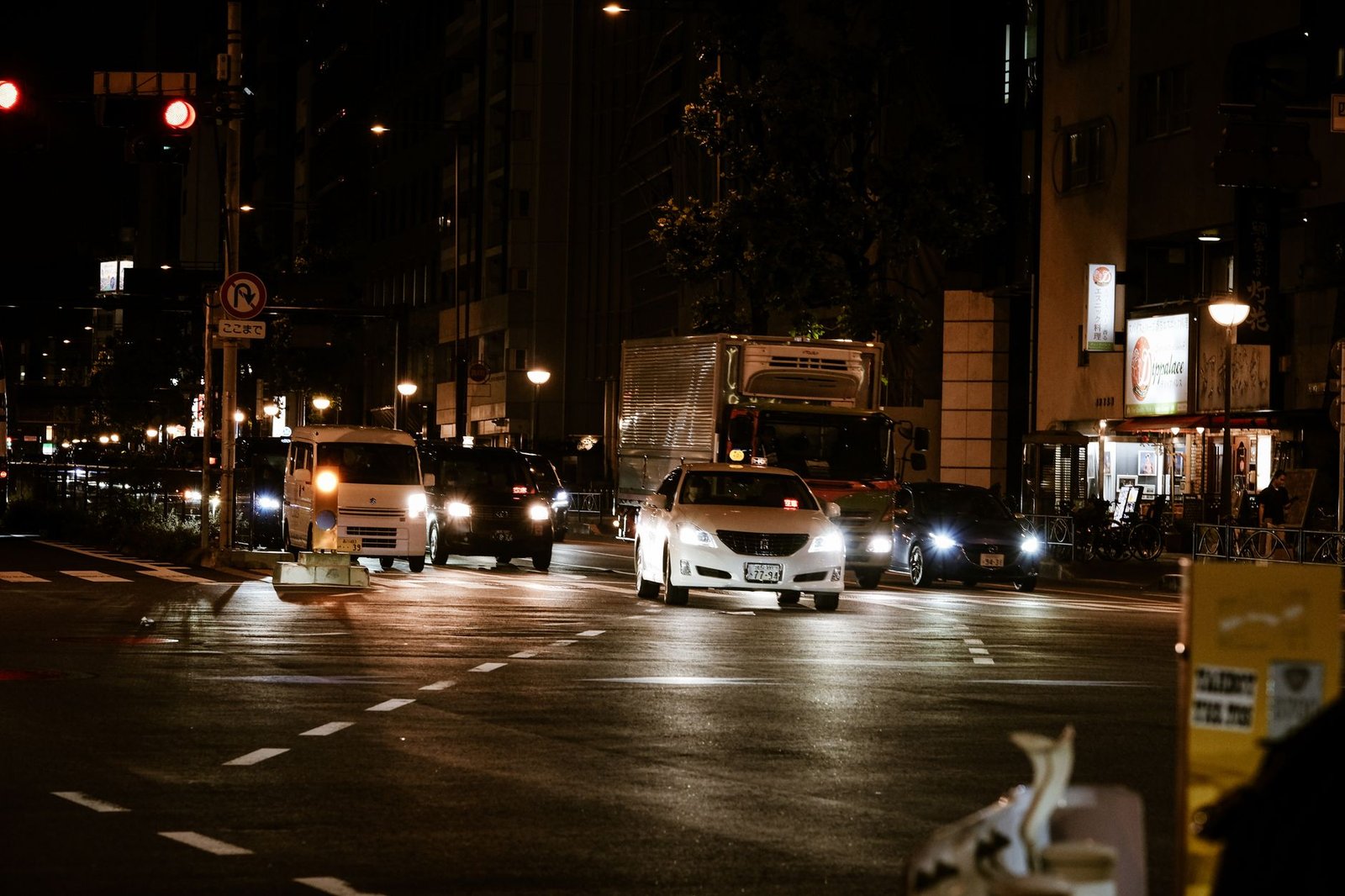
When you do change lanes, commit decisively after checking mirrors and space. That prevents the “half move” that forces the car to slow and surge repeatedly. Smooth drivers do not churn decisions. They execute clean ones.
Use Your Eyes on the Road, Not on the Brake Pedal
Your brake pedal will always be tempted to “confirm” what your eyes already should know. But rhythm improves when you trust the earlier cues you see, not the late cues you feel. Look ahead, watch brake lights farther out, and let your speed adjustment start earlier in the approach.
In stop-and-go, attention management is everything. Research on driver attention in stop-and-go focus tips aligns with what disciplined drivers experience: calmer scanning reduces the need for abrupt braking and improves perceived smoothness.
Practice Rhythm Like a Skill, Not a Mood
Rhythm is learnable. You do not need a perfect commute or flawless roads. You need repetition of the same sequence: set up your posture, confirm visibility, build spacing, scan at stops, and restart smoothly at the light. Each successful cycle teaches your body what “calm control” feels like.
So the next time traffic tightens, treat it as training. Will you respond with tension and late braking, or will you keep your mind engaged but calm and let spacing do the work? Choose the method you can repeat, and your driving will start to feel less like reacting and more like moving with the flow.
How Can You Handle Park Stops and Traffic Lights Without Losing Rhythm?
How do you stay mentally calm and engaged at park stops and traffic lights?
Before you creep forward at a park stop or approach a traffic light, set yourself up with good posture, relaxed shoulders, correctly adjusted mirrors, and a comfortable cabin temperature, then stay focused on the road instead of zoning out so you can move smoothly when it’s time to go.
What timing and spacing help you keep rhythm through park stops and traffic lights?
Use timing and spacing to avoid reactive braking by leaving a small buffer, looking 3–4 cars ahead, and watching earlier brake lights so you can lift sooner and brake less, which keeps your speed transitions gentle and consistent.
What should you do during a red light halt to maintain rhythm?
At each stop, do a quick scan of mirrors, space around you, and the road ahead, then settle your body while keeping hands lightly on the wheel and using steady breathing; avoid phone checks while the light is red to prevent losing your place in the driving flow.
Should you use Park at park stops and traffic lights, or something else?
Don’t use “Park” for temporary waits, since Park is meant for when you’re truly parking; if you’ll be stopped for a while, use the handbrake or keep the car braked and ready to restart, and if you drive a manual, shift into the appropriate lower gear as you approach so you can release the clutch smoothly without stalling.
How can you drive off at a green light without rushing after park stops?
When the light changes, be ready to move at your normal pace rather than sprinting or hesitating, so your transition feels steady and controlled and you don’t miss your moment.
How do visibility checks at park stops and traffic lights prevent rhythm breaks?
Fix visibility issues early—adjust mirrors before you reach the queue, ensure the cabin is comfortable enough that you’re not distracted, and keep your eyes tracking the lane ahead—so you can react smoothly to changing conditions without sudden stops.
Keep Your Driving Rhythm Through Stops
If you want a steady pace, the real answer to how to handle park stops and traffic lights without losing rhythm is simple: set up early, stay mentally engaged but calm, and manage spacing so you can move smoothly instead of reacting to every brake tap. Scan before each halt, keep your body steady, avoid phone checks on red, and use proper stop control since “Park” is for parking, not waiting. When the light changes, be ready to roll at your normal pace, because rhythm is protected by preparation, not by rushing.

I am Ozan, a London-focused running writer and marathon enthusiast with a passion for helping people discover the city’s best races, running routes, walking trails, and fitness events. I research and write practical, up-to-date guides covering marathons, race preparation, training tips, running gear, and everything related to staying active in London.
My goal is to create reliable, easy-to-follow content that helps runners and walkers of all experience levels explore London with confidence, whether they’re preparing for their first 5K or their next marathon.