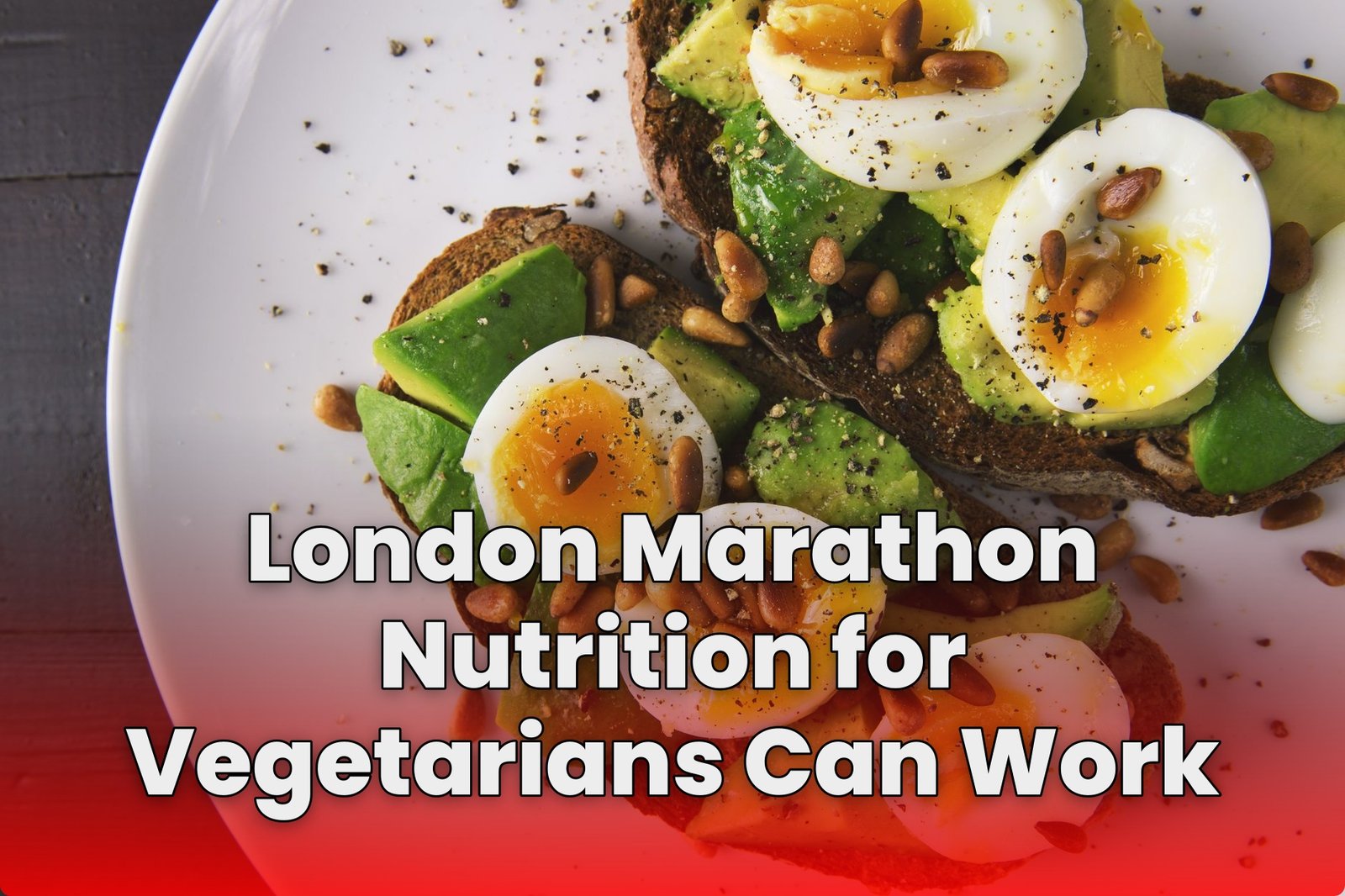
Vegetarian marathon nutrition does not have to compromise your energy. The myth is that you must choose between plant-based eating and feeling fueled on race day, but that only holds when training and fueling are treated like an afterthought instead of a plan.
For London Marathon nutrition for vegetarians, the winning approach is phased: you match your calories and carbs to the intensity of your training block. During easier base weeks, you can eat “normally” while still building consistency, then gradually raise intake as sessions get harder, so your body learns to rely on steady fuel rather than last-minute panic snacks.
When you build energy without compromise, you stop thinking in extremes and start thinking in adjustments. You emphasize protein-rich foods for repair, keep fats supportive for nutrient absorption, and use carbs strategically, especially in the days leading into the race, so you arrive with muscle glycogen ready and digestion that can handle the work.
Vegetarian Training Demands Planning Not Panic
If you are a vegetarian chasing marathon shape, the problem is not your diet. The problem is the lazy belief that endurance training will “just work” without a fueling plan. London Marathon nutrition for vegetarians can absolutely support the long sessions, the intensity, and the finish-line confidence you want, but only if you treat food as training.
Critics argue that plant-based eating cannot supply what runners need. That argument collapses the moment you look at the fundamentals: carbohydrates for glycogen, protein for repair, and iron and hydration strategy for energy stability. Vegetarians can hit all three with everyday foods, not compromise.
So why does the worry keep spreading? Because many people copy random “healthy” meal templates while ignoring the math of effort, timing, and recovery. If you build energy without compromise, you start with phases and targets, not vibes.
Base Phase Semi-Normal Eating With Smart 15–20% Boost
During the base phase, your training is low-and-slow for a reason. It builds durability, improves metabolic flexibility, and teaches your body to operate efficiently. Your nutrition should support that work without pretending every day is race day. Semi-normally eating is fine, but you still need about 15–20% more overall intake to cover the weekly mileage and daily recovery needs.
Here is the key: hunger can rise in low-and-slow blocks. That is not always a sign you are failing. Some runners feel it because training can lean more on fat use than glycogen, so your body may signal earlier. Respond with balanced plates: leafy greens, starchy vegetables, legumes, whole-food starches, and healthy fats.
If you constantly fear appetite, you will overshoot into under-eating. Trust your hunger cues in base, then tighten the plan as intensity climbs. That is how you build energy without compromise.

Fuel the Workout With Easy Carbs Before You Feel Restricted
Restriction feels bad because your body knows it is missing fuel. When sessions start to matter, you need an uncomplicated pre-workout routine that adds energy without drama. For vegetarians, the easiest route is fruit plus nut butter or any small combo that is quick to digest.
Use practical boosters like these on days when you want the session to feel smooth:
- Banana + almond butter before the run
- Toast + jam when you need something reliable
- Fruit plus a small handful of nuts if the run is longer
Then add a post-workout smoothie or snack so recovery is not left to chance. Think plant milk or yogurt alternative, fruit, and a protein source like tofu, lentils blended into a smoothie, or a plant protein powder if that is what keeps you consistent.
Protein Timing Protects Muscle When Your Mileage Climbs
Distance training is not just endurance. It creates micro-stress, and muscle repair is the quiet engine behind stronger runs. Many vegetarian runners underestimate protein because they see “healthy meals” as enough. It is not enough if the total daily protein and distribution do not match the load.
A solid target for active runners is about 1.2–1.6 g protein per kg body weight per day, adjusted for your hunger and digestion. Then spread it across the day so you are not relying on one big dinner to cover the whole workload. Include legumes, soy foods, seitan if you use it, tempeh, lentils, beans, and protein-fortified alternatives.
But what about the counterargument that plants cannot deliver “real” protein? That view ignores that essential amino acids come from combinations and totals. A bowl of lentils plus rice, tofu plus potatoes, or beans plus whole grains can absolutely support recovery.
Carb Strategy Beats Fat Myths for Marathon Energy
Fat is not the villain, but it is not the marathon engine either. The marathon demands carbs because you are rebuilding muscle glycogen repeatedly, not just powering a morning walk. If you rely on fats and greens alone, your runs will feel flatter, and your recovery will slow.
That is why the balance shifts as training intensity rises. Keep fats about the same for nutrient absorption and satiety, but raise calorie density with carbs and protein when fatigue grows. On harder days, lean into starchy vegetables, whole grains, oats, potatoes, beans, and fruit.
On marathon training days, the question is not whether you eat carbs. The question is whether you eat enough carbs at the right moments.
And yes, low-and-slow can burn more fat than glycogen, which can make you hungrier. That is not a license to keep calories too low. It is your cue to fuel intelligently.
A Practical Phased Plate Map for London Marathon Nutrition for Vegetarians
Phases should change what you emphasize, not force you into constant reinvention. A simple plate map keeps london marathon nutrition for vegetarians grounded: you adjust calories, you adjust carb emphasis, and you protect protein and micronutrients as the workload intensifies.
The following targets are not commandments. They are guardrails that prevent the two most common failures: under-fueling in base and panicked overhauls in race week.
| Phase | Fuel Focus | Numbers to Aim For |
|---|---|---|
| Base low and slow | Balanced meals | +15–20% calories |
| Hard building | Protein and carbs | 1.2–1.6 g/kg protein |
| Performance runs | Practice carbs | 30–60 g carbs per hour |
| Race week | Lower fiber, keep carbs | Reduce fiber slightly |
| Race day | On-course fueling | Sodium 300–600 mg/h |
When you can visualize the “why” behind each phase, food becomes predictable. Predictability is what lets you build energy without compromise instead of chasing energy with last-minute fixes.
Race Week Is Not a Surprise Experiment Reduce Fiber Gradually
Race week is where nerves tempt you to do too much. The correct move is not a dramatic diet overhaul. The correct move is small, controlled adjustments that reduce the odds of digestive chaos on race day.
Introduce a slight decrease in fiber as the days get closer to the marathon. That does not mean stripping out plants. It means paying attention to what makes you feel heavy, gassy, or urgent. Swap very bulky high-fiber meals for simpler, more digestible carb sources while keeping protein steady enough for recovery.
The goal is comfort plus glycogen support, not a cleanse. If you cut too hard, you risk feeling flat. If you keep fiber too high, you risk turbulence.
Glycogen Loading Over Several Days, Not One Big Dinner
Muscle glycogen is built and topped off gradually. That is why the best carbo-loading strategies feel almost boring: consistent, tested meals across several days rather than a single massive “carb bomb” the night before.
As you shift toward performance-specific eating, increase complex carbohydrates and starches, then keep the changes incremental. If your digestion likes certain carbs and dislikes others, choose the favorites you already tolerate well. Potatoes, rice, pasta alternatives, oats, bread, and fruit can do the job.
This is also where your earlier practice matters. You already trained your gut with long runs. Race week should refine that, not rewrite it.
Hydration and Electrolytes Decide Whether You Finish Strong
Many vegetarian runners treat hydration as a simple water question. It is not. Long efforts require fluid plus electrolytes, especially sodium, because sweat losses can be significant and energy levels track with hydration status.
Aim for steady sipping, not chugging, and include sodium through salted foods or sports hydration options when needed. A reasonable target for many runners is 300–600 mg sodium per hour, adjusted to sweat rate and conditions. Coconut water can help with potassium and fluids, but it is not a guarantee by itself.
“I drink a lot of water, so I must be fine.” That logic fails when sodium is low. Water alone can leave you feeling sluggish. Fuel plus electrolytes is the pairing that keeps race-day energy intact.
Test Pre and Mid Race Fuel Before It Matters
Your pre-race plan is not superstition. It is risk management. You cannot “wing it” with gels, bananas, crackers, or smoothies and then blame the marathon for your stomach. If you want performance, you rehearse the exact products, the timing, and the portion sizes.
That means practicing before long sessions and locking in what agrees with your gut. For marathon nutrition guidance, treat fueling like training itself, because the gut adapts to repetition more than to intention.
Build your mid-run fueling schedule early. Know what you will take at each mile-equivalent and what you will chase with fluids. When it is planned, you spend mental energy on running, not deciding.
Build Energy Without Compromise by Tuning Portion Density
Compromise usually comes from eating too little for too long. If your body is burning through glycogen during harder blocks, you need calorie density that does not feel heavy. Vegetarian foods can be dense and satisfying without feeling restricted, but only if you choose the right building blocks.

Easy ways to raise calories include nuts, seeds, and coconut, plus simple add-ins that upgrade normal meals. Consider sprinkling crushed nuts into oats, blending a handful of seeds into a smoothie, or using a richer plant-based sauce when the training week asks for it.
Energy should feel steady, not spiky. When you tune density, your hunger becomes a tool instead of a threat. That is the real definition of build energy without compromise.
The Real Win Consistency and Recovery After the Finish
The marathon ends, but the training lesson does not. Your post-run recovery determines how quickly your next session improves. Many runners treat the race like the only event and ignore the hours after. If you want to keep progressing, you refuel the work.
Within the first window, aim for carbohydrates plus protein. A smoothie, a hearty bowl with rice and beans, or tofu with starchy vegetables can restore glycogen and support repair. Don’t forget hydration, especially if the race included heat or strong wind.
Consistency beats intensity in the long run. When your london marathon nutrition for vegetarians plan is phased, tested, and repeatable, you earn the finish you trained for.
How Can London Marathon Nutrition for Vegetarians Build Energy Without Compromise?
Should You Use a Phased Approach for London Marathon Nutrition for Vegetarians to Build Energy Without Compromise?
Yes—match your meal plan to training intensity by building steadily during base and build blocks, then fine-tune for performance and race week without making drastic changes that could upset digestion.
How Much Should Vegetarian Runners Increase Intake During the Base Phase for the London Marathon?
During low-and-slow base training, increase overall calories gradually (about 15–20%) while keeping meals balanced with leafy greens, starchy vegetables, legumes, whole-food starches, and healthy fats.
What Plant-Based Pre-Workout Snacks Help You Build Energy Without Feeling Restricted for London Marathon Training?
Use easy add-ons like fruit plus nut butter (for example, banana with almond butter) or toast with jam, and consider a simple smoothie or snack after training to lift calories without feeling “restricted.”
Which Protein Sources Best Support Muscle Repair for Vegetarian London Marathon Runners?
Prioritize protein-rich, essential-amino-acid foods by emphasizing legumes and plant-forward staples, and keep fats at a similar level to support nutrient absorption while raising calorie density with carbs and protein as intensity increases.
How Should Race Week Carbs and Fiber Be Adjusted for London Marathon Nutrition for Vegetarians?
Build muscle glycogen over several days by gradually shifting toward more carbs and slightly lowering fiber, so you get energy-dense meals without triggering common race-week digestive issues.
Do You Need to Test Your Pre-Run and Mid-Run Fuel Plan Before Race Day for Vegetarian London Marathon Nutrition?
Absolutely—practice your exact pre-race meal and mid-run fueling during training, keep the plan consistent in race week, and focus on adequate rest so your fueling strategy works on race day.
Build Energy Without Compromise In London Marathon Nutrition
For a successful run, london marathon nutrition for vegetarians, build energy without compromise must be treated as training, not guesswork: fuel consistently in the base phase, add calorie-dense but easy-to-digest boosters as intensity rises, prioritize protein and carb timing during the build and performance weeks, and keep race week changes small and tested so your gut and glycogen both show up ready on day one.

I am Ozan, a London-focused running writer and marathon enthusiast with a passion for helping people discover the city’s best races, running routes, walking trails, and fitness events. I research and write practical, up-to-date guides covering marathons, race preparation, training tips, running gear, and everything related to staying active in London.
My goal is to create reliable, easy-to-follow content that helps runners and walkers of all experience levels explore London with confidence, whether they’re preparing for their first 5K or their next marathon.