Carbohydrate needs for London walkers stay modest on ordinary trips: if you walk continuously for under two hours at about 2.5-3.5 mph, water is usually enough. Extra sugar may not provide a measurable benefit for many walkers on this type of outing.
Longer walks need a food plan rather than just the meal you ate before leaving. The right amount depends on how long you will be moving and whether you can buy food along the route.
Key takeaways
- When a drink is part of your food plan, keep it at or below 8 grams per 100 milliliters and count it toward the hour’s carbohydrate.
- If eating before setting off feels comfortable, have the carbohydrate food about an hour beforehand; otherwise choose a familiar portion you can digest.
- On the Capital Ring or London LOOP, mark food and water stops in advance because one breakfast will not cover a full-day walk.
Longer Walks and Planned Carbohydrate
A walk lasting beyond two to three hours calls for about 30-45 grams of carbohydrate per hour. Start with food you can carry, eat, and digest comfortably rather than trying to take it all at once. Hunger can arrive after your energy has started to fall, so take a small snack during a long route instead of waiting until you feel shaky or unable to keep your pace. You do not need to eat the full hourly amount as soon as you leave home. Spread it across the route and adjust the portions to the stops available.
A snack with about 30 grams of carbohydrate gives roughly 120 calories from carbohydrate. It can cover the lower end of one walking hour without turning every break into a full meal.
| Food or drink | Serving | Carbohydrate | Use on a long walk |
|---|---|---|---|
| Medium banana | 1 banana | About 27 grams | Nearly one hour |
| Oat flapjack | 45 grams | About 25-30 grams | About one hour at the lower end |
| Carbohydrate drink | 500 milliliters at 8% | About 40 grams | About one hour |
| Carbohydrate drink | 750 milliliters at 8% | About 60 grams | More than one hour |
The banana suits a stop near a station, while the flapjack travels better in a daypack. The smaller drink is closer to one hour’s target; the larger one supplies more than that amount for walking. Read the carbohydrate figure on the label and count the drink as part of your hourly food.
Walking shoes on a London pavement
Pack separate portions so you can eat one at a time. A smaller snack during a break is easier to manage than a large amount after a sudden slump, and separate wrapping keeps a flapjack from being crushed into the bottom of your bag.
Food Before a Walk
Eat a carbohydrate-containing meal or snack about one hour before you start if that timing feels comfortable and you want fuel without setting off immediately after eating. Your stomach may need more time, so use a later meal or a smaller portion if an hour leaves you uncomfortable. Oats, bread, cereal, fruit, milk, yogurt, and starchy vegetables all provide useful carbohydrate. Pairing oats, bread, or cereal with a protein food such as Greek yogurt makes a practical pre-walk meal. Protein can make the meal more filling, so Greek yogurt with oats and sliced fruit may last longer than a sweet drink alone.
Good combinations include:
- Oatmeal with milk and banana
- Whole-grain toast with eggs and fruit
- Cereal with Greek yogurt
- Baked potato with cottage cheese
- Bread with peanut butter and a glass of milk
Keep the portion familiar. A very large breakfast can make the first miles uncomfortable, especially if you leave soon after eating. The aim is food you can digest while walking, not a heavy meal that forces you to slow down.
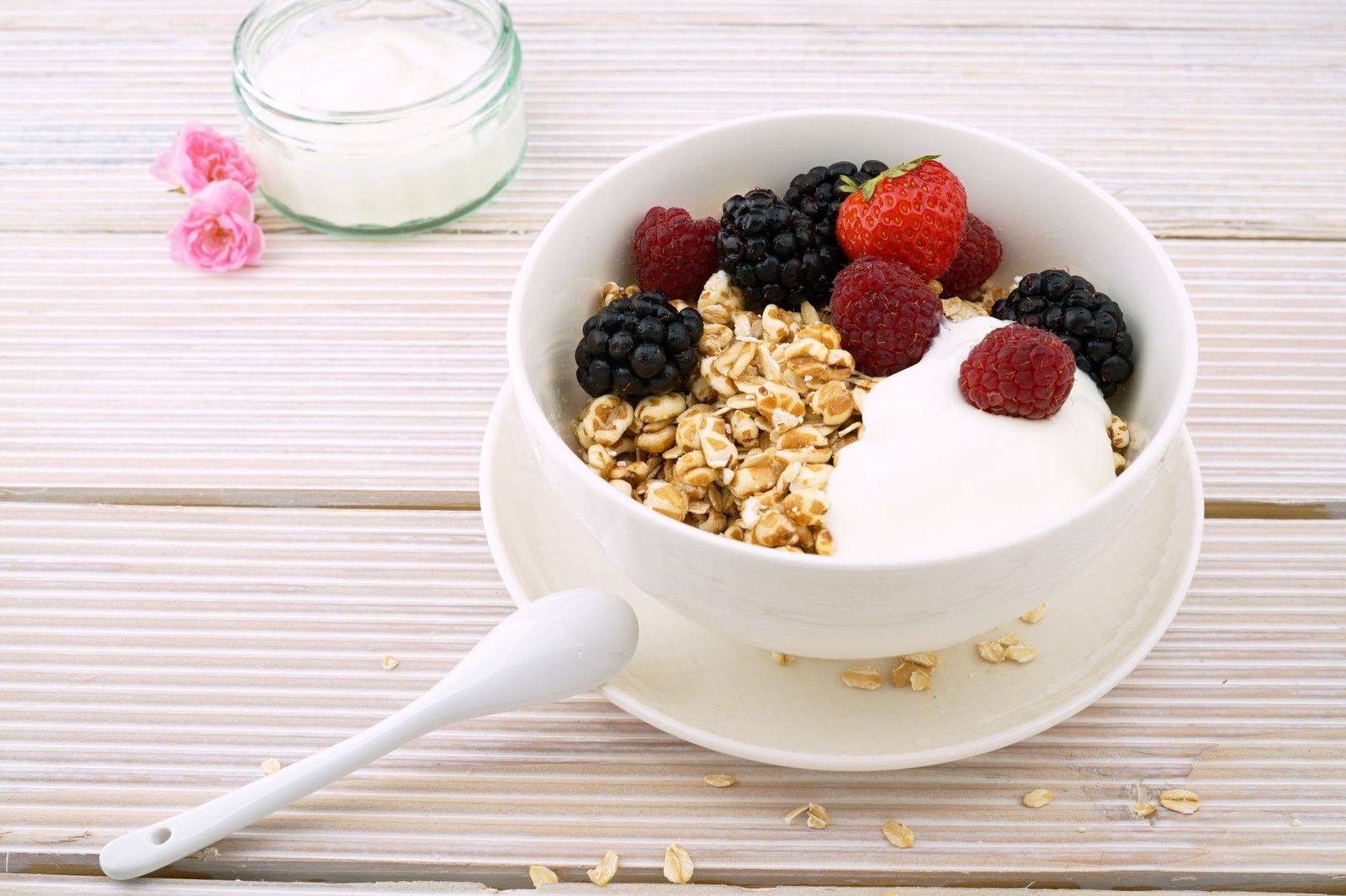
Bowl of oats with yogurt and sliced fruit
If you travel to the start, choose something you can eat without finding a sit-down meal near a busy station. A banana with peanut butter, rice cakes with honey or jam, or oat balls can provide a manageable pre-walk meal when you need to eat on the move.
Portable Foods for Steady Energy
Portable food works best when each item has a clear job. Quick carbohydrate helps when you need food soon, while protein, fiber, or healthy fat can make a long gap before the next meal easier to manage. For a long walk, combine a carbohydrate food with one of these slower-digesting additions when a filling snack suits you better than a quick sugary food.
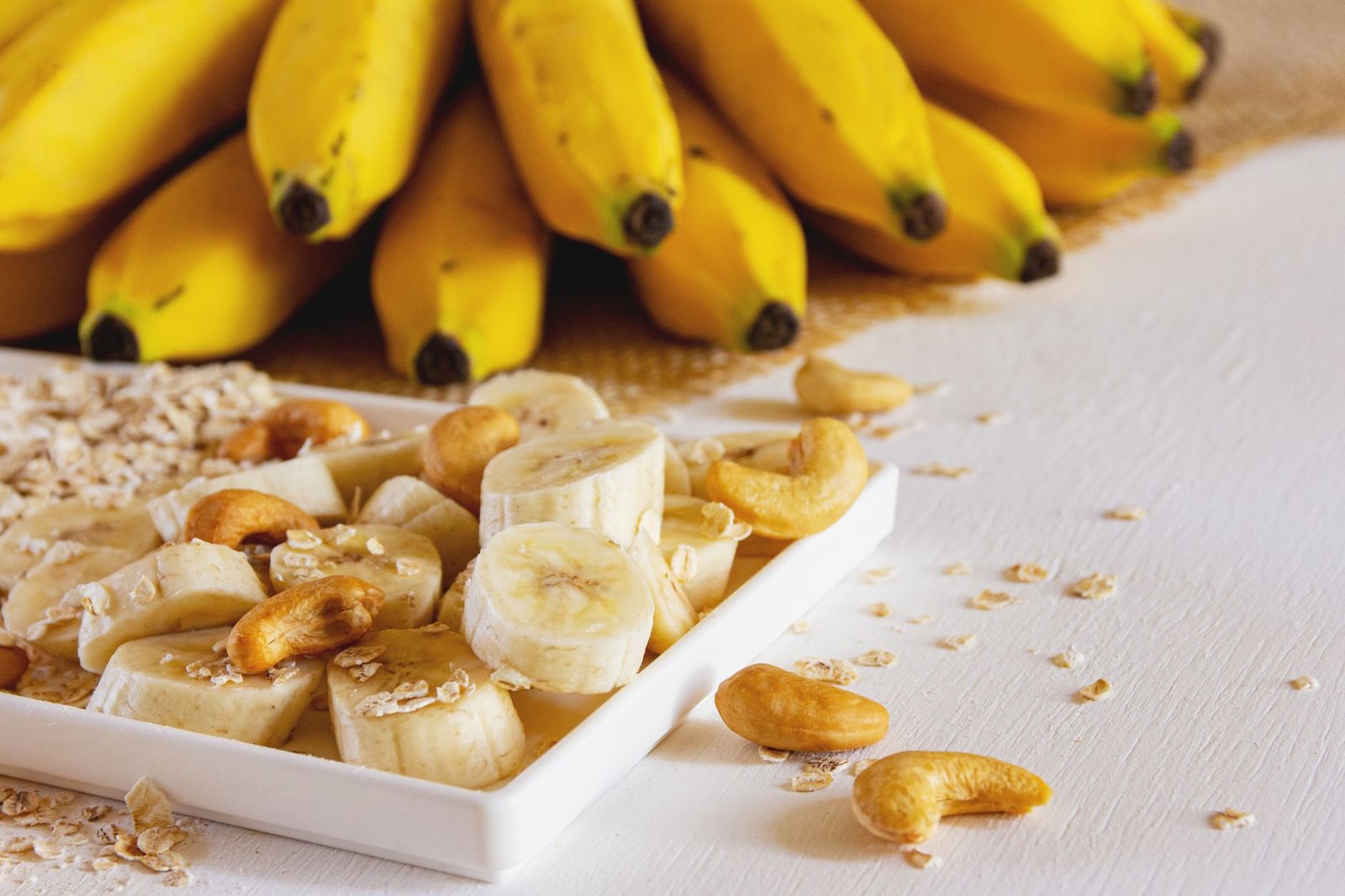
Sliced bananas, cashews, and oats arranged for a nutritious breakfast.
Useful choices include:
- A banana for quick, familiar carbohydrate
- An oat flapjack for a compact snack that takes time to chew
- Dried or fresh fruit when you want food that needs no preparation
- Oat balls with peanut butter when you want a slower, more filling bite
Fiber can feel uncomfortable if you eat a large amount quickly while walking. Healthy fat may also slow digestion, depending on the portion and how your stomach handles it.
Portable snacks such as fruit and oat-based bars fit the same general pattern as foods that fuel active sessions, but an urban walking pace does not call for the same intake as a hard running session.
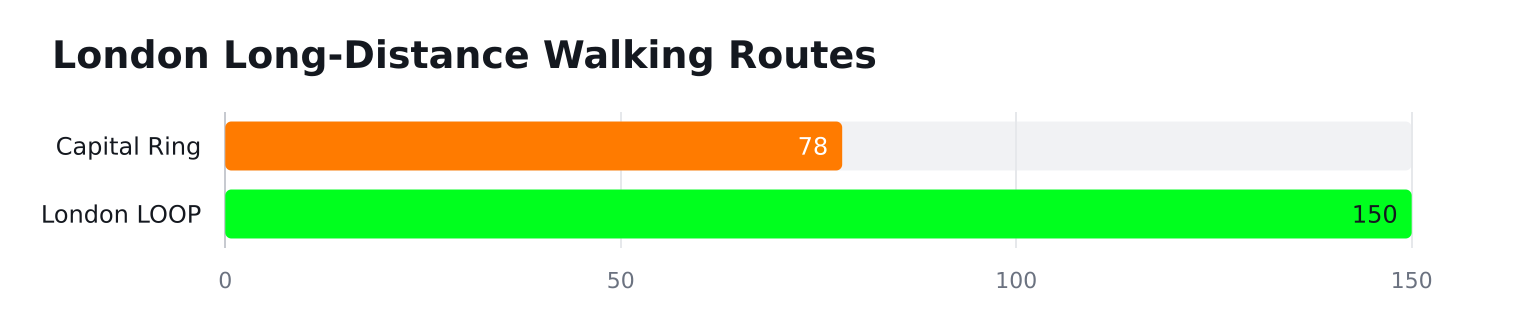
Route distances show why extended London walks require planned food and water.
Drinks Without Stomach Trouble
A carbohydrate drink gives you fluid and fuel, but its strength affects how comfortably your stomach handles it. Keep the concentration at or below about 8 grams per 100 milliliters. A stronger mixture can slow stomach emptying and pull water into the intestine, which may leave you bloated or make diarrhea more likely.
Choose the smaller listed bottle when the rest of your food already covers most of the hour. The larger bottle supplies more carbohydrate than the usual hourly walking target, so count it before adding a snack.
Plain water suits a walk under two hours, a day when you have eaten normally, or a route where you already carry food. It also helps on a warm day when fluid matters more than extra carbohydrate.
If a sports drink tastes too strong, dilute it with water and recalculate its carbohydrate before relying on it for fuel. A drink that sits comfortably in your stomach is more useful than one that makes you stop.
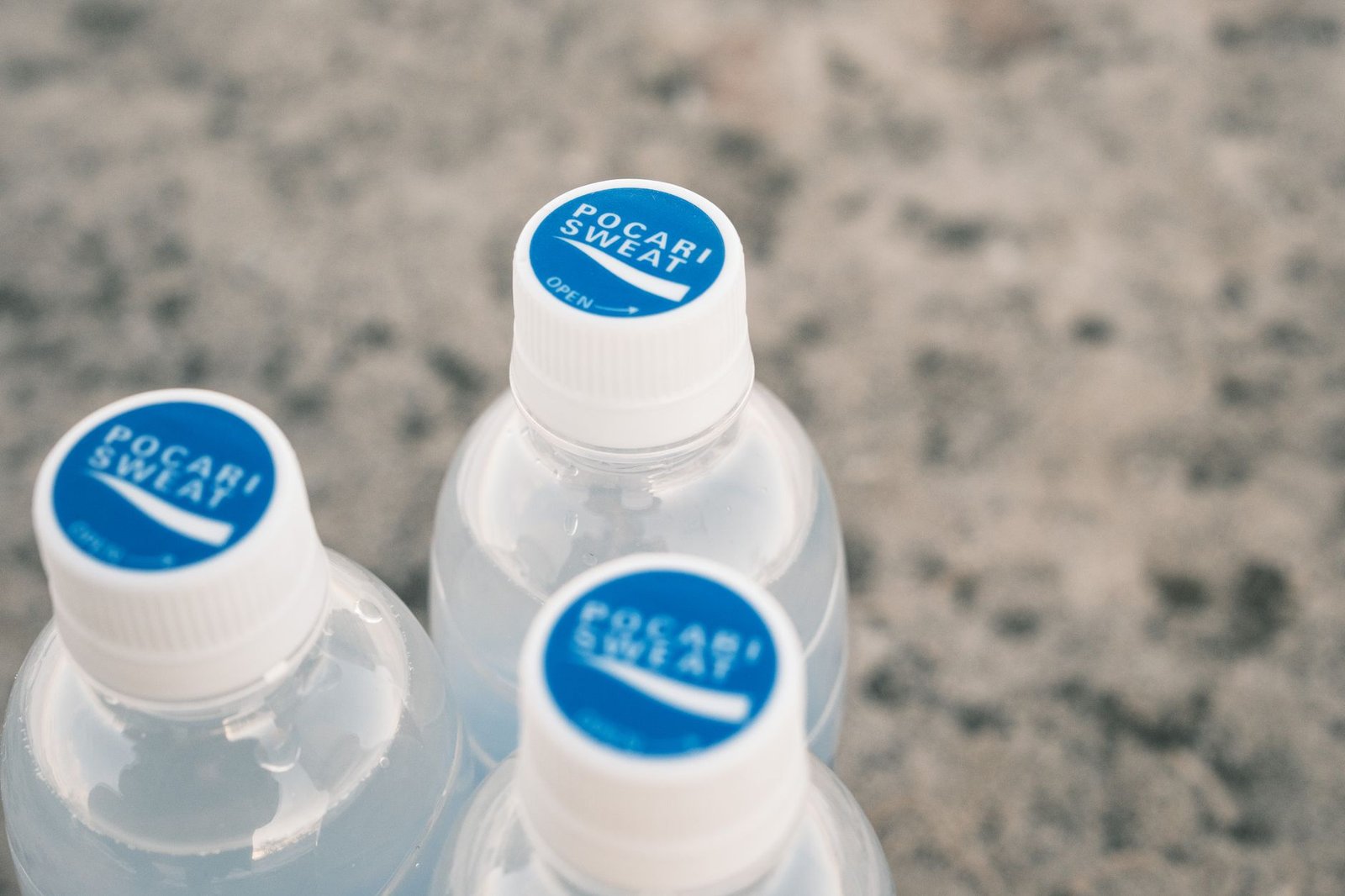
Three Pocari Sweat bottles with blue caps on a stone surface.
Planning Food for London’s Long Routes
A route that lasts all day needs a food plan before you leave home. London’s Capital Ring is about 78 miles long and the London LOOP is about 150 miles long, so completing either as a long walk requires planned food and water rather than one meal before departure.
Plan three things together:
- How many hours you expect to walk
- Where you can refill water
- Where you can buy or eat carbohydrate
Use the route map to mark stations, grocery stores, cafes, and reliable water stops. A shop near the middle of a route can reduce the food you carry, but do not rely on a business being open unless you have a backup snack in your bag. Check whether the route reaches a dependable food stop before your carried portions run out. If it does not, pack enough carbohydrate to cover that gap.
A breakfast about one hour before departure can cover the start when that timing feels comfortable. Carry food for the first stretch, then replace what you eat at planned stops. The length of the gap between those stops determines how many portions you need.
Weather and walking speed can change when fatigue arrives. A fast pace, steep section, or warm afternoon may make food and water more important sooner, while a slow walk with frequent stops may require less carbohydrate per hour. Set the amount from your expected moving time and add one spare portion for delays.
A Better Way to Plan Carbs for Walkers in London
Carbs for Walkers in London work best when your food plan follows the route, not a generic sports schedule. Before leaving, put your first banana or flapjack in the outer pocket of your daypack and set a 60-minute phone reminder.
Frequently Asked Questions
What carbohydrate gives you energy right away?
Glucose provides immediate energy, along with other carbohydrates that your body quickly breaks down into glucose. Foods that digest quickly can therefore help sooner than slower, more filling choices. They are most useful when you need fuel during a longer walk.
Do I need a recovery drink after a walk under two hours?
A normal meal afterward is usually enough when your walk ends before two hours. You do not need a special recovery drink solely because you walked. Eat your usual meal when you are hungry and replace fluids with water.
Can I refill my bottle at London Overground stations?
Many London Overground stations do not have free public drinking-water refill fountains. If you use a carbohydrate drink, plan where you will get both water and food instead of assuming the station can refill your bottle. Carry enough to reach a dependable stop.

I am Ozan, a London-focused running writer and marathon enthusiast with a passion for helping people discover the city’s best races, running routes, walking trails, and fitness events. I research and write practical, up-to-date guides covering marathons, race preparation, training tips, running gear, and everything related to staying active in London.
My goal is to create reliable, easy-to-follow content that helps runners and walkers of all experience levels explore London with confidence, whether they’re preparing for their first 5K or their next marathon.