Most London runners waste a good forecast by treating it like a single number. Temperature alone is rarely the whole story in a city where drizzle, wind, and humidity can change how hard your effort feels within minutes. In this article, I argue that weather forecasting is only useful when you convert it into pacing and kit decisions before you ever leave the house.
Start by checking the race-week or session forecast and updating it close to go time, because models and regional averages can lag behind what your specific route will feel like. Then decide how to dress for how you will run, not how the forecast looks from a screen, and adjust layers, hydration, and friction protection based on rain, cold, and visibility. If fog or low visibility is on the menu, plan safer routes and bring the gear that keeps you seen.
The goal is simple: use London weather forecasting to protect your comfort and your training quality, so you can hold steady effort instead of second-guessing every mile. You will learn how to interpret the forecast like a runner, anticipate the “feels worse than it sounds” moments, and start your session in the right range for warmup, endurance, and safe recovery.
Read Forecasts Like Training Data
If you treat the sky as scenery, you will train inconsistently. London weather forecasting should be treated like any other input to your plan: time, intensity, and kit. The best sessions start with the race-week (or session) forecast and end with decisions that match what the conditions will actually do to your body.
Consider this simple standard: you will usually feel 5–10°C warmer once running. That means what the forecast says for the air is not what your effort will feel like on your first mile. Plan your clothing for the runner’s first minutes, not for the static number posted online.
Wet-Bulb Temperature Beats “It Feels Warm”
In humid heat, temperature alone is a liar. London can mug you with damp air that slows evaporative cooling, so the real ceiling is wet-bulb temperature, the blend of humidity and air temperature. When wet-bulb rises, your pace becomes harder even if the thermometer looks manageable.
Above about 22°C wet-bulb, sustained effort starts to compromise. Endurance heat illness risk rises markedly above about 26°C wet-bulb. So if your forecast looks like “mid-20s,” the question is not “Will it be hot?” The question is “Will my body be able to cool?”
Dressing for Your First Mile, Not Your Last
London mornings frequently fool runners. Even if afternoon temperatures climb, the first 20 to 30 minutes set the tone for the whole session. Since you feel warmer once moving, start by dressing for roughly 40–49°F (4–10°C) conditions using long sleeves and optional gloves or a headband.

For colder starts, add head and ear protection. Also remember that cotton is a bad choice because soaked kit can chill you mid-run. In London, cold drizzle plus an easy two-hour run is a common “hypothermia path,” especially when the route includes shade or near-water air.
Layers and Friction Control Decide Comfort
Layering is not fashion. It is temperature stability and sweat management. Use wind resistance and moisture behavior as your main criteria. In changeable London weather, the right layer lets you keep effort steady instead of constantly fighting discomfort.
Friction control is the quiet performance multiplier. Blisters ruin sessions more reliably than weather headlines do. If you plan to run in damp conditions, prioritize anti-chafe products and tested blister-prevention routines. The best shoes and socks are the ones you already know work for your mileage, stride, and foot shape, not the ones you bought because the weather “might be mild.”
Ask yourself: would you still run the workout if your socks were wet from mile two?
Fog and Visibility Are a Safety Priority
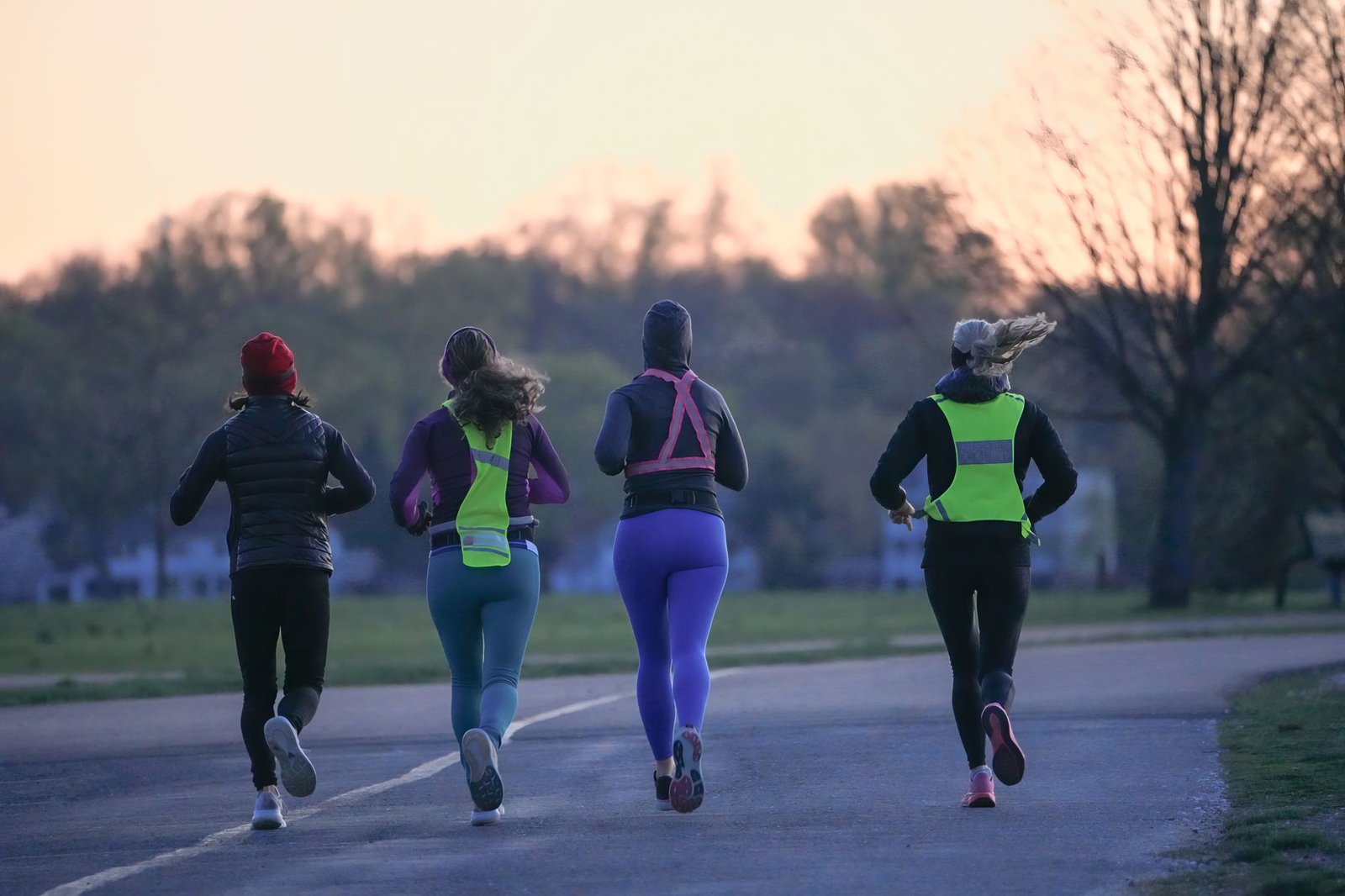
Fog in London is not a romantic backdrop. It is an operational risk. When visibility drops below about 1 km, drivers may not see you soon enough, and the biggest danger is that your visibility cues come too late.
Plan around it. Prefer footpaths, parks, or canal towpaths, and if you must use roads, use a headtorch plus high-vis. Then adjust effort and footing: fog often arrives with slick surfaces and reduced depth perception, so your pace should reflect what you can safely control.
Turn Forecast Signals Into Effort Choices
Training in London works best when pacing responds to conditions in real time. The forecast gives clues about rain, wind, and cooling capacity, but your job is to translate them into effort-based pacing. In rain and wind, hold back early and let the session settle into a rhythm once your body warms and your clothing stops shifting.
Use this quick scan to decide what will matter most for your session.
| Forecast Signal | What It Changes | Training Adjustment |
|---|---|---|
| Overnight Fog | Visibility and footing | Route change and safer pacing |
| Light Wind | Cooling consistency | Keep layers stable, warm up longer |
| Cold Drizzle | Clothing chilling | Avoid cotton, use dry wicking kit |
| Rising Afternoon Heat | Thermal stress | Shorten hard efforts, add fluids |
| Wet Bulb Near 22°C | Evaporative cooling limit | Shift to effort cap, reduce pace |
Then remember a hard truth: even when the forecast looks “largely dry,” humidity can still push wet-bulb higher. So watch how you feel at the start, and adjust before your session turns into an accidental endurance trial.
Trust Local Updates More Than Generic Confidence
Forecasting tools often refresh from model data about every 3 hours and may use a regional median. That means the most accurate “truth” is the one closest to your route and time. If what you see locally conflicts with the headline summary, the route-side reality usually wins.
For timing your day, rely on official forecast guidance that reflects updates rather than forecasts frozen hours earlier. What matters for training is not what was likely yesterday, but what is probable when you lace up.
Right now, a cool start around 7–10°C with “feels-like” closer to 2–8°C is plausible, with a chance of overnight fog and isolated frost. If fog clears to variable cloud and brighter spells later, you can plan for the day to get kinder, not necessarily for conditions to stay simple.
Warmup Length Is a Weather Decision
Cold starts and damp air demand a longer warmup because your muscles and tendons need time to reach operating temperature. In London’s typical pattern, you can get a brief “cold shock” in the first mile, then feel better as you move. That is your cue to warm progressively.
In colder than roughly 30–39°F (−1 to 4°C), add more head and ear protection. If your route runs through open areas or near water, expect greater chill and use a slower build to protect your pacing and mechanics. Warmup is not wasted time; it is how you stop the weather from dictating your form.
Hydrate Through Warming, Not Only Through Heat
Runners love dramatic heat warnings, but London weather often makes you sweat without feeling “hot.” Hydration still matters as temperatures steadily rise into the afternoon, even if you started cold. If your session includes tempo, intervals, or long steady running, treat fluids as part of the plan, not an emergency fix.
Also respect the air you breathe. If air quality is reported in the low–mid 60s AQI range, adjust your session intensity, especially during harder efforts. The goal is to keep training effective while reducing unnecessary strain on the respiratory system.
Rain Handling Means Choosing the Right Fabric
Rain in London can be light and demoralizing, and your clothing becomes a determinant of comfort and temperature. Cotton soaks up water and then holds it, which can chill you mid-run. That is why a “small drizzle” can feel like a bigger problem than the thermometer suggests.
Prefer wicking layers you can trust under damp conditions. Pair them with kit friction prevention so wetness does not turn into hotspots. Your objective is stable thermal comfort, so you can execute the workout you planned, not the improvisation your soaked kit forces.
Pacing Should Follow Effort, Not Hope
London’s most common training failure is pacing optimism. The forecast might say “cool and dry,” but urban effects, humidity swings, and wind can change how your body behaves. That is why effort-based pacing is the safest strategy for variable weather.
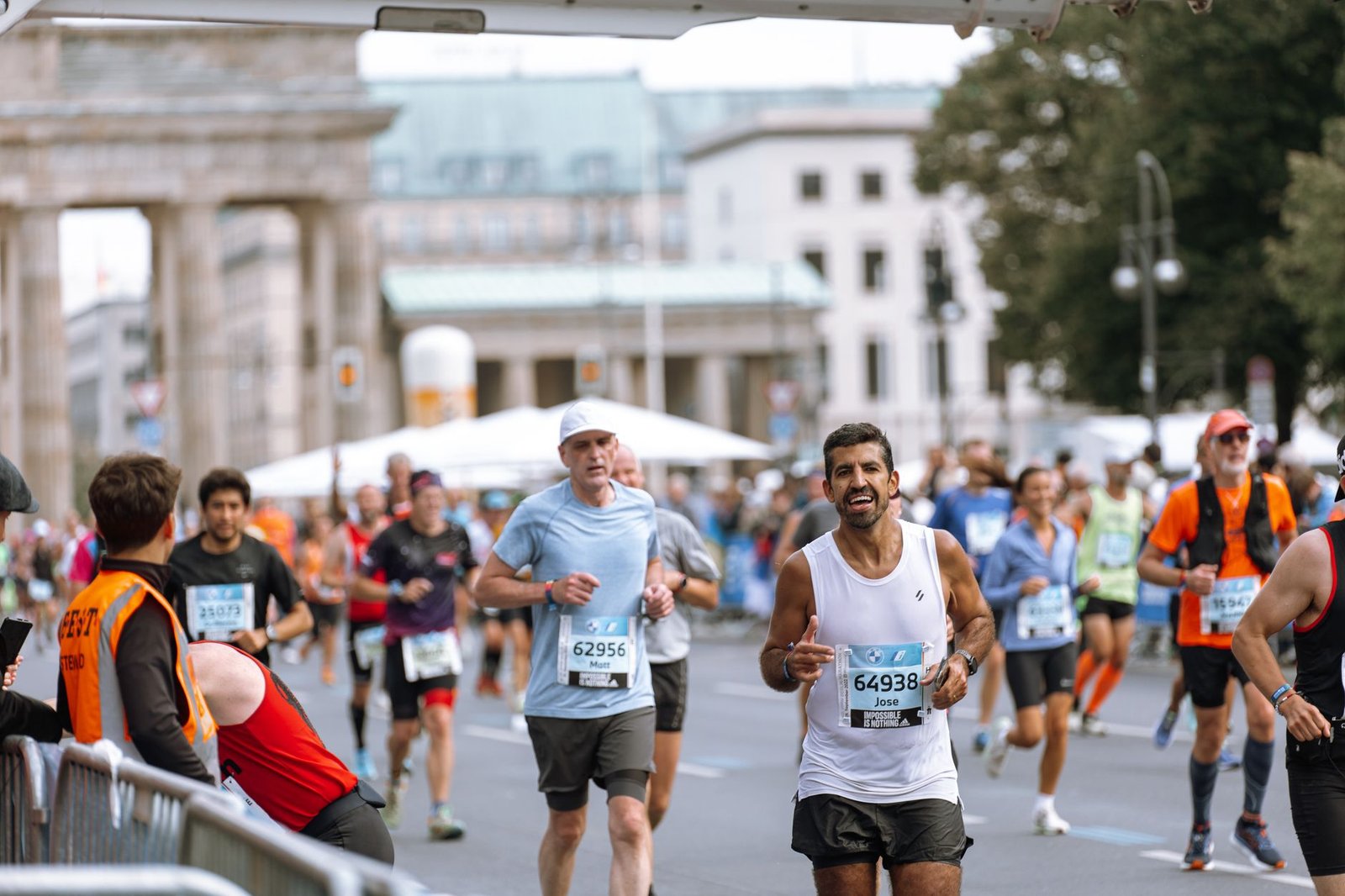
In rain and wind, start slower than your ideal pace. In colder starts, lengthen the warmup and reassess after you feel warmed through. In humid heat, treat your ability to hold pace as a cooling signal: if you cannot sustain effort at the planned intensity, that is data, not disappointment.
Use Route Geography to Reduce Risk
London is not uniform. The same hour can produce different conditions just a few miles apart due to shade, water proximity, and urban heat island effects. Expect the urban heat island to run about 3–6°C warmer than surrounding areas, especially overnight, which can turn a “safe start” into an unexpectedly warm grind depending on where you run.
Plan your route with conditions in mind. If fog arrives, shift to well-lit, lower-speed areas and away from tricky road crossings. If you want tempo quality, choose paths with predictable footing so your pacing is controlled by your legs, not by the ground.
Build a Daily Weather Check Routine
Do not rely on one screen or one snapshot. The point of the runner’s guide to london weather forecasting for training is repetition and decision-making. Check the race-week or session forecast, confirm what the local forecast updates suggest, and then translate conditions into kit, pacing, warmup, and hydration.
Make it a routine you can execute even when you are tired: confirm temperature and “feels-like,” consider wet-bulb implications for humid days, assess fog and visibility risk, and decide in advance how you will handle dampness and friction. When you do that, London weather stops being a threat and becomes just another variable you can manage.
The Runner’s Guide to London Weather Forecasting for Training, and How to Adjust Pace and Kit
How do you use London weather forecasting to plan training sessions?
Check the race-week (or session) forecast from trusted sources, then treat it as a pacing and kit decision: plan layers, hydration, and effort based on what you’ll likely experience during your actual run time, and revisit the outlook shortly before you leave.
Should you adjust pace based on wet-bulb temperature and humidity in London?
Yes—London humidity can make “air temperature” misleading, so factor in wet-bulb conditions as the real limit for evaporative cooling; when wet-bulb rises (notably around the low-20s °C and above), heat stress risk grows and you should ease effort and manage hydration more carefully.
What clothing and hydration changes help runners when it’s cold, windy, or rainy in London?
Dress for the temperature you’ll feel on the move rather than what’s posted, avoid cotton because it chills when soaked, add head/ear protection in colder spells, and bring/plan hydration even as it warms—especially for longer sessions or humid conditions.
How does London’s weather vary with the urban heat island, fog, and frost at night?
Expect variation by area: the urban heat island can leave central London a few degrees warmer than surrounding areas, while overnight fog and localized frost can create colder, lower-visibility starts—so check local conditions, not just a broad forecast for “London.”
How can you prevent blisters and chafing when running in London drizzle or rain?
Use tested shoes and socks, apply anti-chafe products where friction starts (and consider blister prevention for known hotspots), and keep your kit controlled so you don’t lose comfort through wet, heavy materials during longer easy runs.
What’s the best way to confirm London weather forecasting before you head out?
Re-check close to departure—many forecast tools refresh every few hours using model data—then make your final call based on the conditions you can confirm locally (fog, wind, and visibility), and adjust routes for safety if visibility drops.
Train Smarter With London Forecast Reality
The runner’s guide to london weather forecasting for training should end with one hard rule: treat the forecast as a live pacing and kit brief, not trivia. In London, damp cold, fog, and that urban heat island effect can shift how your body handles effort by the time you leave the house, so check the local window, account for wet-bulb humidity rather than air temperature alone, and commit to tested layers that prevent chafe and chilling. Start slightly under-dressed for warmth changes, build in the right warmup, and protect visibility when conditions drop. If you plan your run around what the weather will do to your cooling and traction, you will finish stronger, safer, and with less guessing.

I am Ozan, a London-focused running writer and marathon enthusiast with a passion for helping people discover the city’s best races, running routes, walking trails, and fitness events. I research and write practical, up-to-date guides covering marathons, race preparation, training tips, running gear, and everything related to staying active in London.
My goal is to create reliable, easy-to-follow content that helps runners and walkers of all experience levels explore London with confidence, whether they’re preparing for their first 5K or their next marathon.