Gear for crowded London walks needs to control friction and movement before either becomes painful. A moisture-wicking base layer, a stable anti-chafing layer, and a pack that keeps most of its load on your hips can often improve comfort more than adding another pouch.
The best choice depends on where the rubbing starts. Use fabric between your thighs for repeated contact, a balm for a narrow rubbing point or exposed skin, and padded support when a belt or backpack shifts against you. Rain, sweat, and repeated contact with other travelers can make a weak fix fail quickly.
Key takeaways
- Anti-chafing shorts work best for repeated inner-thigh contact when their leg edges lie flat and the waistband stays in place.
- If your shoulders hurt while your hips feel no pressure, loosen the shoulder straps slightly and retighten the hip belt.
- For a short outing or a narrow rubbing spot, RG Anti Chafe Balm suits exposed skin and strap contact; heat, rain, sweat, and repeated rubbing can shorten its protection.
- Before buying the Blackhawk Enhanced Molle Padded Patrol Belt, confirm that the configuration includes what you need for your belt setup.
Chafing and Slip Criteria for Long London Days
Start with the contact point. Inner-thigh rubbing needs a fabric barrier or skin product, while pressure under a belt or shoulder strap needs better padding and load adjustment. A fix that works on dry skin may fail after hours of sweat and walking.
Use these signals before you buy:
- Choose anti-chafing shorts when your thighs touch repeatedly or you will walk for more than four hours.
- Choose balm when you need protection on exposed skin, under a strap, or for a shorter outing.
- Choose powder for light, everyday moisture control when you can reapply it.
- Choose a padded belt when a rigid belt edge presses into your waist or hip.
- Choose a sternum strap when shoulder pads slide outward toward your neck.
- Choose strap cushions when the original backpack straps have little or no padding.
Rain changes the decision. Powder absorbs moisture but is less durable during prolonged activity, while a balm or fabric layer does not need a fresh application after every short stretch of walking. A fabric layer may remain effective longer during extended wear, though fit, moisture, and movement still matter.
A belt also needs to stay put. If it shifts every time you turn sideways in a crowd, the padding cannot protect the same spot for long. Tighten it until it stays in place without restricting your breathing, then walk for 10 minutes with the intended pouches attached before treating the fit as finished.
Skin Layers for Thigh and Strap Rubbing
The layer closest to your skin sets the starting point for comfort. A smooth wool or moisture-managing synthetic shirt creates a softer surface under coarse shoulder straps, while cotton holds sweat and stays damp against the body. Flatlock seams sit flatter than raised stitched seams, reducing contact beneath a plate carrier, belt, or backpack. Check the seam line after a short walk; if it falls directly under a strap edge, rotate the garment or change the strap position before the rubbing becomes a hot spot.
Anti-chafing shorts can provide dependable coverage where your inner thighs make repeated contact. Look for bonded or laser-cut leg openings, which reduce the raised edges that can press into your legs. An anti-slip waistband helps keep the shorts from rolling down; if it rolls, the leg openings can ride up and let your thighs touch again. A seamless short with a stable waistband is less likely to create a new pressure point while you walk.
Balm makes skin slippery, so clothing and straps move across it instead of dragging. RG Anti Chafe Balm is a wax-based skin barrier intended to resist sweat and rain during physical activity. Its protection duration varies with the product and with heat, rain, sweat, and repeated rubbing, so inspect the area during a long outing and reapply before the skin becomes tender.
Powder absorbs moisture and can reduce everyday thigh friction, but it is less durable than a balm or fabric layer during prolonged activity. Petroleum jelly can feel greasy, does not breathe as well as a dry-touch balm, and may damage or stain some synthetic technical fabrics. Test any skin product on a small area of the garment before wearing it under technical gear.
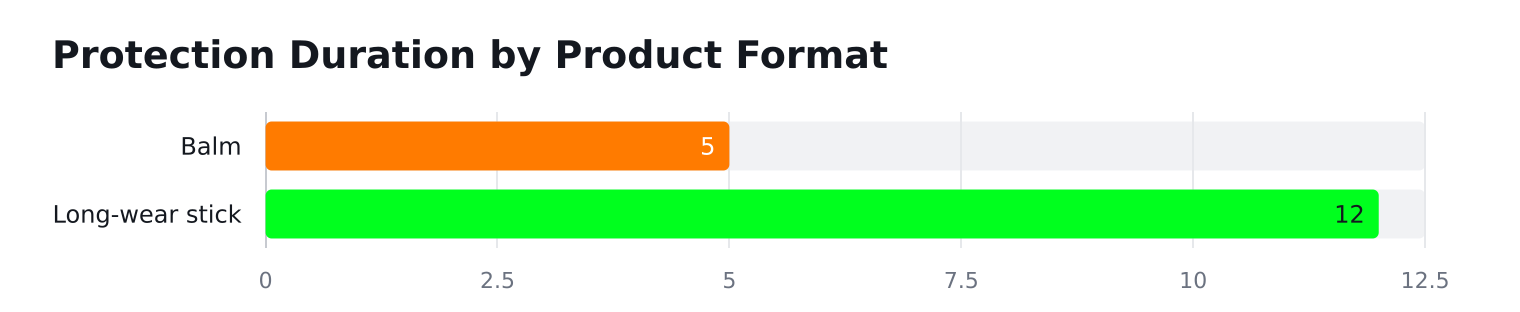
Approximate protection duration varies by product format and conditions; use the research-backed figures as comparison points, not guarantee
Belts and Pack Straps for Moving Loads
A padded belt should spread pressure across your waist instead of leaving one narrow edge to dig into your hip. Mesh helps release heat, foam softens contact, and a stable attachment surface keeps pouches from swinging as you move through a crowd. The Blackhawk Enhanced Molle Padded Patrol Belt uses 3-D mesh and foam padding for cushioning and ventilation, with two rows of S.T.R.I.K.E. webbing for compatible pouches and accessories. Keep heavier items near your hips so one side does not pull the belt away from your body.
MOLLE and similar webbing also change the fit. Every pouch adds weight, so place frequently used items where your arm can reach them without twisting. Wear the complete setup during a short test walk before your London day. If the belt shifts whenever you turn, adjust the load before adding more padding.
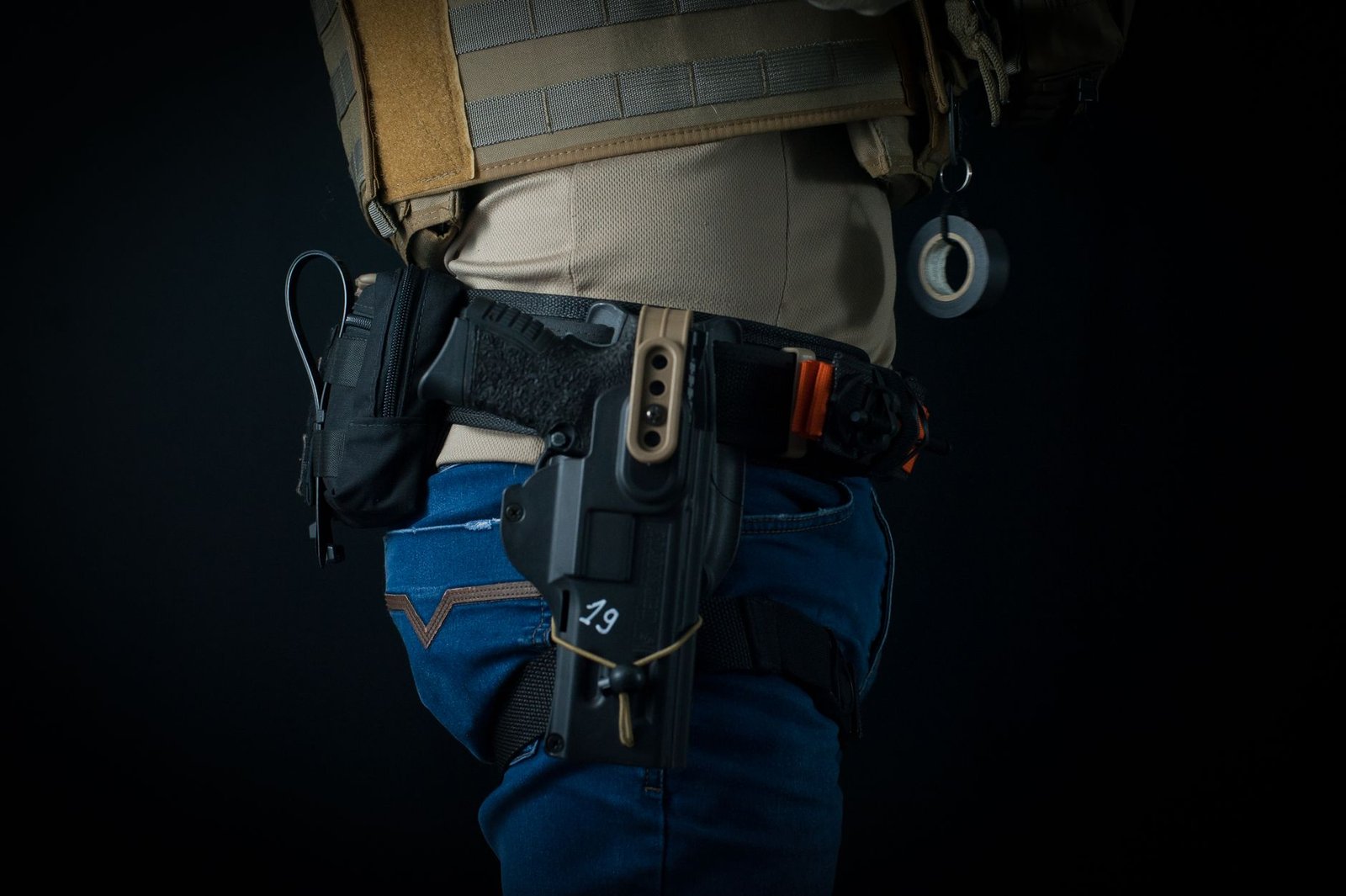
Padded tactical belt with MOLLE webbing and attached pouches
A backpack should transfer most of its weight through the pelvis. Keep the shoulder straps close to your body without making them carry all of the pack’s downward force. If your shoulders ache while your hips feel no pressure, loosen the shoulder straps slightly and retighten the hip belt.
The sternum strap may limit the shoulder pads’ outward slide toward the shoulder joints and can reduce rubbing at the neck and collarbone. Set it across the chest at a comfortable height, then tighten it only enough to bring the straps inward without pulling your shoulders forward. If one side still slips, empty the pack and repack it so the weight sits close to your back.
Strap cushions help most when the original straps lack padding because they spread pressure over a wider area and reduce localized hot spots. Their performance depends on the load and strap material, and very slick nylon may still need occasional adjustment. Check the fit after stairs, train transfers, and any point where you remove the pack. A cushion softens pressure, but it cannot correct a load that is pulling the pack away from your body.
Skin and Belt Products for Different Jobs
| Product | Type | Primary Use | Defining Feature |
|---|---|---|---|
| RG Anti Chafe Balm | Skin barrier | Chafe protection | Wax-based formula |
| Blackhawk Enhanced Molle Padded Patrol Belt | Padded belt pad | Cushioning and ventilation | S.T.R.I.K.E. webbing |
| Tactical Tailor Modular Molle Padded Belt | Padded MOLLE belt | Pouch mounting | Snap closure |
Choose RG Anti Chafe Balm for a narrow rubbing point or exposed skin, the Blackhawk Enhanced Molle Padded Patrol Belt when cushioning and airflow matter, and the Tactical Tailor Modular Molle Padded Belt when you want a broad pouch platform with built-in compartments. The first forms a barrier on the skin; the other two spread pressure and hold equipment, so they address different contact points.
RG Anti Chafe Balm
Apply a thin, even layer to clean, dry skin before dressing. More product does not create a stronger barrier if it leaves the area greasy or transfers onto clothing. The wax-based formula is intended to resist sweat and rain while reducing rubbing during physical activity.
Inspect the area when you stop during a long outing. Heat, rain, sweat, and repeated rubbing can shorten protection, and fabric or clothing may suit repeated inner-thigh contact better than a coating that must stay on the skin.
Blackhawk Enhanced Molle Padded Patrol Belt
The Blackhawk Enhanced Molle Padded Patrol Belt uses 3-D mesh and foam padding to cushion contact while allowing airflow between the pad and your clothing. Its two rows of S.T.R.I.K.E. webbing provide attachment points for compatible pouches and accessories.
Keep the setup balanced so a pouch does not rotate the belt and bring its edge back into the pressure point you were trying to avoid. Put on the full assembly, attach your actual pouches, and walk for 15 minutes before relying on it.
Tactical Tailor Modular Molle Padded Belt
The Tactical Tailor Modular Molle Padded Belt is 3 inches wide and uses MOLLE attachment points for mounting pouches. Its snap closure, buckle, textured front panel, and multiple zippered compartments give you several ways to secure the belt and carry small items.
The medium size measures 35 inches. Put the belt on over the clothing you will actually wear and test the closure with the intended load. Use the buckle for the main adjustment, then check that the snap closes without forcing the padding to fold.
Keeping Shorts and Shoulder Straps in Position
A fix that moves out of place stops protecting the original contact point. Check anti-chafing shorts after the first 20 minutes of walking, especially after climbing stairs or sitting and standing repeatedly. If the waistband has rolled, smooth it flat and reduce excess tension at the hips. If the leg openings have ridden up, change the size or cut instead of relying on more balm.
Shoulder pads that drift outward need a centered sternum strap and even strap lengths. Slick nylon may require another adjustment after 5 minutes of movement. When the hips carry too little of the pack weight, change the load setup before adding more padding. A moisture-managing base layer can also give coarse straps a softer surface against your skin.
A Better Fit Starts Before the Walk
A loaded belt can feel different once its pouches are attached, especially when weight sits on one side. Before leaving, attach the intended pouches to the two rows of S.T.R.I.K.E. webbing on the Blackhawk Enhanced Molle Padded Patrol Belt and check that the belt stays level as you turn.

I am Ozan, a London-focused running writer and marathon enthusiast with a passion for helping people discover the city’s best races, running routes, walking trails, and fitness events. I research and write practical, up-to-date guides covering marathons, race preparation, training tips, running gear, and everything related to staying active in London.
My goal is to create reliable, easy-to-follow content that helps runners and walkers of all experience levels explore London with confidence, whether they’re preparing for their first 5K or their next marathon.