Hard training needs recovery time, and the next day’s choice depends on soreness, movement, sleep, and performance together. Leave about 24 to 48 hours between genuinely hard sessions, and avoid scheduling them on consecutive days. That gap protects the next quality workout instead of letting ordinary fatigue build into a longer setback.
A runner doing two interval workouts has a different week from a cyclist combining hill repeats, a long ride, and strength training. Build the schedule around the demanding sessions, then place one or two easy or full-rest days between them rather than assigning the same number of rest days every week. A short interval workout may need less recovery than a long race simulation, but both count as hard work if they leave you struggling to repeat the effort.
The useful decision is simple: use active recovery when you feel mildly stiff but move normally; choose complete rest when pain changes your movement or illness, heavy fatigue, and poor sleep occur together.
Key takeaways
- Active recovery fits mildly stiff runners and athletes who move normally; keep the effort conversational and stop if you finish more tired than you started.
- When a workout is missed, return to your usual plan when possible instead of adding distance or putting hard sessions together.
- If two demanding sessions must be close, do the more important one first, remove low-value work from the other, and let the next warm-up decide whether to continue.
- Severe muscle pain with dark, tea-colored urine, or sudden severe breathlessness or headache, calls for immediate emergency medical care.
Spacing Hard Sessions Around Training Load
Intervals, hill repeats, heavy squats, long climbs, and race-pace work can affect more than the muscles you notice. They may also disrupt sleep, coordination, fuel stores, and your ability to produce power. Give your body time to absorb that work before adding another demanding session.
Mark the sessions that matter most, then put an easy or full-rest day after each genuinely hard one. Add low-intensity training only when it does not weaken the next key workout. A week with two demanding sessions may need two recovery days, while a week with four may need more easy days and less total volume. The schedule should respond to the load rather than to a fixed weekly rule.
A planned gap also gives you a useful check. If your legs feel normal, sleep has been reasonable, and the warm-up feels smooth, continue with the scheduled work. If the warm-up feels unusually heavy, change the session before the hard part begins. Breathing that does not settle normally, awkward movement, or painful first efforts are reasons to remove the planned intensity.
Active Recovery or Complete Rest?
Active recovery is light movement that leaves you feeling better afterward. Complete rest means doing no planned training while your body settles. Easy training sits between those choices, but it still needs a clear limit or it can become another workout.
| Choice | Use it when | Effort limit |
|---|---|---|
| Active recovery | Mild stiffness, normal movement | 30% to 40% of maximum oxygen uptake |
| Easy training | Well rested, no warning signs | Full conversation throughout |
| Complete rest | Altered movement, illness, poor sleep, severe fatigue | No planned training |
Use easy training only when you have no warning signs and feel ready for ordinary low-intensity work.
Mild Stiffness Without Movement Changes
Walk, swim, cycle, or do mobility work for 20 to 45 minutes when movement feels helpful. Keep the effort easy enough for a full conversation without pausing for breath. A gentle spin after a hard bike workout can loosen your legs without adding much stress, while a walk may work better after heavy lifting.
Mobility work is useful when it restores comfortable movement, but stop if stretching makes pain sharper. You can use this active recovery approach and then check how you feel later that day and the next morning. If you finish more tired than you started, stop treating the session as recovery and give yourself more rest.
Soreness, Illness, or Broken Sleep
Soreness that makes you limp or changes how you move calls for complete rest. Do not try to turn painful movement into recovery by lowering the pace, because a changed stride can shift stress to your knees, hips, back, or the other leg.
Illness, heavy fatigue, and poor sleep occurring together are also reasons to rest fully. One poor night on its own does not always cancel training. Eat, drink, and use the next day as a cleaner decision point rather than adding intensity while the wider pattern is unsettled.
Several Fatigue Signals Together
One mildly abnormal fatigue signal can justify an easy day. Poor sleep, a sustained rise in resting heart rate, falling heart-rate variability, low mood, and declining performance appearing together call for complete rest and reassessment the next day.

Athletes receive cupping and massage therapy for recovery in a gym.
Wearables can help you spot a pattern, but they do not make the decision by themselves. Compare your readings with your normal baseline, then consider how you feel during the warm-up and ordinary daily tasks. Several changes together matter more than one isolated reading.
When Training Load Makes Standard Rest-Day Rules Fail
Fixed rules fail because training loads vary. A recreational runner completing one hard workout each week may recover with one easy day, while a competitive athlete combining speed work, long sessions, and lifting may need several low-load days. The same calendar rule cannot fit both.
Do not count a slow workout as recovery just because the pace looks easy on paper. Breathing is the better check: if you cannot hold a full conversation, the session is too hard to call active recovery. A 30-minute walk can help you move without adding much stress, while a 30-minute run that leaves you breathing hard may delay the next quality session.
Use one mild signal as a reason to reduce the day:
- Sleep was poor once, but you otherwise feel normal.
- Resting heart rate is slightly above your usual reading.
- Your legs feel heavy at the start but improve during easy movement.
Several signals together call for complete rest rather than planned training. Eat normally, replace fluids, and reassess the following day. If your movement feels worse or your performance falls again, do not return to hard work simply because the calendar says it is time.
Missed Workouts and Closely Spaced Sessions
Missing one workout does not create a debt. Resume your normal schedule when you can, and do not add extra distance or stack hard sessions to compensate. If the missed session was important, move it only when doing so will not place two hard workouts together; otherwise, drop the lower-value session.
Sometimes two demanding sessions must sit close together because of travel, a race, work, or a fixed team schedule. Put the more important session first and remove low-value volume from the other one, such as extra repetitions, a long cooldown, or optional accessory work. Use the next warm-up to decide whether the planned quality remains: normal breathing, coordinated movement, and controlled efforts at the expected pace are useful signs. If those signs are absent, replace the hard session with easy movement or stop.
A warm-up that feels unusually heavy, awkward, or painful has already given you useful information. Keep the session easy and protect the next opportunity for quality instead of waiting for the final repetition to confirm the plan was too much.
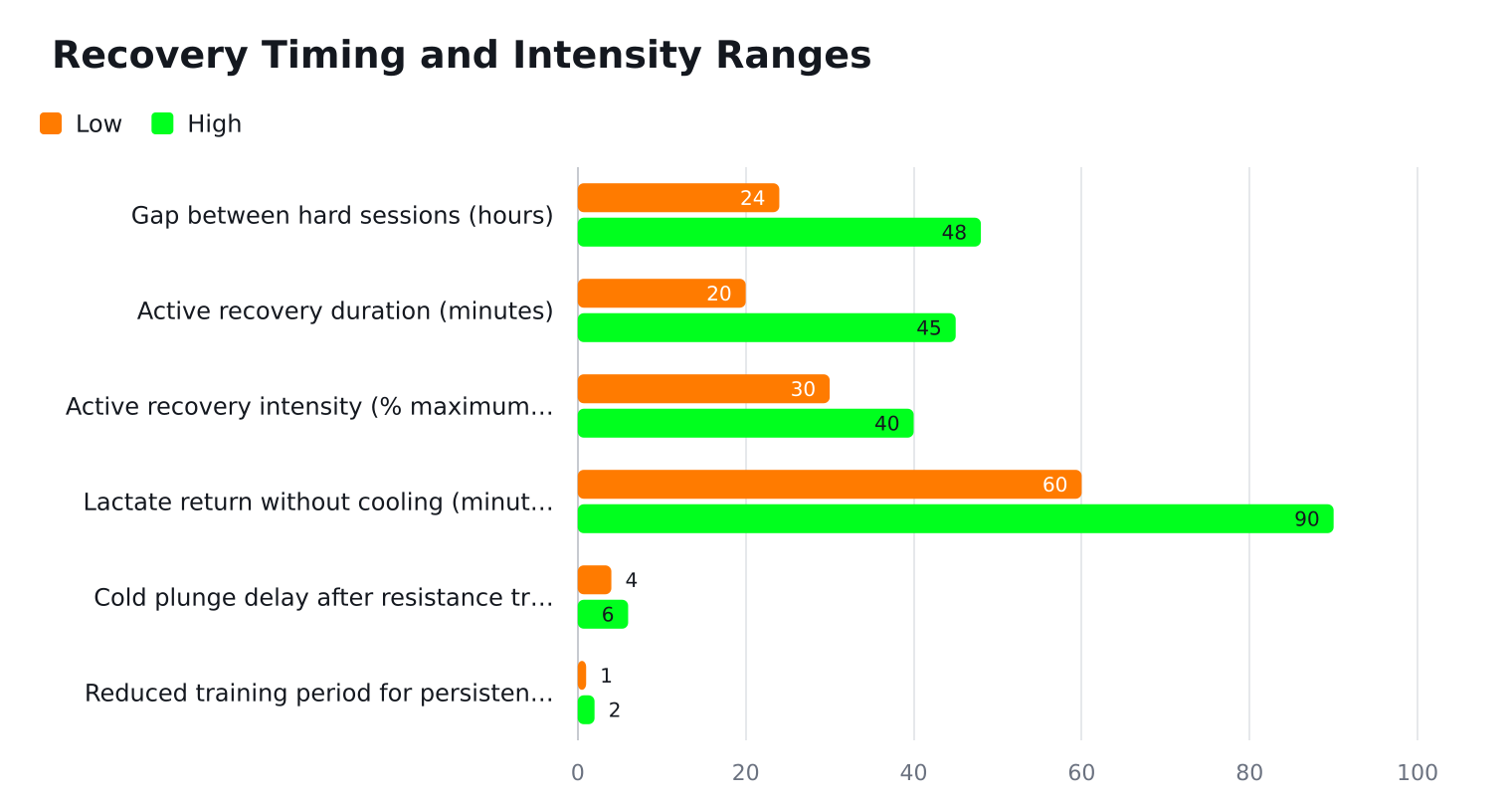
Research-backed time and effort ranges used to plan recovery after hard training.
Sleep, Fuel, Fluids, and Cooling After Hard Training
Recovery starts when the workout ends. Replace the food and fluids you used, especially after a long session, a hot workout, or training that leaves your clothes soaked. An ordinary meal and enough water can meet that need when they replace what the session took from you.
Protect a realistic chance to sleep before the next important session. Set aside enough time for your usual sleep, reduce late optional training, and avoid turning recovery into another task that keeps you awake. When the next hard workout is close, remove extra mileage, bonus lifting, and unplanned conditioning.
Cold-water immersion may make sore muscles feel better, but it is not generally a shortcut for clearing lactate. Lactate often moves toward its usual level fairly quickly after exercise without cooling, so feeling less sore does not mean the underlying recovery process has been accelerated.
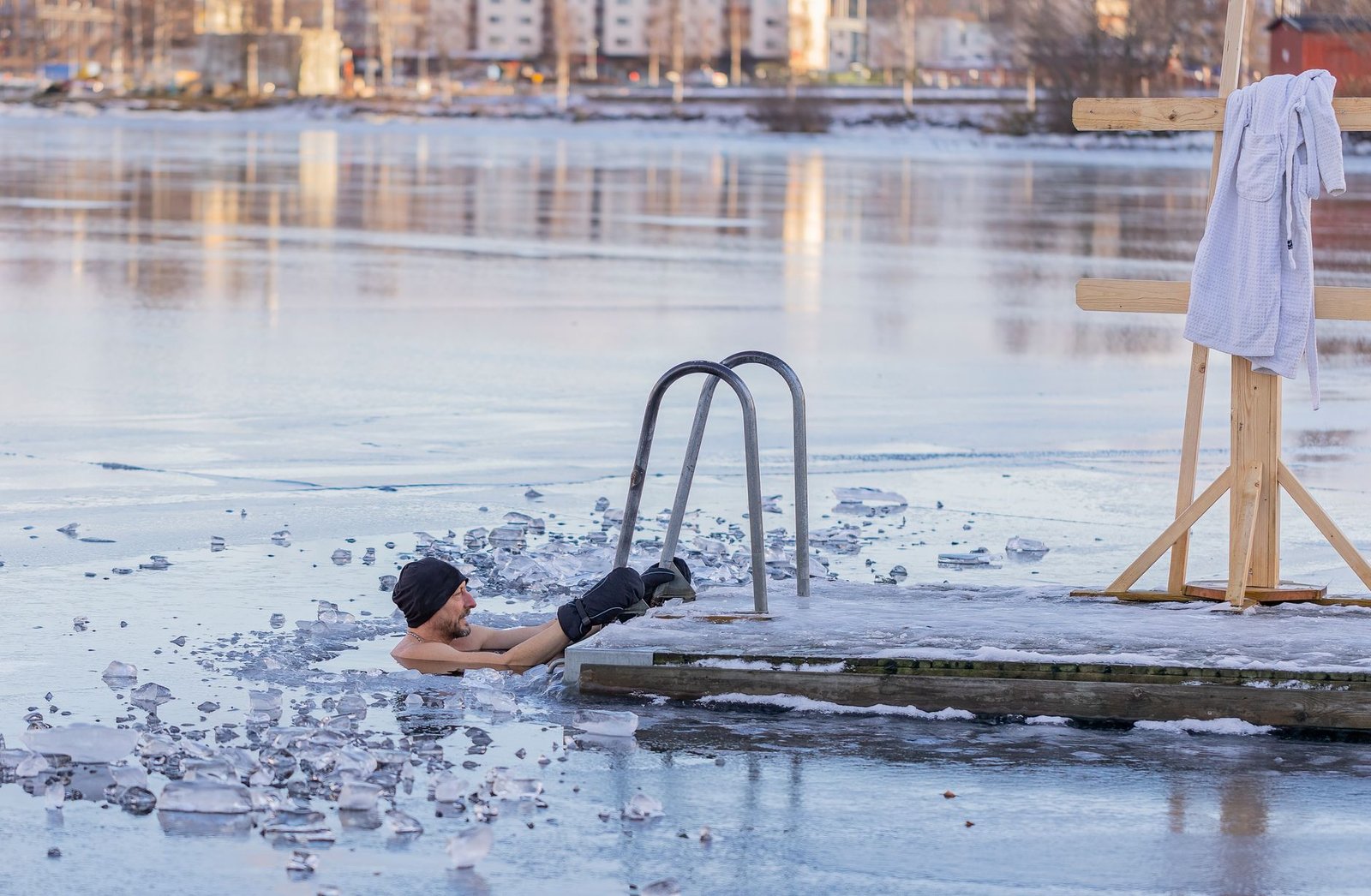
A man stands in icy water by a dock in a winter setting.
If strength or muscle growth is the priority, do not use a cold plunge immediately after resistance training. Leave several hours before cooling, or skip it when preserving the training signal matters more than temporary soreness relief.
Cutback Weeks and Persistent Performance Decline
A planned cutback can stop ordinary fatigue from becoming a long interruption. Instead of applying the same schedule to every training block, reduce volume when fatigue has accumulated and keep only the amount of intensity you can handle without worsening it. Shorten the session, remove extra repetitions, and keep easy days genuinely easy.
A cutback works best before performance collapses. It gives accumulated fatigue time to settle while preserving your routine, which is easier to manage than waiting until every session feels poor. The right reduction depends on how much hard work you have been doing and how your sleep, mood, and warm-ups are changing.
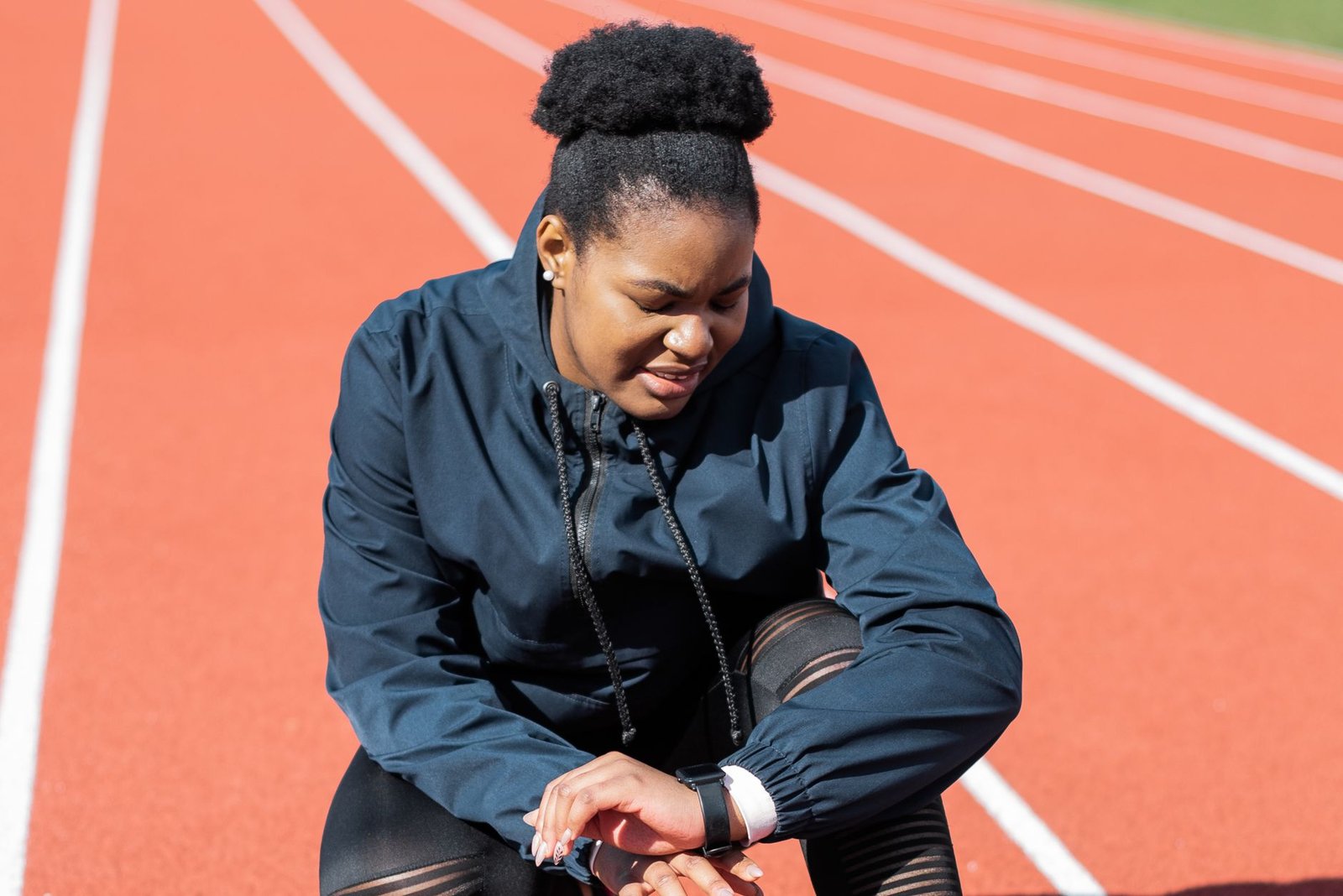
Runner checking heart rate after a workout
A short reduction is no longer enough when performance has declined for at least two weeks and easy sessions feel hard. At that point, substantially reduce training for one to two weeks rather than trying to train through a steady decline with stimulants, extra recovery gadgets, or harder workouts.
Arrange a routine medical appointment if your energy or performance remains low for more than two to three weeks after reducing training. Make the appointment sooner if persistent sleep disruption or low mood is affecting daily life. Bring a simple record of workouts, sleep, resting heart rate, symptoms, and food changes so the clinician can see the pattern.
Severe Symptoms After Hard Exercise
Some recovery symptoms need urgent action, not a better training plan. Severe muscle pain together with dark, tea-colored urine after hard exercise can signal serious muscle breakdown. Go to an emergency department for same-day care when those symptoms appear together.
Do not wait for the urine color to change back or assume dehydration explains everything. Stop exercising, avoid another hard session, and seek emergency help. Tell the medical team what exercise you did, how long it lasted, and when the pain and urine changes began.
Shortness of breath that is out of proportion to the effort or a sudden severe headache during recovery requires immediate emergency medical care. Call emergency services or go to an emergency department, especially when the symptom is severe, sudden, or worsening.
These warning signs differ from a gradual performance decline, poor sleep, or low mood. Those longer patterns belong with routine medical follow-up after you reduce training. Acute severe pain, dark urine, unusual breathlessness, or a sudden severe headache needs urgent attention.
Make Recovery Part of the Plan
Recovery Between Hard Sessions in London: A Decision Framework for Rest Days works best when you turn warning signs into a clear record instead of relying on memory. Before your next demanding workout, place your training log beside a thermometer and record your temperature if you feel unwell.
Frequently Asked Questions
Which illness symptoms mean I should get medical advice?
Flu-like symptoms with a measured fever, a cold lasting more than 10 days, recurrent infections, unexplained weight loss, stress fractures, or persistent joint pain warrant medical advice. These signs need more than an easy day or a rest day.
What should I do if training stress is affecting my mental health?
Thoughts of self-harm need prompt support rather than a training adjustment. Contact emergency services or a crisis service now, and stay with someone you trust while you get help.

I am Ozan, a London-focused running writer and marathon enthusiast with a passion for helping people discover the city’s best races, running routes, walking trails, and fitness events. I research and write practical, up-to-date guides covering marathons, race preparation, training tips, running gear, and everything related to staying active in London.
My goal is to create reliable, easy-to-follow content that helps runners and walkers of all experience levels explore London with confidence, whether they’re preparing for their first 5K or their next marathon.