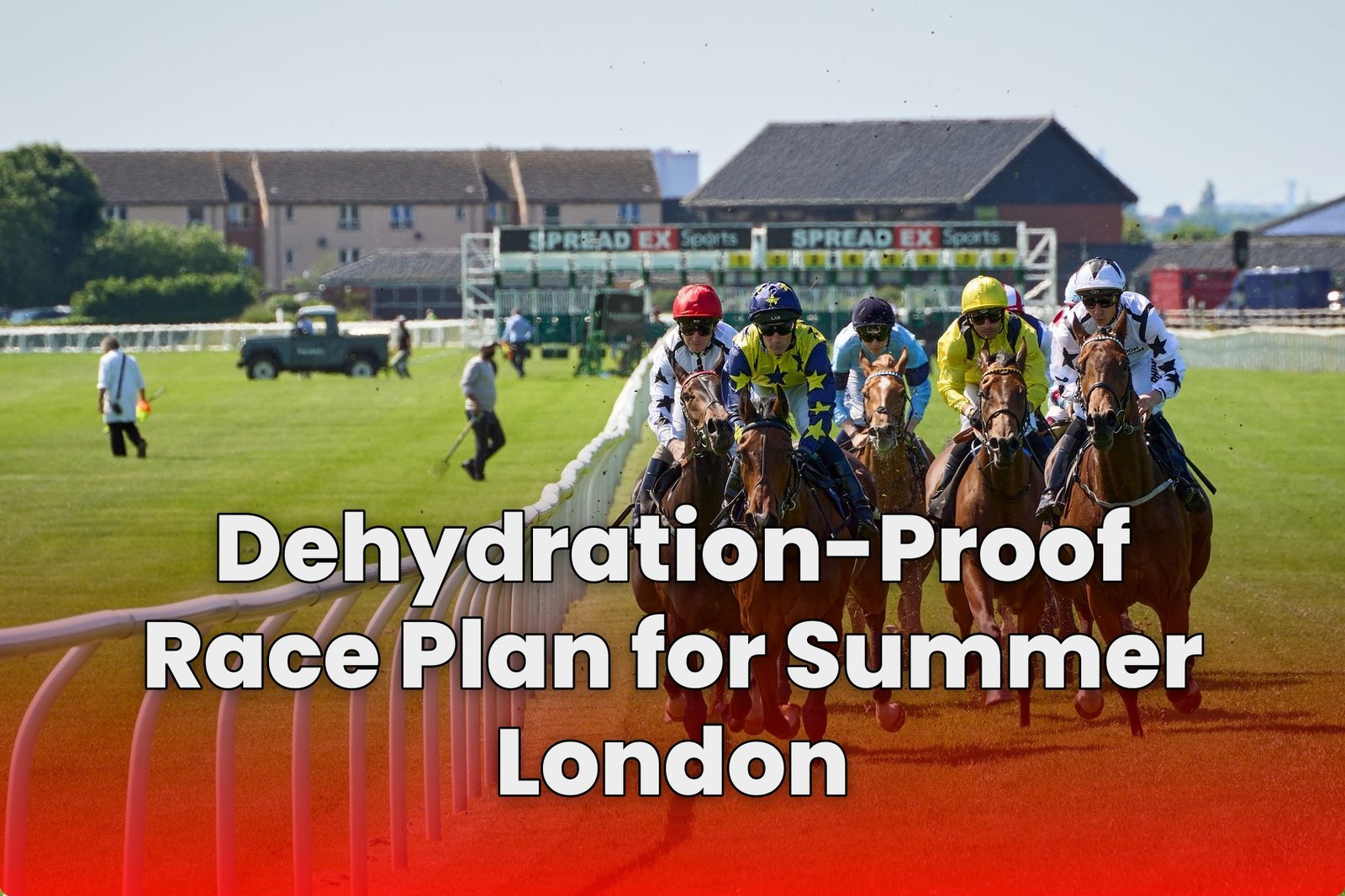
Heat does not reward guesswork. For summer races in London, your finish depends less on motivation and more on whether you built a hydration plan that protects you from both dehydration and electrolyte trouble. Most runners drink “when they remember,” and that is exactly how you end up feeling heavy, crampy, or oddly flat late in the race.
A truly dehydration-proof race plan starts before the gun. Aim to be well hydrated in advance, then use electrolytes rather than relying on water alone, because sweating steadily drains sodium and can leave you running with the wrong balance. During the race, use facilitated hydration with consistent sipping, not occasional gulps, and build in tight dose control so your stomach stays comfortable and your fluid intake stays purposeful.
This article argues for a disciplined, training-tested approach: pre-hydrate with a practical schedule, include sodium in your drink (especially for races lasting over an hour), sip regularly rather than flooding later, and practice on the run so race-day volumes match what you can actually handle. If you do that, London’s summer heat becomes a challenge you’re prepared for, not a surprise that takes your rhythm away.
Start Hydrated Like You Plan to Finish
If you show up under-hydrated, no clever in-race strategy can fully fix it. Summer London conditions punish slow starts because dehydration builds quietly before you notice. That is why a dehydration-proof plan begins well before the race.
Aim for about 2–3 mL per lb of body weight around 4 hours pre-race, then take another 8–12 oz about 2 hours before the start. Skip alcohol and keep caffeine minimal, since both can undermine hydration and make your kidneys do extra work when you need them calm.
Ask yourself a hard question: are you treating pre-race hydration as preparation, or as a hope that you will catch up later?
Electrolytes Must Be Part of the Drink, Not a Bonus
Water alone is not a strategy in heat. When you sweat, you lose sodium and other electrolytes, and sipping plain water can leave you fighting the wrong problem. The fix is simple and practical: facilitated hydration means fluids plus sodium and some carbs, not just dilution.
Your sodium target for races lasting over an hour should generally land around 0.5–0.7 g per liter in your drink. And if you are wondering how to structure race hydration without guessing, race ORS principles can help you think in electrolytes, not vibes.
Sweat is not just water. It is a chemical leak. Your plan has to plug it.
Dose Your Intake to Protect Yourself From Hyponatraemia
The most dangerous hydration mistakes are not always under-drinking. For many runners, the bigger threat in hot conditions is over-drinking water while sodium stays too low. That mismatch can dilute blood sodium and raise the risk of hyponatraemia.
Use a dose ceiling. For most runners, don’t exceed about 500 mL per hour. Faster runners may tolerate up to around 1 L per hour, but tolerance does not mean you should “keep going until you feel full.” Your gut and your sodium intake must stay aligned.
Do you want to feel heroic, or do you want to stay safe? In dehydration-proof racing, safety is the point of the plan.
Sip on Schedule, Not on Hope
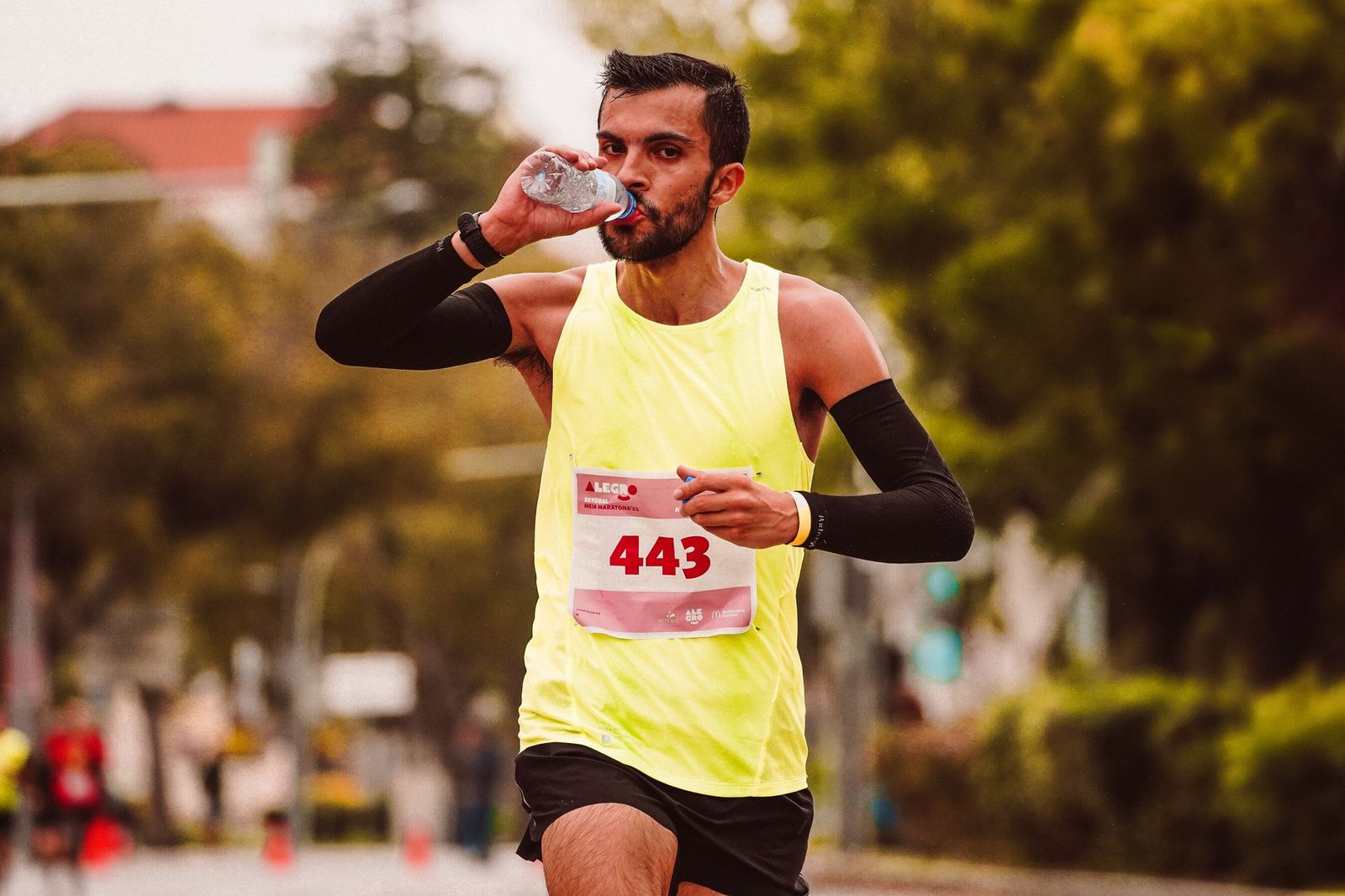
Stop treating hydration like a reward at the next drinks station. A dehydration-proof race plan uses steady, controlled sipping because your stomach and bloodstream handle small inputs better than sudden loads.
Use a rhythm: roughly 6–8 oz every 10–15 minutes, adjusted to your stomach. If you feel a “sloshing” stomach, that is your body signaling that the next swallow may be too much. Stop or slow before you turn hydration into nausea.
This is not picky. It is engineering. Your goal is consistent absorption, not maximum volume.
Practice the Exact Amount You Plan to Consume
Race day is not the time to learn your limits. If you have never practiced drinking on the run, you may discover the hard way that your stomach hates your plan. Training should include the same timing, bottle type, and fluid concentration you will use on the course.
Start in cooler sessions and build toward warm conditions so your body learns how much it can handle per minute. When you simulate race pace and race heat, you reduce variability and make your hydration plan predictable.
Counterargument says, “Just drink more if you sweat more.” That logic ignores absorption. Learn your gut first, then scale within safe ranges.
Acclimatize, Then Adjust Pace Instead of Suffering
A dehydration-proof plan also respects adaptation. If you are racing in summer London and your body is not accustomed to the heat, your sweat response will be delayed and your electrolyte balance will be harder to manage.
Acclimatize by training outdoors in warm conditions for at least 2–3 weeks. If it is unusually hot or humid, reduce pace from the start rather than pushing through and hoping you “catch up” later. You can always race fast when conditions are stable. You cannot un-fry your physiology.
When the thermometer rises, your ego should shrink. Why gamble with your hydration by treating heat like an inconvenience?
Build an On-Course System You Can Execute Under Pressure
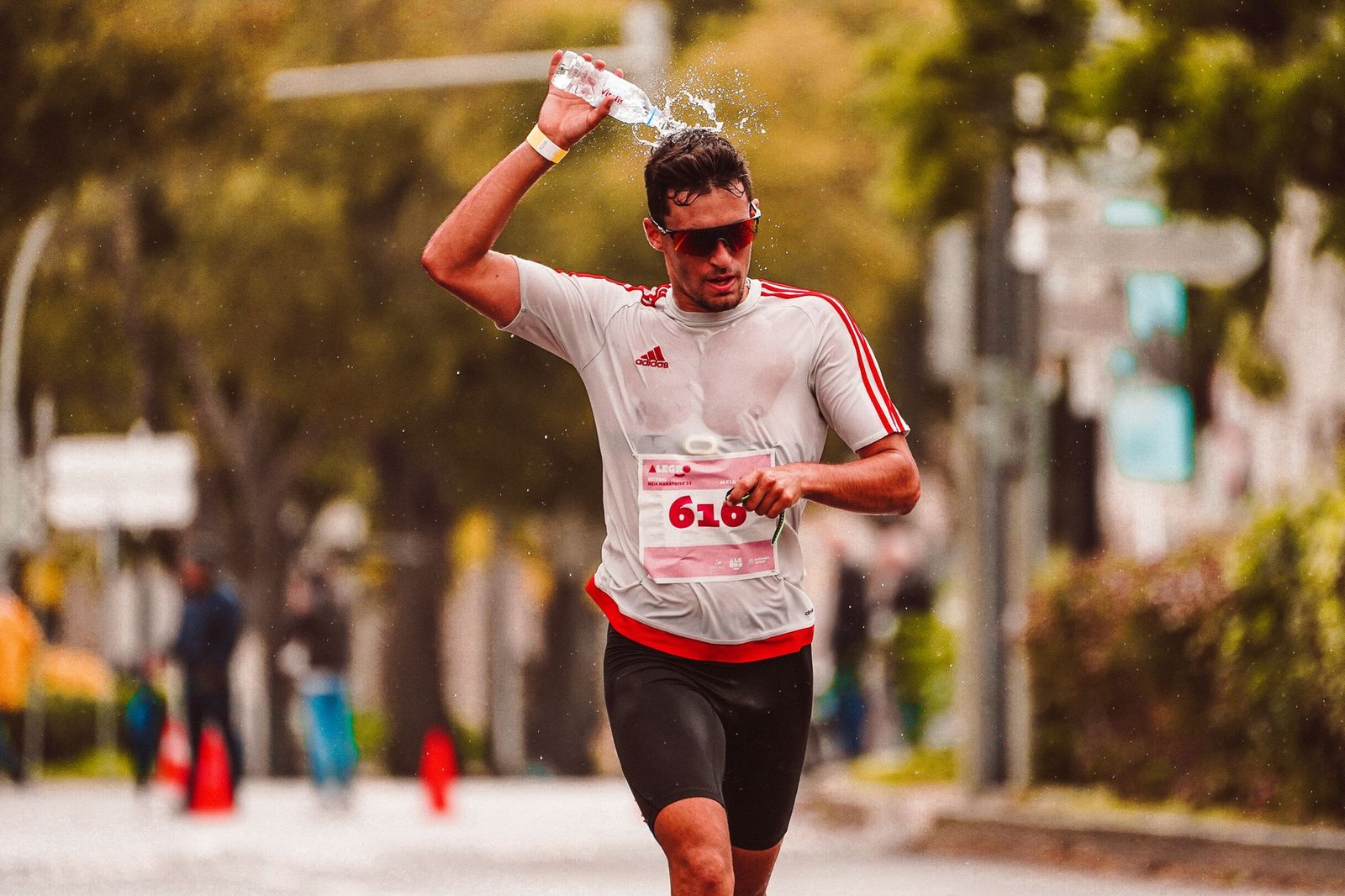
Most runners fail at dehydration-proof racing because they rely on improvisation. Instead, design a simple system for when you will drink, what you will drink, and how you will adjust if your stomach disagrees.
Use checkpoints and numbers you can follow even when you feel tired. Here is a practical template for translating your targets into on-course decisions.
| Race Segment | Drink Amount | Sodium Focus |
|---|---|---|
| Start to 30 min | Small sips | 0.5–0.7 g/L |
| Every 10–15 min | 6–8 oz | Steady intake |
| Around 60–90 min | Up to 500 mL/h | Include carbs |
| Aid stations | Match planned sip | Avoid water-only |
| If nausea hits | Pause or slow | Protect tolerance |
Then rehearse the behavior. Practise choosing the next sip, not just remembering the next station. The difference between a plan and a crisis is whether you can execute the plan when your brain starts negotiating.
Tip for London race logistics: plan how you will get your intended drink setup to the course and how you will handle missed stations. A dehydration-proof plan anticipates imperfections instead of being destroyed by them.
Use Urine Color as a Measurable Feedback Signal
Urine color is not glamorous, but it is useful. It gives you a quick, practical window into hydration status so you can adjust before the race starts. If your output is consistently low or dark in the hours before, you are already behind.
Use a simple rule of thumb: pale straw is a good sign, while darker or orange urine, or very low volume, means you should top up. The goal is to stabilize your hydration state so the race begins with you, not with a catch-up mission.
Are you willing to be data-driven for 10 minutes, or do you prefer to “feel it out” and risk paying with your energy later?
Rehydrate After the Finish With a Timeline, Not a Flood
The race is over, but dehydration management is not. If you only replace fluids once you are home, you risk extending the recovery slump and increasing the chance you still feel drained days later.
Rehydrate gradually over 24–48 hours. A solid way to quantify replacement is sweat-rate math: for each kg lost, take about 1.5 L of fluid in recovery. Weighing before and after a comparable workout gives you a personal baseline, not a generic guess.
Remember that gradual rehydration means your body can use what you give it. Sudden chugging is not the same thing.
Replace Sodium Alongside Water to Prevent the Second Cramp
Recovery is not just about water. If you drink plain water after a hot race, you may replenish volume without restoring the sodium your muscles and nerves used to perform.
Consume fluids plus salty foods and electrolytes to replace both water and sodium. This reduces the chance of lingering headaches, weakness, and the uncomfortable “second cramp” effect that shows up later when runners underestimate electrolyte recovery.
Common objection says “I will just eat normally.” Sometimes that works, but sometimes it does not. If you trained and raced in heat, your normal diet may not match the sodium and fluid debt you actually created.
Reject the Myths That Turn Hydration Into a Gamble
Dehydration-proof racing requires you to abandon popular myths. One of the biggest is the idea that more drinking is always better. In reality, over-drinking without sodium can be dangerous, and it can also overwhelm your gut.
Another myth is that water stations are always sufficient. In hot races, water-only sips can dilute blood sodium, especially when your plan ignores electrolytes. Your drink should be purposeful, not accidental.
And the last myth is emotional: “I will handle it on the day.” On the day, you are tired, you are busy, and your stomach is a system with limits. The plan should handle that, not your willpower.
Turn Your Plan Into Checklists You Will Actually Follow
If you want dehydration-proof summer London racing, you need execution. Plans written in your head collapse when conditions change, stomachs revolt, or you lose track of time.
Make checklists for the parts that matter: pre-race timing (2–3 mL per lb 4 hours before, then 8–12 oz 2 hours before), in-race sodium concentration (0.5–0.7 g/L), volume ceiling (around 500 mL per hour for most), sip rhythm (6–8 oz every 10–15 minutes), and stop rules (don’t push through “sloshing”).
Then practice the routine before race day. A hydration plan is not a theory. It is a sequence of decisions you can repeat under stress.
How Do You Build a Dehydration-Proof Race Plan for Summer London Races?
How should you pre-hydrate for summer London races without overdoing it?
Start well hydrated by aiming for about 2–3 mL per lb of body weight around 4 hours before the race, then take another 8–12 oz about 2 hours before start, and avoid alcohol and caffeine so you begin in a steady, urine-clear state rather than already depleted.
What role do electrolytes and sodium play in dehydration-proof race planning for summer London conditions?
Because heavy sweating removes sodium and potassium, use “facilitated hydration” with electrolytes rather than water alone, targeting roughly 0.5–0.7 g sodium per liter for races lasting over an hour to reduce the risk of blood-sodium dilution (hyponatraemia).
How much should you drink on course in summer London races to stay ahead of dehydration?
For most runners, aim for no more than about 500 mL per hour, using faster runners’ upper tolerance of around ~1 L/hour if their body handles it, and sip regularly (about 6–8 oz every 10–15 minutes) instead of gulping so your stomach stays settled.
How do you choose between water and facilitated hydration during summer London races?
Use drinks that include sodium and some carbs to replace what sweat costs and to keep fluid absorption efficient, especially when heat is high, and stop or slow hydration if you feel a “sloshing” stomach that suggests you are taking in more than you can process.
How can you build heat acclimatization and pacing into a dehydration-proof summer London race plan?
Acclimatize by training outdoors in warm conditions for at least 2–3 weeks, and if London weather is unusually hot or humid, reduce pace from the start rather than pushing through, since your body needs time to adapt to sweat-rate and cooling changes.
What should you do after finishing summer London races to rehydrate and recover safely?
Rehydrate gradually over 24–48 hours using both fluids and electrolytes, including salty foods, and if you track weight loss use sweat-rate math (about 1.5 L fluid per kg lost) while also using urine color to guide topping up during the recovery window.
Stick To The Hydration Plan That Holds Up In London Heat
If you want to stay safe and strong in summer London races, follow the simple truth behind how to build a dehydration-proof race plan for summer london races: start properly hydrated, plan electrolyte-forward drinking with controlled volumes and regular sipping, and rehearse it in training so your stomach and pace can handle it under heat. Commit to that structure, then race with discipline and adjust early when conditions turn harsh. Your finishing time matters, but your hydration choices determine whether you make it to the line feeling steady, not stranded.

I am Ozan, a London-focused running writer and marathon enthusiast with a passion for helping people discover the city’s best races, running routes, walking trails, and fitness events. I research and write practical, up-to-date guides covering marathons, race preparation, training tips, running gear, and everything related to staying active in London.
My goal is to create reliable, easy-to-follow content that helps runners and walkers of all experience levels explore London with confidence, whether they’re preparing for their first 5K or their next marathon.