That sudden early-hours surge is more alarming than it is mysterious. When your pulse feels like it is “jumping” before you are fully awake, it is often driven by normal body triggers such as stress hormones, dehydration, or a rough night of sleep. The key is to treat it like useful information, not an automatic emergency, and then figure out which trigger fits you.
Most commonly, an early spike follows caffeine or alcohol, nicotine or other stimulants, sugar-heavy meals, temperature shifts from a cold room or fever, or even position changes while you settle in. Hormone fluctuations, nightmares, and hot flashes can also nudge your nervous system into a faster rhythm. Still, some causes are not lifestyle-based, including medication side effects, thyroid problems, anemia, sleep apnea, blood sugar swings, or an abnormal rhythm like supraventricular tachycardia or other tachyarrhythmias.
The best “fix” starts with smart triage. If you suspect anxiety, hydrate, and give yourself a few calm minutes before assuming the worst; if you suspect dehydration, drink water and consider an oral rehydration solution. If stimulants or late snacks are involved, cut back and tighten your sleep routine, and review any meds or cold products with a clinician if this keeps happening. Seek urgent medical help if the fast or irregular racing comes with dizziness, fainting, chest pain, shortness of breath, or severe symptoms, or if your heart rate repeatedly hits over 100 bpm at rest with no clear trigger.
Why Your Heart Rate Jumps Early in London
That sudden “jump” in your heart rate in the early hours can feel frightening, especially in London when the morning air is sharp and the city is still quiet. But most early-morning spikes are not mysteries. They are predictable reactions to stress physiology, hydration status, sleep patterns, and what you put into your body at night.
The problem is that people either panic too early or ignore warning signs too long. You need a triage mindset. Ask a simple question: is this a temporary trigger with a clear reason, or a recurring pattern that deserves medical review?
Heart rate jumps early often have causes you can test and fix. But when the rhythm is abnormal, the “fixes” you try at home can delay proper care. That is why smart action matters.
Stress Hormones and Anxiety Fuel the Adrenaline Surge
When you wake with your heart rate “jumping,” your nervous system may be doing exactly what it was built to do. Stress hormones raise heart rate, and anxiety can amplify that response. Even if you feel “fine,” your body can still be running on threat mode during sleep transitions.
Notice the context. Did you have late arguments, heavy work pressure, or doom-scrolling before bed? Did you wake after a restless night? If the spike comes with racing thoughts, sweating, or a sense of urgency, stress chemistry is the most likely culprit.
Opponents will say that if anxiety is involved, you should just “breathe it out” and stop worrying. That can help, but it is not permission to ignore patterns. Track frequency and intensity, because repeated spikes can still reflect an underlying issue, not just mood.
Dehydration and Low electrolytes Turn Your Morning Ticking Into a Threat
Your body does not need dramatic dehydration to raise heart rate. Mild fluid loss overnight can concentrate salts, shift blood volume, and trigger a compensatory increase in pulse. In early-morning London, where many people run warm indoor heat and then cool quickly outside, fluid swings are common.
Low electrolytes can also make the cardiovascular system more irritable. If you wake with dry mouth, headache, or darker urine, dehydration is not a stretch. It is basic physiology.
- Drink water soon after waking, and consider an oral rehydration solution if you suspect significant fluid loss.
- Reduce alcohol the night before and reassess whether the spike still appears.
Dehydration is fixable. The key is to test it consistently for a week, not once, and not while simultaneously changing five other habits.
Sleep Debt and Circadian Rebound Create a Nervous System Misfire
Sleep deprivation changes how your body regulates arousal. When you finally wake, your autonomic system can overshoot, leading to a faster pulse. Circadian misalignment, late schedules, and irregular bedtime create a rebound effect where your body wakes in a state of heightened alertness.
Ask yourself: do your spikes happen on days you slept less, stayed up late, or changed your bedtime by more than an hour? If the answer is yes, you have a powerful clue. Your “early morning heart jump” may be less about your heart and more about your sleep timing.
Fix the schedule before you chase supplements. A stable wind-down routine, consistent wake time, and reduced late-night stimulation often reduce the frequency within days.
Caffeine, Alcohol, Nicotine, and Their Withdrawal Effects
Stimulants can linger longer than people think. Caffeine can affect heart rate and rhythm, and withdrawal can also trigger compensatory activation, including palpitations. Alcohol can disrupt sleep architecture, which then amplifies morning arousal. Nicotine and other stimulants add another layer of activation.
If your spikes are strongest on mornings after tea, coffee, energy drinks, smoking, vaping, or heavy drinking, the pattern is not random. It is dose timing meeting biology.
- Reduce caffeine after midday and reassess for one full week.
- Avoid nicotine and address withdrawal triggers with healthier bedtime routines.
- If you drink alcohol, limit it and stop testing only “one-off” nights.
Common sense is evidence here. Your body leaves breadcrumbs in your routine, especially in a city where people often self-medicate fatigue with late caffeine.
Refined Carbs and Sugar Spikes Can Turn Sleep Into Adrenal Activation
Food matters more than most people admit. Refined carbohydrates and sugar can cause glucose swings that stress the body’s control systems. Those swings can lead to sympathetic activation, making your pulse jump when you wake. The result can feel like an internal alarm clock you did not set.
If you notice your heart rate jump after a night of sweets, pastries, sugary cereal, or “just a small dessert,” this is your target to adjust. Start simple and measurable. Change only one variable and observe.
| Nighttime Trigger | What Often Happens Overnight | Practical Fix to Try |
|---|---|---|
| Sweet cereal | Glucose spike then dip | Swap for oats or yogurt |
| Pastry and tea | Insulin response, alertness | Add protein at dinner |
| Late ice cream | Sleep disruption, higher pulse | Stop sweets within 3 hours of bed |
| Energy bar | Carb load, wake arousal | Choose lower-sugar options |
| Refined carbs after 9 pm | More morning spikes on short sleep | Keep bedtime consistent and lighten dessert |
Do not overcomplicate this. The “fix” is consistent nutrition that reduces glucose volatility. If the spikes fade after cutting refined carbs, you just learned what your body actually reacts to.
Cold Rooms, Fever, and Temperature Swings Push the Heart to Compensate
Temperature changes can raise heart rate. Cold can trigger sympathetic activation, while fever reflects inflammation that can increase pulse. London mornings often bring abrupt shifts from heated indoor air to cooler streets, and that transition can be enough to jolt the autonomic system.
Look for associated clues. Are you waking sweaty and hot, or bundled and shivering? Is the spike stronger during illness? If your heart rate jumps coincide with feverish symptoms or chills, treat it as a health signal, not a nuisance.
Practical approach: stabilize your sleep environment, hydrate, and monitor whether the pattern persists beyond the days when illness or cold exposure is present.
Changing Position Can Trigger a Normal Autonomic Response
Sometimes the “jump” happens when you move. Rising from bed, rolling onto your side, or quickly going from lying to standing can activate baroreceptor responses. That can increase heart rate briefly while your body adjusts blood flow.
This is especially relevant if you wake to use the bathroom, drink quickly, or sit up abruptly. Many people blame the heart when the real issue is a rapid shift in posture and circulation.
Try a controlled test. Sit up slowly, pause, and then stand. If the jump is reduced, your body is doing an expected response. If you also feel dizziness, faintness, or severe shortness of breath, do not rationalize it away.
Nightmares and Night Terrors Can Leave Adrenaline on Your Breath
Dream disturbance can cause adrenaline surges. A nightmare may jolt you into partial wakefulness with a rapid pulse. Night terrors in particular can create intense physiologic activation that lingers into morning.
Do you see a pattern between stressful days and nights with vivid dreams? Do mornings follow a “scared awake” sensation? This is not “just imagination.” Your body runs the physiology first, and your mind catches up after.
Address sleep safety: reduce late stress exposure, dim lights, and consider whether alcohol or late sugar is destabilizing sleep quality. If the episodes are frequent or severe, discuss them with a clinician.
Hormone Shifts Make “Normal” Feel Like a Sudden Emergency
Hormonal changes can change heart rate regulation. Pregnancy can affect circulation and resting pulse. Perimenopause and menopause can bring hot flashes that raise sympathetic activity, leading to morning palpitations. Estrogen changes also influence sleep quality and autonomic balance.
If the spikes track with your cycle, hot flash timing, or postpartum changes, you have a strong direction. The goal is not to diagnose yourself. The goal is to bring accurate information to a professional and stop treating every spike as an identical event.
Hormone-related palpitations deserve targeted management, not random self-experimentation. Sleep stabilization and appropriate medical support can reduce both symptoms and fear.
Medical problems and Medications Can Turn a Pulse Into a Warning
Sometimes the cause is not a habit. Thyroid disease, including hyperthyroidism, can raise heart rate. Anemia can reduce oxygen delivery, prompting the body to compensate. Low or high blood sugar can also affect pulse and alertness.
Sleep apnea is another common culprit. Fragmented breathing during sleep leads to repeated oxygen drops and sympathetic activation, which can show up as early morning tachycardia. Certain drugs and supplements can contribute too, including stimulants, some OTC cold meds such as pseudoephedrine, antidepressants, and thyroid medication.
For practical clinical guidance, compare your symptoms with established tachycardia warning signs and discuss medication effects with a clinician.
Abnormal Rhythm Needs Triage, Not Wishful Thinking
When the rhythm itself is abnormal, “fixes” like hydration or breathing exercises may not address the problem. Arrhythmia and tachycardia can create fast beats and irregular sensations. Examples include sinus tachycardia, atrial fibrillation or flutter, supraventricular tachycardia, and ventricular tachycardia.
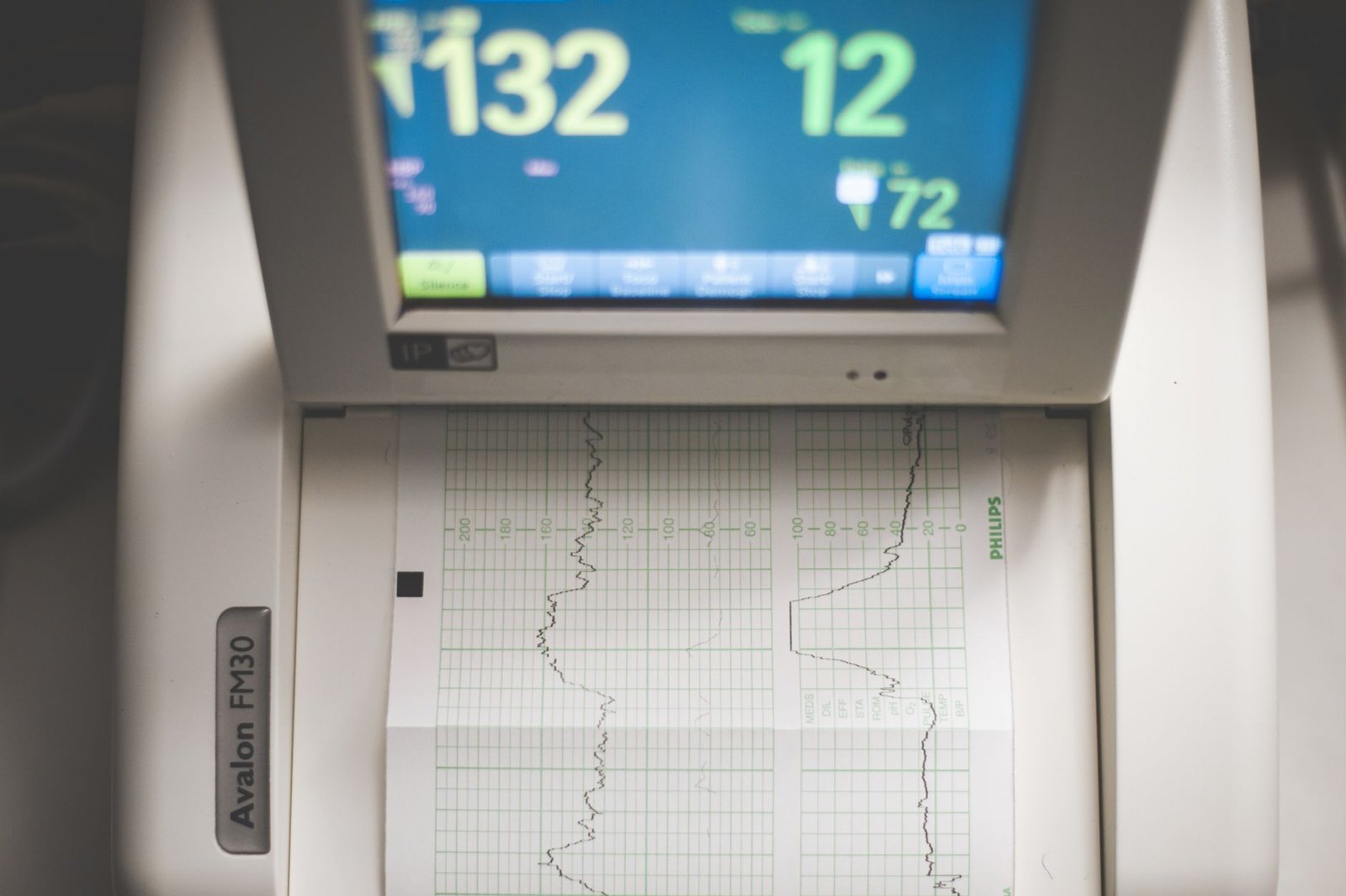
Here is the line people ignore: if your heart rate repeatedly reaches over 100 bpm at rest without an obvious trigger, you should get assessed. Frequency matters. Severity matters. And accompanying symptoms matter even more.
Seek urgent medical help if the racing comes with dizziness, fainting or near-fainting, chest pain, shortness of breath, or severe symptoms. If someone collapses, call emergency services immediately, start hands-only CPR at 100 to 120 compressions per minute, and use an AED if available.
At-home maneuvers can be appropriate for specific rapid rhythms under clinician guidance. For example, for supraventricular tachycardia, vagal maneuvers such as bearing down for 10 to 15 seconds may help, but only after you know what is going on. Your life is not a test kit.
Why Does Your Heart Rate Jump Early in London, and What Causes It?
Why Does Your Heart Rate Jump Early in London?
An early-morning heart rate “jump” is often triggered by normal factors like stress hormones, dehydration, poor sleep, stimulants, sugar spikes, temperature changes, or position shifts, but it can also signal an underlying issue such as thyroid problems, anemia, blood sugar swings, sleep apnea, medication effects, or an abnormal rhythm.
How Do Stress, Anxiety, or Lack of Sleep Cause Early-Morning Heart Rate Spikes?
When you wake up anxious or from nightmares, your body releases stress hormones that raise heart rate and make it feel like it’s suddenly “jumping,” and sleep loss can also increase adrenaline sensitivity, making temporary racing episodes more likely.
Can Dehydration or Low Electrolytes Make Your Heart Rate Jump Early?
Dehydration can increase heart strain and trigger faster beats, especially if you also have low electrolytes; drinking water and considering an oral rehydration solution can help if you suspect you’ve been dehydrated, but persistent symptoms still deserve medical review.
How Do Caffeine, Alcohol, Nicotine, and Sugar Affect Your Heart Rate Early in London?
Caffeine, alcohol (and withdrawal), nicotine, and other stimulants can raise resting heart rate, while refined carbohydrates or sugar spikes can briefly change blood sugar and stress-hormone levels, both of which may contribute to early-morning racing sensations.
When Should You Suspect Thyroid Disease, Anemia, Sleep Apnea, or an Abnormal Heart Rhythm?
If the fast or irregular “jumping” happens repeatedly without a clear trigger, or you notice symptoms like dizziness, chest pain, shortness of breath, or fainting, consider medical causes such as hyperthyroidism, anemia, low or high blood sugar, sleep apnea, medication side effects (including certain OTC cold meds), or arrhythmias like atrial fibrillation, supraventricular tachycardia, or ventricular tachycardia.
What Are Safe Fixes for Early-Morning Heart Rate Jumps, and When Should You Seek Urgent Help?
If it seems clearly anxiety-related, slow breathing and rest may help; if dehydration seems likely, drink water or an oral rehydration solution; reduce caffeine/alcohol and avoid nicotine/stimulants, and improve sleep habits. For certain rapid rhythms, clinicians may use vagal maneuvers, but get guidance first. Seek urgent medical help if the racing is accompanied by dizziness, fainting/near-fainting, chest pain, or shortness of breath, or if someone collapses—call emergency services, start hands-only CPR at 100–120/min, and use an AED if available.
Take Early Heart Rate Surges Seriously
Why your heart rate jumps early in london: causes and fixes often comes down to everyday triggers like stress, dehydration, caffeine, and sleep disruption, but the safe approach is to treat it as data, not trivia. Start with hydration, steadier routines, and reducing stimulants, and review any meds or health conditions that could be driving the change, because persistent fast or irregular beats can signal an underlying rhythm issue. If symptoms like dizziness, chest pain, breathlessness, or fainting show up, do not wait. Your body is warning you for a reason, so respond with clarity and get medical help when needed.

I am Ozan, a London-focused running writer and marathon enthusiast with a passion for helping people discover the city’s best races, running routes, walking trails, and fitness events. I research and write practical, up-to-date guides covering marathons, race preparation, training tips, running gear, and everything related to staying active in London.
My goal is to create reliable, easy-to-follow content that helps runners and walkers of all experience levels explore London with confidence, whether they’re preparing for their first 5K or their next marathon.