Most runners sabotage their marathon legs before the gun by treating hydration like a last-minute emergency. They chug too much, too fast, and end up with a heavy stomach, frequent bathroom stops, and a body that feels less springy when it matters most.
The smarter approach is simple: London Marathon pre-race hydration should be about steady sipping, not gulping. If your goal is clear urine and calm legs, you want your fluid intake to be consistent enough that you stay comfortably topped up, while still giving your body time to process and excrete the excess. Pale straw colored urine is a practical sign you are near the sweet spot, and it usually comes from drinking small amounts regularly.
This article argues for a “sip, don’t chug” plan you can rehearse. Check how you’re trending a couple of hours before start, use sports drink or electrolytes to support retention, and stop taking in fluids roughly 1.5 to 2 hours before you run so you are not fighting sloshing or an urgent bathroom break. Most importantly, avoid overhydration, because pushing water too far can be dangerous, and the best race-day strategy is the one that protects both performance and safety.
Stop Guessing London Marathon Pre-Race Hydration
If you want london marathon pre-race hydration: sip strategy for clear urine and calm legs, you cannot rely on vibes or superstition. You need a method that predicts outcomes, not feelings. That means small, scheduled sips, a urine-color target, and a cap that prevents both dehydration and overdrinking.
Why do runners still show up with dark urine and cotton legs on race morning? Because they treat hydration like a one-time event. Hydration is a timeline, and your body reacts to the timing, not your willpower.
Hydration that feels “safe” can still be wrong. The goal is a controlled trend toward pale straw, not a stomach full of water.
Start With Enough Fluid To Avoid the Early Spiral
Race day hydration has to begin before you think you need it. Starting underhydrated forces you to play catch-up, and catch-up usually becomes gulping. Gulping becomes slosh, slosh becomes stomach discomfort, and calm legs disappear.
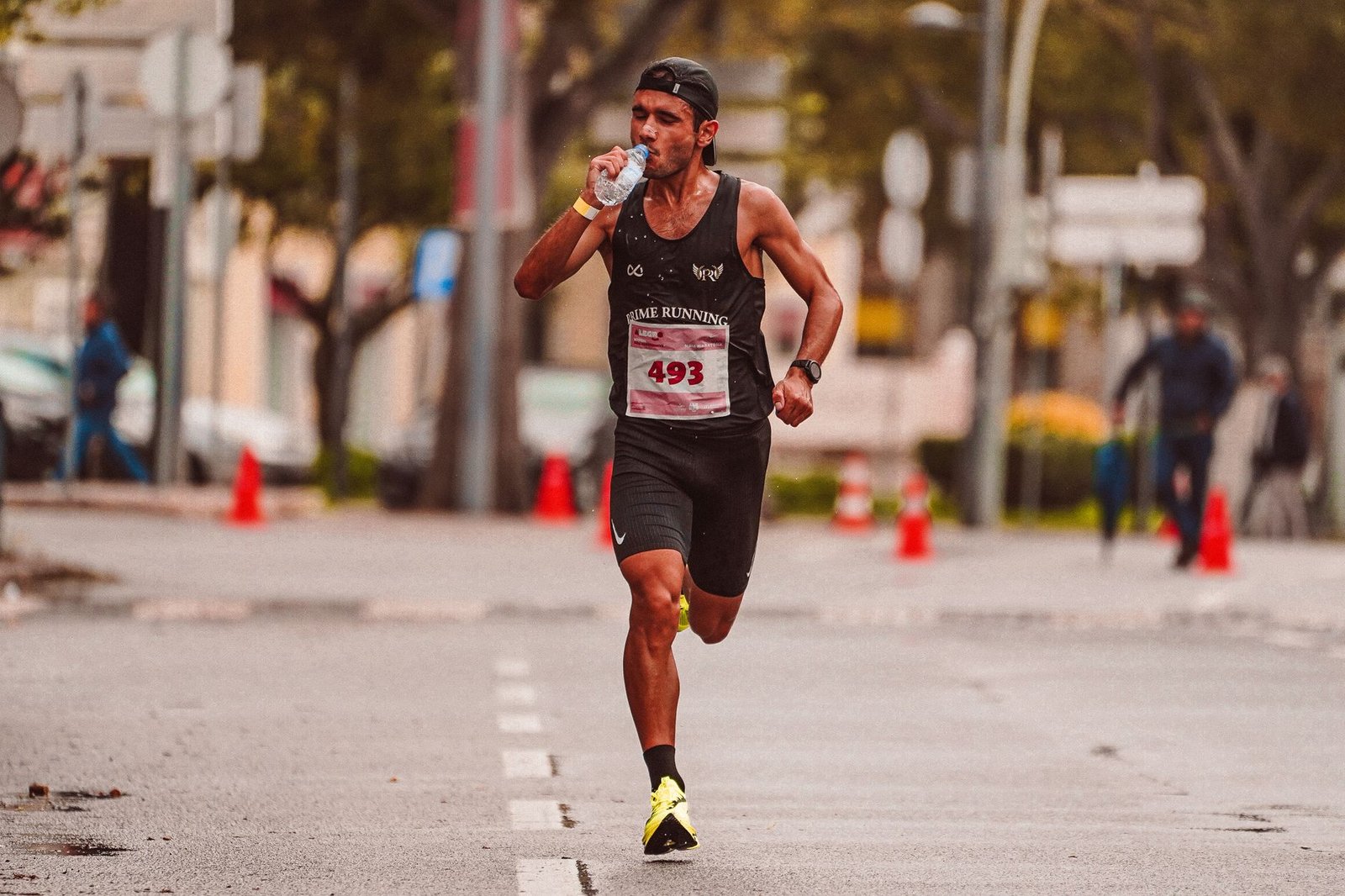
The practical move is simple: begin the morning with a sports drink or electrolyte drink, then keep sipping in small amounts. Starting well hydrated helps your kidneys move fluids along without the drama of last-minute correction.
The Pale Straw Rule Beats Dark Urine Panic
Clear urine is not the target. Dark urine is a signal. Pale straw is the signal you can trust: it usually means your hydration level is trending in the right direction without excessive water load.
Look at urine color about two hours before the gun if you are unsure whether you drank enough. If it is dark or you are producing very little, adjust rather than guessing. You are not “failing” if your urine is dark. You are getting data.
Sip Strategy For Clear Urine Right Up To Your Cutoff
Regular sips beat large gulps because they keep your stomach comfortable and help your body absorb what you take in. The sip strategy is not timid. It is controlled. It also supports the calm legs goal by reducing the sensation of fluid sloshing with every step.
Stop taking fluids roughly 1.5 to 2 hours before the start, earlier if you tend to slosh or pee excessively. Feeling thirsty can be your body’s way of asking for more, but it can also be your body reacting after you have already tipped into overdrinking. Your cutoff prevents both extremes.
Sodium Is Your Partner For Retaining What You Drink
Water alone can leave you with a hollow plan. Sodium helps you retain fluid and supports performance under race-day stress. That is why sports drinks and electrolyte drinks matter when you are building your pre-race hydration routine.
Does adding sodium automatically fix everything? No. But skipping sodium forces you to work harder with water, and working harder increases the chances of stomach discomfort or a less reliable hydration trend.
The fastest way to feel “behind” is to drink fluids that wash out too quickly.
Time Windows That Prevent Slosh and Mistakes
Hydration success depends on timing windows, not just total fluid. If you drink right until you should stop, your body can’t excrete excess fluid before the start, and the run turns into a bathroom negotiation.
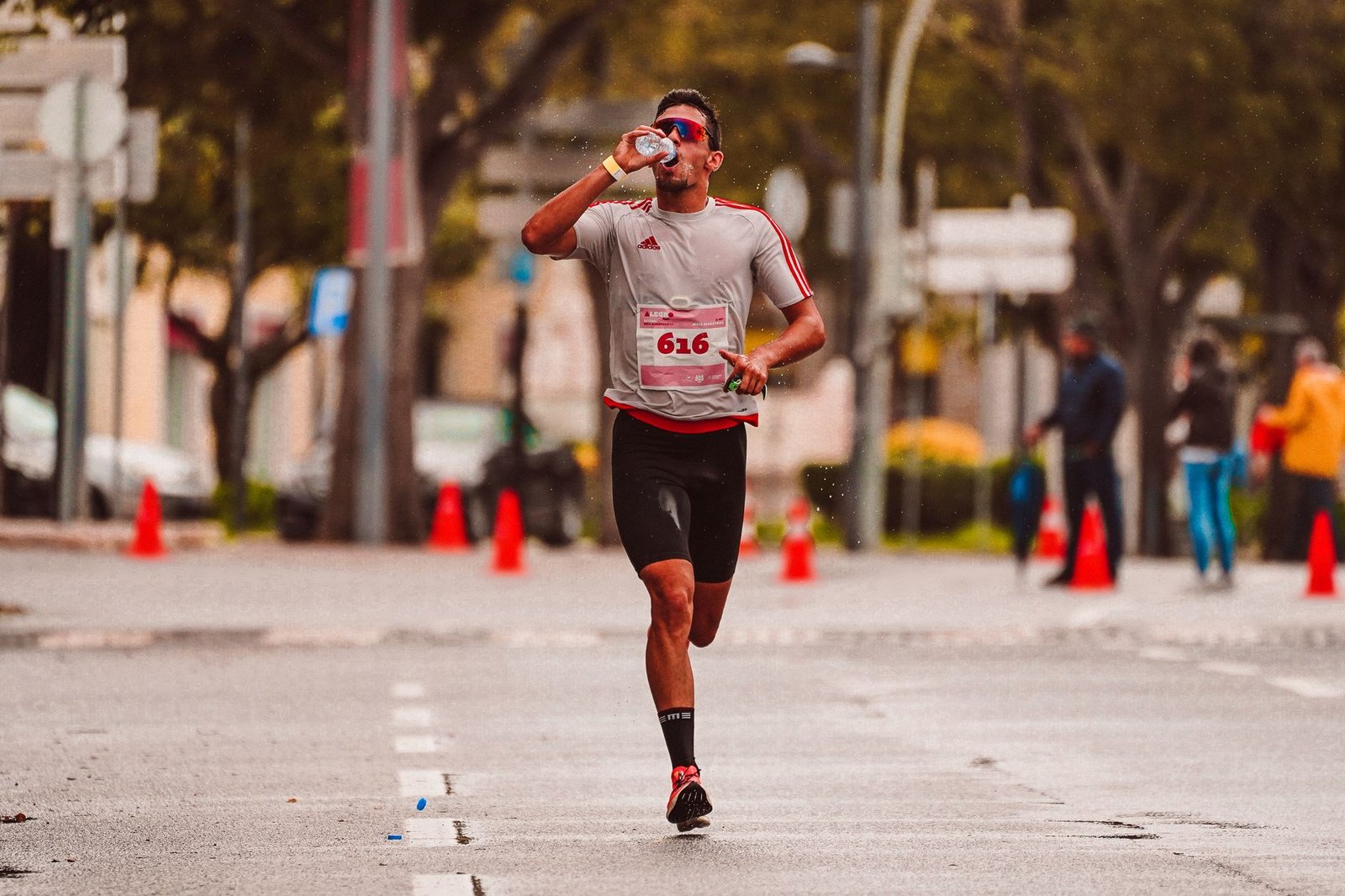
Use these windows to keep your london marathon pre-race hydration on a steady track toward pale straw.
| Time Window | What To Aim For | Typical Intake |
|---|---|---|
| Wake to Start | Hydration baseline | About 500 mL |
| Last 2 to 4 Hours | Trend toward pale straw | 2 to 4 mL per lb |
| 1.5 to 2 Hours Pre | No late fluid load | Stop intake |
| During Race Early | Controlled intake | ~500 mL per hour |
| During Race Later | Adjust for heat | Up to ~1 L per hour |
When you respect the cutoff and sip schedule, you trade uncertainty for control. That control is the difference between “managed hydration” and “an unpleasant experiment.”
The Two Hour Urine Check Enables Micro Adjustments
If you are not sure you are drinking enough, check urine about two hours before you start. Dark urine or low output tells you your body wants more. The fix is not a full bottle. It is a small, timed adjustment.
One evidence-aligned approach is to drink an extra ~3 to 5 mL per 2 lb of bodyweight when your urine is dark or you are producing little. Then give time for excretion before the start. That timing matters. Extra fluid right before the gun can backfire.
Calm Legs Are a Hydration Byproduct of Comfort
“Calm legs” is not magic. It is what happens when your gut and nervous system are not distracted by discomfort. Overdrinking can cause slosh, urgency, and a heavier feeling, especially early when pace and adrenaline push your stride.
If your plan makes you need constant bathroom thoughts, it is not a performance plan. The sip strategy keeps the stomach calm by limiting volume per drink and spacing intake until your cutoff.
Hyponatremia Risk Means You Must Cap Water Intake
Overhydration is not a harmless mistake. Too much fluid, especially too quickly, can dilute sodium and contribute to dangerous hyponatremia. That is water intoxication in plain terms: your chemistry gets pushed into the wrong range.
This is why a cap beats optimism. Guidance that supports ~500 mL per hour for many runners, with higher needs only when heat and pace demand it, exists for a reason. It prevents the “keep drinking just in case” trap.
Weather and Pace Change Your Numbers, Not Your Method
Heat, humidity, and your personal sweat rate can change how much you need. But the method should not change. You still sip regularly, aim for pale straw trends, use sodium-containing fluids, and respect your cutoff.
Ask a hard question: are you planning based on your training runs or on someone else’s forecast? Warmer conditions may justify up to around 1 L per hour for some faster runners. Cooler conditions usually need less. Treat these as adjustments, not invitations to abandon control.
Practice Your Timing So Race Day Is Boring
Hydration timing is a skill. If you want predictable results, you must rehearse the exact timing during training, not just the drink type. The body learns routines, and race day should feel like the safest version of your long-run habits.
Build a checklist you can repeat. When you do, you stop relying on panic and start relying on data.
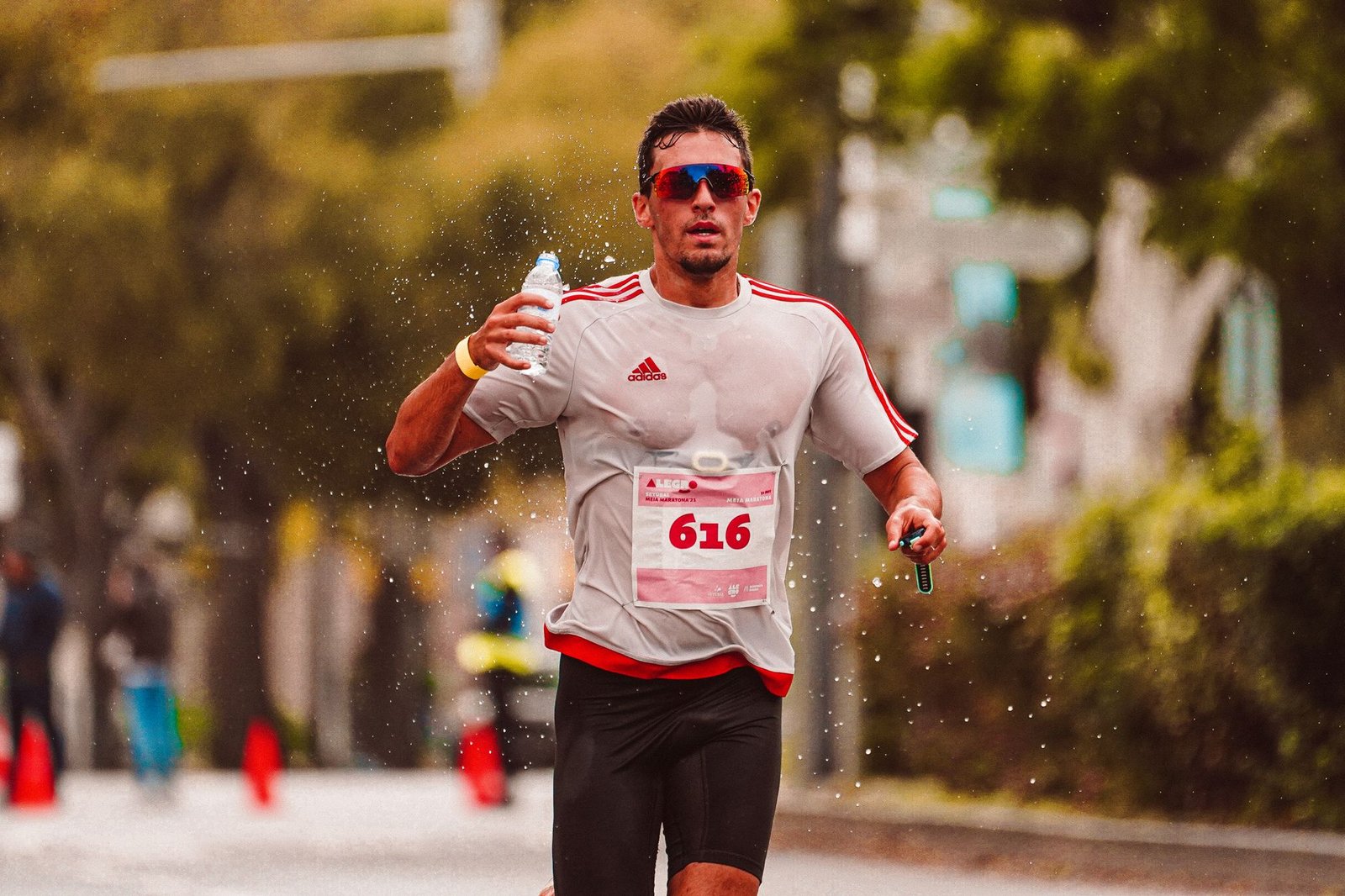
- Run a pre-race hydration simulation at the same time of day
- Confirm urine color trends and your bathroom sensitivity
- Test sodium sources and your preferred sports drink volume
Make Hydration a Decision Framework, Not a Guess
Here is the stance you should adopt: hydration discipline is performance discipline. If you want clear urine and calm legs, the best strategy is boring consistency, not frantic consumption. Your plan should be measurable, time-based, and adjustable based on urine and comfort.
When you follow the urine-color check and sip strategy, you reduce the odds of dehydration while lowering the risk of fluid overload. For a broader evidence-based perspective, marathon hydration guidance aligns with the core principle of controlled intake.
So will you manage hydration like an adult with a plan, or will you treat race day like a roll of the dice?
London Marathon Pre-Race Hydration: Sip Strategy for Clear Urine and Calm Legs
How can a sip strategy help with London Marathon pre-race hydration and calm legs?
Use “sip, don’t chug” to start well hydrated, then drink small, steady amounts so you maintain hydration without overfilling your stomach, which can help you feel lighter and more comfortable while still aiming for pale, light urine.
What does pale straw urine mean for London Marathon pre-race hydration, and when should I check it?
Pale straw or very light yellow urine is a common sign you’re hydrated without being overly diluted; if you’re unsure about your intake, check around 2 hours before the start and, if urine is dark or you’re not producing much, take a small extra amount to help it trend lighter before you begin the race.
How much should I drink before the London Marathon if I’m targeting clear, light urine?
Guidance often suggests drinking in controlled quantities across the morning and final window—starting with a sports drink dose after waking and then continuing with regular small sips—so your total intake supports pale urine while giving time to excrete excess fluid before the gun.
When should I stop drinking fluids before the London Marathon so I don’t feel sloshing or need to pee?
Stop taking in fluids roughly 1.5–2 hours before the start (earlier if you tend to slosh or pee excessively), because feeling thirsty can indicate dehydration and a “sloshing” stomach suggests you likely overdid it.
Should I use water or sports drinks for London Marathon pre-race hydration to support steady drinking?
Many runners benefit from sports drinks or electrolyte-containing fluids to provide sodium along with fluids, which can support retention and steadier hydration—especially when you’re building toward light urine before you begin.
Can overhydration during London Marathon pre-race hydration cause problems, and how does the sip approach reduce risk?
Yes—drinking too much can increase the risk of water intoxication and dangerous hyponatremia; a small-sip, urine-color–guided approach helps you aim for adequately hydrated (pale) urine rather than excess fluid, lowering the chance of fluid overload.
Sip Strategy Wins On Race Day
For London Marathon pre-race hydration, the best outcome comes from a steady london marathon pre-race hydration: sip strategy for clear urine and calm legs, not frantic gulping. Start well hydrated, sip in small amounts to keep urine pale straw, cut fluids before the gun to avoid sloshing, and practice the timing in training so event day feels routine. If your urine is dark or you are not producing much, adjust early rather than guessing at the last minute, because getting the balance right protects you from dehydration and reduces the risk of overhydration.

I am Ozan, a London-focused running writer and marathon enthusiast with a passion for helping people discover the city’s best races, running routes, walking trails, and fitness events. I research and write practical, up-to-date guides covering marathons, race preparation, training tips, running gear, and everything related to staying active in London.
My goal is to create reliable, easy-to-follow content that helps runners and walkers of all experience levels explore London with confidence, whether they’re preparing for their first 5K or their next marathon.