Rain and wind do not have to derail race day. The real difference comes from race-day contingency plans that are prepared in advance, owned by the right decision-makers, and communicated quickly when conditions change.
So, what if it rains or wind spikes? You should expect more than hope and handwritten updates. With rain, the safe call is based on real course conditions like slick surfaces, standing water, and visibility, not a single magic threshold, and course monitors should inform the command team as soon as things cross into “unsafe” territory.
With wind spikes, the logic should be equally practical: secure equipment and infrastructure to prevent toppling, adjust the course to reduce exposure, and escalate to stopping or abandoning segments when racing becomes unsafe or unfair. When the plan is solid, athletes hear the decision online and on-site, safety personnel stay in place, and emergency response is ready without turning weather into chaos.
Who Gets The Final Call When Weather Turns
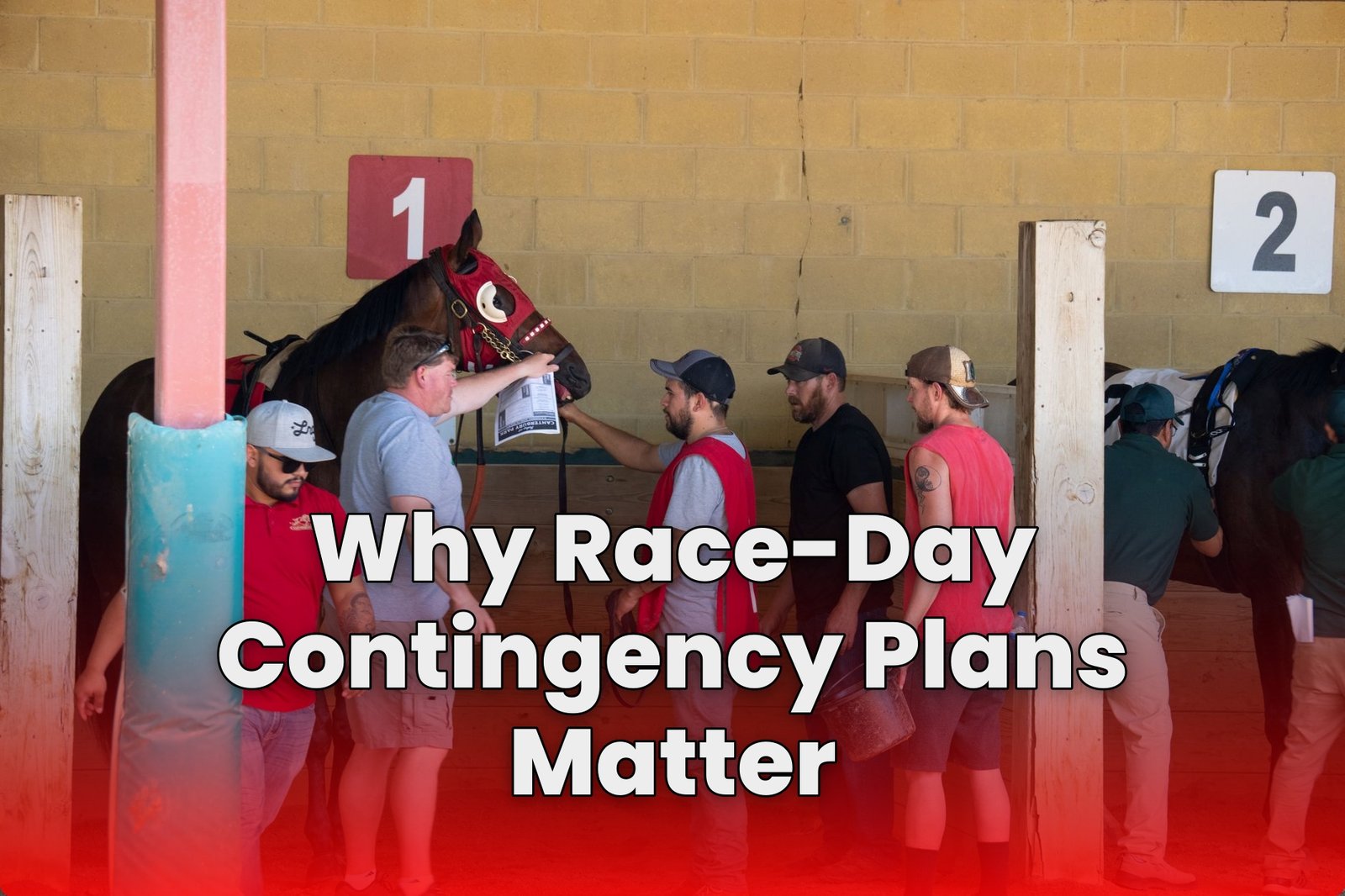
Race-day contingency plans are only as real as the chain of command behind them. The final call to delay, adjust, or cancel should belong to the race director and the documented safety leadership around them, including local safety officials and any relevant USAT safety professionals. If authority is fuzzy, athletes feel it first and safety suffers.
“Rain or shine” is not a promise that conditions are safe. It is a promise that the event operator will respond as conditions evolve. What matters is that the decision is posted online and communicated on-site with clear instructions, including 911 as the emergency contact and safety personnel monitoring their areas.
Rain Or Shine Still Requires Live Risk Updates
So what happens when the forecast calls for rain? The most responsible answer is simple: organizers run the event unless conditions become dangerous, and they do so through constant course monitoring. There is no universal threshold because standing water, visibility, and slick roads vary by layout and timing.
Course monitors and course updates are not bureaucracy. They are the mechanism that turns “could rain” into “safe enough to race.” Without those updates, everyone is guessing, and guessing is the enemy of remote planning and on-site safety alike.
Slick Roads And Visibility Are The Real Rain Tests
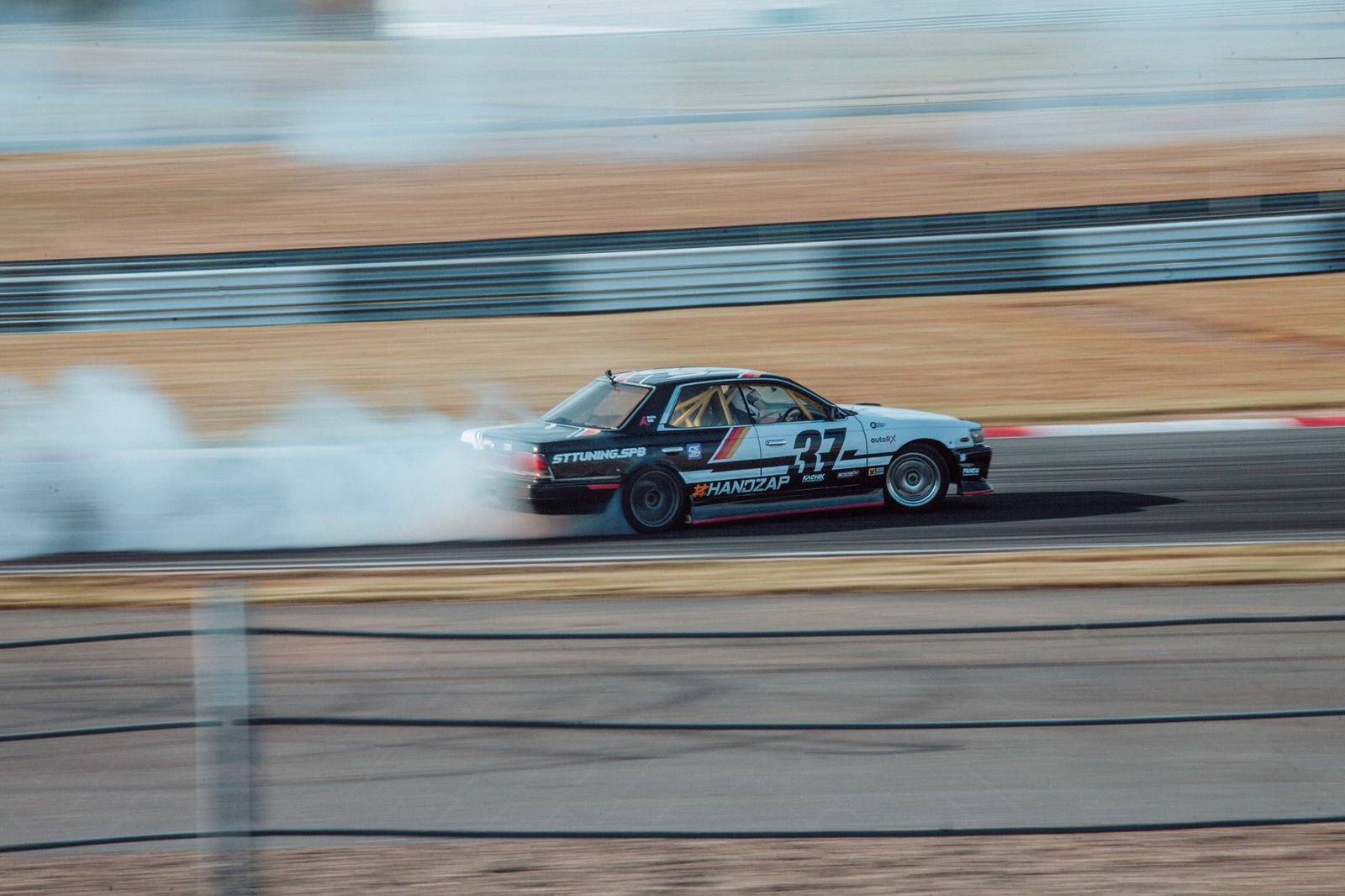
If you want to understand why rain changes race conditions, focus on physics, not optimism. Slick roads raise stopping distance. Standing water increases hydroplaning risk and makes footing unpredictable. Poor visibility turns routine turns and exchanges into avoidable hazards.
That is why event staff should treat rain as a continuum rather than a switch. If monitors report worsening traction or sightlines, athletes do not benefit from ignoring it. What if it rains is not an academic question. It is a safety workflow that must be triggered early enough to prevent late chaos.
Lightning Rules Should Feel Strict Because They Are
Lightning is the one hazard where you cannot negotiate with risk. The right response is explicit suspension and return rules: start is delayed if lightning is visible or near the location; if lightning occurs during the race, racing stops and athletes are pulled off course; and racing resumes only on a disciplined timeline.
That timeline follows the widely used 30-30 rule, where racing is suspended as the flash-to-bang count approaches 30 seconds. After the last lightning strike and last thunder, athletes typically may resume on their own risk after about 30 minutes. Race directors should align with the weather contingency guide before they commit to restart intervals.
Wind Spikes Decide Fairness And Survival
High winds are not just uncomfortable. They can create unsafe or unfair racing, and the difference matters. Equipment and infrastructure can fail under gusts, and failing gear becomes debris. Speakers, start and finish structures, fencing, bike racks, and banners are not decoration. They are loads that must be secured.
When organizers treat wind as a nuisance, they risk toppling and uncontrolled course conditions. When they treat wind as a safety variable, they secure what can be secured, reduce exposure where they can, and make the hard call to pause or abandon when they cannot.
Build A Weather Matrix That Can Be Applied Under Stress
Good race-day contingency plans are not written for reading. They are written for action when visibility is poor and decisions must be made fast. A simple matrix helps staff apply consistent rules for what if it rains or wind spikes without arguing in real time.
Use the same questions every time, and document the triggers so athletes receive coherent updates.
| Hazard | Measured Trigger | Operational Action |
|---|---|---|
| Rain or Heavy Rain | Monitor slick roads, standing water, visibility | Update course status, delay or adjust when unsafe |
| Lightning | Flash-to-bang approaches 30 seconds | Suspend immediately, pull athletes off course |
| Lightning Return | About 30 minutes after last strike or thunder | Resume only if conditions are safe |
| Swimming During Lightning | Lightning present | No swimming until safe conditions return |
| Wind Spikes | Unsecured equipment or unsafe exposure | Secure, reroute, shorten, or cease racing |
A matrix will not eliminate difficult calls. It will eliminate the excuse that “nobody knew what to do.” When you can point to measurable triggers, safety becomes a process, not a mood.
Course Adjustments Are Safety Work, Not Punishment
When wind or weather creates unsafe exposure, organizers can change course structure. That might mean adjusting lanes, reshaping segments, or shortening portions so athletes spend less time in hazardous zones. The goal is straightforward: reduce risk while preserving the core event where possible.

Adjusting lanes is not watering down integrity; it is responding to conditions. Athletes may dislike the change, but they should respect why it exists. After all, what is integrity if it demands participation in conditions that equipment and infrastructure cannot safely withstand?
Storms That Linger Require Start Delays And Format Changes
Prolonged storms or quickly approaching systems are different from brief showers. Starts may need to be delayed, and race distances may be shortened. If conditions worsen as the day progresses, organizers may modify race format so the safest possible version of the event can still happen.
That is why contingency plans must be staged well before race day. The public sees only the final decision, but staff must rehearse the intermediate steps so the event does not stumble from option to option.
The Escalation Ladder From Delay To Abandonment Must Be Clear
There should be an escalating set of options that moves from operational changes to deeper disruption. A typical ladder can include changing the start time the same day, modifying the race format, changing the race date, and only then canceling. In severe conditions, the event may be totally ceased for a period and ultimately abandoned for the remainder of the day.
When an operator treats these steps as real, athletes are more likely to accept them. When organizers hide behind delays until late in the day, they train participants to distrust safety decisions.
Communication Is Part Of Safety, Not Just Customer Service
Race-day updates must be posted online and communicated on-site through PA so athletes are not left to infer conditions. When decisions are late or unclear, people gather, ask questions, and rush to make their own interpretations. That creates additional risk in already bad weather.
Clear communication should include what changes, why it changed, what athletes should do next, and who to contact. If emergency resources like safety personnel and lifeguards are monitoring course areas, athletes should know how that coverage connects to their instructions.
No Refund Promises Must Be Matched With Transparent Fairness
Some events use a no refunds policy where stated, often combined with last-resort cancellation. Critics argue that this is harsh, especially when weather is the cause. But policies are only fair when they are disclosed in advance and applied consistently.
Do you punish athletes for storms? Not if you are honest about the limits. Refund disputes disappear when the decision logic is visible, the communication is prompt, and race-day contingency plans are clearly explained before anyone registers.
Practice The Plan Before Race Morning Or It Will Fail
Here is the uncomfortable truth: contingency plans collapse under pressure if they were never practiced. Staff must know who monitors traction, who tracks lightning intervals, who secures infrastructure under wind, and how quickly updates move from observation to instruction.
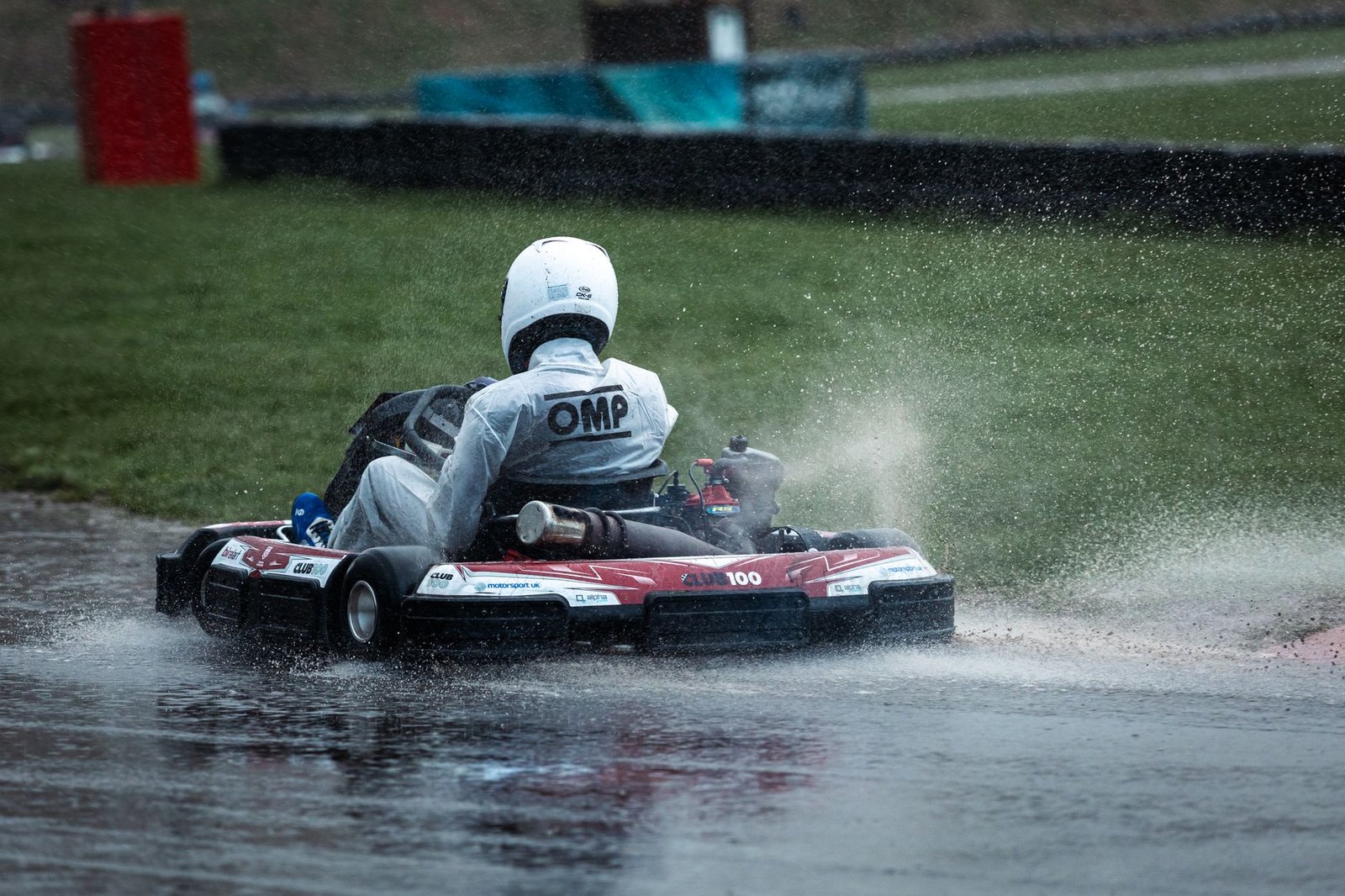
If organizations treat planning as paperwork, athletes will pay the price through confusion, delays that feel arbitrary, and rushed safety decisions. If organizations treat it as a practiced system, the day can remain orderly even when rain, lightning, and wind spikes do their worst.
Respect The Hard Calls Because Safety Is The Brand
Contingency decisions are not “failures of planning.” They are evidence that the plan works. When a race director pauses racing due to lightning, stops swimming while lightning is present, adjusts course structure for dangerous winds, or cancels when storms overwhelm the safety perimeter, the operator is choosing athlete survival over stubborn consistency.
That is why strong race-day contingency plans deserve public respect. The next time you ask what if it rains or wind spikes, the right answer is not panic or sarcasm. The right answer is a structured response that protects people first and keeps the event fair enough to finish when it can.
What Race-Day Contingency Plans Apply if It Rains or Wind Spikes?
What Race-Day Contingency Plans Apply When Events Run “Rain or Shine”?
Most events operate on a “rain or shine” plan, but the race director and chain of command make the final call—often in consultation with local safety officials (and relevant USAT safety professionals)—to delay, adjust, or cancel when conditions become dangerous.
What If It Rains or Heavy Rain Makes Roads Slick and Visibility Poor?
With rain or heavy rain, the key risks are slick surfaces, standing water, and reduced visibility, and there is no single universal threshold; course monitors and official course updates guide when conditions become unsafe.
How Are Lightning Delays and the 30-30 Rule Handled During the Race?
If lightning is visible or near the location, the start is delayed, and if lightning occurs during the race, racing is stopped and athletes are pulled off course, with resumptions typically allowed about 30 minutes after the last lightning strike/last thunder using the 30-30 rule.
Can Athletes Swim When Lightning Is Present?
No—swimming is not allowed while lightning is present, and athletes should follow the safety direction of event staff and course personnel for the correct suspension and resumption timing.
How Do Organizers Handle Wind Spikes and High Winds for Safety and Fair Racing?
For wind spikes/high winds, decisions depend on whether conditions create unsafe or unfair racing, including securing infrastructure (speakers, start/finish structures, fencing, bike racks, banners), adjusting lanes or course structure, shortening exposure, and in extreme cases pausing or abandoning racing for the remainder of the day.
When Can Race Directors Delay, Shorten, Modify, or Cancel After Storms Escalate?
If storms are prolonged or quickly approaching, starts may be delayed and distances shortened, and in very adverse conditions the event may be escalated from changing the start time (same day) to modifying the race format, then changing the race date, and finally—where stated—last-resort cancellation with posted decisions and on-site communication via PA and emergency support via 911.
Make the Call Before Conditions Make It For You
Race day is “rain or shine” only until safety officials and your race director see that conditions have become dangerous, and that is why race-day contingency plans, what if it rains or wind spikes, must be operational long before the first athlete arrives. Secure equipment, monitor course conditions in real time, apply explicit lightning rules, and be willing to delay, adjust, or cancel based on objective risk and fairness, not hope. When the system is ready, you protect athletes, staff, and spectators, and you earn trust that holds even when the weather turns.

I am Ozan, a London-focused running writer and marathon enthusiast with a passion for helping people discover the city’s best races, running routes, walking trails, and fitness events. I research and write practical, up-to-date guides covering marathons, race preparation, training tips, running gear, and everything related to staying active in London.
My goal is to create reliable, easy-to-follow content that helps runners and walkers of all experience levels explore London with confidence, whether they’re preparing for their first 5K or their next marathon.