Knee pain during marathon training is not something you should “push through” and hope it fades. It is usually your body sending a clear signal that one or more likely drivers are forcing the knee to do more work than it can handle.
The most common culprit is poor knee tracking from weak or underactive hip control, especially the gluteus medius and gluteus maximus, which can leave the quadriceps overcompensating. Add in typical marathon traps like fast mileage jumps, too much high-impact work, and insufficient recovery, and you have a setup for patellofemoral irritation. Then there is the external side: foot mechanics and footwear, plus form issues like overstriding and heavy heel-first landings that spike impact.
This is why the fix must be targeted, not generic. When the knee is tender, reduce load immediately by swapping to low-impact cross-training and keeping intensity easy, while you build strength 2–3 times per week with controlled hip and single-leg moves, and improve alignment through quicker, lighter steps and a more upright, relaxed posture. If pain persists beyond about a week after backing off, or if it comes with swelling or sharp severity, get sports physiotherapy or a gait check so the drivers are corrected instead of masked.
Runner’s Knee Is Usually Not a Mystery
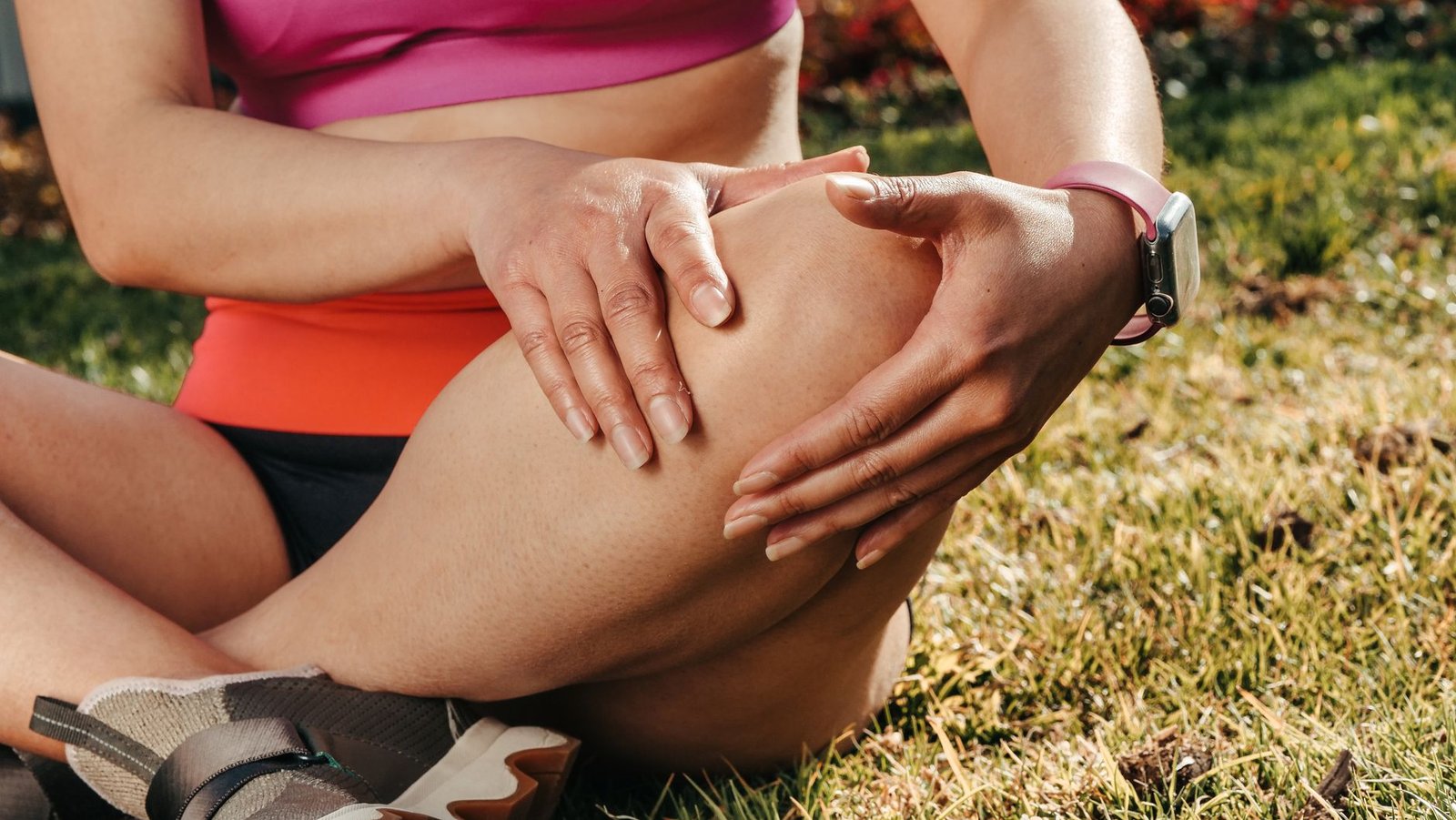
If you want to learn how to reduce knee pain in marathon training, start with the most likely drivers, not guesses. Patellofemoral pain, often called runner’s knee, is frequently tied to poor knee tracking when the hip and thigh fail to stabilize the joint. That breakdown can increase strain on the kneecap area every time your foot hits the ground.
Fix the likely drivers and the symptoms usually behave. The common pattern is weak or poorly activated gluteus medius and gluteus maximus, plus overuse from rapid mileage increases, high-impact sessions, and insufficient recovery. Add foot mechanics and running form that increase impact, and you get a clear path from cause to pain.
Ask yourself: how many weeks have you added intensity while your strength work stayed the same? When the knee hurts, the solution is rarely rest alone. It is targeted load management plus specific strengthening.
Stop Chasing Miles When the Knee Is Tender
Your first job is to prevent the knee from accumulating more irritation. That means reducing high-impact work when the pain is tender, especially during or after runs. Pain is information, not a challenge to conquer.
Swap the painful stimulus for lower-impact options for a short window. Cycling, swimming, or brisk walking can keep fitness while giving the patellofemoral joint a chance to calm down. Why keep pounding the exact structure that keeps protesting?
And do not “push through” sharp pain. If your symptoms climb during a run, cut the session short or replace it. The goal is to return to running with the knee steadier, not more inflamed.
Make Glutes Do the Job Your Quadriceps Are Overworking
Glute weakness is a frequent root cause because it changes how the hip controls the femur during stance. When the knee collapses inward or tracks poorly, the quadriceps often overcompensate to do what the hip should control. The result is extra patellofemoral stress.
Work gluteus medius and gluteus maximus with controlled, progressive exercises. Side-lying hip abduction, clamshells, hip bridges, and step-ups can improve stability and reduce the need for knee-dominant mechanics. Train the hip to steady the knee, not just to “feel sore.”
Consistency matters more than novelty. If your glutes are not contracting reliably, your runs will keep paying the bill.
Strength Without Control Is Just Extra Fatigue
It is easy to add strength sessions and still miss the point. If you squat or lunge and your knee caves inward, you are training the wrong movement pattern. Strength work must teach alignment and control under load.
Use slow tempo and crisp cues. Keep your foot tripod stable, drive your knee in line with your second toe, and let your hips move with intention. Start with lighter loads and fewer reps if your form falls apart.
When your knee tracks well in the gym but fails during running, you do not have a training volume problem. You have a transfer problem.
Progress Mileage Like a Scientist Not a Hero
Overuse is the simplest driver to overlook. Even with good mechanics, a sudden jump in mileage, long runs, or hard workouts increases impact stress. The patellofemoral joint does not adapt instantly.
Keep progression modest and build recovery into the plan. If a painful pattern appears after a schedule change, assume training load is involved and adjust before the condition becomes chronic.
A practical rule: if symptoms rise week over week, your current training load is too high. Reduce one variable at a time, usually intensity or frequency of high-impact sessions, and watch how the knee responds over several days.
Tune Your Landing to Reduce Impact Stress
Running mechanics can either calm or amplify patellofemoral strain. Common issues include overstriding, hard heel-first landings, and a posture that makes your body drop into each step rather than run smoothly.
To reduce knee pain in marathon training, focus on cues that shorten the braking phase and distribute load more evenly. Increase cadence slightly, aim for quicker, lighter steps, and keep a relaxed, upright posture. For many runners, a midfoot or softer landing reduces the abrupt forces that irritate the kneecap area.
| Running Cue | Expected Effect | Typical Target |
|---|---|---|
| Increase Cadence | Less braking per step | +5 to +10% |
| Shorten Stride | Reduce overreach | Quicker foot fall |
| Soft Landing | Lower peak impact | Quiet foot strike |
| Stay Tall | Better trunk control | Neutral posture |
| Forward Gait | More efficient stride | Level hips |
Does changing form sound uncomfortable? It should feel different, not chaotic. Practice these cues on easy runs first, not on intervals. The goal is repeatable mechanics when you are tired, not just when you are fresh.
Foot Mechanics and Shoes Can Load the Patellofemoral Joint
Your knee does not exist in isolation. Foot structure and alignment influence how the tibia and femur move during stance. Flat feet, high arches, and excessive pronation or insufficient shock absorption can increase load on the knee and disrupt tracking.
Check your shoes for wear patterns and consider whether your footwear matches your gait. If you consistently land the same way and the knee reacts, a gait assessment or appropriate orthotic support may help stabilize mechanics.
Do not assume every pain case needs inserts, but do not dismiss mechanics either. If your knee pain is stubborn, foot contribution is worth investigating early.
Warm Up for Tracking Not for Sweat
A good warm-up is not just about raising temperature. It should prepare the hip-knee system for stable alignment and clean activation. If you start runs with sluggish glutes, the knee may take over immediately.
Include brief activation before you run. Band walks, clamshells, and controlled bodyweight step-ups can “wake up” stabilizers. Then add a few minutes of easy running to let mechanics settle into the improved pattern.
Keep it short and specific. A warm-up that makes you out of breath does not help the knee. It just delays proper mechanics.
Recovery Work Keeps Tendons Calm
Recovery is not a luxury for marathon training. When you stack hard days, inadequate sleep, and little recovery, the body cannot handle even small biomechanical stressors. That friction shows up as worsening pain.
Use mobility and soft tissue work to manage tightness that affects movement quality. Regular stretching and foam rolling can help, especially around the hamstrings, calves, and the area that often feels irritated near the IT band region.
Recovery should support the training goal, not replace it. You still need load modification and strengthening, but you also need the knee to calm between sessions.
Return to Running With a Stepwise Upgrade
When symptoms improve, do not sprint back to your normal marathon schedule. The knee needs a graded transition from low-impact to run volume and impact. Too fast a jump can erase the progress you fought to gain.
Start with short, easy runs and keep intensity low. Then build mileage gradually, increasing volume first before adding pace or hills. If pain rises the next day or during the run, scale back and reassess the plan.
Consistency beats intensity during the return phase. Your objective is stable, repeatable sessions with minimal symptom flare.
Know the Warning Signs and Get Tailored Care
Some knee pain can linger if you treat it like a generic nuisance. If you have swelling, severe pain, worsening function, or symptoms that do not improve within about a week after stopping aggravating runs, you should seek professional assessment.
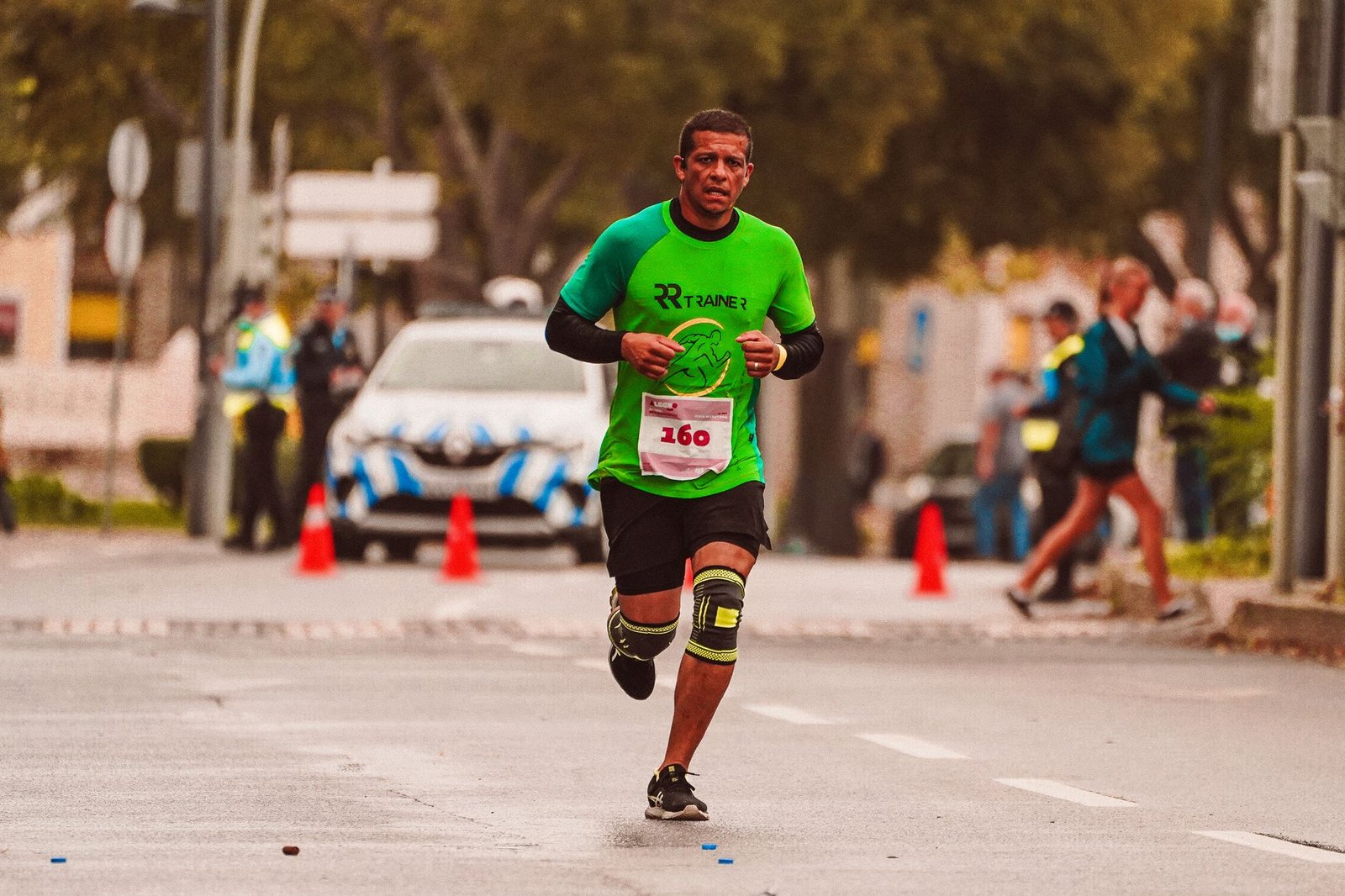
For safety thresholds and when to stop, use official guidance to decide what level of evaluation is appropriate. A GP or sports physiotherapist can tailor rehab and correct contributing mechanics.
Why guess when a targeted assessment can tell you whether the issue is strength, tracking, load management, foot alignment, or something else entirely?
Use Support Strategically, Not as a Crutch
Support tools can help some runners by improving patellar tracking or reducing symptoms during the return to running. Examples include taping techniques or bracing, often used alongside strength and mechanics work rather than instead of it.
However, support should be temporary and purposeful. If you rely on it while ignoring glute strength, training load, and form cues, the underlying drivers remain. Then pain returns the moment the support comes off.
If your symptoms keep recurring, consider a gait analysis and equipment review with a qualified clinician. The aim is to create a training environment where your knee can handle marathon preparation.
How Can You Reduce Knee Pain During Marathon Training by Fixing the Most Likely Drivers?
How should you modify marathon training to reduce knee pain when your knee feels tender?
If your knee is tender, avoid pushing through pain and pause high-impact running for a few days by swapping to low-impact options like cycling, swimming, or brisk walking; keep runs easy and short, and only progress once pain settles and you can move without worsening symptoms.
Which muscle weakness or poor activation most commonly drives runner’s knee, and what strengthening helps?
Weak or underactive gluteus medius and gluteus maximus can reduce hip control and cause the knee to track poorly, increasing stress on the front of the knee; strengthen hip stabilizers 2–3 times per week with controlled hip abductor work (for example clamshells, side leg lifts) plus functional options like step-ups, lunges, and squats.
What running form changes reduce impact and help calm patellofemoral knee pain?
Try shortening stride length, increasing cadence so steps feel quicker and lighter, and aiming for a more midfoot landing while staying upright with relaxed posture; these changes can reduce hard heel-first loading and lessen repetitive stress during marathon-paced efforts.
How do training load and recovery contribute to knee pain during marathon training, and what should you change?
Overuse from rapid mileage increases, frequent high-impact sessions, and inadequate recovery often triggers flare-ups; reduce total load temporarily, avoid stacking hard days, and build gradually so your knee has time to adapt before adding intensity or volume again.
How can foot mechanics and footwear choices affect marathon knee pain?
Flat feet, high arches, or poor alignment can influence how force travels up the leg, sometimes worsening knee stress; review your footwear condition and fit, and consider a professional gait assessment and appropriate orthotics if mechanics appear to contribute.
When should you see a doctor or sports physiotherapist for knee pain that won’t improve?
If knee pain persists beyond about a week after you stop the aggravating running or if you notice swelling, sharp worsening, or severe pain, get medical or sports physio care to tailor rehab and correct underlying mechanics, which may include specific progression, taping, or bracing.
Fix The Likely Drivers And Train Pain Free
If you want real answers to how to reduce knee pain in marathon training, fix the likely drivers, stop treating it like random soreness and address the pattern: protect the knee by cutting high-impact while it is tender, strengthen the hip stabilizers that control knee tracking 2 to 3 times per week, and clean up mechanics with a shorter stride, quicker steps, and a more relaxed upright landing. Add recovery, check foot mechanics and footwear, and return to running gradually only when symptoms settle. Knee pain during marathon buildup is usually a fixable mismatch between load and control, so commit to that adjustment now.

I am Ozan, a London-focused running writer and marathon enthusiast with a passion for helping people discover the city’s best races, running routes, walking trails, and fitness events. I research and write practical, up-to-date guides covering marathons, race preparation, training tips, running gear, and everything related to staying active in London.
My goal is to create reliable, easy-to-follow content that helps runners and walkers of all experience levels explore London with confidence, whether they’re preparing for their first 5K or their next marathon.