
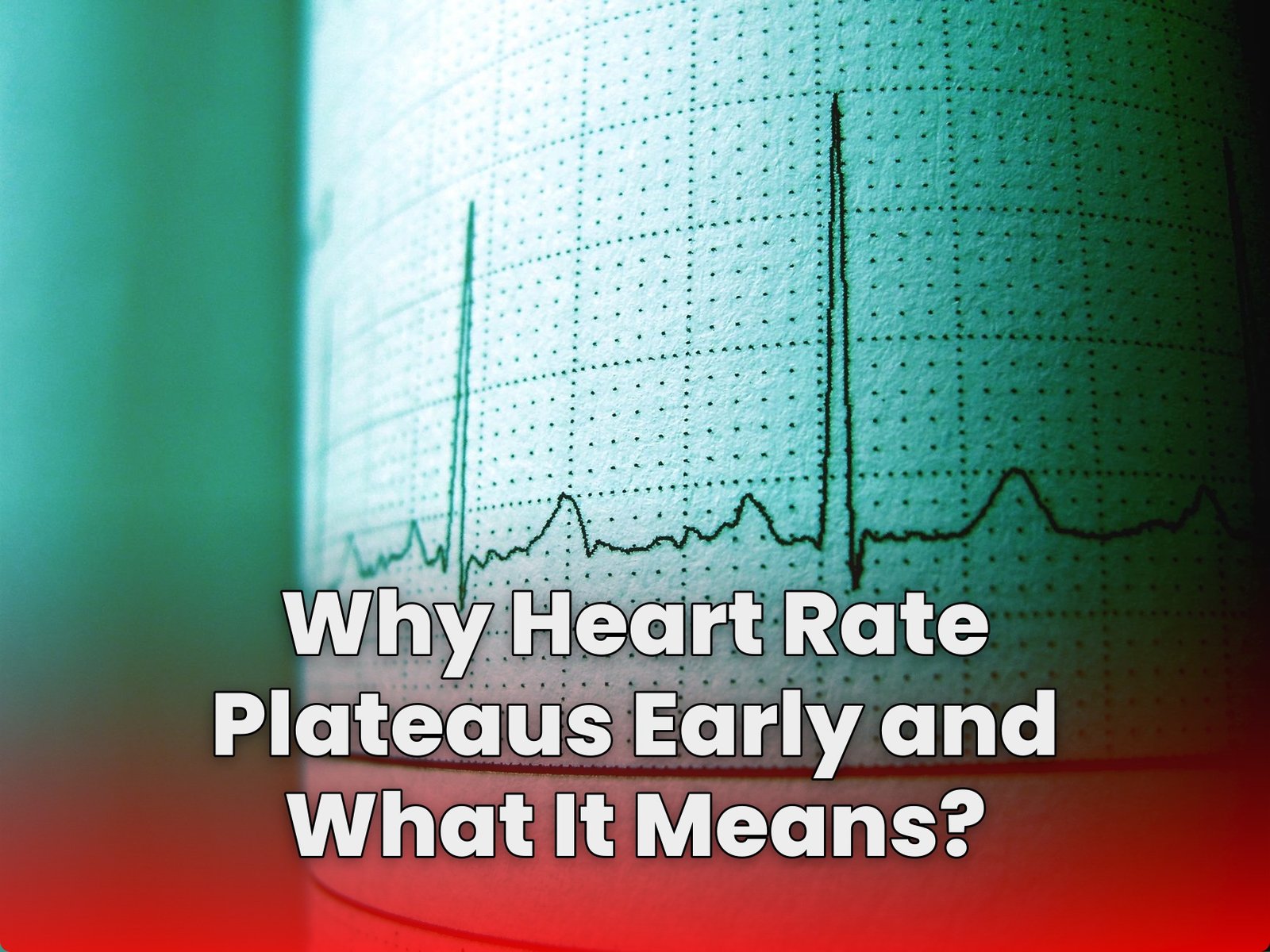
An early heart rate plateau is usually a normal adaptation, not a warning sign that something is broken. When you start exercising, your body quickly shifts autonomic control and stabilizes oxygen delivery, so your heart rate can rise fast and then level off within the first couple of minutes.
So what does it mean? In many people, an early plateau reflects a regulated “set point” for that effort, where cardiac output meets demand even if stroke volume later plateaus or gradually declines. For lighter steady efforts, both cardiac output and stroke volume may stabilize quickly, leaving heart rate steady; for harder intensities, heart rate can plateau early and then drift upward over time due to heat and fluid shifts.
The important part is the pattern. A sharp rise followed by a stable, reasonable plateau that matches your workload often indicates healthy cardiovascular and autonomic control. But if you cannot get a plateau after about 8 to 10 minutes at a steady moderate effort, if your heart rate jumps to unusually high levels almost immediately, or if the plateau comes with dizziness, chest pressure, or unusual shortness of breath, you should get medical guidance.
The Early Plateau Is Usually Your Body Doing Its Job
If your heart rate plateaus too early, the most important question is not “How do I force it higher?” It is “What did my cardiovascular system just accomplish?” In the first couple of minutes, your body rapidly shifts gears. That shift can produce a quick rise and then a stable beat rate that matches the work you are doing.
For many people, an early plateau during steady effort is not a failure. It is a regulated set point for that intensity, where cardiac output is adequate for oxygen demand even if other details, like stroke volume, change later.
Autonomic Switching Explains Why Heart Rate Stabilizes Fast
Right when you start exercising, your autonomic nervous system changes its control. Sympathetic activation ramps up to prepare the body for movement. Then, after the initial surge, parasympathetic re-engagement and baroreflex regulation settle into a new operating point.

That sequence often creates the pattern you notice as rapid HR rise within about 1–2 minutes, followed by a plateau. So when you see the number level off early, you are often watching control systems work, not ignoring a problem.
Stroke Volume Can Plateau Too, Without Meaning Your Fitness Is Worse
Heart rate is only one part of the equation. Even when stroke volume reaches its capacity early, the cardiovascular system can still deliver enough cardiac output to meet the workload. In that scenario, HR may stay steady because it does not need to rise to supply oxygen demand.
So what does it mean when HR plateaus while you still feel like you are working? It usually means cardiac output is preserved for that level, even if stroke volume later plateaus or gradually declines.
Submaximal Effort Often Produces a Quick, Clean HR Plateau
For lighter, submaximal workouts, the body frequently achieves a steady supply of blood flow within a couple of minutes. Cardiac output can plateau early, and HR may remain steady because the workload is not demanding additional circulatory output.
This is why many athletes see a stable heart rate at an easy tempo or a moderate warm-up. Does that feel boring? Possibly. But physiological stability is not the same as undertraining.
Hard Steady Intensity Can Plateau Early Then Drift Up
At higher steady intensities, HR can plateau early, yet the story does not always end there. Over time, cardiac drift may appear as a gradual upward drift in heart rate during the same external workload.
If you wonder why the number creeps upward during steady work, cardiac drift research explains how core temperature and fluid balance push the system toward higher heart rates even when your power or pace is unchanged.
Dehydration and Heat Make Early Confidence Into Late Fatigue
Some plateaus happen “too early” only because the body can briefly compensate. Then heat stress and fluid loss reduce performance efficiency and change circulation needs, so HR rises even if the workout feels the same. Dehydration can be a meaningful driver of that drift.
When cyclists did not match sweat losses, their HR rise was reported as roughly double compared with well-hydrated riders, about 10% versus 5%. If you see an early plateau followed by a slow climb, ask whether your hydration and environment are quietly steering the numbers.
| Factor | Typical HR Pattern | What It Indicates |
|---|---|---|
| Dehydration | HR drift increases over time | Higher circulatory demand |
| Core Temperature | Steady workload, rising HR | Heat stress accumulation |
| Under-Refueling | Plateau then slower recovery | Fuel limits efficiency |
| Warm Conditions | Earlier HR stabilization then climb | Autonomic strain |
| Inadequate Cooling | HR rises before power drops | Reduced heat tolerance |
The takeaway is practical: if your HR plateaus early and later drifts upward, do not assume your heart “forgot how to work.” Treat it like a signal to review temperature, fluids, and fueling, then compare your next session under better conditions.
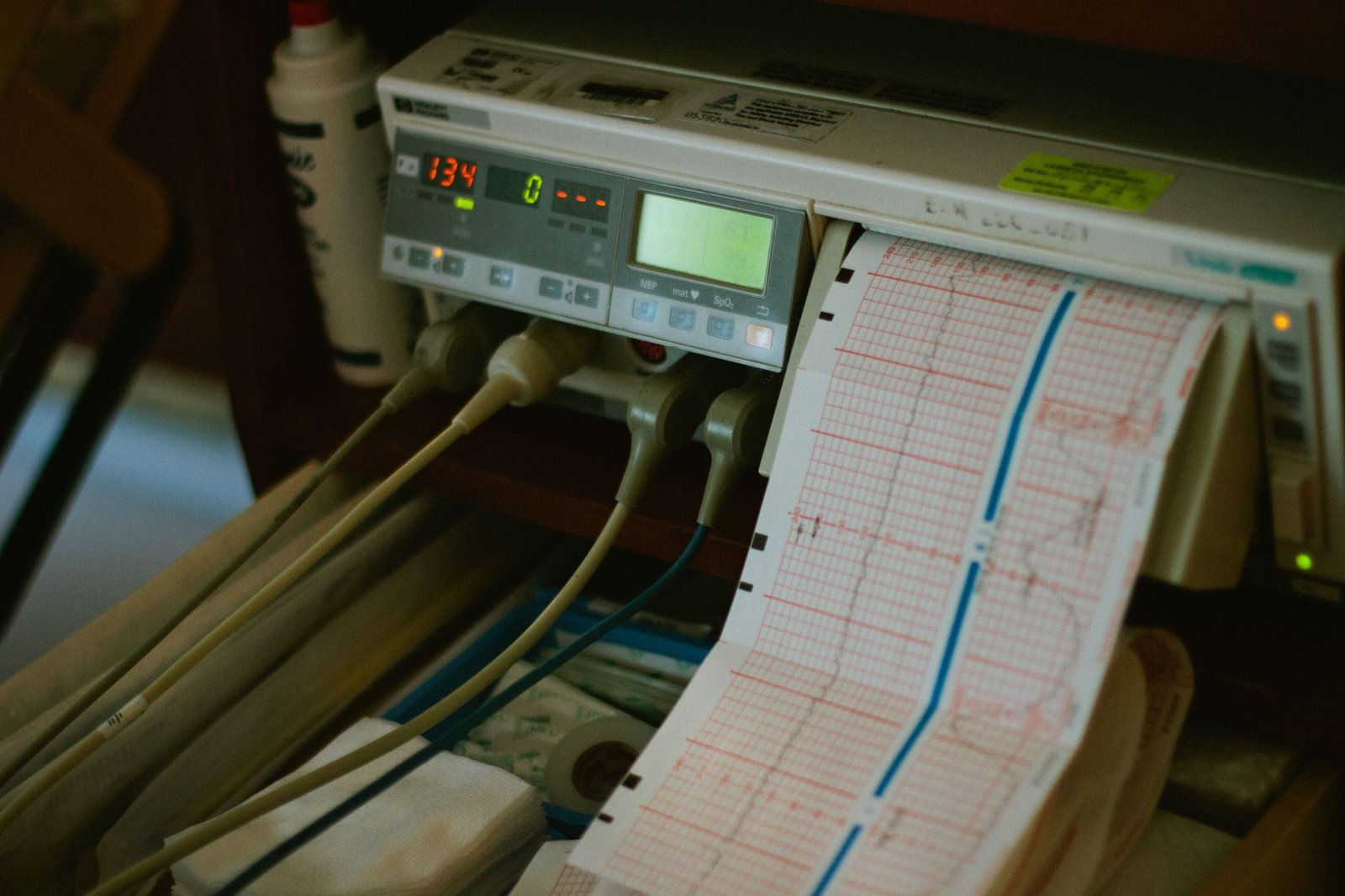
How Treadmill Incline Can Create a Spike Then Calm Down
Many people report an early heart-rate jump during incline walking, then a later plateau. That pattern can be normal: the initial rise reflects fast autonomic activation, and the later plateau reflects the baroreflex settling into a regulated point for that intensity.
But context matters. If the plateau occurs at a reasonable HR for your effort, it likely means your cardiovascular system is meeting demand. If it plateau happens at an unexpectedly high or low number for you, you have to look deeper at the setup and the signals you are trusting.
Fake Plateaus Happen When Sensors Lose the Plot
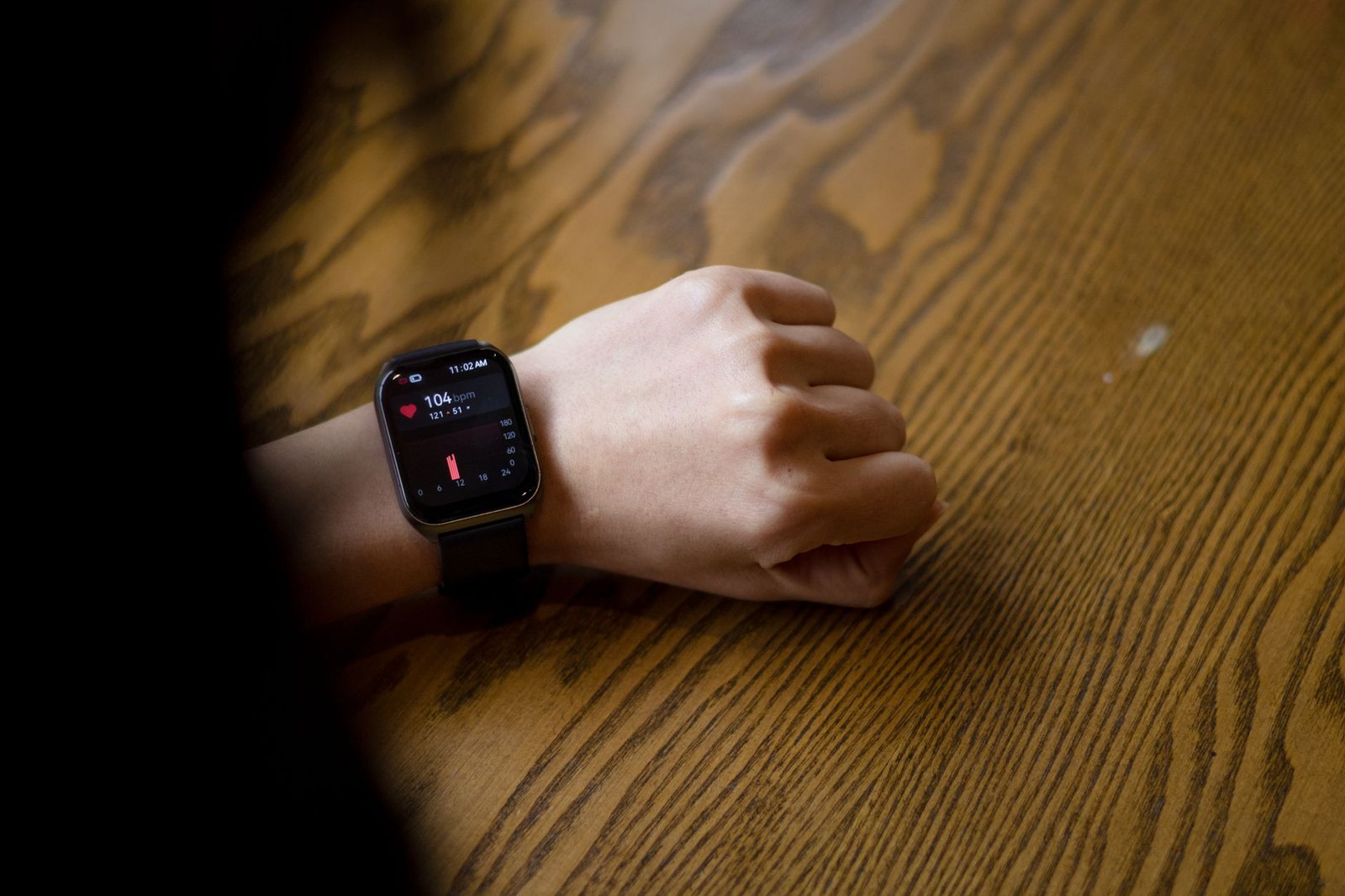
Not every early plateau is physiological. Optical wrist sensors can struggle with motion, sweat, tattoos, cold hands, or loose fit. Chest straps generally track more consistently, but even they can misread if they are positioned poorly.
Before you conclude “my heart rate won’t rise,” check the boring basics: strap tightness, skin contact, firmware settings, and whether the plateau tracks across sessions. Are you sure the plateau is real rather than an artifact?
Plateaus With Red Flags Are Not Something to Normalize
So when does an early plateau mean “pay attention”? A plateau that is abnormal for you, paired with symptoms, is a different category than a stable HR during a typical session.
Consider urgency if there is no plateau after about 8–10 minutes at a constant moderate workload, or if HR exceeds about 85% of age-predicted max within 90 seconds. Especially concerning are dizziness, chest pressure, or unusual shortness of breath.
Arrhythmia and Electrolytes Can Turn Steady Work Into Jittery HR
Sometimes “plateau” is just the moment you notice the wrong behavior. Arrhythmias, medication effects, and electrolyte imbalances can produce erratic HR swings that do not settle into a stable pattern you would expect from normal autonomic regulation.
If your HR behavior is unpredictable during what should be steady effort, treat it as a signal. Why assume it is training adaptation when the pattern looks irregular? That is how small issues become larger ones.
Use Pattern Recognition Instead of Chasing One Magic Number
Heart rate plateaus mean different things depending on the shape of the response. A sharp spike followed by a stable plateau at a reasonable HR usually reflects effective cardiovascular and autonomic adaptation. A plateau that is abnormal for you, or paired with warning signs, warrants attention.
Your job is not to force the number. Your job is to interpret it. Track effort level, pace or power, perceived exertion, temperature, and hydration so you can tell whether HR is matching the workload or reacting to stressors.
Fix The Inputs During Training, Then Judge the Outcome
If you suspect your plateau is “too early” because your body cannot sustain the workload efficiently, adjust practical inputs: hydration, warm-up length, and pacing. A longer warm-up can change how quickly your autonomic system reaches the right operating point, often smoothing the early rise and reducing confusion.
Then test your response. Did the plateau stabilize at a similar HR for similar effort after you improved hydration and pacing? That is a better experiment than switching devices mid-month or panicking at one session.
Stop Treating Early Plateau as Failure, Start Treating It as Data
Here is the stance most people need: an early heart-rate plateau is usually not a moral judgment on your fitness. It is a readout of the body meeting oxygen demand through regulated cardiac output. The real mistake is treating a single metric as a verdict instead of context as an explanation.
When you respect the physiology, you can train smarter. When you ignore red flags or rely on unreliable sensors, you gamble with your health. Plateaus are information. Your choices determine whether that information helps you progress or just stresses you out.
Why Does Your Heart Rate Plateau Too Early, and What Does It Mean?
Why Does Your Heart Rate Plateau Too Early When You Start Exercising?
Your heart rate can plateau early because your nervous system rapidly adjusts when you begin moving, and your heart output can reach the level needed for that intensity. Once that “set point” for the current workload is established, heart rate stops climbing as quickly and may level off for a period.
Is an Early Heart Rate Plateau Normal, or Does It Indicate a Problem?
An early plateau is often normal, especially if it matches the effort you feel and stays relatively steady. It may be more concerning if it is unusual for you, does not follow expected patterns for your workload, or comes with warning symptoms.
What Happens to Stroke Volume and Cardiac Output When Heart Rate Levels Off?
Even if heart rate plateaus, stroke volume and cardiac output can stabilize enough to supply oxygen demand. In many cases, heart rate remains steady while the body preserves circulation through coordinated cardiovascular and autonomic adjustments.
How Do Dehydration and Rising Core Temperature Influence Heart Rate Plateaus?
Over time, heat buildup and fluid loss can shift cardiovascular regulation and contribute to “cardiac drift,” where heart rate gradually rises even though it initially plateaued. Dehydration can partially explain this drift, particularly during longer rides or hot conditions.
What Does an Early Heart Rate Plateau Mean for Light Versus Higher-Intensity Workouts?
For lighter, submaximal efforts, heart rate and related measures can plateau within a couple of minutes and stay steady. For higher steady intensities, heart rate may plateau early but then creep upward gradually as conditions change.
When Should You Get Checked If Your Heart Rate Plateau Seems Abnormal?
Consider medical evaluation if heart rate never reaches a typical plateau pattern after several minutes at a steady moderate effort, if it spikes very quickly to a very high fraction of your age-predicted max, or if you have dizziness, chest pressure, or unusual shortness of breath. Erratic swings during the plateau may also warrant attention, especially with medication or electrolyte-related concerns.
Know What the Early Plateau Really Means
Why your heart rate plateaus too early and what it means is usually your body’s normal adaptation at the start of exercise, not a failure or a warning by itself, but the context matters; if the plateau appears with a reasonable HR for your effort it can signal your cardiovascular system is matching oxygen demand, while missing a plateau after several minutes or pairing it with symptoms like dizziness, chest pressure, or unusual breathlessness is a reason to get checked. Treat it like useful feedback, not guesswork.