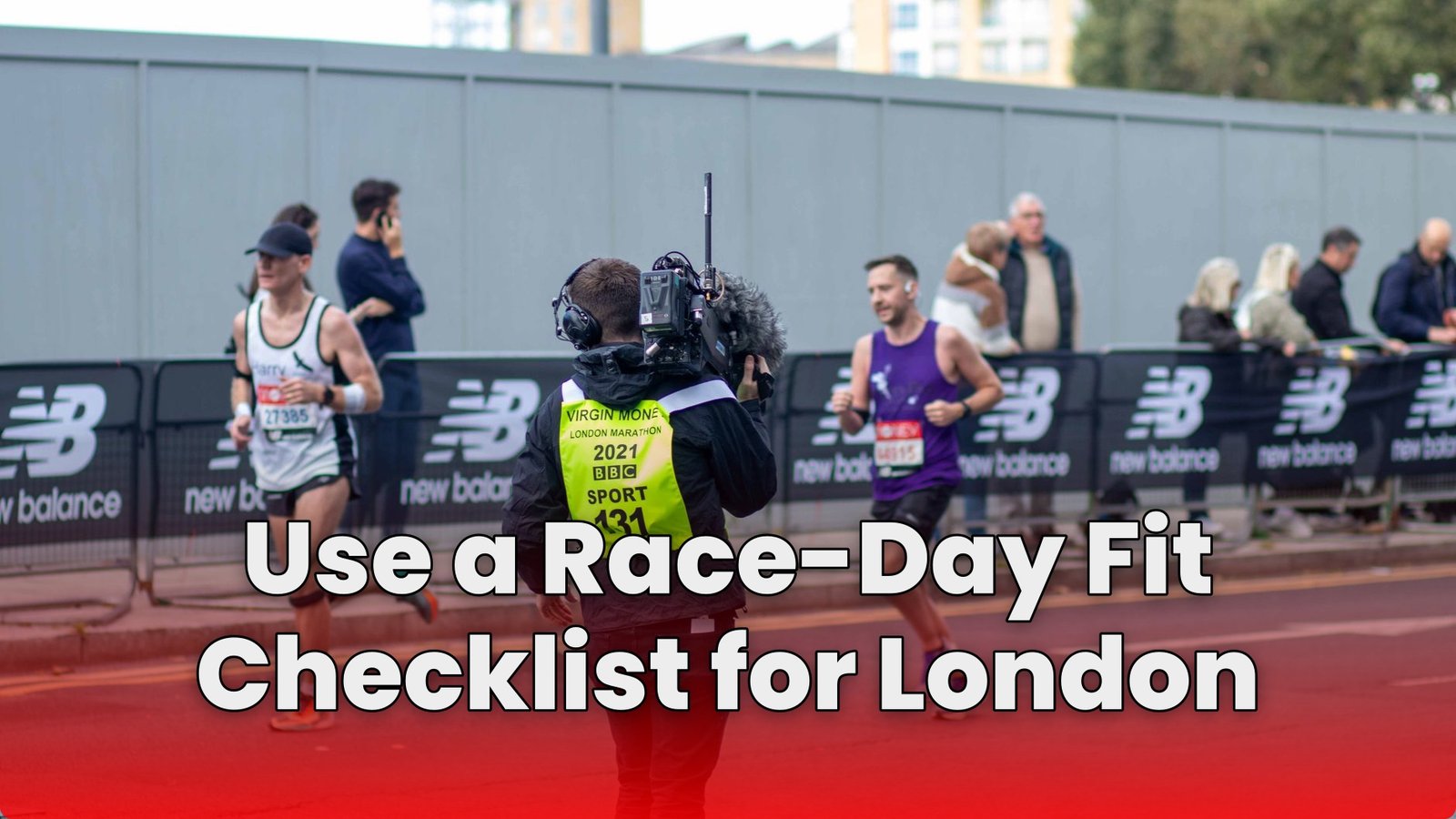
Your race outfit should be chosen to prevent problems, not to look good on the way to the start line. For a London race day, fit is the difference between steady momentum and constant irritation. If your kit encourages friction, it will steal focus long before you notice the pace dropping.
This is why a race-day clothing fit checklist matters: you want zero rubs from socks and seams, no bunching that turns movement into friction, and no heat traps that cook you faster than the weather. The goal is simple, use moisture-wicking, running-specific layers that conform to your body without excess fabric, so nothing shifts when you warm up or sweat.
Take the extra five minutes to set up your essentials correctly, then lock it in with a “no-new-stuff” test in training at race effort. When your clothes fit like they were built for the motion, you get one less variable to manage, and you can save your energy for the miles that actually count.
Forecast First Planning for London Conditions
If you want race-day clothing fit checklist for london success, you start with the weather you will face, not the outfit you wish you could wear. London mornings can be cool, afternoons can swing warm, and wind can turn “light chill” into discomfort fast. The kit has to survive the shift.
Base your choices on the forecast and then dress as if it’s 15–20°F warmer than the air feels to you. Why? Because running generates heat on contact. If your clothing feels “right” before you start moving, it will often feel like an unwanted heat trap at mile two.
So what’s the point of a fancy outfit if it robs you of control over temperature and friction? The best race clothing is engineered for the conditions you will actually run in, including those unpredictable London breezes.
Fit Is the Main Deterrent to Rubs and Bunching
Let’s be blunt: most rubs and bunching are clothing-fit failures, not body “weakness.” Baggy fabric flaps, folds, and creates friction micro-zones. Overly tight gear can also rub by stressing seams and pulling fibers against skin as your stride cycles.
During your fit check, ask one question: does every panel stay where it belongs when you move at race effort? Jog, lunge, and twist in the outfit. If anything lifts, rolls, or migrates, it will create abrasion at speed.
Comfort on the sofa is meaningless. Comfort at race pace is the only test that counts.
Prevent Heat Traps with Moisture Wicking and Strategic Layering
Remote work is one thing. Race day is another. You do not need “fashion layers.” You need running-specific, moisture-wicking, non-cotton layers that pull sweat away and let it evaporate instead of trapping warmth against your skin.
Layer only at the start for the chill, then remove what you do not need. Disposable or peel-off items work because they solve the temperature problem temporarily, then get out of the way before sweat turns into heat buildup.
And skip the bulky add-ons. A heavy hydration pack or extra fabric can hold heat and increase movement friction. If the race provides aid, you usually do not need extra carried weight that shifts and rubs.
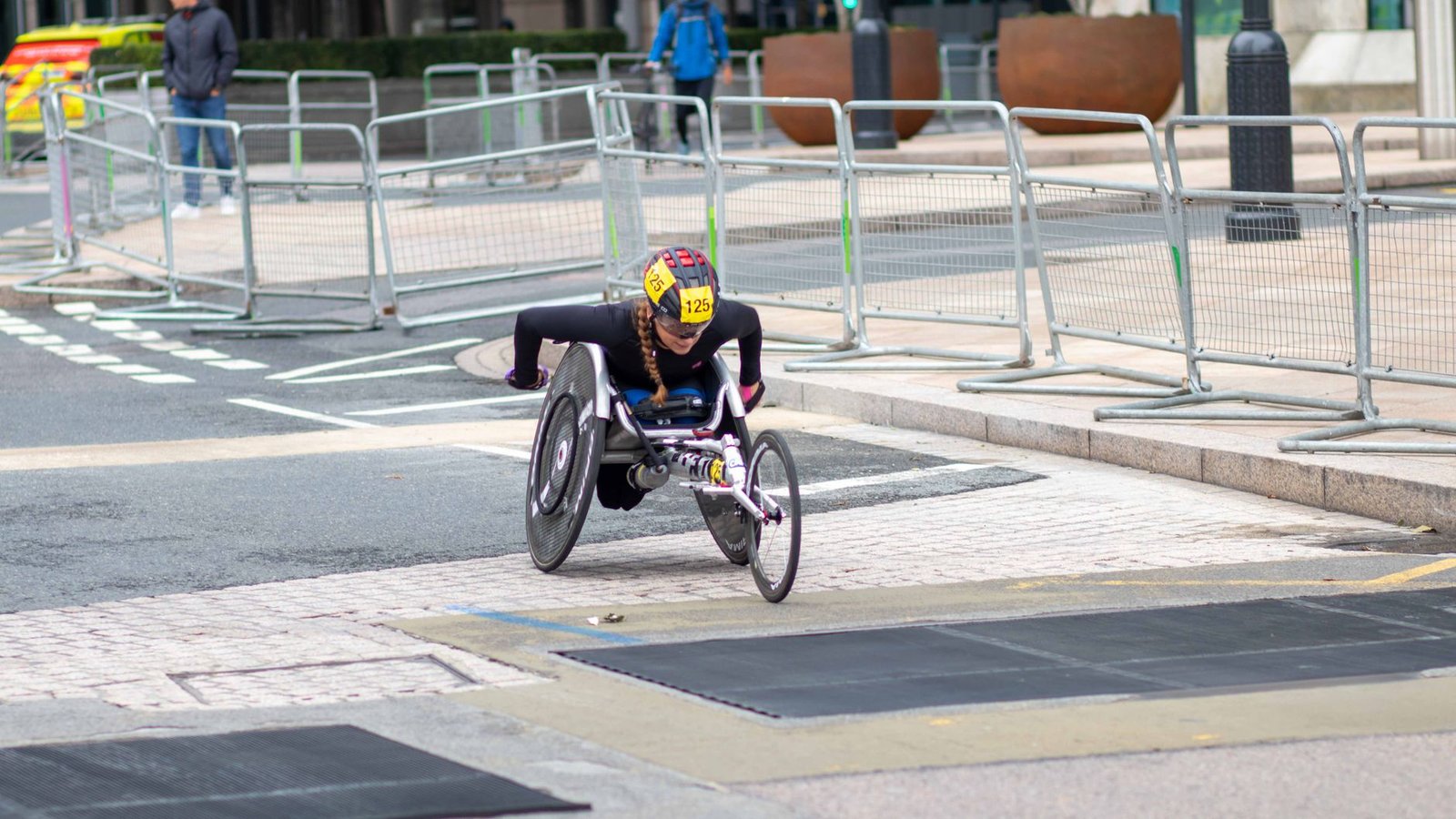
Expose Arms for Cooling and Avoid Overheating
For most warmer conditions, the winning move is the lightest breathable option. Think racing singlet or tank and short-sleeve tech that can keep arms exposed or at least ventilated enough for sweat to escape.
Long sleeves can be fine in true freezing conditions, but London weather often isn’t that simple. If you choose too much coverage, you invite sweat retention and delayed cooling, which can feel like a heat trap even when the air is “not that hot.”
Shorts Choice That Reduces Fabric Contact
Shorts are where many runners lose the fight against avoid rubs, bunching problems because movement is constant and contact points multiply. Prioritize shorts that fit snugly without constricting, and reduce unnecessary fabric overlap.
Split shorts with a built-in brief are often ideal because they minimize fabric-to-skin motion and reduce the chance of inner-thigh friction. If your shorts have seams that line up with skin folds, they will create hotspots when you fatigue.
Check waistband behavior too. If the waistband shifts when you run, it can rub lines across your skin and turn a minor irritation into a distraction you cannot ignore.
Socks and Seams Under Pressure
Your sock system should be built to stop friction before it starts. Running socks with either merino or technical fibers reduce moisture and improve traction against your shoe lining, and a blister tab helps prevent slipping. Also, the seam matters. Seam placement should avoid pressure points that appear only at speed.
Use this quick reference to guide your sock-and-seam decisions for London heat swings and longer efforts.
| Checklist Attribute | Target Specification | Race Impact |
|---|---|---|
| Cotton | None | Less moisture buildup |
| Fiber Type | Merino or technical | Better sweat management |
| Blister Tab | Built in | Reduces toe/heel rubbing |
| Toe Seams | Flat or seamless | Fewer pressure hotspots |
| Skin-Contact Fit | Snug, no sliding | Less sock bunching |
Finally, remember that shoes and socks are a system. A sock can be perfect and still fail if the shoe is too loose or too tight in a high-flex area. Your goal is simple: no sliding, no pressure spikes, no surprises after 30 minutes.
High Support Sports Bras for Women and No Sweat Trapping
If you’re a woman runner, your sports bra is not optional equipment. It is a friction and heat-control device. Prioritize a properly fitted high-support sports bra that prevents bounce and keeps straps and bands from shifting.
Do not double up with layers that trap sweat on very hot days. More fabric is not more protection. It can mean more friction and more retained moisture, especially where fabric overlaps.
Look for flatlock or seamless designs to reduce chafe from seams. If you feel rubbing during a warm-up jog, that problem will only grow as your cadence rises.
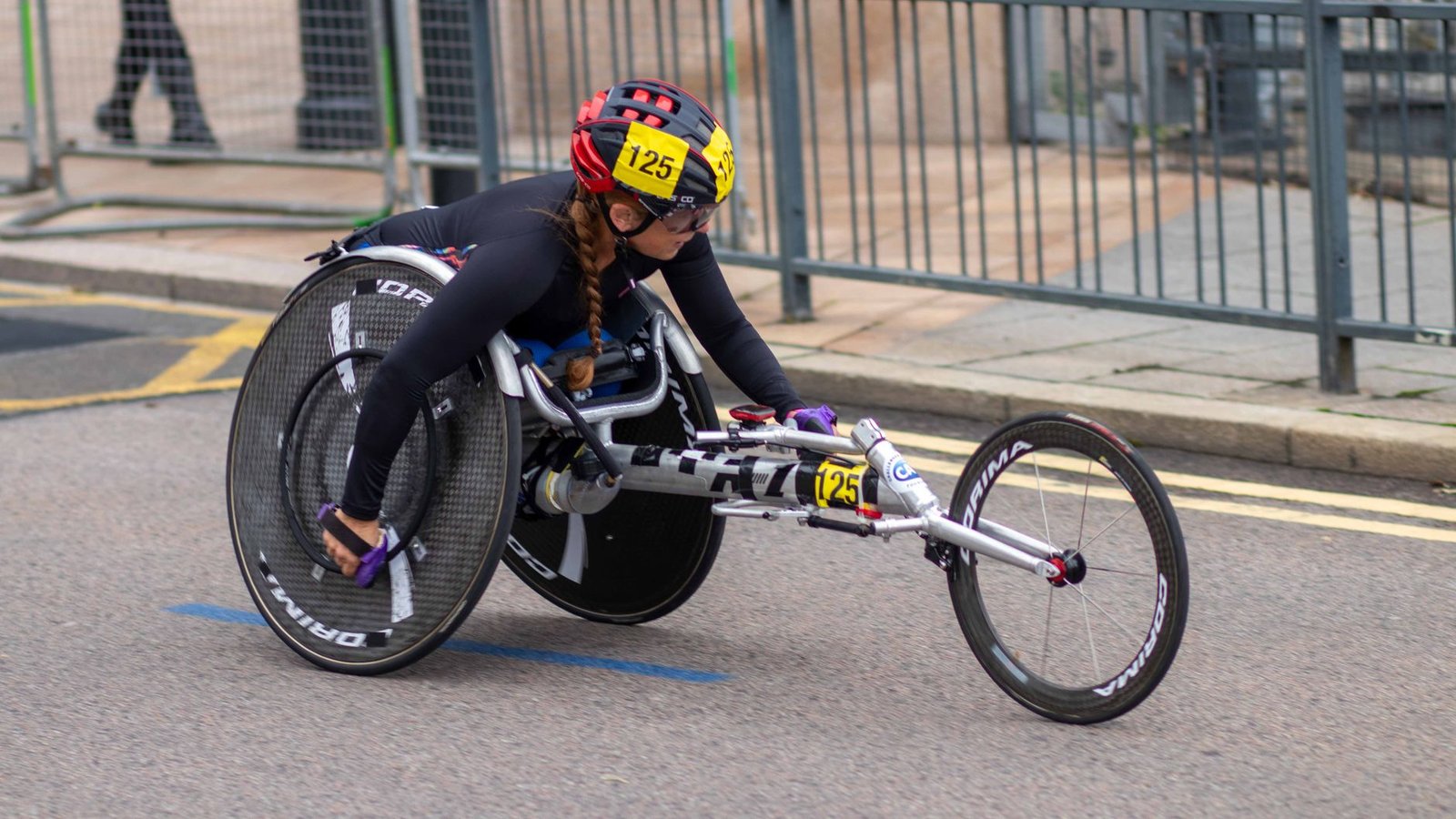
Anti-Chafe Strategy That Matches London Temperature Swings
Anti-chafe is not a superstition. It’s a practical shield for predictable friction zones. Apply balm or lube to high-rub areas like inner thighs, nipples, underarms, the sports-bra band or lines, and the waistband.
Above roughly 60°F, irritation tends to accelerate because sweat lubricates one moment and dissolves protective layers the next. If you’re going to miss anything, don’t miss the areas that move against each other every stride.
Use a reliable product and apply it before you test-run the route. If you wait until you feel the rub, you have already lost time you cannot buy back.
No-New-Stuff Testing at Race Pace
The safest race-day kit is the one you have already proven. Do a full “no-new-stuff” test during training so nothing bunches, pinches, or irritates at your target effort. The training session should approximate race movement, because that’s where problems appear.
Pack exactly what you will race in. If you bring spare items, you tempt yourself into last-minute changes caused by nerves or weather anxiety. And last-minute changes are a leading cause of avoidable rubs.
Isn’t it better to learn on a training day than on a London start line with adrenaline surging and time running out?
Start Cold, Finish Smooth with Peel-Off Layers
London race mornings can feel chilly, which tempts runners into staying bundled. Resist that urge. Your body warms quickly, so you should layer only for the start, then peel off items once you’re warmed through.
Use disposable warm items or lightweight pieces you can remove without fuss. Avoid long-sleeve bulk unless it’s truly freezing. The goal is to prevent heat traps early, not to turn the whole race into a sauna.
Plan where those items go while you run. If you struggle to manage your layer, it becomes another source of shifting and rubbing around hips, pockets, or waistband lines.
Avoid Heat Traps in Carry Systems and Aid Strategy
Your kit should support your pacing, not fight it. If the race provides aid, skip a bulky hydration pack unless you genuinely need it. Carrying extra weight increases motion and can worsen friction at the exact places you’re least willing to feel it.
If you do carry essentials, keep the load stable. Items that shift can press against clothing seams, create waistband pressure, and cause fabric to bunch. Stability prevents both discomfort and distraction.
For many runners, a small belt or secure pocket solution keeps things controlled. The best carry system is the one that disappears from your mind because it does not move.
Accessories That Protect Without Interfering
Comfort accessories help when they match the conditions. A visor or hat reduces glare and helps with sun, while sunglasses can guard your eyes from bright light or misty drizzle. Choose items that sit flat and do not tug on hair or create pressure marks.
Light rain can turn into sweat, and sweat can turn into irritation. Keep accessories secure and breathable so they do not trap moisture against your forehead and irritate you mid-race.
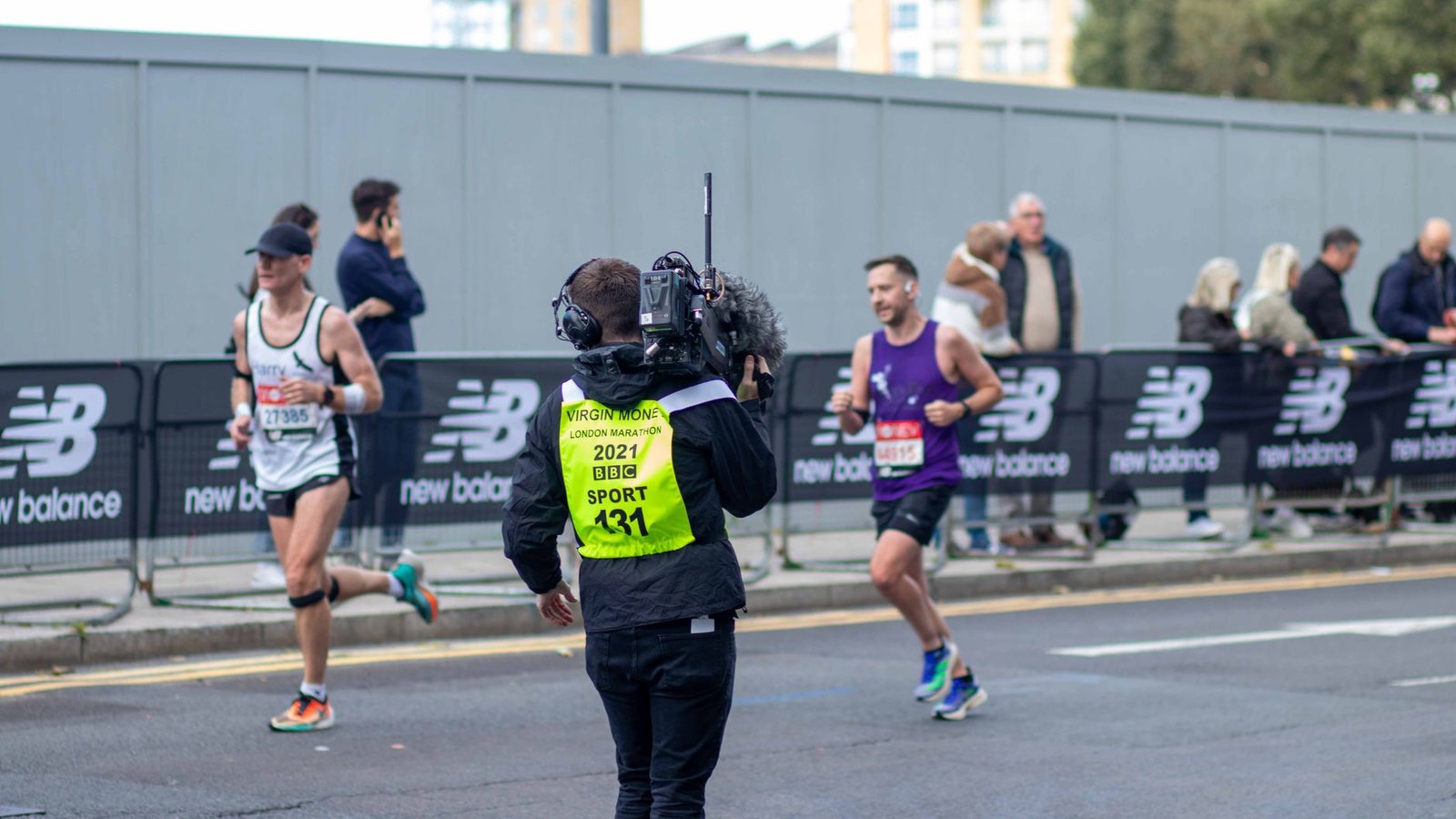
Also, protect yourself from temptation. Do not add a random new “comfort” item on race morning. Stick with what you tested, so the only unknown is the route, not your clothing.
Race-Day Clothing Fit Checklist for London Before You Step Off
Before you run, complete a fast final scan for race-day clothing fit checklist for london reliability. Start with fit and friction: check that shorts, socks, and bra bands are not rolling. Then check seams at movement points such as inner thighs, underarms, and waistband lines.
Verify heat readiness. Are you dressed as if it’s 15–20°F warmer? If not, correct it now. And if you’re tempted to wear extra layers, ask yourself why. Is it comfort, or is it fear of discomfort you could prevent with smarter venting?
For runner-tested guidance on smart race-day apparel choices, see race day outfit checklist and then trust your own tested fit. When you align forecast, fabric, and friction control, the race becomes about effort, not irritation.
How Do You Build a Race-Day Clothing Fit Checklist for London to Avoid Rubs, Bunching, and Heat Traps?
How Should London Race-Day Layers Fit to Prevent Rubs and Bunching?
Choose moisture-wicking, non-cotton running layers that sit flat against your skin, avoid excess fabric that can flap, and steer clear of overly tight seams that can rub.
Which Running-Specific Fabrics Help Avoid Heat Traps in London?
Use lightweight, breathable, technical fabrics and design-focused options like sleeved singlets, short-sleeve tees, and split shorts so sweat can evaporate instead of getting trapped.
What Sock and Anti-Chafe Steps Reduce Blisters During a London Race?
Wear runner-specific socks with a blister-preventing tab and apply anti-chafe balm or lube to high-friction zones such as inner thighs, nipples, underarms, bra lines, and waistbands before you start.
How Do You Choose the Right Shorts and Sports Bra Fit for Comfort?
For most runners, split shorts with reduced fabric contact help minimize bunching, and women should wear a properly fitted high-support sports bra with smooth seams to prevent rubbing from movement.
When Should You Wear Capris, Tights, or a Visor Instead of Extra Layers?
Reserve capris and tights for cold or windy conditions, and keep heat risk low by layering only for the start and peeling off warm items once you’re up to pace.
What Packing, Pockets, and Belt Setup Prevent Clothing Shifts at Race Pace?
Use secure race storage like pockets or a snug belt (not bulky add-ons), place essentials where they won’t sway, and do a no-new-stuff training test so everything stays in place at speed.
Run Cooler, Chafe Less
Follow the race-day clothing fit checklist for london, avoid rubs, bunching, and heat traps and you will stop guessing and start racing in comfort. Get running-specific, moisture-wicking non-cotton layers that fit like they were made for your body, protect friction points with the right socks and anti-chafe, and keep heat risk low by dressing a touch warmer than the forecast while removing start-only layers. If you want a faster day, make sure your kit stays smooth, dry, and temperature balanced from the first step to the finish.

I am Ozan, a London-focused running writer and marathon enthusiast with a passion for helping people discover the city’s best races, running routes, walking trails, and fitness events. I research and write practical, up-to-date guides covering marathons, race preparation, training tips, running gear, and everything related to staying active in London.
My goal is to create reliable, easy-to-follow content that helps runners and walkers of all experience levels explore London with confidence, whether they’re preparing for their first 5K or their next marathon.