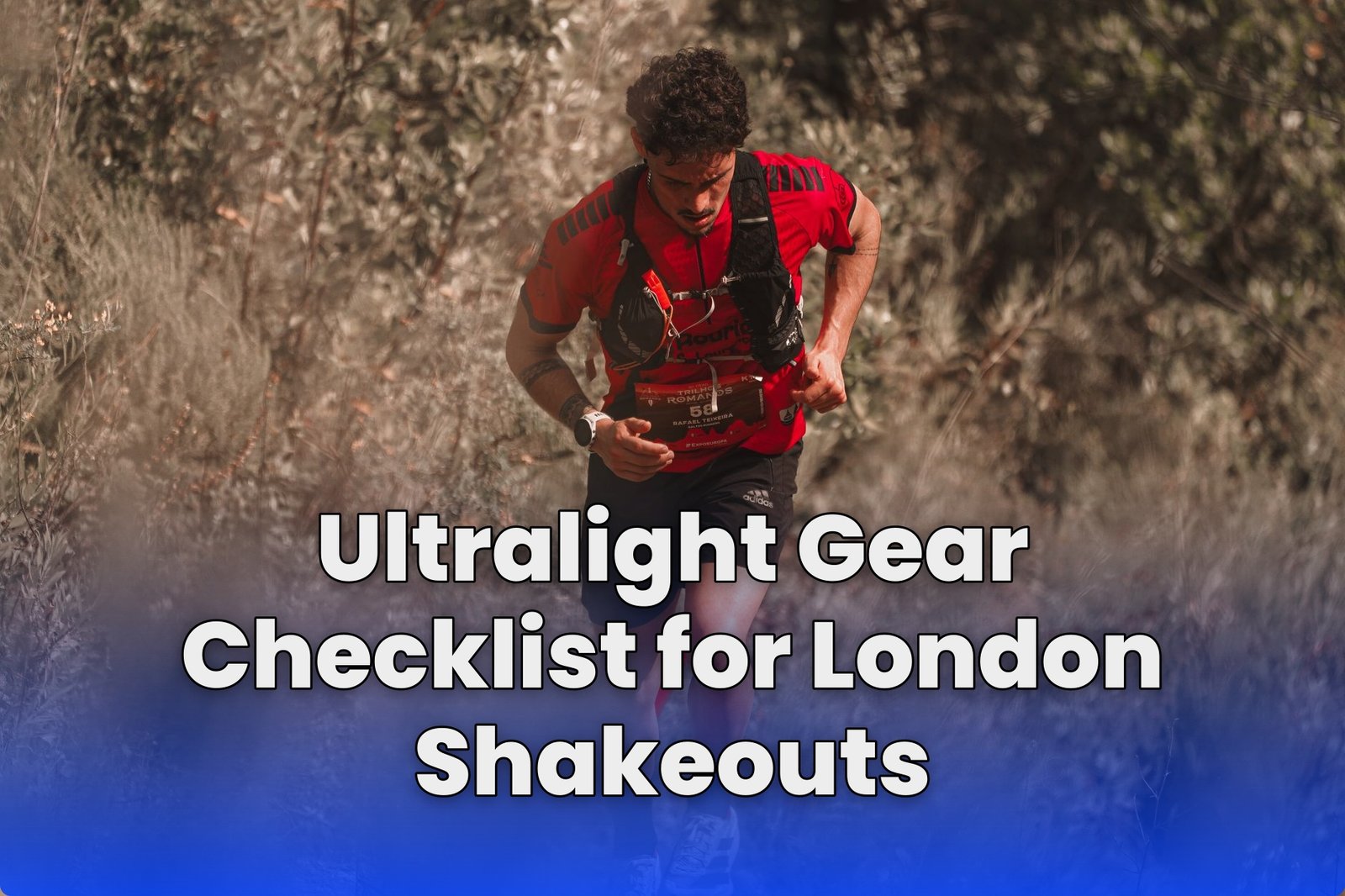
If you pack for a London shakeout like it is a full-blown expedition, you will feel it from minute one. Short runs deserve a smarter system, not a heavier backpack and a guilty conscience when you weigh it at home.
The point of an ultralight gear checklist is simple: you only carry what earns its place. That means you set a weight target, track what you are actually bringing, and cut anything that does not improve comfort, safety, or sleep. It is harder to justify extra “maybe” items when you can see their weight and cost in seconds.
In this article, you will get a practical approach built for London shakeouts and short runs, with clear categories that prevent forgetfulness while still protecting your pack from bloat. You will leave with a checklist mindset that helps you go lighter without turning your “quick outing” into a stressful gamble.
Weigh Everything Before You Feel Clever
The first rule of the ultralight mindset is simple: you cannot optimize what you refuse to measure. For the ultralight gear checklist for london shakeouts and short runs, start by weighing every item you plan to carry, even the boring pieces. A kitchen scale beats wishful thinking, every time.
London shakeouts lure people into a trap. They look short, so planners treat gear like it is “probably fine.” Then rain, wind, and surprise routes turn “fine” into heavy. Why guess when you can total the grams and make decisions with your eyes open?
Your Base Weight Must Earn Its Place
Ultralight is not a badge. It is a discipline: keep your base weight small and your choices intentional. A common target used by many backpackers is keeping base weight around 20% of your body weight, with many practical runs landing closer to 10 to 20 pounds. That guideline forces you to cut before you suffer.
Every gram you carry should buy you comfort, safety, or function. If it buys nothing, it is just dead weight.
Some people will argue that short runs can handle “extra.” Sure, until the extra piles up in pockets, bags, and side systems. If you want fewer regrets, you need a base weight target before you add anything “just in case.”
Cost Per Ounce Is the Math That Wins
Don’t shop by vibes. Use a ruthless yardstick: cost per ounce saved. Upgrading a titanium spoon that costs a lot for a tiny reduction is rarely the move when your tent, sleep system, or shelter accessories hold bigger opportunities. Aim your money at the biggest weight-per-pound opportunities first.
Here is the uncomfortable question: if you can get a large drop by swapping one component, why pay for ten small luxuries that do not change how you finish the run? You can care about comfort and still spend your effort where it pays off.
Systems Beat Panic Packing
The surest way to keep weight down is to stop packing like you are preparing for a disaster. You pack in systems: hiking, shelter, sleep, water, cooking, food storage, navigation, clothing, hygiene, first aid, misc, and repair. That structure reduces duplication, because each category has a job and a limit.
Use a checklist that mirrors how you actually pack the bag. If you know exactly where every item lives, you waste less time, and you forget fewer essentials. Why rely on memory when you can rely on a repeatable layout?
Shelter and Sleep Win by Cutting Redundancy
For short runs, shelter and sleep are where ultralight either makes sense or collapses into risky improvisation. Pick one shelter strategy that fits the forecast and your tolerance for setup. A tent, tarp, bivy, or hammock can all work, but mixing random pieces because you feel uncertain is how weight creeps back in.
Opponents say ultralight sleep systems are fragile. You can respect durability and still cut. Choose a sleep pad that matches your cold tolerance, a sleeping bag sized to expected temperatures, and include only optional extras that you actually use, like a pillow. If your sleep system fails, every other optimization was wasted.
Water Plans Include a Backup, Not a Hope
Water is the most common failure point for newcomers to ultralight. The fix is not heroics. The fix is a plan that includes treatment plus backup. Filters handle sediment and many pathogens, while chemical treatment like drops or tablets covers what a filter might miss. Bring soft bottles sized to your run, not bottles that become dead weight between stops.
| Water Gear Component | Typical Capacity | Measurable Role |
|---|---|---|
| Filter | 0.5 to 1 L/hour | Main treatment |
| Backup Drops | 30 to 60 minutes | Secondary safety |
| Soft Bottle | 0.5 to 1.0 L | Carry flexibility |
| Small Container | 250 to 500 mL | Swapping sources |
| Pre-measure Plan | 1 to 3 refills | Avoid empty carry |
On London shakeouts, distances can shrink, but weather can still bully you. You need enough treated water to finish the run without frantic detours. Build the plan around refills you can actually reach, then verify it by tasting your own workflow, not by hoping your filter and weather cooperate.
Cooking and Fire Are Where Ultralight Fails
Cooking fails when people treat ignition like a detail. Stove, fuel, and a reliable way to light it should be paired with stormproof matches and a mini lighter if your setup allows it. If you rely on one fragile ignition method, the weight you saved will come back as stress.
Some hikers dismiss the extra tools as unnecessary. Then ask yourself: when wind hits on a short run, do you want to learn that lesson at the end of your hike? Keep a compact mug or pot, a spork, a small sponge, and a tiny drain screen so your water and meals do not turn into a muddy ordeal.
Navigation and Safety Gear Must Be Small and Real
Ultralight navigation means you can get back. It is not about having the fanciest gadget, it is about making sure your route stays legible under stress. Carry a map and compass, plus a clear route description and any permits. Optional GPS, solar charge, or even a PLB can add redundancy, but they should not replace basic skills.
If you want a sanity check on the basics, ultralight checklist can remind you what people commonly forget when the trip looks short.
Safety also means you carry the simple items that work when tech fails. A headlamp with batteries, a whistle, and a small cash or credit option for emergencies can convert a bad moment into a manageable one.
Clothing for London Shakeouts Is Condition Management
Your clothing plan should answer one question: what will the weather do to you during the hours you are out? Base layers, socks, shirts, rain shell, and a warm layer are a system, not a pile. A practical structure is multiple shirts across conditions, one rain layer, and a warm option like a down vest. Add a buff and sunglasses because they weigh little and cut friction.
Critics claim layering is “extra” for short runs. But layering is how you avoid carrying a single heavy solution all day. Adjust socks for cold, switch the vest to a warmer layer when needed, add lightweight gloves and a wool hat, and keep long underwear in mind if temperatures demand it. For hot weather, reduce socks as needed and consider sandals only if the trail and terrain let you move confidently.

Hygiene and First Aid Are Lightweight Insurance
Hygiene feels optional until it is not. Carry zip-top bags, sanitizer, toothpaste or baking soda, a toothbrush, and a small amount of biodegradable soap. Toilet paper at a realistic daily rate and pre-moistened wipes that match your routine keep you functional without dragging a full bathroom into the woods.
- Sanitation trowel for proper disposal when conditions require it
- Biodegradable soap plus wipes sized to the trip length
First aid is not about building a hospital. It is about preventing small problems from derailing your day. Blister pads, gauze, bandages, a small packet of antibiotic ointment, and pain-relief pills cover the most likely disruptions during hiking and scrambley short routes.
Repair Kit and Money Keep Short Runs From Turning Bad
For ultralight, repairs are part of the plan, not an afterthought. Bring duct tape or a gear repair option, a sewing needle with nylon thread, and a blade like a razor or small knife. One seam repair can save a shelter. One tape fix can stop a strap failure before it ruins the run.
Then include the boring essentials: a small cash or credit card, plus an itinerary you can share. If you get delayed, that information reduces confusion and increases the chance of quick help. Why gamble on luck when repair and communication weigh very little?
Go Out and Repack Until Your Checklist Becomes Muscle
The best gear checklist is the one you can execute under time pressure. After you assemble your kit, do the repetition loop: pack, re-pack, and practice the flow. If you forget items during a mock pack, you will forget them on the ground when your attention is split by weather, terrain, and fatigue.
Make the checklist earned, not inherited. After each London shakeout, update it based on what you used and what you never touched. Your goal is simple: reduce carry weight without increasing risk. The moment you stop refining, the ultralight promise dissolves into clutter.
Ultralight Gear Checklist for London Shakeouts and Short Runs
How Do I Build an Ultralight Gear Checklist for London Shakeouts and Short Runs?
Start by writing every item you might carry, weigh each one, and keep only the essentials for movement, staying dry, and basic safety, then pack in systems so shelter, water, food, navigation, and clothing are complete without duplicates.
What Weight Targets Help With an Ultralight Pack for Short Runs in London?
Set a target base weight, then refine by removing or downsizing items that do not affect safety or comfort, and check that your base weight stays small enough to feel light on foot while still covering rain, water, and navigation.
Which Shelter, Sleep, and Ground Options Work Best for Shakeouts and Overnight Short Runs?
For short overnights, carry the lightest shelter you can use confidently, such as a compact tarp or bivy with minimal stakes, plus a sleep system with a suitable sleeping bag and pad, and add a ground cloth if wet ground or insects are likely.
What Water, Filtration, and Cooking Gear Should Stay in Your Ultralight System?
Bring a primary water option with filtration and a backup treatment method, pack lightweight bottles or a soft bottle, and include a simple stove setup with fuel, a small pot or mug, and a tiny cleaning item so you can eat safely and boil when conditions require it.
How Should You Choose Clothing Layers for London Weather During Short Runs?
Pack a base layer and light insulation, add a rain shell for wet weather, and carry breathable socks and quick-drying layers that match the forecast, then adjust by replacing heavier items with smaller layers and keeping a warm option for wind and early darkness.
What Toiletries, First Aid, and Repair Items Complete an Ultralight Checklist for London Shakeouts?
Include hygiene basics in small bags, a small first aid kit for blisters and pain control, plus a headlamp with spare batteries, and add a minimal repair kit like tape and a needle with thread to fix straps or small tears before they become a problem.
Use The Ultralight Gear Checklist for London Shakeouts And Short Runs
The ultralight gear checklist for london shakeouts and short runs makes the whole trip simpler and lighter: weigh everything, set a real base weight target, then cut or upgrade items by cost per ounce until the pack is honest. Organize the kit by systems so nothing gets left behind, and plan backups for shelter, water, and navigation so weather swings do not turn into panic. If you want London shakeouts to feel fast and controlled, commit to the weight-first mindset and leave the guesswork at home.

I am Ozan, a London-focused running writer and marathon enthusiast with a passion for helping people discover the city’s best races, running routes, walking trails, and fitness events. I research and write practical, up-to-date guides covering marathons, race preparation, training tips, running gear, and everything related to staying active in London.
My goal is to create reliable, easy-to-follow content that helps runners and walkers of all experience levels explore London with confidence, whether they’re preparing for their first 5K or their next marathon.