

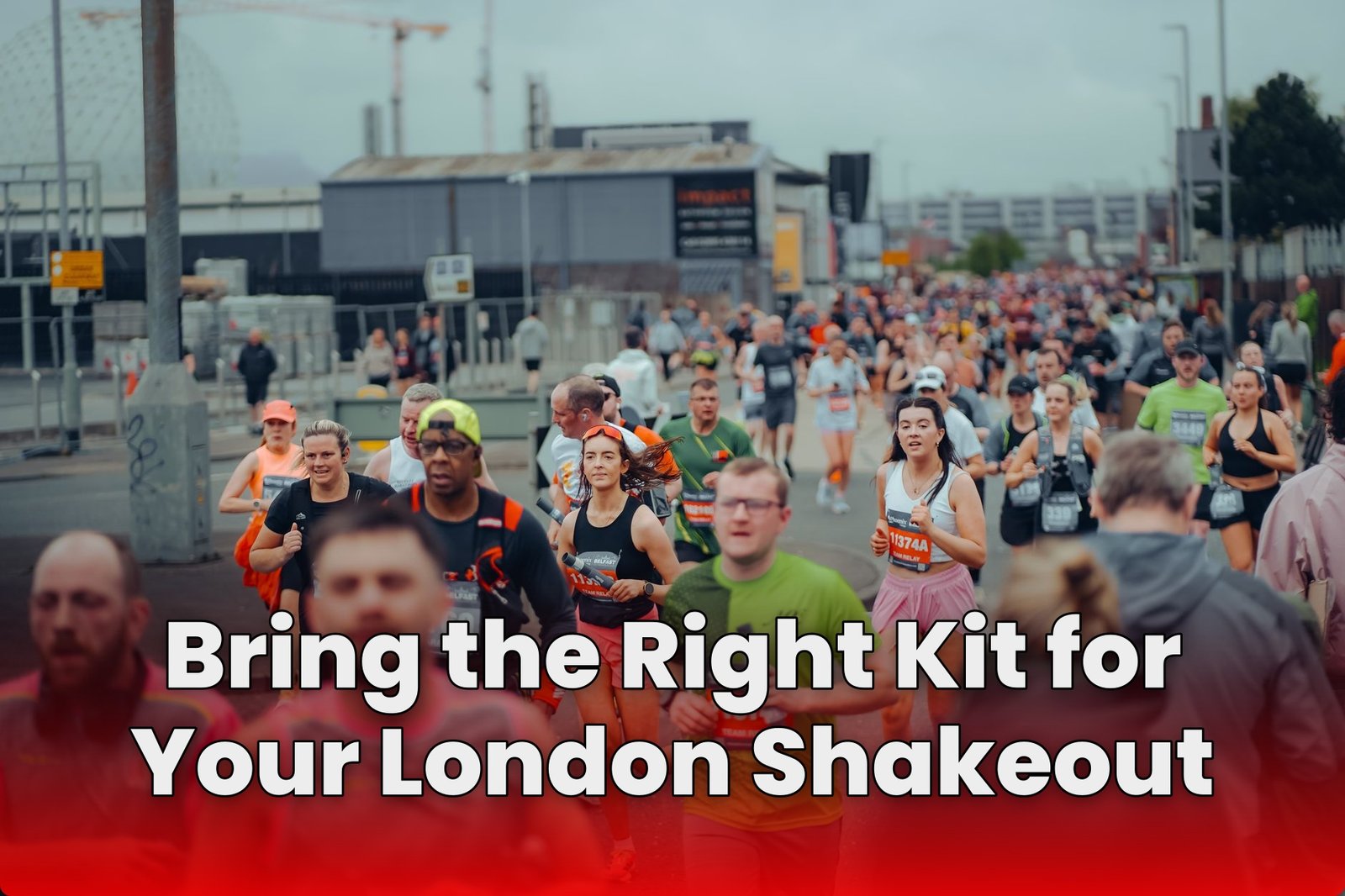
Most runners overthink the night before the London Marathon, and it hurts their shakeout run. A local shakeout should feel like a reset, not a mini training session, so your focus should be on being comfortable and ready to move, not on testing new stuff.
Pack and wear what supports an easy, recovery-like effort. That means your planned race outfit for the start, shoes you already trust, and the kind of warm layer you can remove quickly when the weather turns unpredictable. If you need fuel, bring your own, because you do not want to gamble on finding anything at the exact wrong moment.
Do not forget the boring but decisive details that protect your momentum: spare socks, blister protection, a simple recovery snack, and your hydration plan. If you arrive prepared, you finish the shakeout feeling looser and fresher, which is the real win before race day.
Shakeout Pace Means No Heroics
A local shakeout run before the London Marathon is not a workout. It is a reset, kept deliberately easy so your legs feel better when you finish than when you start. If you are asking what to bring to a local shakeout run before the london marathon, start with the truth: you are bringing comfort, not fitness gains.
Plan 10 to 30 minutes the day before, or 10 to 15 minutes early race morning. Keep your heart rate low, roughly below 70% of max, and avoid the burn that makes you feel “worked.” Why carry fatigue into race week when you can arrive fresher with a short, recovery-like effort?
Wear the Race Outfit Tonight and Pin Early
On the night before, wear your planned race outfit around the house and pin your race number ahead of time. Yes, that small routine matters. It reduces start-line stress and prevents the classic mistake of wrestling with safety pins while your nerves spike.
When you show up to the shakeout already in the kit you will race in, you avoid mismatches like a too-tight top that rubs when you move, or a sock height that feels wrong once you are warmed.
Pack a Weather Escape Layer for London’s Mood Swings
London weather can change quickly, and your shakeout should match that reality. Bring a warm, weather-appropriate layer you can remove right at the start. An old jumper works in many conditions. If rain is possible, include a packable waterproof or rain jacket so you can stay comfortable without getting soaked.
Add quick-change helpers like sunglasses for glare or a small umbrella for sudden drizzle. If you have ever cut a run short because you were cold or wet, you already understand why this belongs on your checklist.
Shoes You Already Know, Not New Experiments
Bring breathable shoes you are already using for race day. A shakeout is the wrong place for testing. New cushioning, a new insole, or even a fresh lace setup can change how your feet respond after 8 to 15 minutes.
Some runners argue that a half-size break-in is harmless. That sounds reasonable until blisters arrive two days later. Trust your race shoes and build confidence, guided by gear checklist logic that prioritizes familiarity.
Bring Small Injury Preventers, Not Big Gadgets
You do not need a pharmacy, but you do need the few items that stop minor friction from becoming major discomfort. Pack blister plasters and spare breathable socks. If you know you get hotspots on race day, treat the shakeout like a rehearsal.
Counterargument: some people say they will “figure it out later” at the start. But later is exactly when your rhythm and mood are fragile. Would you rather fix a small problem before it starts, or risk the walk back to your bag?
Start Warm, Then Remove Fast
Your goal is simple: arrive slightly warm, run easy, and then shed layers quickly before overheating. Carry a start-ready top that you can ditch once you begin moving. This is not about comfort for comfort’s sake. It is about regulating temperature so your stride feels smooth.
After the shakeout begins, stay disciplined. If you overheat, you will unconsciously slow down or tense up. The easy run should feel like loosening, not negotiating the elements.
Bag Drop Packing That Actually Works
The point of a bag drop layer is to help you move from “warm-up runner” to “ready race participant” without catching a chill or ruining your socks. Pack intentionally, with items you would be annoyed to improvise.
| Bag Drop Item | Target Quantity | Practical Benefit |
|---|---|---|
| Warm top | 1 | Stops post-run cooling |
| Spare socks | 2 to 3 pairs | Switch if damp or rubbed |
| Blister plasters | 1 pack | Prevents hotspots from worsening |
| Recovery snack | 1 portion | Helps you feel normal quickly |
| Spare small essentials | 1 small pouch | Keeps tools together |
Then keep the bag small enough that you can handle it calmly. If you need to rummage for five minutes, you are turning a useful routine into a distraction.
Hydration and Fuel for an Easy Effort
A short shakeout does not require race-level fueling, but you still need to arrive properly hydrated. Drink water and, if it is part of your plan, electrolytes beforehand so your body is not playing catch-up when you start moving.
Counterargument: “It’s only 10 minutes, so nothing matters.” That is exactly when people forget that race day is the main event. If you use gels or chews for your broader nutrition strategy, bring your own so you are not stuck improvising if nearby food is limited at the start.
Charge Your Phone Watch and Headphones
Small tech failures cost more than they should. Charge your phone, watch, and headphones the night before. If you track heart rate, confirm the app will log properly and that you know how to start it quickly.
While you are at it, prep travel-to-start logistics: meeting point, route timing, and where you can access a bathroom. A shakeout should finish quickly and leave you ready to wait comfortably. Anything that delays you is a needless risk.
Plan Bathroom Access and Arrival Time
Pre-race routines collapse when basic needs get ignored. If you do not know where you can use the bathroom near the start, you will feel it in your run and in the hours afterward.
Arrive ready to do the short, loosening run, then finish and move on. If you build an extra cushion into your timing, you can stay calm. Why gamble with nerves when your goal is to feel effortless?
Optional Strides Only If They Stay Under Control
For shorter races, adding a few light strides can help you feel snappy without turning your shakeout into a session. Keep them controlled and brief, and do them only if they do not raise your overall effort level.
If you feel fatigued during the run, stop the idea entirely. Consistency beats bravado. The best sign is how you feel after: you should feel more loose, not more spent.
Leave the Excess at Home and Carry Only What Helps
Here is the hard truth about packing. The more you carry, the more you manage. Skip the distractions. Bring what you will use for comfort, temperature control, and quick recovery after finishing.
When runners bring too much, they create friction: extra bags, more items to track, and more chances to miss the basics like spare socks or blister plasters. A clean, minimal kit protects your focus and keeps the shakeout doing its real job.
What Should You Bring to a Local Shakeout Run Before the London Marathon?
What are the key essentials to bring for a local shakeout run before the London Marathon?
Bring only what you need to keep the run very easy and comfortable: your race outfit you plan to wear later, breathable shoes you already use, a warm weather-appropriate layer you can remove quickly, and a small post-run bag with recovery basics, so you can finish fast without feeling fatigued.
What clothing and weather layers should you pack for a shakeout run the day before or the morning of the London Marathon?
Wear your planned race kit (and pin your race number the night before), then pack an extra warm layer that’s easy to ditch at the start, such as an old jumper, plus optional items for sudden London weather like a packable waterproof/rain jacket, sunglasses, or a small umbrella.
Which shoes and blister-prevention items should you bring for a local shakeout run before the London Marathon?
Use breathable shoes you’ll also race in and bring spare socks if you’re prone to rubbing, along with blister plasters so you can quickly address any hot spots, especially if you’re wearing new race-day socks or stepping up intensity.
What should you bring for fuel and hydration on a recovery-like shakeout run before the London Marathon?
Since a shakeout is short, pre-hydrate before you start and consider an electrolyte drink if it’s warm; if you use race-specific fueling, bring your own gels or chews and a small recovery snack afterward, because food options may be limited near the start.
What race-morning logistics and tech items should you bring or prepare for a shakeout run before the London Marathon?
Charge your phone, watch, and headphones the night before, and set up travel-to-start details ahead of time, including your meeting point and easy access to bathrooms, so you arrive ready to run briefly and then head straight to recovery.
Should you bring anything extra like strides or special gear for a short shakeout run before the London Marathon?
If you want to add a few light strides, bring the same basics you’ll use for the run and keep it controlled—short, relaxed accelerations only—so the rest of the session stays at a recovery-like effort with your heart rate kept low.
Bring Only What Helps You Feel Fresh
For what to bring to a local shakeout run before the London marathon, keep it simple: wear your planned race kit (with your number set up the night before), add a warm layer you can peel off quickly, and use comfortable shoes you already trust. Pack spare socks, blister plasters, a recovery snack, and your usual gels or chews plus water and electrolytes ahead of time, since start zones can be sparse. Finally, set yourself up for a smooth run by charging your watch and phone and sorting start logistics so you finish feeling looser, not drained. Treat the shakeout as a gentle warm-up, and everything you bring should serve that one job.

I am Ozan, a London-focused running writer and marathon enthusiast with a passion for helping people discover the city’s best races, running routes, walking trails, and fitness events. I research and write practical, up-to-date guides covering marathons, race preparation, training tips, running gear, and everything related to staying active in London.
My goal is to create reliable, easy-to-follow content that helps runners and walkers of all experience levels explore London with confidence, whether they’re preparing for their first 5K or their next marathon.





One thought on “Bring the Right Kit for Your London Shakeout”