A 10K is only “practice” if you treat it like feedback, not a vibe. Most runners race it too hard for the wrong reasons, then wonder why marathon training feels messy instead of specific. This article argues that your best marathon progress often comes from a short, controlled breakthrough: using a 10K to measure pacing, stress, and fueling under real pressure.
Place that 10K tune-up about 4 to 6 weeks before race day, because timing matters. A 10K around roughly 21 days out gives you enough room to adjust without stealing freshness from the marathon block. Run it with marathon decision-making in mind: start with intent, aim for a smart negative split, and let the race teach you how to “push hard when tired,” not just how to go fast when you feel good.
Then turn what happened into changes, not memories. Use the result to refine your marathon pacing plan and logistics, especially fueling and hydration, because GI issues at the 10K usually predict the same failure point later. Reduce other speed or strength work around that week to keep your legs sharp, execute an extended warm-up so you begin the race feeling better than you expect, and leave with a clearer marathon strategy you can actually carry into training.
Stop Treating Tune-Up Races Like Theater
If you run a 10K inside your marathon block and you learn nothing specific, you wasted a powerful tool. Races are feedback devices, not trophies. The point of “how to use races as feedback” is to turn stress into decision-making, so your marathon pacing, fueling, and strategy sharpen before race day.
A common mindset is that a tune-up is for fitness only. That is backward. A tune-up is for information: where your pace falls apart, what your stomach does under pressure, and how your body responds to controlled discomfort. Why keep guessing when you can test?
You do not need more motivation. You need better data.
Choose the right Window for a 10K
Timing decides whether the 10K becomes marathon progress or a detour. Place the key tune-up about 4 to 6 weeks before race day, so you have time to absorb the signal and still build. Go too early and you train off stale data. Go too late and you gamble with recovery.
In practice, a marathon-focused 10K often lands around 10K-specific learning about 2.5 to 3.5 weeks out, because that is when your endurance engine is stable and your legs still respond. This is also the window where the biggest payoffs come from practicing pacing choices and fueling details.
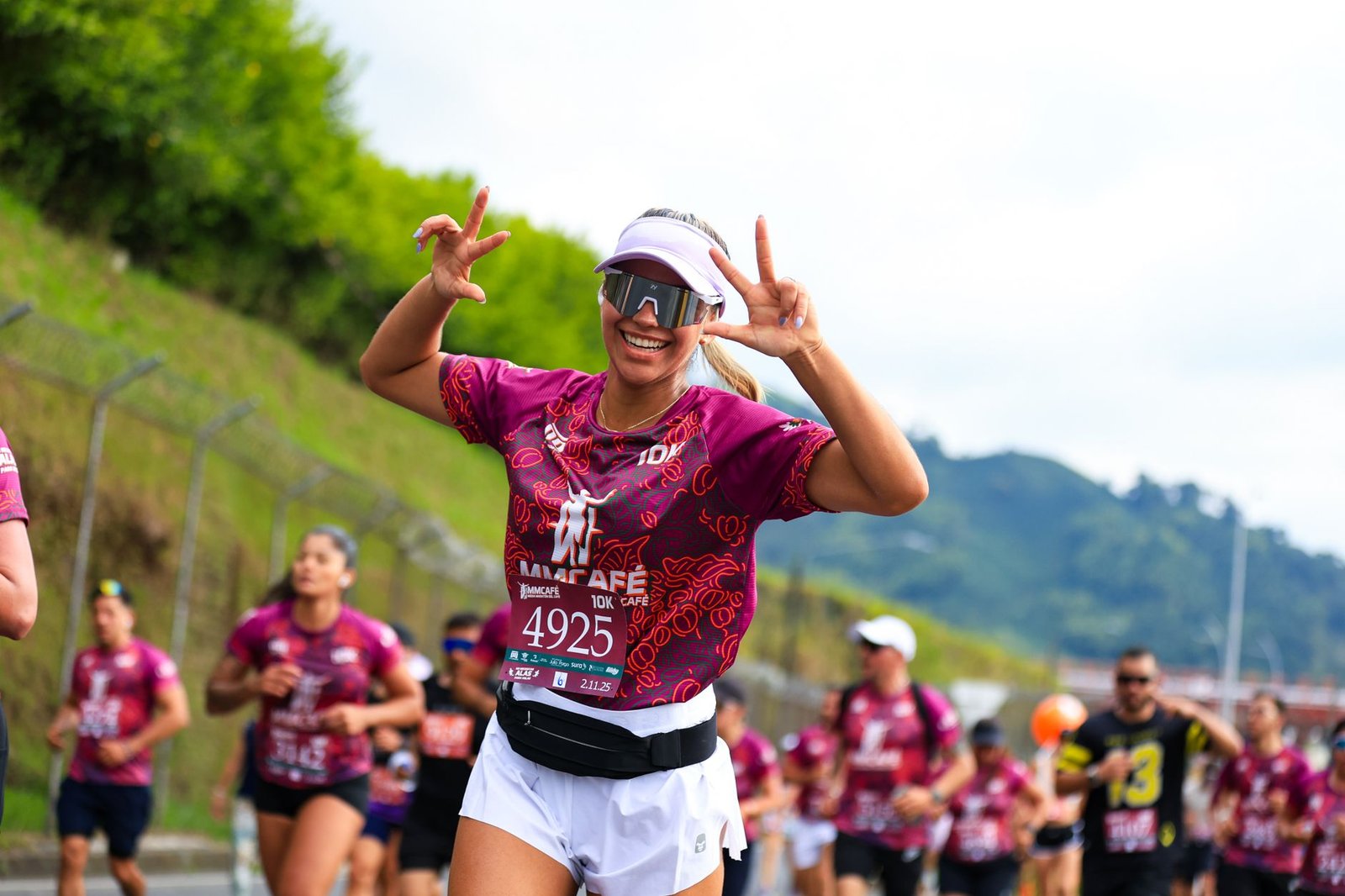
Make the 10K a Controlled Speed Workout
Think of your 10K as a pacing laboratory under race-like stress. A 10K can be treated like a speed workout, which means you must protect your legs the week of the test. If you keep all the same speed and strength sessions, you will not learn pace. You will learn fatigue.
Reduce other speed and strength work in that week so the 10K drives the lesson. Your goal is not to grind for glory. Your goal is to run with enough quality to see how you pace, how you accelerate late, and how your rhythm survives when you are tired.
Practice Marathon Decision-Making With Pacing
Here is the uncomfortable truth about marathon speed plans. They fail when you are tired and forced to choose again. That is why a tune-up should mirror marathon decision-making, not just your fastest effort. Can you push hard when you are already uncomfortable?
Consider a negative split approach. Start the first half around half-marathon effort, then settle into 10K pace through mile 4 to 5, then push slightly faster late. That progression teaches you to regulate without panicking, and it trains your brain for the marathon moments when you either hold tempo or drift into survival.
For practical details on structuring these tune-ups, borrow the logic from tune-up race guidance and adapt it to your own week layout.
Fuel Like the Marathon, Not Like a 10K
If you treat fueling in a tune-up like a casual checkbox, you will miss the most valuable information. Many runners discover too late that their stomach responds differently when the effort lasts longer than they expect. A 10K forces you to test gut tolerance under tempo-adjacent stress.
Use the race to practice marathon fueling decisions: what you take, when you take it, and how you drink. Even if the 10K is shorter, the key is GI signals and hydration response. If you get cramps, nausea, or a sour stomach during the 10K, that is not “bad luck.” It is a readable warning for your marathon plan.
Convert Tune-Up Performance Into a Real Marathon Plan
After the 10K, you should not just say “I felt good” or “I went too hard.” You should convert performance into a pacing target you can execute. Tools like VDOT or McMillan equivalency can help translate a strong 10K into marathon-ready guidance when the race effort was controlled and well-executed.
Use the results to choose a marathon goal that matches what your body actually proved. Below is a simple way to visualize how a well-run 10K performance can map toward marathon effort ranges.
| Race Signal | How It Shows Up | Marathon Pacing Use |
|---|---|---|
| Negative Split 10K | Late miles tighten | More aggressive start |
| Even-Paced 10K | Rhythm holds | Stable marathon target |
| Positive Split 10K | Early miles cost you | Conservative pacing plan |
| GI Trouble Late | Burps, cramps, nausea | Revise fueling timing |
| Good Finisher | Legs respond at end | Plan to surge when tired |
Then apply the conversion logic with restraint. A common heuristic for equivalency is that a well-executed half at race effort might translate to a marathon estimate using factors around 2.1 to 2.2, but your actual pacing behavior matters just as much. If your 10K pacing showed you can push hard late, you have earned a slightly sharper marathon strategy.
Train the Fatigue You Will Actually Feel
The best tune-ups do not just measure fitness. They simulate the sensation that forces marathon pacing errors. Optional fatigue simulation helps: do a longer run the day before the 10K includes marathon-pace work, then go to race day with a plan built around learning.
Also extend your warm-up so you start feeling better, not colder. Aim for about 2.5 to 3 miles or 25 to 30 minutes. Then settle into the pace progression you practiced. This reduces the “new-race shock” and lets you observe what your pacing choices do under controlled discomfort.
Review Execution Like a Coach, Not Like a Fan
After the 10K, treat your notes like a performance review. Look at split pacing, perceived effort, and how quickly you recovered between surges. If you went out too fast, your marathon plan must adjust. If you executed the progression well, you have evidence for how you should ration effort.
Now add the boring details that decide whether you can hold pace in the marathon: shoes, socks, clothing seams, race-day temperature, and timing. Also note fueling and hydration specifics. What worked? What failed? The marathon is a long list of small decisions, and your tune-up should reveal which ones matter most for you.
Claims That Tune-Ups Are Risky Miss the Point
“Racing will steal training.” That worry is common, and it is not irrational. You can overcook a 10K and pay for it later. But the fix is not to avoid tune-ups. The fix is to run them as planned stress, not as emotional punishment.
Risk control starts with three choices: place the race at the right time, reduce competing intensity that week, and use a pacing plan that you can repeat. A tune-up should create learning while leaving enough runway for marathon-specific development. If you follow the structure, you do not “lose fitness.” You convert fitness into pacing certainty.
Turn the Results Into a Goal You Can Defend
Your marathon goal should reflect your tune-up, not your optimism. If the 10K shows you can hold form and finish with intent, you can be more aggressive with your start and early miles. If your pacing decayed fast or your fueling fell apart, you should build a conservative plan that keeps you in control longer.
Strategy changes should be specific. Adjust how early you commit to marathon effort, how you plan your mid-race tempo sections, and how you respond to the first wave of fatigue. You are not changing “mindset.” You are changing the decisions your legs will force you to make.
Use the Feedback Loop Across the Whole Block
A single 10K can start the feedback loop, but it should not be the only lesson. In the days around it, watch whether the pacing you practiced carries into your next long run and your next marathon-pace work. The body will tell you if your tune-up improved execution or if it triggered extra fatigue.
Then update your plan for fueling practice, including product choice and timing. Your marathon progress is a chain of micro-corrections. Races are the moment you test the chain under maximum realism, so you can tighten the links afterward.
Make Your Next 10K Earn Its Place
So what is the real method behind “how to use races as feedback: turning a 10k into marathon progress”? It is a disciplined sequence: pick the right date, run the race with a pacing plan that mirrors marathon decisions, adjust training so legs stay fresh, and treat fueling as part of the test.
When you do this, the tune-up stops being a story you tell yourself and becomes an instrument you use. You do not have to guess your marathon pacing in the first half. You can earn your plan with one well-executed 10K that tells the truth early enough to act on it.
How To Use Races As Feedback: Turning A 10K Into Marathon Progress
How Can A 10K Race Provide Feedback For Marathon Progress?
A 10K race shows how your current fitness handles race stress, how well you can manage pacing when you feel tired, and what your body tolerates for fueling and hydration, so you can fine-tune your marathon strategy and training focus.
When Should You Use A 10K Tune-Up Inside Your Marathon Block?
Place the tune-up about 4 to 6 weeks before marathon day so you learn from it while you still have time to build and sharpen. If you feel worn down, shorten the gap rather than racing again immediately.
What Timing And Pacing Targets Should You Use For 10K And 5K Tune-Ups?
A common guide is to use the 10K about 21 days out and a 5K about 14 days out, with a half marathon tune-up roughly 6 to 8 weeks out, then set pacing targets for the tune-up based on how marathon effort feels for you that week.
How Do You Run A 10K Tune-Up With Marathon-Like Decision Making?
Treat the 10K like a marathon learning session by planning a controlled start, aiming for a negative split when you can, then settling into your target effort through the middle so you can practice pushing late when your legs feel heavy.
How Should You Adjust Other Training After A 10K Race To Keep Legs Fresh?
In the week of the tune-up, reduce other speed or strength sessions so your legs stay responsive. A lighter workout schedule helps you absorb the race as feedback instead of turning it into extra fatigue.
How Can You Convert Tune-Up Results Into Marathon Pace And Fueling Updates?
Use the time and how it felt to set your marathon goal, often by estimating an equivalent marathon effort with tools like VDOT or McMillan, then update fueling and hydration based on what worked or caused GI issues. If the 10K upset your stomach, test a similar plan during marathon-pace training runs before race day.
Turn 10K Races Into Marathon Progress With Feedback
Use “how to use races as feedback: turning a 10k into marathon progress” to turn one race into clear decisions for your next block. Run the 10K like a controlled test that teaches you how to push hard when tired, then convert what you learned into pacing, fueling, and strategy for marathon day. When you treat the race as information instead of a standalone result, your training stops guessing and starts improving with every mile that matters.

I am Ozan, a London-focused running writer and marathon enthusiast with a passion for helping people discover the city’s best races, running routes, walking trails, and fitness events. I research and write practical, up-to-date guides covering marathons, race preparation, training tips, running gear, and everything related to staying active in London.
My goal is to create reliable, easy-to-follow content that helps runners and walkers of all experience levels explore London with confidence, whether they’re preparing for their first 5K or their next marathon.