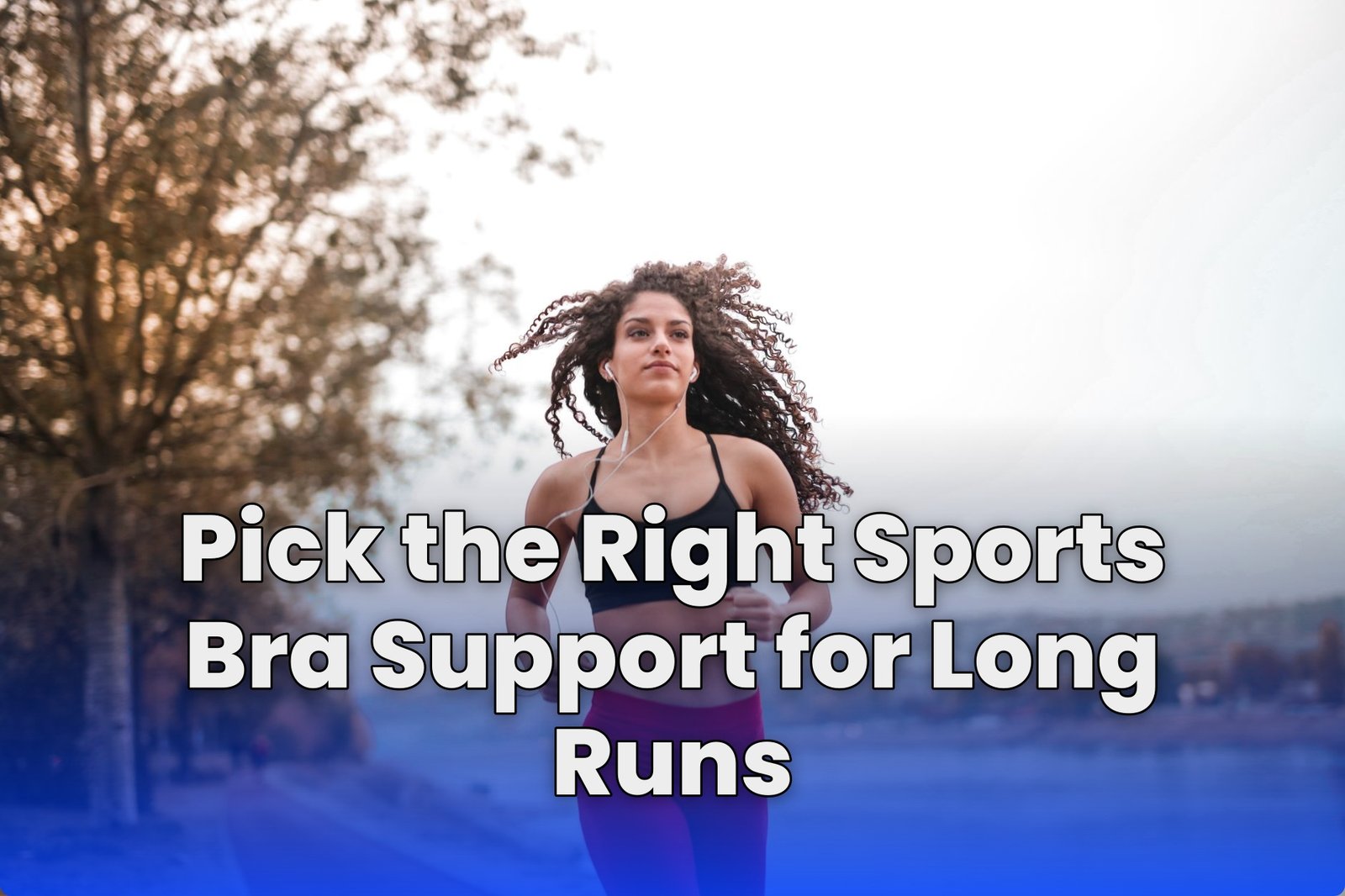
The “wrong” sports bra can turn a long run into a distraction, even if your training plan is perfect. Most people chase comfort last, but comfort starts with support that actually controls bounce. This guide to how to choose the right sports bra support for long runs focuses on the parts that matter most when the miles stack up: fit, stability, and fabric that keeps you dry.
Support is not just about how tight the cups feel. The underband does the heavy lifting, so it should sit firm and comfortable without digging in or shifting when you stride. Straps should stay put without constantly tugging, and the bra should not bunch, gap, or wrinkle under movement because those spots invite chafing and irritation.
To choose confidently, start with accurate measurements, then try more than one style instead of trusting a single size label. Look for a high-impact running bra, ideally a secure combination of compression and encapsulation, and check for full cup containment with no overspill. Choose breathable, sweat-wicking materials, and use adjustable closures so you can dial in a snug, breathable fit that holds through the whole long run.
Support Starts With Impact, Not Style
If you want to master how to choose the right sports bra support for long runs, start with impact. A bra that looks great on a gym mirror does not decide how much bounce you feel after mile eight. Running is high impact, and high impact means you need stability, not vibes.
Look for support designed for running, not yoga. High-impact models usually blend compression with encapsulation so the breasts move less in multiple directions. Why gamble with medium support when your goal is fewer distractions and less discomfort?
The Underband Is Your Load Bearing Layer
The underband delivers most of the support, so it has to feel firm and comfortable, not dig in. If it rides up, your bra is transferring load onto straps and seams, which is the fastest route to gaps, red marks, and chafing.
A stable underband makes straps less necessary, and that is how you keep support consistent for the full long run.
When the underband feels right at minute one, it tends to stay right at minute forty. When it does not, everything else becomes a patch job.

Fit Checks Beat Guesswork Every Time
Before you buy, do quick movement checks. Stand up, do a few high-step jogs in place, and then bend forward. You should see the underband stay level and the cups stay in place, with no side underband gaps.
Use these two tests to catch problems that size charts hide:
- The “lift test” Your bra should not slide upward more than about 2.5 cm during a short jog in place.
- The “spill test” Cups should contain full breast tissue without overspilling, wrinkling, or double-stitch creasing.
If you have to adjust every few minutes, you are already paying the price in time and comfort.
Breathable Sweat Wicking Fabric Is Nonnegotiable
Long runs punish bras that trap heat. Breathable, sweat-wicking fabric helps moisture evaporate instead of pooling, and that matters because wet fabric rubs more easily than dry fabric.
Look for lightweight engineered knits and performance blends that return to shape. If your bra feels clammy after ten minutes, it will feel worse after an hour, especially when humidity spikes.
Straps And Closures Let You Tune Stability
Adjustable straps and reliable closures help you dial in support so the bra stays in position through foot strikes and arm swing. Adjustable hardware also helps if your band feels tighter after stretching or your body changes over time.
Choose closures that let you fine tune tension, such as hook-and-eye options, rather than only relying on fixed settings. Some people prefer minimal hardware, but minimal adjustability often means settling for a fit that is either too loose or too restrictive.
Cup Shape Determines Bounce Control
Support is not just about pressure. Cup shape controls how motion is contained. If the cups do not match your breast profile, you get gaps, wrinkles, and uneven pressure that increases bounce and reduces comfort.
| Cup Feature | What to Check | Measurable Comfort Sign |
|---|---|---|
| Molded cups | Edges stay flush | No wrinkling during a 30-minute run |
| Encapsulation panels | No side gaps | Underband stays level within 2.5 cm |
| Higher neckline | Coverage extends upward | No visible tissue at the top edge |
| Wide side wings | Supports outer tissue | Fewer “pinch” points near armpit |
| Stretch recovery | Returns after bending | Band does not feel looser after 10 minutes |
When you compare models, a sports bra fit guide can help you interpret terms like encapsulation and compression so you do not get fooled by marketing language.
Good cups hold shape under impact. Bad cups shift, and shifting is how you end up with distraction when you need focus on pacing.
Chafing Is Preventable With Better Construction
Chafing comes from friction, moisture, and seams that move against skin. If your bra has thick seam lines in high-rub areas or stiff fabric that does not flex with your stride, you will pay for it later.
Prioritize label-free or seam-reduced designs, and watch for underband fabric that can roll. If you already know you are sensitive in the underband and side seams, your best move is to remove friction points before you ever start the run.
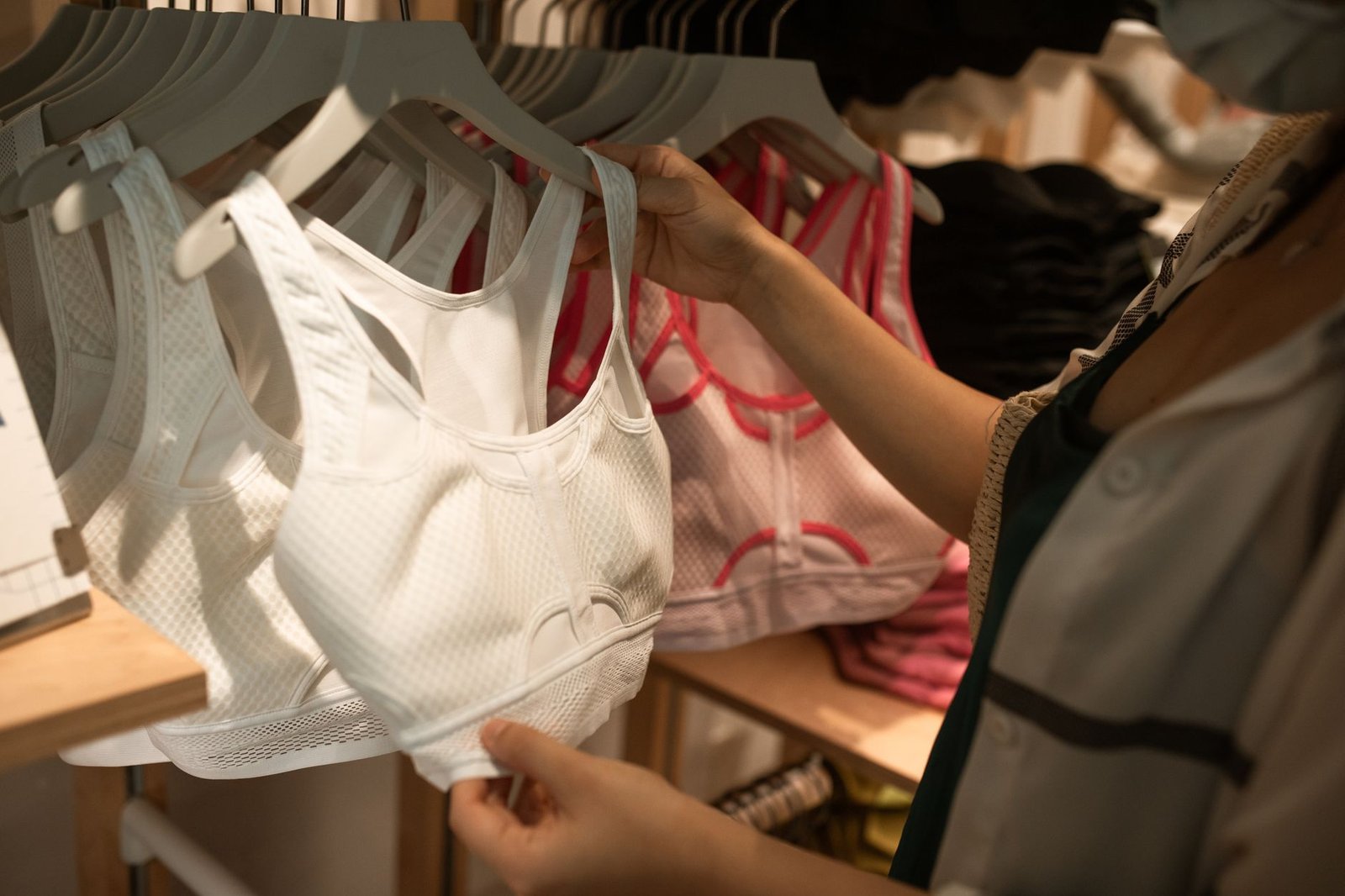
Do you feel heat where fabric meets skin during training, then a sting during the first mile of race day? That pattern usually means the construction is wrong, not that you “need to toughen up.”
Compression And Encapsulation Work Better Together
Compression pulls tissue closer to the body, which reduces motion by limiting displacement. Encapsulation gives each breast shaped coverage, so it controls direction and prevents unsupported shifting.
Many long-run bras combine both because real motion is not one-dimensional. A bra that is only one type can feel okay for a short jog but behave differently as fatigue changes your posture and your stride.
Some runners claim they hate “compression” and feel trapped. Fair. The solution is not abandoning support. It is choosing the right compression level and the right cup structure so the pressure is controlled, not suffocating.
Sizing Changes Over Time So Remeasure
Band size and cup size shift with weight, training volume, hormones, and even bra stretching patterns. If you buy the same size you wore a year ago, you are using outdated data.
Measure regularly and when it matters most, like before a marathon block. A good fit is measurable: the underband should feel secure after the first minute, not only after tightening the straps to the last notch.
Do not treat size as a badge of identity. Treat it as an input that you recalibrate when your body changes.
For Large Busts Aim For Containment, Not Gaps
Big-bust needs are predictable. You need containment that prevents side spill and top leakage, plus straps that reduce load without digging into tissue. If you are larger-busted, molded cups and a higher neckline often help the bra stay aligned through impact.
A common failure is choosing a band that feels okay but ignoring cup fit. If cups are too small or too shallow, you will get overspill and side gaps, and the underband will compensate in all the wrong ways.
Instead of searching for “tight,” search for secure containment. Tight can be miserable. Secure can be calm.
Test In Motion Before You Commit
Fit in a store is not the same as fit at mile twelve. Try the bra for real movement, ideally with a short jog or brisk walk that mimics your long-run cadence. Your goal is to see whether the bra stays put under repeated impact.
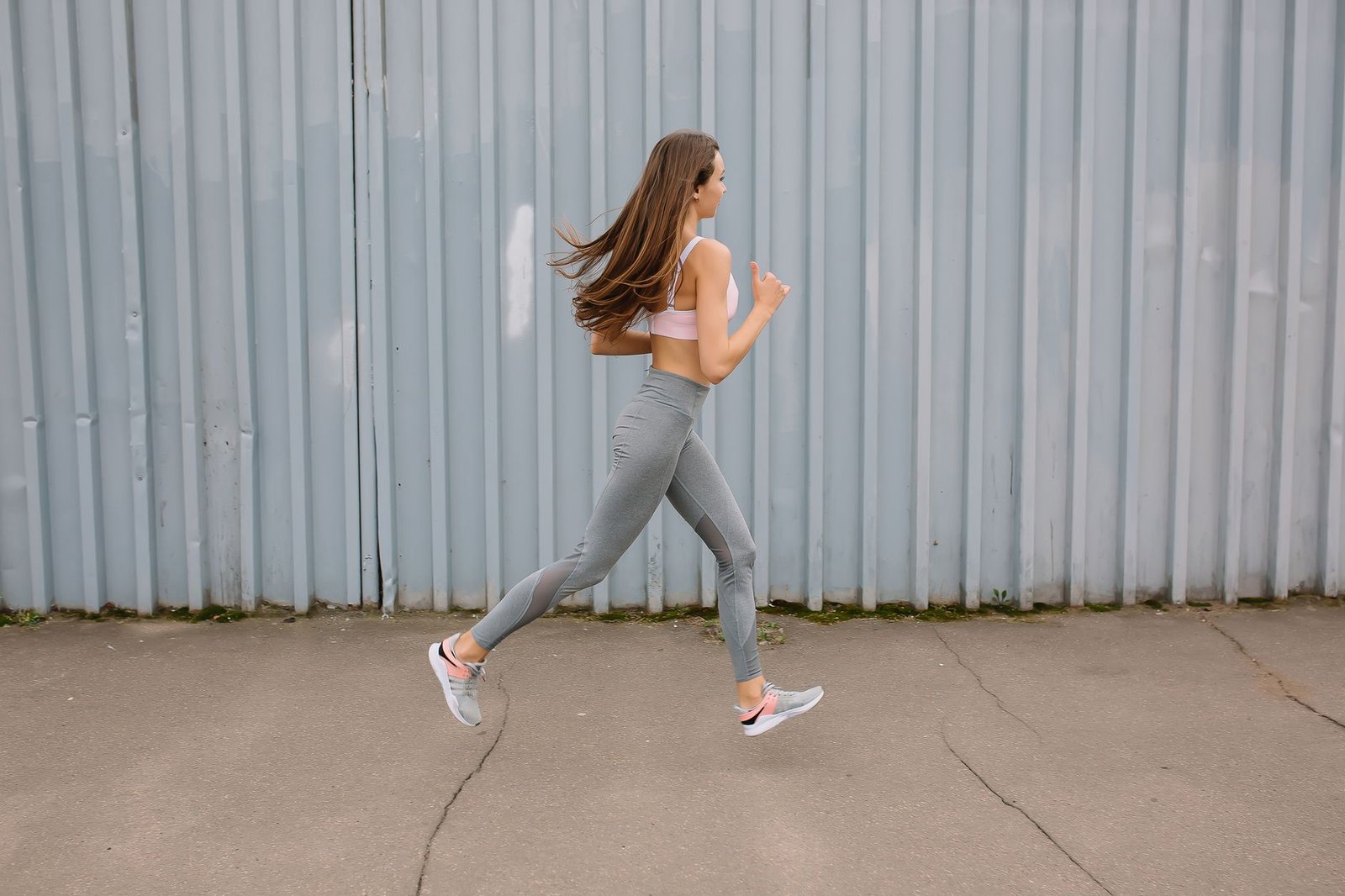
Check after movement, not just during it. Look in a mirror for side underband gaps, cup edge wrinkling, and strap slipping. If anything shifts, size up or change the cup shape before you decide it “just needs breaking in.”
Breaking in should mean softer fabric, not a new failure mode.
Care And Rotation Protect Support
Sports bras lose performance over time. Elastic fatigue and fabric thinning reduce underband stability and cup structure, which is exactly what you do not want during long runs.
Wash gently according to label directions, air dry when possible, and rotate bras so each one has time to recover between runs. A bra that dries stretched out becomes looser faster, which turns support into guesswork.
Support is a system. If you keep the system fresh, your long runs stay comfortable and focused.
How to Choose the Right Sports Bra Support for Long Runs
How Do You Pick High-Impact Sports Bra Support for Long Runs?
Choose a running-specific, high-impact sports bra with a snug, secure fit that limits bounce during long runs, often using compression and encapsulation together for better control.
What Fit Checks Matter Most for Keeping a Sports Bra Secure on Long Runs?
Look for a bra that stays in place without riding up, with no gaps, wrinkles, or side underband gaps, and confirm the straps and band hold their position when you move, jog, and raise your arms.
Why Is the Underband Fit Important for Sports Bra Support During Long Runs?
The underband provides most of the support, so it should feel firm and comfortable without digging in, and it should distribute pressure evenly to help prevent chafing over time.
Which Fabrics Help Reduce Chafing and Heat Buildup on Long Runs?
Pick breathable, sweat-wicking fabric and prefer label-free or seam-free designs to reduce friction, especially around the straps, underband, and any seams that rub during repetitive motion.
How Should You Choose Cup Shape, Coverage, and Size for Long-Run Comfort?
Select cups that fully contain your breasts without overspilling and aim for a secure hold, since you may need to size up; molded cups and a higher neckline can add stability, and you should recheck size as your body changes.
When Should You Use Adjustable Features for Long-Run Sports Bra Support?
Use adjustable straps and closures, like hook-and-eye, to dial in fit so the bra stays aligned during your run; more adjustability and stretch can help you fine-tune support without making the band too tight to breathe.
Choose Fit That Survives The Miles
For how to choose the right sports bra support for long runs, start with high-impact support in a running-specific style that locks in securely through the underband, keeps straps from slipping, and prevents chafing at every bounce. Prioritize breathable, sweat-wicking materials and clean construction so there are no gaps, wrinkles, or side underband gaps when you move; then dial the fit with adjustable closures and size to avoid overspill while still breathing. Get the support right and you will run longer with fewer distractions and less discomfort.

I am Ozan, a London-focused running writer and marathon enthusiast with a passion for helping people discover the city’s best races, running routes, walking trails, and fitness events. I research and write practical, up-to-date guides covering marathons, race preparation, training tips, running gear, and everything related to staying active in London.
My goal is to create reliable, easy-to-follow content that helps runners and walkers of all experience levels explore London with confidence, whether they’re preparing for their first 5K or their next marathon.