

Static stretching is overrated for marathon recovery, especially after a London race. If you want the best post-race stretching movements for marathon recovery in London, skip the long holds and choose movement-based, active work that helps your muscles feel less locked up and more ready to recover.
My strong preference is to spend about 15 to 20 minutes each day for the week after the marathon, repeating short active holds rather than zoning out through one big stretching session. Use controlled 2 to 3 second holds, release, and repeat about 10 to 12 times per muscle group, then add an extra round for areas that feel particularly sore, so your body gets targeted attention without overdoing it.
Focus first on the overtime engines, your hamstrings, quads, calves, and glutes, then include light upper-body mobility for tight shoulders, chest, upper back, and neck. Finish the job by treating your feet like they matter, using gentle active work for pronation and supination and toe or arch-focused “toe-under” style moves, and only go as far as comfort allows, stopping for sharp pain or tendon and joint tenderness.
London Recovery Starts With Motion Not Minutes
After a marathon in London, your body does not need a new appointment with stillness. It needs active movement that nudges blood flow into the muscles you just overloaded. That is why the best post-race stretching movements for marathon recovery in London are moving-based stretches that keep the tissues doing work, not just enduring positions.
So ask yourself a simple question. If you finished 26.2 miles, why would your recovery plan begin with long, motionless holds that train your nervous system to stop? Motion-based stretching tells the system it is safe to ramp back down.
Static Holds Are Not the Main Event
Many runners cling to long static stretching because it feels responsible. Hold this for 60 seconds and the soreness will drain away. But soreness is not a draining problem. It is a signal. And when you turn that signal into long passive stretching, you often just create more guarding and more stiffness.
Recovery is not the time to test your tolerance. It is the time to restore your range through controlled motion.
Instead, use short active holds that create tension briefly, then release and repeat. Think 2–3 seconds on, then back to neutral, over and over. That pattern improves mobility without asking injured tissue to sit under load for too long.
15–20 Minutes Daily Beats One Big Stretch Session
The fastest way to lose progress is to wait. Your muscles and tendons do not reset all at once. They respond to repeated signals. That is why a 15–20 minute daily routine during the week after race day beats the heroic, one-hour scramble.
Coaches often cite expert guidance for this timing, and the logic holds up. Every day you practice movement control, you reduce the chance that stiffness compounds.
Hamstrings Work Best With Short Active Holds
Hamstrings tighten hard after long mileage, especially when you are tired and your stride shortens. The fix is not a single desperate stretch. The fix is repeated active work that teaches the hamstring to lengthen without panic.
Use movements like active hamstring stretching with short holds. Pull the leg into a tolerable stretch, hold 2–3 seconds, release, and repeat for 10–12 reps. If a spot feels particularly cranky, add one extra set that same day. Consistency beats intensity.
Quads and Knee Comfort Require Smart Loading
Standing quad stretching is useful, but it can also irritate the knee if you force range. Your goal is gentle control, not a maximal bend. Bring the heel toward your glute only as far as you can keep your knee tracking comfortably.
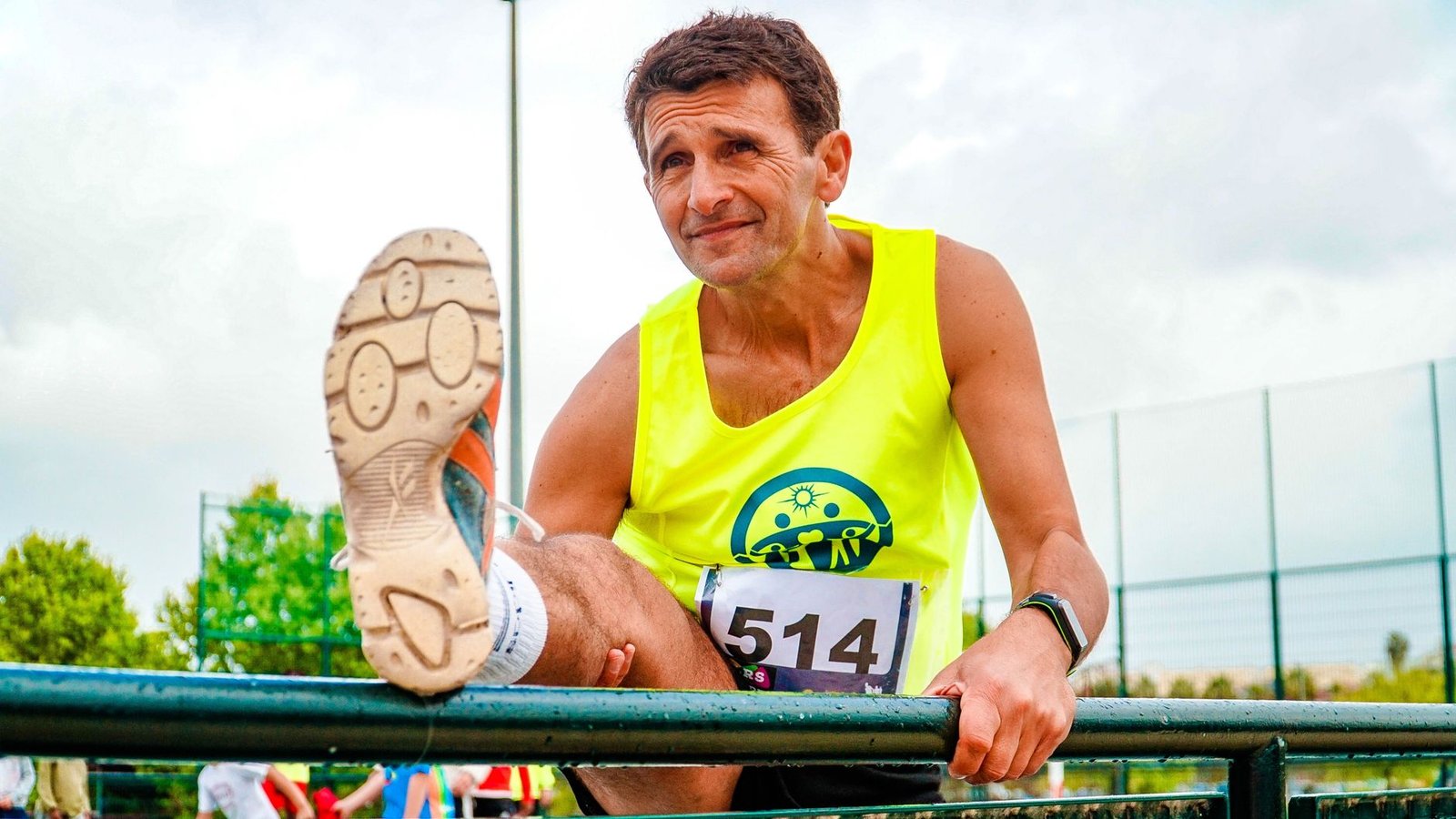
Repeat in the same pattern: short active holds, then release. Pair it with light pacing through the motion rather than gripping and freezing. If you feel sharp pain or tendon tenderness, stop. Recovery should feel like guidance, not punishment.
Calves and the Lower Leg Need Active Reps
Calves are the quiet engine of marathon rhythm, and they frequently stay tight after race day. When you rely on long holds, you may stretch inflamed tissue too aggressively. When you use active repetitions, you help the calf system return to elastic, functional movement.
Focus on calf stretches that involve controlled tension for 2–3 seconds, repeated 10–12 times. Then give the ankle a few gentle passes through range. Your aim is to leave the session feeling freer, not flattened.
A Practical Matrix for Post Race Stretch Sets
If you want results, reduce decision fatigue. Use a repeatable setup that you can run after your shower or evening walk, then adjust only for soreness. Here is a simple matrix for the active, dynamic approach that fits post marathon reality.
| Priority Area | Active Hold Timing | Reps and Adjustment |
|---|---|---|
| Hamstrings | 2–3 seconds | 10–12 reps, add 1 set if sore |
| Quads | 2–3 seconds | 10–12 reps, stop on knee sting |
| Calves | 2–3 seconds | 10–12 reps, easy ankle reps |
| Glutes and Hips | 2–3 seconds | 10–12 reps, extra set for tight days |
| Upper Body | Short and controlled | 8–10 reps, keep it light |
Notice what is missing. This is not a plan built around maximum discomfort. It is built around manageable tension and repetition, which is exactly what tissues respond to after a London finish line.
Glutes and Hips Should Get First Priority After Legs
Your glutes do more than look good. They stabilize the stride, manage hip extension, and help you keep power when fatigue hits. After a marathon, hip tightness often makes the rest of the chain feel stuck, including hamstrings and calves.
Use pigeon stretches or other hip-focused positions, but still keep the mindset moving. Pair them with controlled reps and short holds that respect your range. If one hip feels tighter, give it the extra set, not the extra minutes.
Hip Flexors and Back Opening Keep Stiffness From Spreading
Marathons leave many runners with cranky hip flexors and a low back that feels like it is guarding. If you ignore those areas, the next week turns into a domino effect of compensations.
Include gentle hip flexor stretching like lunging variations or figure-four variants, then add a back and hamstring opening movement such as downward-facing dog in a comfortable range. Stop if you feel sharp pain, and let the movement breathe rather than lock into place.
Upper Body Stretching Prevents Shoulder Lock Without Overdoing It
Yes, you ran a leg-heavy event. But marathon posture under fatigue can tighten shoulders, chest, upper back, and neck. If your upper body stays stuck, your breathing and arm swing patterns suffer, and your recovery routine feels harder than it should.
Use light, controlled stretching for the chest and upper back and include neck mobility that stays gentle. The point is comfort, not transformation. Finish with a calmer upper body so you can return to normal movement quickly.
Feet and Ankles Decide How You Feel Tomorrow
The post-run conversation often skips feet, but you cannot truly recover if your base is cranky. In marathon recovery, the feet influence how knees and hips behave in the days that follow. That is why toe and arch work matters.
Add active work for supination and pronation patterns and the toe and arch area. Use a “toe-under” action and gently sink your hips toward your heels if your knees tolerate it. If any tendon or joint tenderness is sharp, back off immediately and keep the movement controlled.
Know When to Stop and Recover Instead of Pushing
Good recovery has boundaries. If you feel sharp pain, tendon tenderness, or a joint that seems to protest, you are not being tough. You are risking a setback. Active stretching should feel like controlled strain within your safe range, followed by relief.
Track how you feel by the next day. If mobility improves and soreness eases, you chose the right dose. If things worsen, reduce intensity, shorten the hold, and keep reps at the lower end of the 10–12 range. That disciplined adjustment is the real best post-race stretching movements strategy for marathon recovery in London.
Best Post-Race Stretching Movements for Marathon Recovery in London
How soon should I do post-race stretching movements after a London marathon?
Start with light, active stretching as soon as you can comfortably move after finishing (often within the first hour), and then continue with an easy 15–20 minute routine each day during the week after the marathon, keeping everything within a comfortable range.
Which post-race stretching movements help marathon recovery the most?
Prioritize active/dynamic stretching for the big overtime leg muscles—hamstrings, quads, calves, and glutes—using short active holds of about 2–3 seconds, releasing and repeating 10–12 times per muscle group, and adding an extra set for any area that feels especially sore.
What lower-body stretches should I include for marathon recovery in London?
Use common post-run options such as hamstring and calf stretches, hip flexor stretches (lunging hip flexor or figure-four variations), standing quad stretches, and pigeon stretches for glutes and hips, then finish with a gentle downward-facing dog to open the low back, hamstrings, calves, and feet.
How long should I spend on post-race stretching during the week after my London race?
Plan for about 15–20 minutes per day for the week after the marathon, staying consistent rather than doing one long session, and use active repeats for each target area instead of long static holds.
Should I also do upper-body stretching after a marathon in London?
Yes—include light upper-body stretching for tight shoulders, chest, upper back, and neck, keeping it gentle and supportive, so you reduce carryover stiffness from arm drive and posture changes during the race.
When should I stop post-race stretching movements for marathon recovery?
Stop any stretch if you feel sharp pain or notice tendon or joint tenderness, and don’t push through discomfort; if pain persists, worsens, or limits walking, consider getting professional advice before continuing your routine.
Consistency Beats Convenience In Marathon Recovery
The best post-race stretching movements for marathon recovery in london are simple and repeatable: move daily for about 15 to 20 minutes, keep stretching active and dynamic instead of long static holds, and target the legs first while finishing with careful foot and hip work; if you stay consistent for the week after race day, your recovery will feel steadier, quicker, and far more dependable than any one-time session.

I am Ozan, a London-focused running writer and marathon enthusiast with a passion for helping people discover the city’s best races, running routes, walking trails, and fitness events. I research and write practical, up-to-date guides covering marathons, race preparation, training tips, running gear, and everything related to staying active in London.
My goal is to create reliable, easy-to-follow content that helps runners and walkers of all experience levels explore London with confidence, whether they’re preparing for their first 5K or their next marathon.



One thought on “Stretch Smart for Your London Marathon Recovery”