
Most runners fail at aid stations because they wing it. When you are running through a London Marathon-style course, the wrong drink or the wrong moment can turn “hydration” into stomach trouble or wasted calories. This article answers how to choose drinks at London aid stations: water, electrolytes, and timing with one opinion that matters: you do not need more information, you need a repeatable plan.
Water is your baseline, electrolytes help you hold onto performance when sweat is doing its job, and timing decides whether your gut accepts the strategy. If you wait until you feel thirsty, you are already playing catch-up, and if you drink too much without salt, you risk ending up less hydrated than you think.
The best approach is to practice your station rhythm long before race day, then execute it without drama: small sips on schedule, water when you need to cool down, and electrolytes when your sweat losses are climbing. Ignore the temptation to “fix it” with random gulps, because consistency beats heroics every time.
Start Hydrating Before You See A Single Station
Let’s be blunt: most runners don’t fail at aid stations because they “didn’t work hard enough.” They fail because they show up already behind on fluid. If your plan starts at the first cup, you are negotiating with your body while it is trying to protect your performance.
How to choose drinks at London aid stations: water, electrolytes, and timing begins hours earlier. Drink steadily the day before, then top up with fluids on race morning. If you sweat heavily, include electrolytes before the start so sodium is not a last-minute scramble. A quick personal rule helps: start the race already feeling comfortably hydrated, not chasing relief.
Water Is For Cooling And Flow, Not Automatic Fuel
Water at London-style stations has a job: keep you cool enough to keep moving and help your gut do what you ask. It is not a magic battering ram against fatigue. If you treat water like the whole nutrition plan, you will either under-fuel or over-drink.
So use water as the default when you do not yet need concentrated energy. Early in the race, small sips are enough to maintain comfort. Ask yourself a simple question at every stop: “Am I thirsty, or am I just preventing dehydration that will later force me to slow down?”
Electrolytes Belong In Your Baseline, Especially For Real Sweat
Sweat is not just water. It is sodium in motion. When sodium losses climb, you may feel sluggish even if you are “hydrated” by weight or by mouthful count. That is why electrolyte strategy matters more for some runners than others.
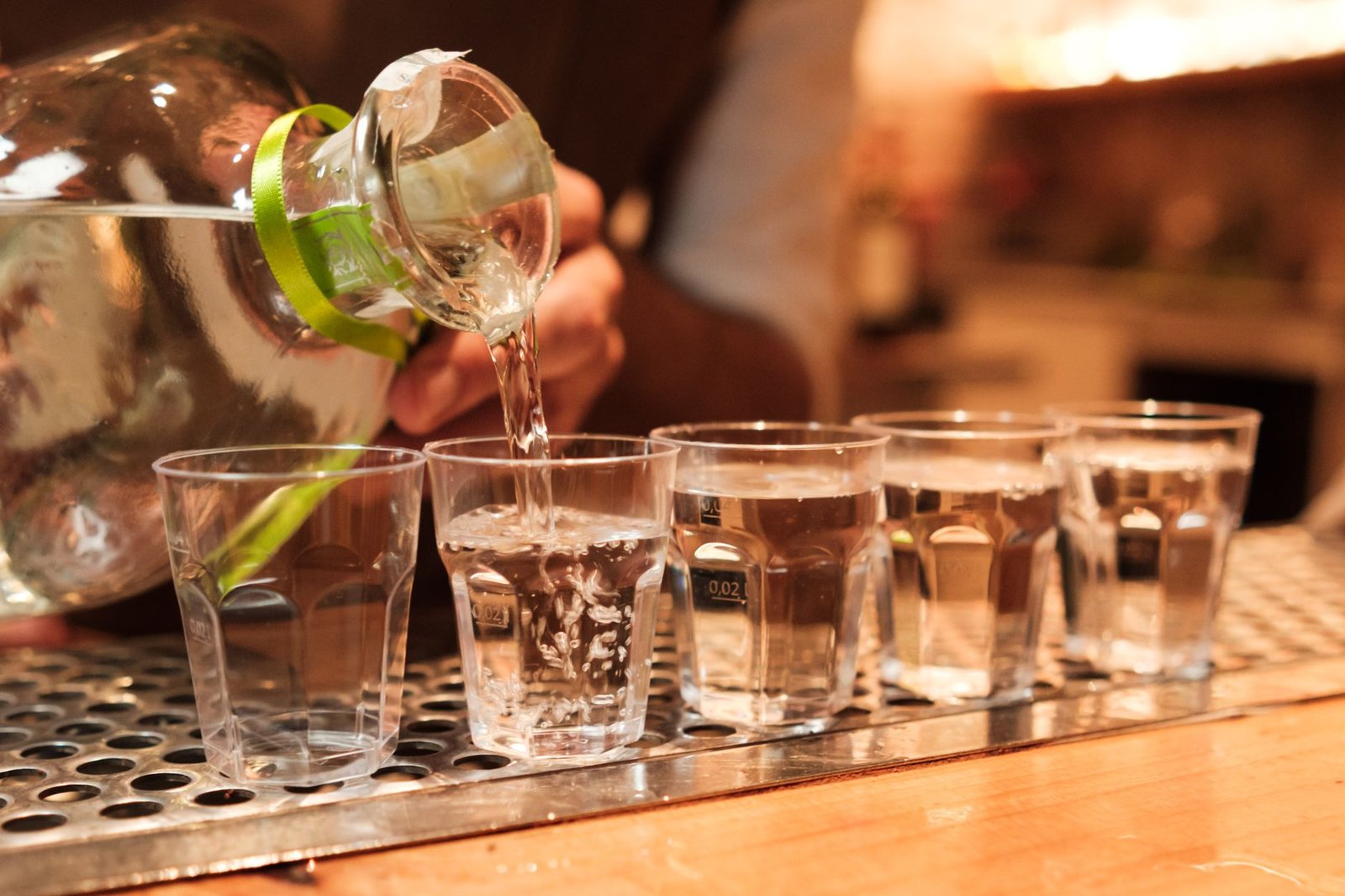
Consider how you finish long runs. If you cramp, get salty residue, or feel washed out despite drinking, your body is telling you that electrolytes are part of the solution, not a luxury. And if you have a history of stomach trouble, electrolytes can still fit, but you must respect your timing and concentration.
Timing Sips Beat Chasing Thirst
Thirst is late-stage feedback. By the time you feel it, you may have already lost enough fluid and sodium balance to impact pace and comfort. London aid stations give you a chance to prevent that slide, but only if you drink with a schedule, not a mood.
Practical takeaway: take regular small sips at each station rather than waiting for a strong urge. It is not about being perfect, it is about being consistent. And yes, hydration timing evidence lines up with what smart endurance athletes already do in practice: earlier, smaller intake beats last-minute dumping.
Carbohydrate Targets Decide Your Mix, Not Your Feelings
Hydration choices should serve performance, and performance depends on fuel. For runs longer than an hour, a common target is 30 to 60 g of carbohydrates per hour, with higher needs up to around 90 g per hour for some athletes using dual-source carbs. Your drink plan matters because sports drinks can carry carbs, but they are not always the best primary tool.
If you want a plan you can execute under pressure, decide your carbohydrate target first, then map it onto stations. Most runners do better when they distribute intake across multiple stops instead of stacking it into a single dramatic moment.
- Pick a carbohydrate goal for your expected pace and duration
- Plan how many stations you will use for sports drinks versus water plus solids
Separate Gels And Sports Drinks For A Happier Stomach
Gels and highly concentrated carb fluids are effective, but combining them carelessly can overwhelm your gut. When runners skip the water bridge between concentrated gels and sweet sports drinks, they often pay with nausea, slowness, or a sense that “nothing is settling.”
Keep gel or solid carbs separate from sports drinks at the same station. Pair gels with plain water in a practical amount, then use sports drinks when you need both carbs and electrolytes, especially later in the race.
Avoid Overhydration And Hyponatremia By Design
Overhydration is not a harmless mistake. It can lead to hyponatremia, where sodium concentration in the blood drops because fluid intake outpaces sodium replacement and sweat loss. In a crowded event like London, the temptation is obvious: “There are so many stations, I should drink every time.”

The antidote is simple planning. Keep your fluid changes modest and use your body weight as a sanity check after long training runs. Below is a quick field guide you can adapt to your pace and sweat rate.
| Situation | Likely Risk | Better Station Habit |
|---|---|---|
| Drinking at every station without counting | Fluid overload | Small sips, not big gulps |
| Sweat-heavy days | Sodium deficit | Electrolytes plus selective fluids |
| Mostly sports drinks all day | Concentration stress | Alternate with plain water |
| Cool weather but fast pace | Underestimation of needs | Follow timing schedule |
| History of GI issues | Stomach rejection | Use water to buffer gels |
As a target, try to keep body-weight change within a couple percent during long efforts. If you gain meaningfully, your plan is likely overshooting. Hydration is not measured by how full your stomach feels, but by what your blood chemistry can tolerate.
Use Station Technique So You Don’t Choke Or Gulp
Even perfect drink choices fail if you take them wrong. A rushed stop leads to gulping, which increases the odds of coughing, stomach splash, and wasted time. Your job at each London aid station is controlled intake, not celebration.
Slow slightly, pinch or shape the cup to control flow, then take small sips you can finish over the next stretch. If you race past the station with the cup still full in your hand, you are training your gut for chaos.
Switch To Water-Only When Your Gut Sends Warnings
Adaptation is not weakness. It is intelligence. If your stomach feels thick, sloshy, or unexpectedly tight, you may need to reduce concentration for a while even if your original plan says otherwise.
Practice this behavior in training so it feels normal on race day. Use sports drinks later or when you truly need both electrolytes and carbs, but if your stomach rebels, switch to water-only for a few stations until you regain rhythm.
Temperature And Pace Change Everything About Timing
Two runners can take the same drinks at the same number of stations and have completely different outcomes because their sweat rate and intensity differ. Heat raises fluid and sodium loss. Faster pace increases sweat and carbohydrate demand. That means timing must adjust to real conditions, not a static spreadsheet.
In hot weather, earlier electrolyte support and consistent small sips help prevent the late-race crash. In cooler conditions, you still need carbs, but you may not need aggressive fluid volumes. Ask: “Is my body shedding more than I planned?” If the answer is yes, change the mix, not just the quantity.
Match Electrolytes To Sweat Loss, Not Internet Assumptions
People often treat electrolytes as a one-size-fits-all powder. That is a gamble. Sodium losses can be roughly 500 to 1500 mg per liter of sweat, which means your needs may be far from your friend’s needs. If you guess, you may overshoot or under-shoot your sodium balance.
Look for personal patterns. If you regularly sweat heavily, feel cramps during long efforts, or notice salty skin and clothing, you may need supplemental salt or electrolyte tablets, especially when using water-heavy plans. The key is tracking your total fluid so you do not “solve” sodium by accidentally overdrinking.
Practice The Exact Sequence On Long Runs
There is no substitute for trying your exact station routine when the consequences are real but controllable. Your GI tract does not care about your intentions. It responds to what you ingest, in what order, at what concentration, and with what timing.
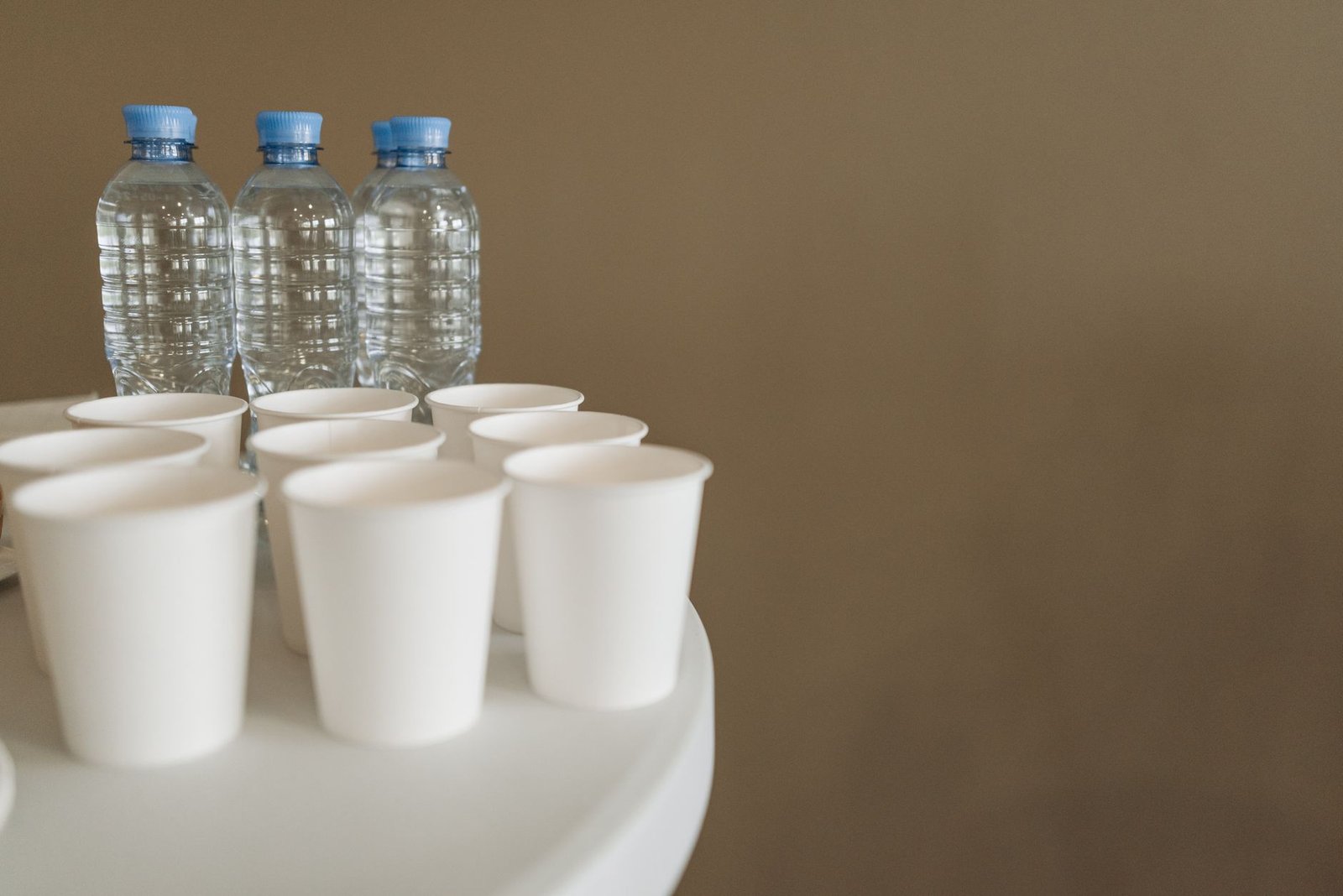
Pace the gel and water stops early, then shift toward sports drinks and electrolytes later if you tolerate them. If you train with your plan, you will know when to buffer gels with water and when sports drinks can actually help instead of hurt. Don’t leave it to chance, especially at London aid stations where crowds can tempt sloppy timing.
Track What You Took And Fix The Next Attempt
Race-day decisions should not become permanent beliefs. If you finish depleted, bloated, crampy, or queasy, you now have data. Your job is to convert that experience into a better station plan, not a new excuse.
Keep a simple log for the next long run: which stations you used for water, which you used for electrolytes, and when you took gels versus sports drinks. Next time, change one variable at a time. The fastest path to better outcomes is disciplined iteration, not frantic improvisation.
How Should You Choose Drinks at London Aid Stations, with Water, Electrolytes, and Timing?
What’s the best way to plan water and electrolytes at London aid stations?
Map your drink stops in advance and start hydrating before race day, then use a steady strategy during the run: take small sips at every station, and include electrolytes (from sports drinks or tablets) so you’re replacing sodium you lose in sweat.
When should you switch from water to sports drink during the race?
Use water early if your stomach needs it, then shift toward sports drink later or whenever you need both carbohydrates and electrolytes, especially if you’re sweating heavily; this helps you cover energy needs while maintaining sodium balance.
How much carbohydrate should you consume from drinks and gels at London-style aid stations?
For runs longer than an hour, aim for about 30–60 g carbohydrates per hour (and up to ~90 g/hr if using dual-source carbs), distributing it across multiple stations by pairing your drink intake with gels/chews as planned.
Should you pair energy gels with water or sports drink at each aid stop?
Keep gels/solids separate from sports drinks at the same station: take gels with plain water (often around 150–250 mL at that stop), then use sports drink at other points to meet your carb and electrolyte goals.
How do you avoid overhydration and hyponatremia at London aid stations?
Avoid drinking so much that your weight climbs—try to keep body-weight change within a couple percent—and make electrolytes part of the plan; if you cramp or sweat heavily, consider additional sodium via electrolyte tablets while tracking total fluid.
How can you time sips at aid stations to reduce stomach problems?
Don’t wait for thirst: start with regular, small sips at each station, and avoid very concentrated hypertonic drinks when you’re prone to GI issues; practice your exact gel-to-water-to-sports drink sequence on long runs so your stomach tolerates the rhythm.
Choose Smart, Sip Steadily
Forget guesswork and treat hydration like a race-day plan: following how to choose drinks at london aid stations: water, electrolytes, and timing means arriving pre-hydrated, taking small regular sips at every stop, matching water versus electrolytes to your sweat and stomach, and pacing your carbs so your gut stays calm. When you control timing and total fluid instead of reacting to thirst, you protect performance and reduce the risk that aid stations derail your effort.

I am Ozan, a London-focused running writer and marathon enthusiast with a passion for helping people discover the city’s best races, running routes, walking trails, and fitness events. I research and write practical, up-to-date guides covering marathons, race preparation, training tips, running gear, and everything related to staying active in London.
My goal is to create reliable, easy-to-follow content that helps runners and walkers of all experience levels explore London with confidence, whether they’re preparing for their first 5K or their next marathon.