
Your post-London-race smell is mostly a storage problem, not a personal failing. If you let sweat-soaked kit sit damp, odor-causing bacteria get time to multiply, and you will pay for that delay with extra scrubbing, repeat washes, or stubborn funk that just will not quit.
My take is simple: rinse and air-dry fast, then wash soon after you get home. Aim to wash within about three days, and if you cannot wash immediately, hang soggy items to dry before they land in a basket. When you do wash technical fabrics, keep it cool or gentle, use minimal detergent, and skip fabric softener because it can leave buildup and dull moisture-wicking performance.
For shoes and worst-case odor, do not panic and crank up heat, and do not just dump in more regular detergent. Brush out mud, clean with mild soap and water, air-dry fully at room temperature, and use paper to speed drying. If the smell lingers, a diluted white vinegar soak can help reset things, and an occasional oxygen-based booster can lift heavier buildup, but the real win comes from drying and storing everything in a cool, dry place out of direct sunlight.
Rinse Within Minutes After Your London Race Prep
If you want smell-free wins, you cannot treat sweat like it is harmless. The stink starts when moisture sits on fabric, and that is why your first move matters more than your detergent choice.
As soon as you get home, rinse sweat out. Yes, even if you plan to wash later. A quick rinse reduces the load on your wash cycle and prevents odour-causing bacteria from getting a head start.
Still think you can toss kit into a hamper and deal with it tomorrow? You can. The smell will just be stronger, harder to remove, and more likely to linger through multiple washes.
Stop Damp Fabric Before It Turns Sour
Damp running clothes are an incubator. Let them sit damp and you will smell it the next time you open your bag, even after “a proper wash.” The goal is simple: no damp waiting around.
If you cannot wash immediately, hang items to dry first. Get them to dry fully before they go into a basket. This one step beats complicated chemical fixes because it prevents bacteria from feeding in the first place.
For London races, that means handling kit like you would handle food. Time and moisture are the enemy, not your running intentions.
Cold and Gentle Cycles for Technical Fabrics
Technical fabrics are designed to wick, but heat and harsh cycles can compromise fibres and leave residue that traps odour. If you want how to store and clean your running gear for london races to actually work, wash cool and keep agitation gentle.
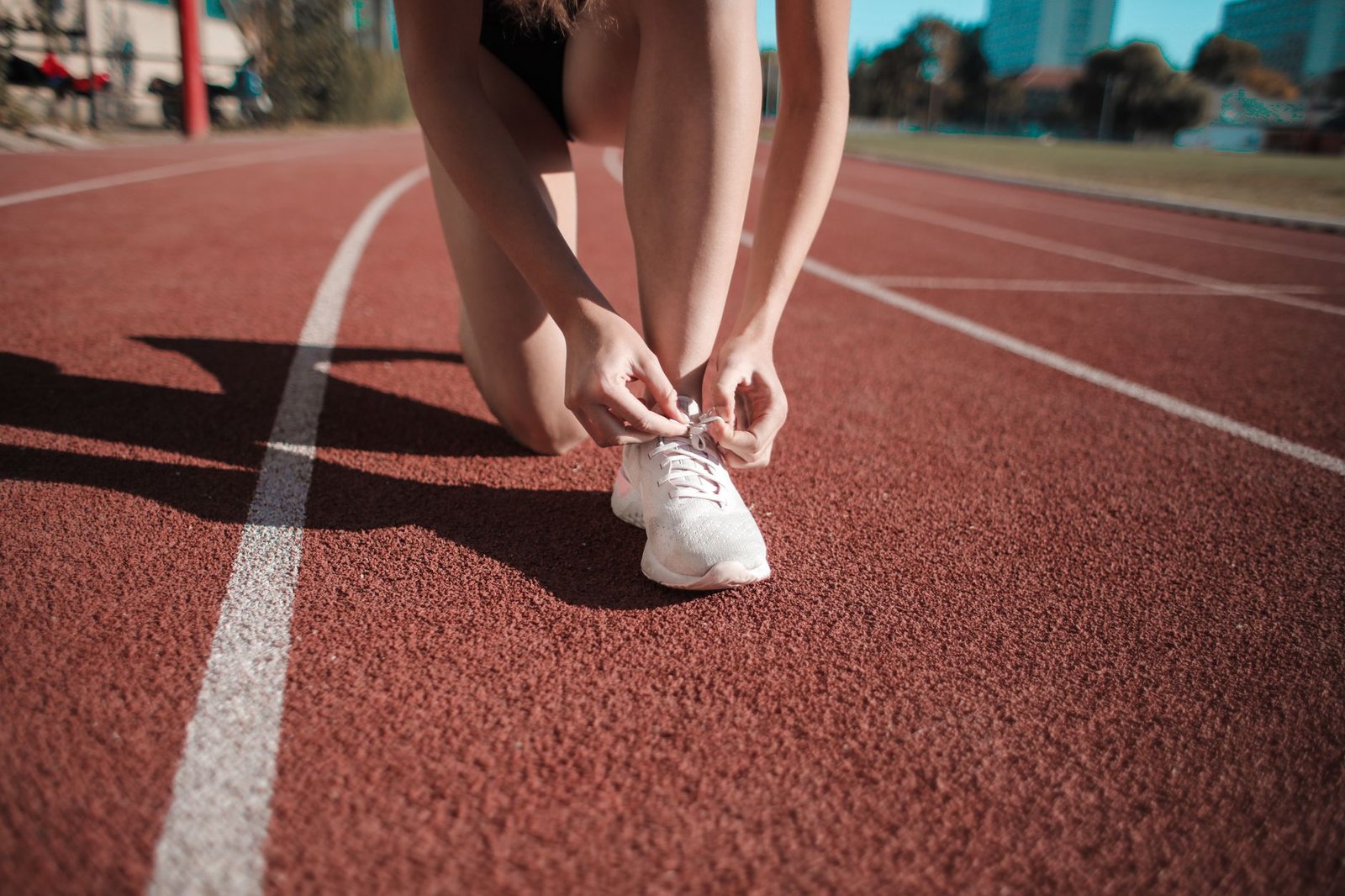
Use minimal detergent, and consider an activewear or sportswear detergent that targets odour-causing bacteria. Experts also note that running kit washing works best when you avoid overloading the machine and stick to a cold cycle.
And skip the temptation to “speed it up” with hotter water. Odour is not a stain you solve with temperature. It is a bio problem that you prevent through early rinsing and proper washing.
Use Odour Targeting Detergent, Not Extra Regular Soap
Here is the uncomfortable truth: adding more detergent is not always better. Regular detergent can leave residue, and residue gives bacteria surfaces to cling to. What seems like extra cleaning can become extra fuel.
Before you blame your gear, check your dosage. Minimal detergent on a cold or gentle cycle is usually enough when you rinse quickly and avoid fabric softener.
But my kit still smells after washing. That is when you adjust the method, not pile on detergent and hope. Odour removal needs targeted chemistry, not brute-force soap.
White Vinegar Soaks for Persistent Funk
When odour lingers, use a diluted white vinegar soak before you wash normally. Vinegar helps neutralize smells and disrupts what bacteria have left behind, especially on stubborn technical fabrics.
A practical approach is about 1 cup vinegar per 1 gallon of water, soaking for around 30 minutes. Then wash as usual on a cold or gentle cycle with minimal detergent.
This is not magic, but it is efficient. It addresses the problem without the build-up risk that can come from repeatedly adding standard detergent.
Build a Simple Wash Plan With Measurable Steps
You do not need a complicated routine. You need a repeatable one with clear timings so smell never gets a window to grow.
| Gear Type | Timing Goal | Drying Method |
|---|---|---|
| Running Shirts | Rinse within 0 to 60 min | Air dry only |
| Leggings | Wash within 72 hours | Hang to fully dry |
| Technical Socks | Wash within 48 hours | Air dry away from heat |
| Race Bib Vest | Cold wash same day | Flat dry or hang |
| Small Towels | Wash within 72 hours | Air dry fully |
Once you follow a plan like this, you stop guessing. Your kit becomes predictable, and your post-run routine turns into a habit instead of a debate with yourself.
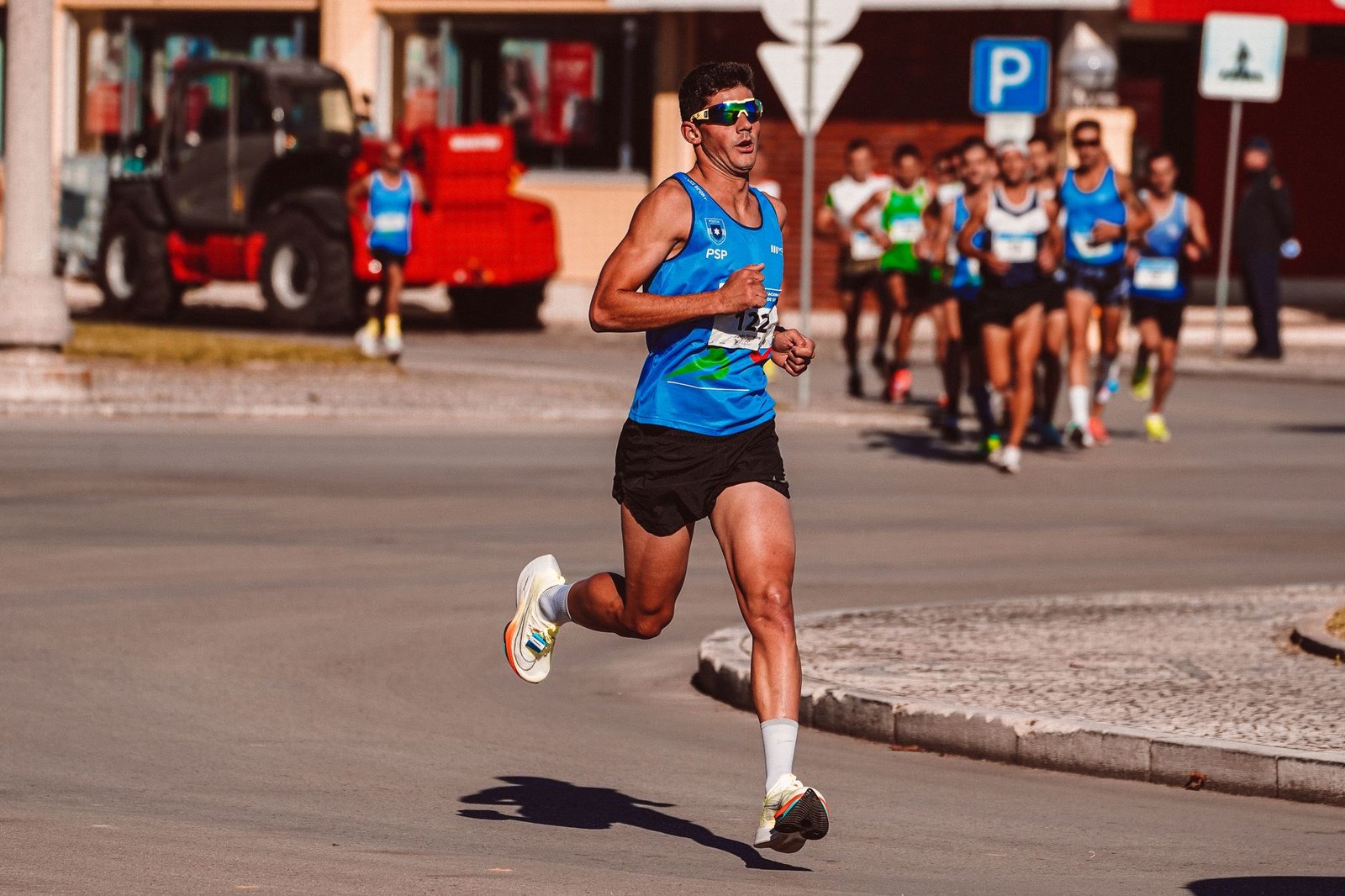
Smell-free wins are usually a scheduling problem, not a cleaning product problem.
Air Dry Only and Never Tumble Dry
Heat can set odour and stress the fibres that make technical kit perform. If your goal is freshness, air drying is the consistent, fibre-friendly option.
Never tumble dry running kit. Let it dry properly, then store it only when fully dry. If you have ever opened a tumble-dried bag and smelled old sweat, you already understand why this rule matters.
Drying correctly is the final lock on your whole process. Skip it, and the smell can return even after a good wash.
Shoes Need Brush Work and Patient Air Drying
Running shoes smell because they hold moisture and trapped bacteria in laces, insoles, and seams. The washing machine can damage structure and often leaves moisture behind, so avoid it.
Brush off mud, wipe with mild detergent and water, and then air-dry at room temperature away from radiators and direct sunlight. To speed drying, stuff the shoes with paper towels or newspaper.
After runs, sprinkle baking soda in the insoles post-clean. It helps control odour between wears without forcing your shoes into harsh heat cycles.
Store Gear Cool Dry and Out of Sunlight
Cleaning is only half the story. Storage decides whether odour rebounds. Store running gear in a cool, dry place away from direct sunlight, which can degrade materials and drive off natural performance properties.
Keep kit breathable. Damp storage creates the same bio problem you tried to stop during washing. If you want freshness on demand, you must store what is truly dry.
Think like a runner who hates laundry emergencies. Good storage is the difference between pulling on your kit tomorrow and fighting a smell today.
Clean Packs Hydration Bladders and Sunglasses
Race gear is more than clothing. Packs, hydration bladders, and sunglasses collect sweat and grime in places you do not see, which means odour can linger even if your shirts are clean.
Use gear-specific cleaners where appropriate, or mild soap plus thorough air-drying. For hydration systems, make sure the inside surfaces dry fully so you do not trap smells in tubing.
And always check labels. Some materials are sensitive to chemicals and heat, and damage can reduce durability, which means more replacement and more future cleaning.
Ironing Running Kit Ruins Performance Fibres
Ironing running clothes might look tidy, but it is not worth the cost to performance fabrics. Heat can warp fibres and reduce the wicking properties that keep sweat off your skin.
Instead, let creases settle after washing and air drying. If your kit emerges wrinkled, that is usually a timing and drying adjustment, not an ironing problem.
If you are serious about future comfort and reliability, treat technical kit like technical equipment, not like cotton shirts.

Pack Smarter So London Race Week Stays Fresh
Race week stress makes it easy to postpone cleaning, but postponing is how odour returns. Pack so you can rinse quickly and wash within the window you can actually manage.
Bring separate bags for sweaty items, and avoid mixing clean and used kit. Wash within 3 days when possible, and if anything ends up damp, hang it to dry before it touches your storage basket.
Your best race outfit should not become your weekend laundry project. Do the boring steps early, and your smell-free wins will feel earned.
How Do You Store and Clean Your Running Gear for London Races for Smell-Free Wins?
How should you rinse and wash running clothes after a London race to keep them smell-free?
Rinse sweat out as soon as you get home and don’t leave kit damp; aim to wash within 3 days. If you can’t wash right away, hang soggy items to dry first, then put them away to prevent bacteria from thriving.
What wash settings and detergents help clean technical running gear without ruining fabric wicking?
Use a cold or gentle cycle with minimal detergent, ideally an activewear/sportswear detergent designed to target odour-causing bacteria. Skip heat, and avoid fabric softener because it can coat fibres and reduce moisture-wicking.
How can you remove stubborn race-kit smells using vinegar or oxygen-based soaks?
If odours persist, don’t just add more regular detergent, since residue can feed bacteria. Instead, use diluted white vinegar (about 1 cup per 1 gallon of water, soak around 30 minutes) and/or an occasional oxyclean-style soak to lift built-up odour before washing normally.
Should you air-dry or tumble-dry running gear to prevent odour from coming back?
Air-dry everything only and never tumble dry, since heat can set smells and stress technical fibres. Dry fully before storage, especially for items like socks and shirts that trap moisture.
How do you clean running shoes, insoles, and race accessories so they stay fresh?
Don’t wash shoes in the machine; brush off mud, clean with mild detergent and water, and air-dry at room temperature away from radiators and direct sunlight. Speed drying with paper or newspaper in the toe area, sprinkle baking soda in insoles after runs, and for packs or hydration bladders use gear-appropriate cleaner or mild soap, then air-dry.
How should you store your running gear after washing for London races to stop smells and mildew?
Store gear in a cool, dry place out of direct sunlight, and make sure everything is completely dry first. Keep items loosely ventilated where possible, and always check labels so you avoid heat, harsh chemicals, or ironing that can damage technical fabrics.
Smell-Free Wins Come From Smart Care
Stop treating kit odor as an inevitable London race problem and start controlling moisture and bacteria from day one; follow how to store and clean your running gear for london races, smell-free wins by rinsing promptly, washing within a few days on a cold gentle cycle, and air-drying fully before storage, using sportswear detergent and occasional targeted soaks when needed, because freshness is a routine, not a hope.

I am Ozan, a London-focused running writer and marathon enthusiast with a passion for helping people discover the city’s best races, running routes, walking trails, and fitness events. I research and write practical, up-to-date guides covering marathons, race preparation, training tips, running gear, and everything related to staying active in London.
My goal is to create reliable, easy-to-follow content that helps runners and walkers of all experience levels explore London with confidence, whether they’re preparing for their first 5K or their next marathon.