Runner’s knee does not get better because you try harder to “push through” pain. It improves when you stop feeding the same mechanics and start changing what your legs actually do under load. That means the fixes are practical, measurable, and small enough to fit into real running weeks.
If you want results from form and strength tweaks, start with training load, not motivation. Dial back volume temporarily, skip the sharpest stress like hard intervals, sprints, and hills while symptoms calm down, and keep your weekly mileage increases gentle. Then pair that with a simple strength plan for your hips and quads two to three times per week, focusing on controlled reps and positions that make your knees track well instead of collapsing inward.
After that, refine your running mechanics just enough to reduce irritation: aim for slightly quicker, shorter steps for better cadence, keep your torso tall with only a mild forward lean from the ankles, and land with control across the whole foot. Add consistent warmups, check footwear support, and consider extra help only if assessment suggests it is needed. This article will walk through the exact tweaks that tend to make runner’s knee respond, without turning your training into guesswork.
Stop Treating Symptoms Like They Are the Problem
If your knee hurts, the temptation is to attack the pain directly with stretches, massage, or new gadgets. That approach can feel productive while your running load keeps irritating the same patellofemoral system. Pain is a warning light. Load and mechanics are the cause.
Runner’s knee is often tied to how your kneecap tracks as your thigh muscles and hip stabilizers fail to keep pace with what the run demands. So the real question is simple: are you training the tissues that control tracking, or just borrowing temporary relief?
Cut Training Load First and Keep Your Ego for Later
The most effective first move is reducing how much stress you put on the patellofemoral joint. A practical starting target is to drop total distance or time on your feet by about one third for a short block. That gives irritated tissue a chance to calm down while you keep the habit of moving.
Hard intervals, sprints, plyometrics, and hills can keep symptoms awake. Replace some runs with cycling, the elliptical, or pool running so you maintain fitness without hammering knee tracking. Weekly mileage increases should stay around 10% until pain settles and form stops degrading.
Warm Up and Cool Down Are Knee Protection, Not Ceremony
A weak warm-up is how small form flaws sneak in when tissue is cold and stiff. Spend a few minutes gradually raising temperature, then add a short rehearsal of good mechanics: easy cadence, relaxed shoulders, and controlled foot strike. You want your knee to learn the pattern before you ask for intensity.
Cool down matters too. Let your heart rate come down with an easy jog or brisk walk, then do light mobility and breathing. The goal is recovery behavior that supports your next session, not a dramatic stretching routine that leaves your tissues too lax to stabilize.
Cadence and Foot Contact Beats Fancy Fixes
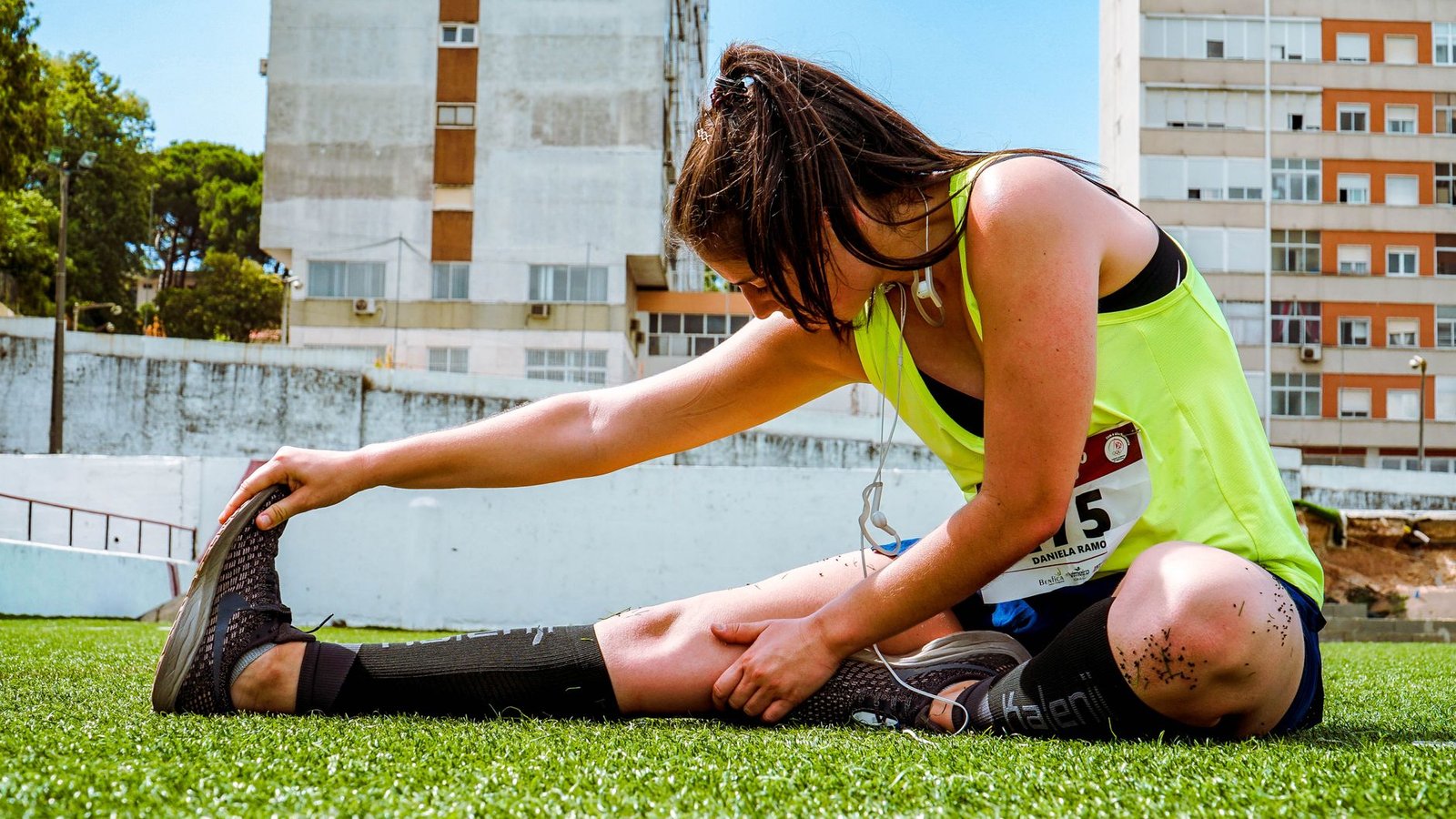
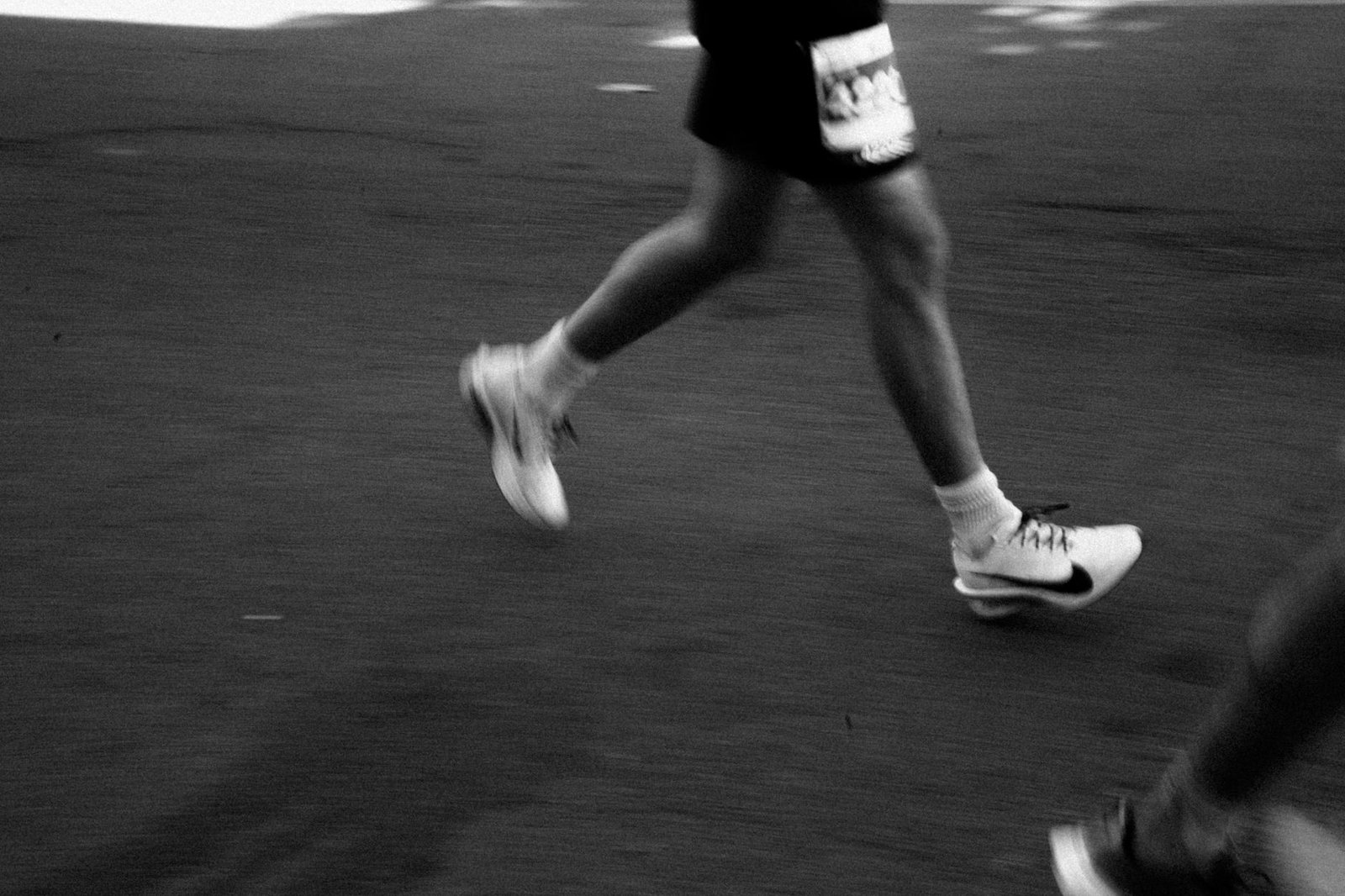
Small form changes can reduce patellofemoral stress quickly, especially when they correct how forces travel through the knee. Try slightly shorter, quicker steps to raise cadence. Keep a mild forward lean from the ankles, not from the hips, so your posture stays stable and your knee does not chase the ground.
Relax your arms and shoulders to reduce bounce. Most runners also benefit from keeping the whole foot on the ground, not landing only on the forefoot. If pain spikes during the lowering phase of your strength reps, you are likely rushing your stride or skipping control in daily movement.
Hip Glute and Quad Strength You Can Actually Feel Working
Strength tweaks are effective when they target what runner’s knee complains about: tracking control. The hip and glutes help stabilize the thigh, while quads contribute to how the kneecap glides under load. Build both with simple moves you can reproduce without coaching every set.
Aim for 2 to 3 strength days per week. Work in the 10 to 20 rep range, and use longer holds at the challenging position for control. If you feel the work in your hips and front of thigh with stable knees, you are likely training the right pattern.
The Strength Menu for Patellofemoral Pain
Here is what your routine should look like when you want a targeted plan, not random exercises. Choose movements that keep knees tracking over toes, reduce side-to-side collapse, and build endurance in the exact ranges that show up during running.
Use the doses below as a starting template. Adjust load so pain stays tolerable and form stays clean.
| Exercise | Control Focus | Starting Dose |
|---|---|---|
| Side-Lying Hip Raise | Hips stacked, knees bent ~45° | 2–3 sets of 10–20 |
| Glute Bridge With Hold | 5-second squeeze at top | 2–3 sets of 8–15 |
| Monster Walk | Knees track over toes | 2–3 sets of 10–15 steps |
| Band-Resisted Hip Abduction | Standing tall from chair | 2–3 sets of 10–20 |
| Step-Up and Step-Down | Controlled lowering | 2–3 sets of 8–12 each side |
After 2 to 3 weeks, you should be able to do more work without a flare. If you are still paying with sharp pain, your training load or your technique is not matching the capacity you are building in the gym.
Step-Ups and Step-Downs Build Real-World Knee Control
Step-ups and controlled step-downs train what running demands: a knee that tracks while your hip holds the line. Start small, around 3 to 4 inches, and progress up to about 8 inches only when symptoms are stable.
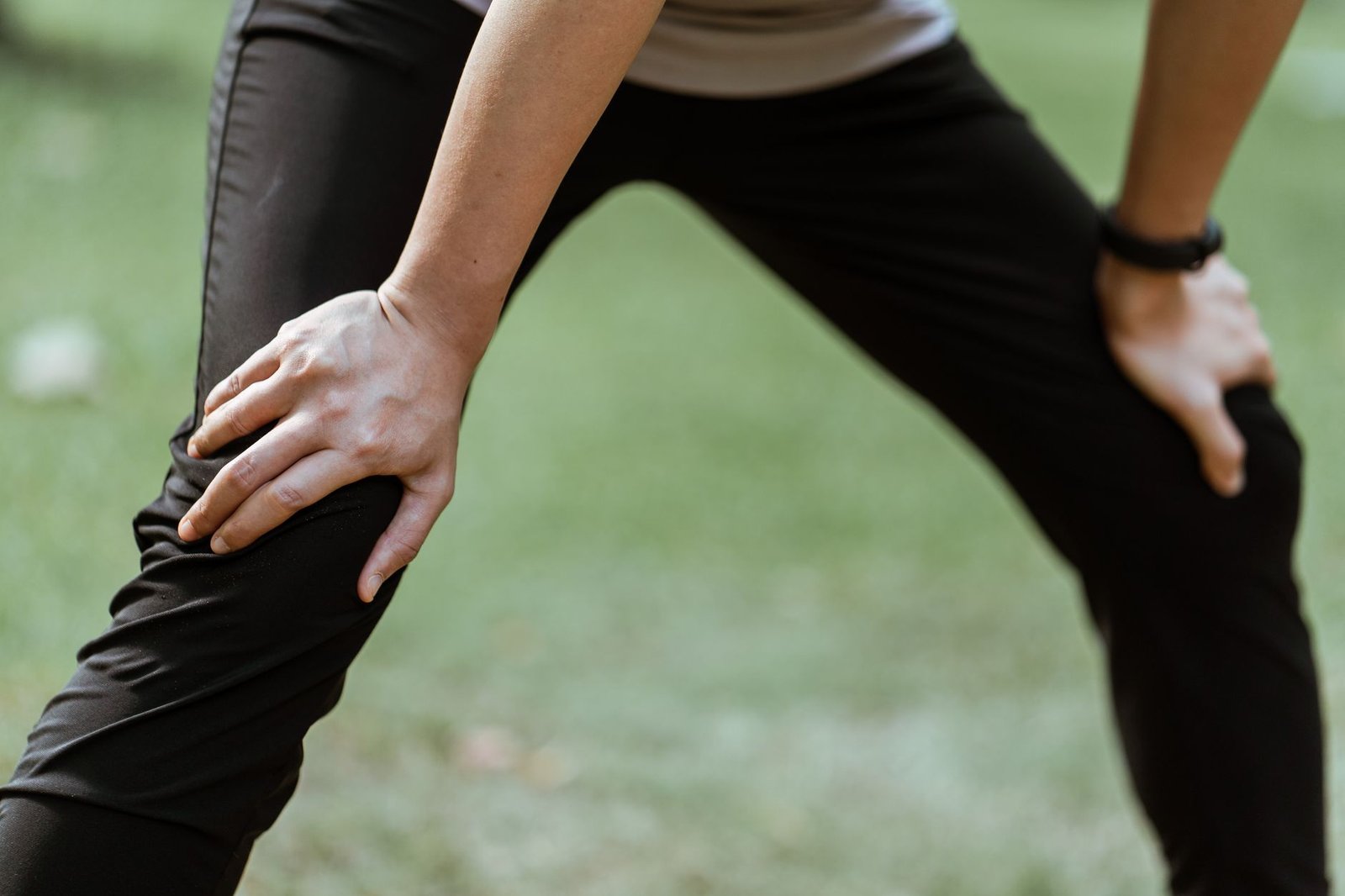
Make the lowering phase deliberate. A common mistake is to drop quickly and hope strength takes over. Instead, slow the descent, keep the foot planted, and let your glutes and quads do the work. This is where you turn “my knee feels unstable” into “my knee feels managed.”
Strength Schedule That Does Not Spike Pain
The calendar matters. Place strength sessions on days that support recovery, not exhaustion. If you run hard three days in a row, your strength work becomes a secondary stressor that you did not plan for.
When pain rises during or after a session, reduce intensity before you drop entire exercises. For instance, keep the movement but reduce range, use lighter resistance, or perform fewer sets. This is how you keep the program consistent while you retrain tolerance.
Shoes Surface and Training Mix Can Quietly Trigger Flares
Your technique changes might be perfect and still fail if your environment keeps forcing knee load. Replace supportive shoes around every 300 to 500 miles, sooner if cushioning fades. Also be honest about surfaces. Slanted roads, uneven trails, and long downhill stretches can increase patellofemoral stress.
If you love speed, introduce it slowly. Keep early sessions flat and avoid hills while symptoms settle. Once pain is quiet, gradually reintroduce incline and then intensity, rather than stacking stressors on the same week.
Orthotics Are Not a Shortcut for Weak Control
Orthotics can help some runners, but they are not a universal fix. If your knee pain comes from tracking control and strength endurance, an insert will not rewrite the way your hip and quad fire during each stride.
Opposing view: “If I try inserts, I can run through pain.” That instinct can backfire if you treat orthotics as permission to ignore mechanics and load. Consider orthotics only if an assessment suggests they will genuinely reduce stress for your specific pattern.
Track Progress With Pain and Function, Not Wishful Thinking
To reduce runner’s knee with small form and strength tweaks, you need feedback you trust. Use a simple pain scale tied to what you do: monitor pain during the run, pain after, and how quickly it settles by the next day. Track whether your strength reps stay controlled and whether you can maintain cadence without knee flare.
Also track function. Can you complete your step-downs with the same alignment after a week of training changes? Does your knee behave on easy runs without needing compensation? Real progress shows up in repeatable movement quality, not in one good session.
Use Form Cues That Reduce Knee Stress Without Creating New Problems
Be specific with cues so they do not become distractions. Try “quicker and lighter steps,” “mild forward lean from the ankles,” and “shoulders relaxed.” Keep the whole foot in contact, and smooth out the landing so you do not bounce into the next stride.
If you feel your form cue fights your body, scale it. A shorter stride may require fewer adjustments than chasing cadence aggressively. The best cue is the one you can keep under fatigue, because fatigue is when runner’s knee tends to announce itself.
When to Get Help and When to Trust the Plan
There is a moment when persistence becomes negligence. If pain is worsening, you develop swelling, you cannot perform basic daily movement, or the pattern does not improve after a structured load and strength reset, see a clinician for an assessment of patellofemoral pain and movement mechanics.
For exercise selection and progression ideas, you can reference runner’s knee exercises as a sanity check, then align the plan with your pain response. Getting guidance does not mean giving up; it means shortening the trial-and-error period.
Small Tweaks Win Because They Change What Your Knee Sees
The strongest case for this approach is that it targets the system that drives pain. You reduce load so tissue can calm down, you change stride habits that influence kneecap tracking, and you build hip and quad control that lasts beyond a single run. That is how you stop the cycle where you rest, restart, flare, and repeat.
So ask yourself this: why wait for pain to disappear on its own when you can improve control in a week? Commit to small form and strength tweaks, progress patiently, and let your results come from consistency rather than luck.
How Can You Reduce Runner’s Knee With Small Form And Strength Tweaks?
How Should You Adjust Training Load to Reduce Runner’s Knee Symptoms?
Reduce total time on your feet by about one third at first, pause hard intervals, sprints, plyometrics, and hills or downhills while pain settles, and swap in low-impact options like cycling, the elliptical, or pool running so symptoms calm before you build volume again.
Which Strength Tweaks Help Most for Runner’s Knee Using Hip and Glute Work?
Strengthen your hips and glutes 2 to 3 days per week with controlled banded side steps or monster walks, bridges or glute bridges with a 5 second hold, and step-ups or small step-downs from about 3 to 4 inches, progressing gradually while keeping knee tracking steady and pain at a tolerable level.
How Do Quad Exercises and Control Work Reduce Patellofemoral Pain?
Add quad-focused work with controlled tempo reps, such as slower lowering during step-downs and controlled strengthening at positions that feel stable, using a 10 to 20 rep range and longer holds at the challenging point to improve knee alignment and tolerance.
What Small Running Form Changes Reduce Pressure on the Kneecap?
Try slightly shorter, quicker steps to raise cadence, keep a small forward lean from the ankles rather than bending at the hips, relax shoulders and arms to limit bounce, keep the whole foot on the ground during contact, and slow the lowering phase of any strength movement that affects alignment.
How Often Should You Strengthen and How Should You Progress Safely?
Use a consistent plan for several weeks, train strength 2 to 3 days per week, and progress height, resistance, or reps only when pain stays stable during and after runs for the next session.
When Should You Change Footwear or Seek a Professional for Runner’s Knee?
Use supportive shoes and replace them around every 300 to 500 miles or sooner if cushioning fades, consider orthotics only if an assessment suggests they help, and seek a clinician or physical therapist if pain persists, worsens, or you notice swelling, locking, or significant instability.
Small Tweaks Win Against Runner’s Knee
How to reduce runner’s knee with small form and strength tweaks is simple in principle: calm the load first, then rebuild control with hip–glute and quad strength, and keep your running mechanics honest with tiny cadence and landing changes. Do that consistently over weeks, and you give your patellofemoral pain fewer reasons to flare and more reasons to settle. Skip the basics and hope for a quick fix, and the knee will keep collecting your “one more hard run” debt.

I am Ozan, a London-focused running writer and marathon enthusiast with a passion for helping people discover the city’s best races, running routes, walking trails, and fitness events. I research and write practical, up-to-date guides covering marathons, race preparation, training tips, running gear, and everything related to staying active in London.
My goal is to create reliable, easy-to-follow content that helps runners and walkers of all experience levels explore London with confidence, whether they’re preparing for their first 5K or their next marathon.