
Most “recovery drinks” fail London runners because they prioritize convenience over real nutrition. The point of a post-run recovery drink is not to look sporty, it is to refill what training drains: fluids, fast carbs for glycogen, and protein for muscle repair. If you get serious, timing matters too, because the first 20 to 30 minutes after you finish is when your body is most ready to put that fuel to work.
That is why I believe post-run recovery drinks for London runners, build them from real food should beat packaged formulas that underdeliver on carbs or protein. For a practical target, aim for roughly carbs and protein in the ballpark of 1.2 g carbs per kilogram of bodyweight and 0.4 g protein per kilogram, plus electrolytes if you sweat hard. Milk or Greek yogurt (or a plant alternative) gives you protein, then fruit, oats, honey, jam, or cooked grains bring the quick carbs, while coconut water or a small pinch of salt helps replace what you lost in London’s often unpredictable weather.
In this article, I will show you how to build recovery drinks from real food using combinations that are genuinely easy and consistently effective, whether you want the classic simplicity of chocolate milk or a smoothie with banana, yogurt, and extra carbs when your training load is high. When you treat recovery like nutrition engineering instead of vending-machine luck, you will feel the difference in your next run.
Recovery Drinks Should Do Work, Not Just Taste Nice
For post-run recovery, “nice to have” drinks are the enemy of progress. Post-run recovery drinks for London runners should replace what you burned and support what training stressed. If your drink mainly offers flavor, that is not recovery. That is a treat.
Real recovery is biochemical and practical. You want carbs to replenish glycogen, protein to support muscle repair, and fluids plus electrolytes to restore hydration. If you can’t name those three jobs, how will you choose the right drink?
Timing Matters More Than Fancy Marketing
After hard training, your body is primed to absorb fuel. Many runners talk about a “magic window,” and the useful takeaway is simple: aim for within 20 to 30 minutes after you finish. That is when you are most likely to get carbs into the right place and start the repair process sooner.
Some people argue that recovery starts later anyway, so timing is optional. But you are not choosing between “later” and “never.” You are choosing between giving your body a head start and forcing it to catch up.
Carry a plan. Keep ingredients at home, and if you train in the parks around London, pre-portion bottles or shake ingredients so you are not hunting for food when you are tired.
Carbs Are the Lever for Glycogen
Carbs are not optional extras. They are the lever that drives muscle glycogen replenishment. Without enough carbohydrate, you may feel “fine” today while performance silently dents for the next session.
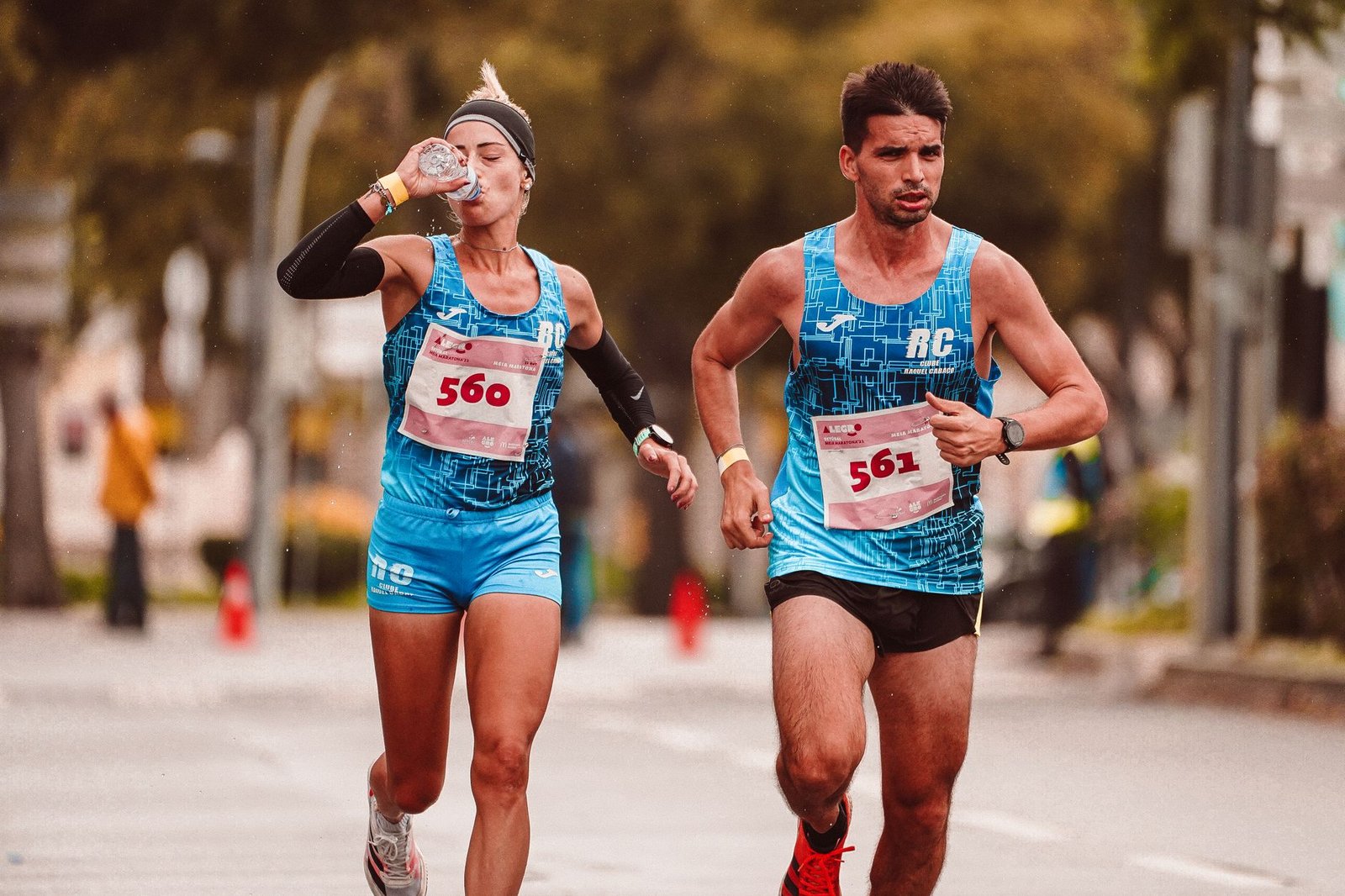
Sports dietitian guidance often targets about 1.2 g carbs per kg bodyweight after training. For many runners, that is exactly where off-the-shelf products fail. Too often, “recovery” is marketed with low-carb profiles, or people select sugar-free versions and then wonder why energy lags.
Ask yourself a blunt question: does your drink actually give you enough carbs, or does it just promise recovery with a light label?
Protein Repairs What Training Breaks
Carbs refill the tank. Protein supports the rebuilding work. After a run that stresses muscles, you want amino acids available to help repair and adapt.
A practical target is about 0.4 g protein per kg bodyweight in the post-run window. If you weigh 70 kg, that is roughly 28 g protein. That number is not magic, but it is a useful reality check.
Counterpoint you might hear is that you can just eat later. You can. But why make recovery compete with your next busy hour, your sleep schedule, or your delayed appetite? A well-timed drink reduces the risk that “later” never quite arrives.
Stop Buying Sugar Free When You Need Fuel
“Recovery” that is sugar-free is often misaligned with what recovery requires. Yes, sugar-free products may still contain protein or some micronutrients, but they frequently miss the core point: you need fast carbs for glycogen replenishment.
Consider the logic. If a drink has too little carbohydrate, it cannot do the job you are paying for. Then the label becomes a distraction. You end up with good intentions and insufficient fuel.
What if you are watching calories or blood sugar? That is a fair conversation. But recovery drinks are timed, purposeful tools. Use them for what they are meant to do, and adjust elsewhere in your day.
Build Them From Real Food in London Kitchens
You do not need a lab blend to make effective recovery drinks. You need real food ingredients that match the jobs your muscles demand: carbs plus protein plus fluids.
Start with a protein base such as milk or Greek yogurt (or soya alternatives for plant-based runners). Then add fast carbs like fruit, oats, honey, jam, or cooked grains. Finish with electrolytes if you sweat heavily. If you want a concrete target, here is a quick guide for a typical 70 kg runner.
| Example Drink | Approx Carbs per 500 ml | Approx Protein per 500 ml |
|---|---|---|
| Chocolate milk | 70 to 90 g | 20 to 30 g |
| Banana and Greek yogurt smoothie | 60 to 85 g | 25 to 35 g |
| Milk with oats and honey | 75 to 95 g | 20 to 35 g |
| Greek yogurt with berries and jam | 55 to 80 g | 25 to 40 g |
| Milk blended with nut butter and fruit | 70 to 100 g | 25 to 40 g |
Is the exact number identical for everyone? No. But this is the method: build a drink that hits the 1.2 g/kg carbs and 0.4 g/kg protein targets as closely as your appetite and timing allow.
Electrolytes Keep You Rehydrating, Not Just Thirsty
Carbs and protein get the headlines, but hydration determines whether you bounce back or drag. After a hard run, sweat losses include sodium and other electrolytes. If you only drink water, you may dilute recovery while feeling “okay” for a while.
London conditions vary, and so does your sweat rate. If you sweat heavily, include electrolytes using coconut water or a pinch of salt to taste. If you train in hot conditions, this is especially important for consistent performance.
Some athletes say electrolytes are overkill. Maybe for short easy runs. But for long sessions, intervals, and summer training blocks, electrolytes help your body restore fluid balance so the next workout feels possible.

Choc Milk and Smoothies That Actually Hit Targets
There is a reason chocolate milk became a classic recovery option. It naturally combines carbs and protein in a format many runners can drink quickly after training. You do not have to reinvent the wheel.
For practical guidance, you can rely on recovery drink guidelines that consistently emphasize carbs plus protein rather than electrolytes alone.
Smoothies are equally effective when built correctly. A banana plus Greek yogurt plus milk smoothie can work brilliantly, and you can add oats if you need extra carbs. Keep it simple and consistent so you know what your body is getting.
Juices for Endurance Weeks Tart and Beet Options
When training stacks into long endurance weeks, some runners benefit from adding targeted juices. Tart cherry juice is often used for recovery support, while beetroot juice is associated with exercise-related benefits that can help you stay sharp during demanding periods.
These additions should complement, not replace, the foundational recovery targets. Do not treat cherry or beet as a substitute for carbs and protein. If you skip fuel and hope juice does the work, you are gambling with the next day’s quality.
Green tea can add antioxidants, but it should never replace the recovery drink’s main job. Think of it as seasoning, not the meal.
Portions Should Match Your Body Weight
The biggest mistake in post-run recovery is treating every runner as the same size. Targets are weight-based for a reason. If you want remote work productivity style certainty in your nutrition decisions, apply the same principle here: measure what matters and adjust the dose.
Using the practical targets, carbs are about 1.2 g per kg and protein about 0.4 g per kg. That means a 60 kg runner aims for roughly 72 g carbs and 24 g protein. A 90 kg runner would aim for about 108 g carbs and 36 g protein.
Still hungry? Good. Under-eating after a hard session is the fastest path to “why does my training feel harder?”
Avoid Too Much Fibre and Fat Right After
Real food does not mean heavy food. Some ingredients slow digestion. If you overload fibre or fat immediately after a run, you may end up with a drink you cannot keep down, or a stomach that feels sluggish when you need recovery to start.
This does not mean you must avoid oats or nut butter forever. It means you should test your preferred shake composition. For many runners, a straightforward blend of milk, fruit, and a modest carb boost works better than overly complex meals.
Ask yourself: does your drink disappear quickly and leave you feeling ready to refuel, or does it sit in your gut?
Ultra Style Recovery Drinks for Multi Day Runners
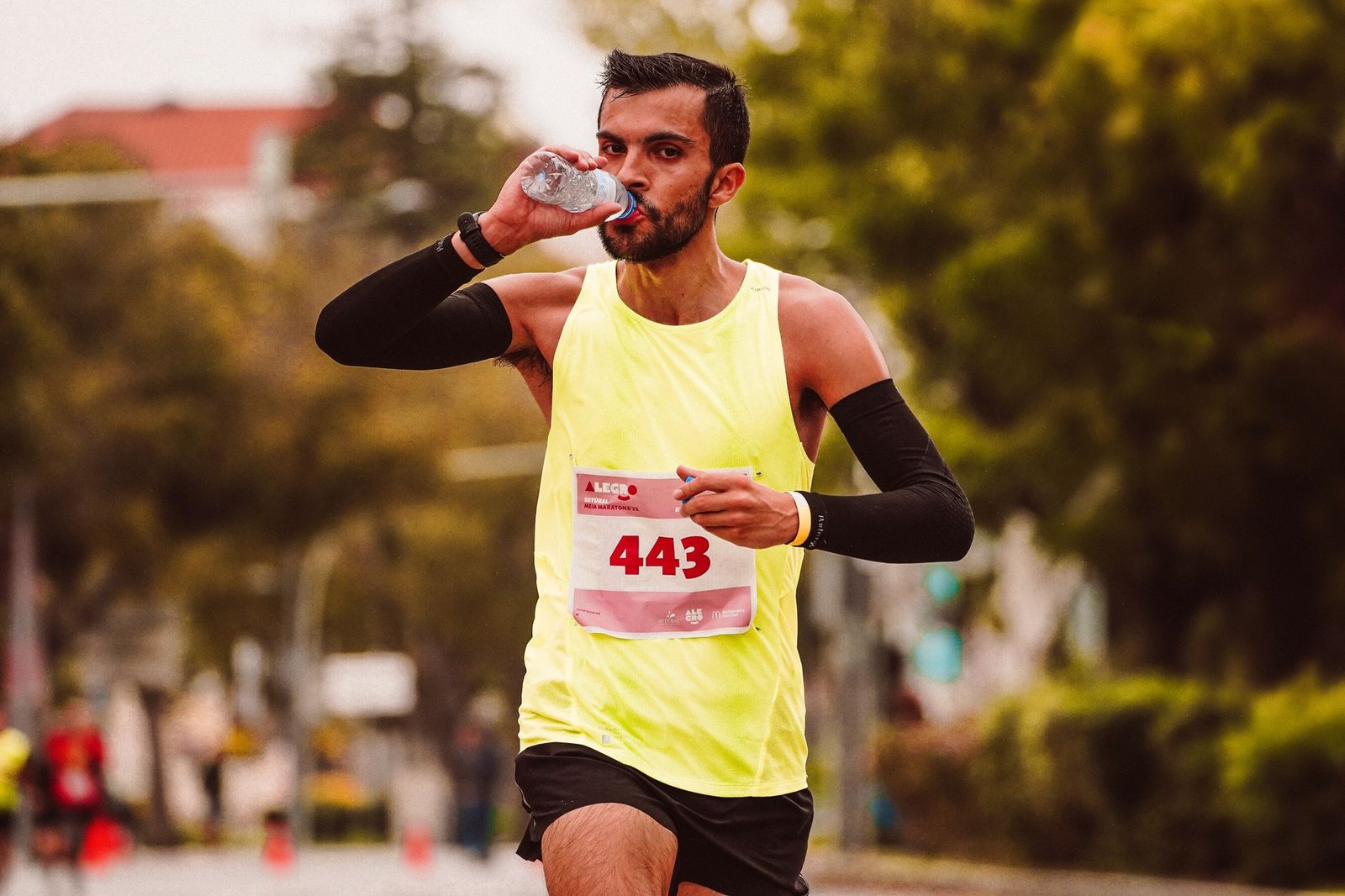
If you are stacking long efforts across multiple days, your recovery strategy must be repetitive and immediate. The goal shifts from “recover by tomorrow” to “stay ahead of the next finish line day.” That means consuming your recovery drink immediately after each event ends.
Multi-day training also increases the need for carbs. The more often you drain glycogen, the less room you have for under-fueling. Keep the drink carbohydrate-forward with enough protein to support repair.
Build them from real food so you can repeat the process under stress. Your recovery should be predictable, not fragile.
Remote Work Productivity Starts With Recovery Discipline
Running teaches an uncomfortable lesson: effort without recovery is wasted time. That same principle applies when your calendar becomes sedentary. If you want remote work productivity that holds up under pressure, treat post-run recovery drinks as a performance tool, not an optional habit.
When you fuel correctly after training, you sleep better, feel steadier, and make clearer decisions the next day. When you skimp, fatigue stacks and concentration drops. What does that mean for your workday? Less patience, slower output, and more mental friction.
The fix is not “work harder.” It is recover smarter: drink carbs plus protein soon after your run, include fluids and electrolytes when needed, and build them from real food so you can do it consistently.
Best Post-Run Recovery Drinks for London Runners Made from Real Food
What Are the Best Post-Run Recovery Drinks for London Runners Built from Real Food?
The best post-run recovery drinks combine fast carbs, quality protein, and fluids, using real-food bases like milk or Greek yogurt (or plant equivalents) plus fruit, oats, honey, jam, or cooked grains, and then add electrolytes such as coconut water or a small pinch of salt if you sweat heavily.
How Soon Should London Runners Drink a Homemade Recovery Drink After Training?
Aim to drink your recovery drink within the 20–30 minute “magic window” after finishing, because liquid carbs and protein are absorbed quickly and help replenish muscle glycogen while supporting muscle repair.
How Many Carbs and Proteins Should Post-Run Recovery Drinks for Runners Include?
A practical target is about 1.2 g carbs per kg of body weight and 0.4 g protein per kg, and it’s important that the drink is truly carby enough for recovery—especially if a product is labeled “sugar-free,” since you may not get the carbs needed to restore glycogen.
Which Real-Food Ingredients Work Best for Post-Run Recovery Drinks for London Runners?
Use a protein-rich base like milk or Greek yogurt (or soy yogurt/plant milk), then add fast carbs with fruit (banana or berries), oats, honey or jam, and optional cooked grains; simple examples include chocolate milk, a banana–Greek yogurt–milk smoothie (add oats if needed), or blended berries with nut butter for extra calories.
Do Electrolytes Matter in Post-Run Recovery Drinks for London Runners?
Yes, electrolytes help replace what you lose through sweat, and you can include them with coconut water or by adding a small pinch of salt to taste if you sweat heavily, so your recovery drink supports rehydration alongside carbs and protein.
Can You Plan Real-Food Recovery Drinks for Multi-Day London Training Blocks?
For multi-day blocks, keep the approach consistent by having your recovery drink immediately after each key session or finish-line day, and consider adding extra recovery-support options like tart cherry juice or beetroot juice and a bit of antioxidant-rich green tea, but don’t replace the carbs and protein that drive true recovery.
Real Food Wins After The Finish Line
For London runners, the answer is simple: post-run recovery drinks for london runners, build them from real food that do the job, fast, by pairing fluid, fast carbs, and solid protein within that 20 to 30 minute window. Skip gimmicks that underdose carbs or rely on “sugar-free” marketing, and instead blend what your body actually needs with real ingredients like milk or yogurt plus fruit, oats, or honey, along with electrolytes if you sweat hard. Commit to this and recovery becomes reliable, not random, and your next session starts stronger.

I am Ozan, a London-focused running writer and marathon enthusiast with a passion for helping people discover the city’s best races, running routes, walking trails, and fitness events. I research and write practical, up-to-date guides covering marathons, race preparation, training tips, running gear, and everything related to staying active in London.
My goal is to create reliable, easy-to-follow content that helps runners and walkers of all experience levels explore London with confidence, whether they’re preparing for their first 5K or their next marathon.