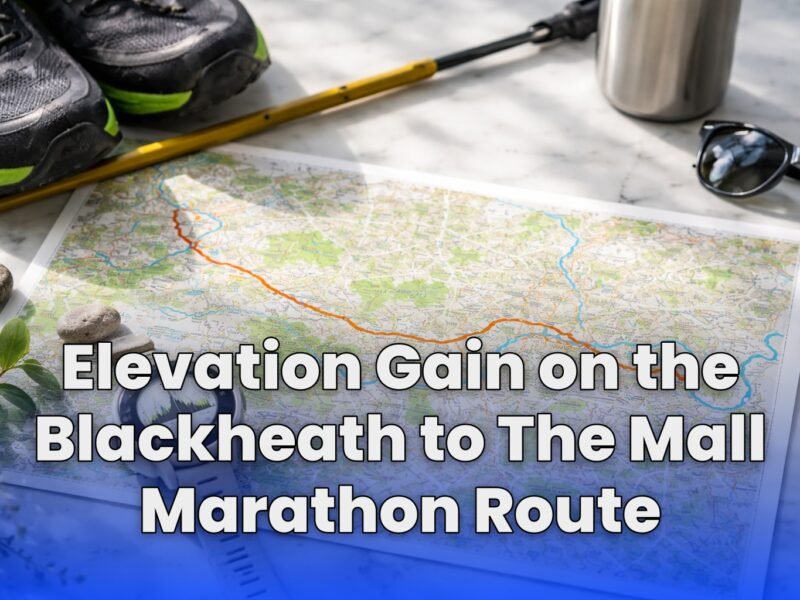
London Marathon elevation gain 2026 is expected to be fairly low, which is why this edition is often described as fast. The official course is largely flat on road, with total elevation gain reported in a consistent range of about 119 to 138 meters.
Even so, the route is not perfectly level. Elevation is roughly 2 meters up to about 55 meters above sea level, giving you a total spread of around 53 meters, with only scattered, modest undulations rather than long climbs.
For most runners, that profile means pacing is unlikely to be dramatically affected by elevation changes. The course runs from the Greenwich and Blackheath area through major landmarks like Tower Bridge and Canary Wharf, then finishes on The Mall near Buckingham Palace.
What the London Marathon Elevation Gain 2026 Really Means
The london marathon elevation gain 2026 is reported in a tight band, roughly 119 to 138 meters of total climbing across the whole distance. That number matters because elevation gain is one of the few route factors that can change how hard the same pace feels over time.
Here, the climb story is simple. The elevation runs from about 2 meters up to around 55 meters above sea level, so the overall vertical range is near 53 meters. Most runners will experience scattered undulations, not long, grinding rises.
How A Mostly Flat Course Impacts Pacing Decisions
When the road is largely flat and fast, your pacing problem shifts from “Where will the hills destroy me?” to “How do I avoid going out too hot?” On a course like this, the early miles can feel easier than the effort you will still need later.
Because there are no sustained climbs, many runners can lean on even-split or gently negative pacing. You still need discipline, since bridges, turns, and short grade changes can nudge your heart rate without looking dramatic on a profile.
A practical way to think about it is this: with limited elevation, pacing should track effort more than pace. If your legs feel springy and your breathing stays controlled, you can keep moving with confidence.
Typical Elevation Checks From Runner Experience
Even though the overall london marathon elevation gain 2026 stays relatively modest, you will still pass sections where the road tilts up or down for short stretches. The trick is to treat these moments as micro-adjustments, not as cues to change your whole plan.
Here is a simple way to sanity-check how those undulations usually show up during the race:
| Course Feature | Rough Elevation Change | Pacing Effect |
|---|---|---|
| Greenwich Start Area | 0 to 10 m | Settle and lock rhythm |
| Tower Bridge Approach | 5 to 15 m | Keep effort steady |
| Canary Wharf Sections | 0 to 8 m | Hold a smooth cadence |
| Big Ben Vicinity | 8 to 18 m | Watch for a brief push |
| The Mall Finish Build | 10 to 20 m | Save composure for the end |
Use this as a mental map, not a promise. Wind, crowding, and how you warm up can affect how those small changes feel more than the numbers on paper.
Choosing the Right Effort For Greenwich To The Mall
With elevation gain kept in that 119 to 138 meters range, your best leverage is pacing discipline across landmarks and road texture. The route begins in the Greenwich and Blackheath area and finishes on The Mall near Buckingham Palace, passing major sights like Tower Bridge, Canary Wharf, and Big Ben.
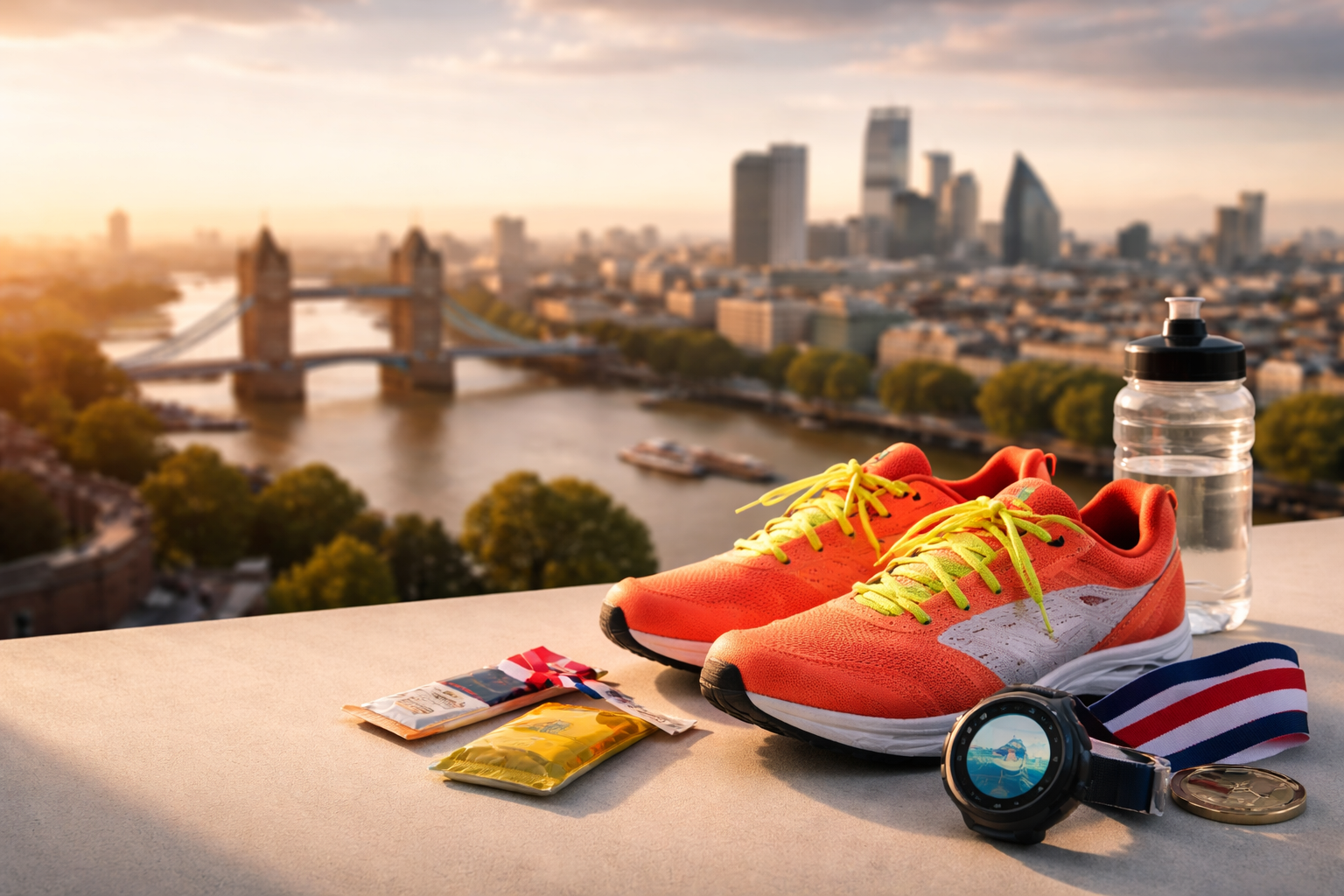
For planning, it helps to confirm where the official start areas and early navigation points sit, especially if you are traveling in and need a calm pre-race routine. You can cross-check details using event overview while you finalize your arrival time.
- Start slightly conservative, especially if you feel tempted to match faster runners early.
- Use landmarks to reset your focus, not to chase splits that jump with crowd energy.
- After the mid-race point, respond to fatigue by shortening stride a touch rather than forcing pace.
Gear And Strategy For Fast Road Running
A course that stays fast encourages efficient form, but it also magnifies small mistakes. If your shoe setup is too aggressive or your fit is off, you may notice discomfort sooner because the route rarely gives you long downhill recoveries or heavy climbs to “dilute” the strain.
For strategy, treat the race like controlled acceleration. Keep your warm-up complete, wear socks that feel settled by mile one, and practice drinking without changing your rhythm. Even on a low-elevation profile, dehydration and missed fueling can mimic the effects of real hills.
If you wear a watch, do not obsess over minute-to-minute pace. Look at trends every few kilometers, because stop-start crowds and turns can make pace swing even when elevation gain is minimal.
Training Adjustments For Minimal Climb Profiles
You do not need a full hill-rep obsession for this specific event. The london marathon elevation gain 2026 is modest, so the main training goal is steady marathon endurance that holds form when the easy parts stop feeling easy.
That said, you still benefit from some grade work. Short progressions on mild inclines build leg stiffness and confidence, and they help you practice staying relaxed when the road tilts. Even 6 to 10 repeat sessions of short, controlled hills can make your “undulation moments” feel familiar rather than surprising.
Focus your long runs on smooth effort. If you want one measurable cue, aim for finishing long runs with controlled breathing and a cadence you can repeat, not with a heroic push that breaks mechanics.
Common Mistakes When Elevation Feels Too Small To Matter
When elevation gain is relatively low, runners often treat it like a non-factor and skip pacing checks entirely. The problem is that other factors, like adrenaline, wind, and traffic density, still change your effort. On a fast course, that mismatch is where most pacing errors happen.
Another frequent mistake is ignoring how short grade changes affect your stride. A brief up-tilt can make you reach too long, which increases braking. A brief down-tilt can cause you to overstride, and both patterns waste energy even when the hill is not “serious.”
- Going out too fast because the route looks flat on your map
- Waiting to fuel until you feel “comfortable,” then realizing you lost time
- Changing shoes, socks, or drink routine on race day
Race Week And On Course Micro Planning
With london marathon elevation gain 2026 staying within a narrow band, the race week plan should prioritize recovery, logistics, and mental pacing. Your goal is to arrive rested and confident that you can handle the subtle tilts without panicking.
Think of micro planning as small actions that protect your rhythm. Set hydration cues, map your restroom timing, and decide how you will respond when the crowd lifts your speed for a few blocks. If you train your responses, you will spend less mental energy guessing.
- Rehearse your pre-race meals and fluids so your stomach feels predictable.
- Charge your device, but treat it as a guide rather than a ruler.
- Pick two or three simple landmark cues to “reset” your effort during the race.
Approach the finish on The Mall with the same calm discipline you used earlier. If you stay controlled through the undulations, the last stretch feels like the reward it is meant to be.
How Much Elevation Gain Will the London Marathon Have in 2026?
For the 2026 London Marathon, the london marathon elevation gain 2026 is expected to land in the familiar range of about 119 to 138 meters, with the route mostly flat and fast plus only small, scattered undulations. That means most runners can plan pacing around effort rather than steep climbs, even with the course lifting from near 2 meters to around 55 meters above sea level.

I am Ozan, a London-focused running writer and marathon enthusiast with a passion for helping people discover the city’s best races, running routes, walking trails, and fitness events. I research and write practical, up-to-date guides covering marathons, race preparation, training tips, running gear, and everything related to staying active in London.
My goal is to create reliable, easy-to-follow content that helps runners and walkers of all experience levels explore London with confidence, whether they’re preparing for their first 5K or their next marathon.