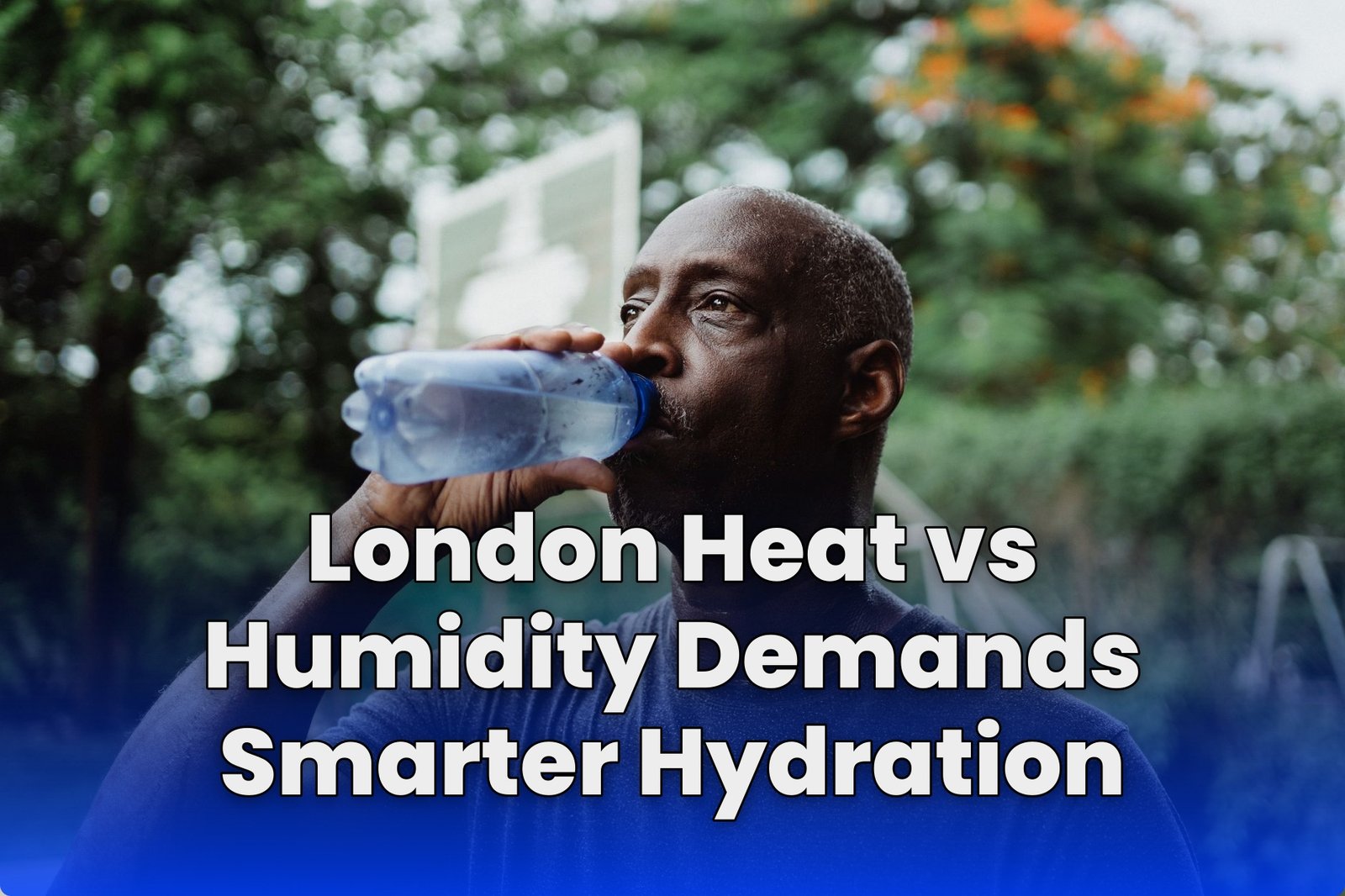
Most summer race hydration advice fails because it treats “heat” like it is one simple number. London summers can feel brutal even when the thermometer looks moderate, because humidity slows sweat evaporation and your body loses cooling power. That means your usual drink plan and your usual effort can suddenly become a recipe for overheating and late-race cramping.
So your hydration plan should react to the combination of heat and moisture, not just the day’s headline temperature. Start well hydrated before you even warm up, then drink during the race in a way that matches how much you actually sweat. If you are running longer than about an hour, electrolytes matter too, because replacing only plain water can leave you chasing thirst while sodium runs low.
The practical answer is to plan from your own sweat rate and then adjust upward for hotter and more humid conditions. Replace roughly 70 to 80 percent of what you lose, rehydrate after the race with extra fluid over the next few hours, and monitor urine color as a reality check. When you respect humidity, you race calmer, drink with intent, and protect performance instead of hoping for the best.
London Heat vs Humidity Means Your Thermometer Lies
If you plan hydration from the temperature alone, you are guessing in the dark. Heat index matters because humidity slows sweat evaporation, so cooling fails at the same thermometer reading. In practice, your body feels like it is working harder even when the air temperature looks familiar.
This is exactly why “it is only 24°C” often turns into “why do I feel cooked?” during summer races in London. The fix is simple: start with heat index, then choose fluid and electrolytes for that stress, not for your weather app’s number.
Stop Being Behind Thirst Pre Race
Hydration starts before the gun. The rule is not “drink until you feel good.” The rule is arrive already hydrated so you do not spend the first half paying a debt. Guidance from the ACSM suggests about 500 ml around 2 hours pre race for many runners.
But what if you hate waking up early to hydrate? Do you want your stomach in a panic state because you finally caught up at mile one? A small, timed drink beats frantic sips later.
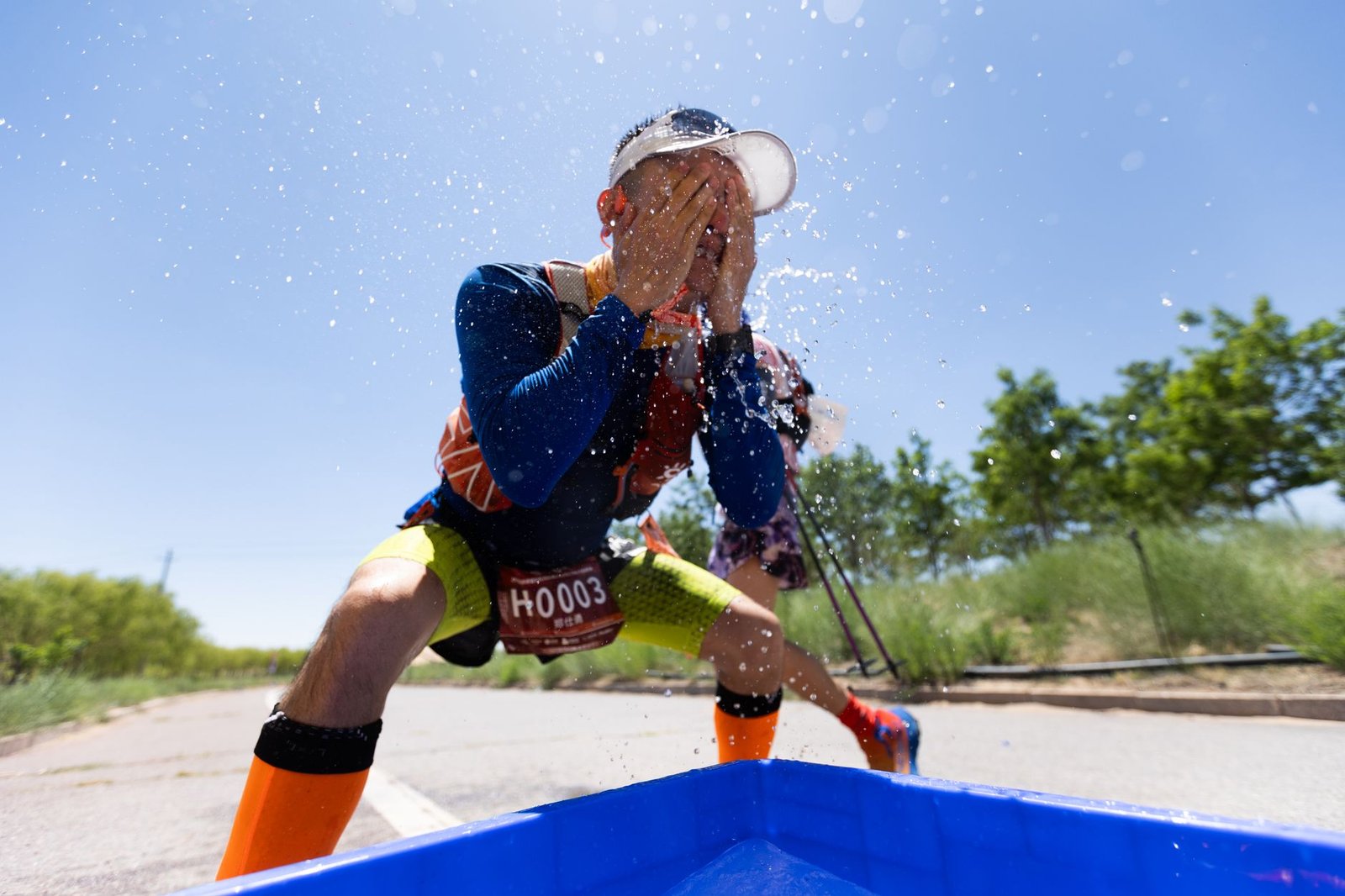
During the Race Sip to a Plan, Not a Mood
Once the race starts, thirst is late information. You need a schedule that matches how long you will be exposed, especially when London humidity makes sweat evaporation less efficient. A practical structure is to drink every 15 to 20 minutes with amounts that match race duration.
For example: <60 minutes take about 120 to 180 ml every 15 to 20 minutes, 60 to 90 minutes take 180 to 240 ml about every 15 minutes, and >90 minutes take 240 to 300 ml about every 15 minutes. Adjust those upward if heat index is higher than what you trained in.
Measure Your Sweat Rate Like a Pro, Not Like a Hope
“I think I sweat a lot” is not data. You need a sweat-rate estimate so your remote-like certainty is replaced by a real number. Run a controlled session in warm conditions, then weigh before and after a 60 minute run, adding back any fluid you consumed.
That one test tells you how many milliliters you lose per hour. Then you can set race targets that match your body, not someone else’s perfect TikTok plan.
Replace 70 to 80 Percent, Not Every Drop
Trying to replace 100 percent of sweat loss sounds responsible, but it often backfires. If you overdrink in humidity, you increase the risk of stomach distress and dilute blood sodium. A better goal is to replace about 70 to 80 percent of sweat loss during the run.
In heat, the smartest hydration goal is controlled replacement, not total recovery.
This approach protects your pacing and keeps your stomach calm while still limiting the dehydration slide that costs performance.
Heat Index Should Change Your Fluid Target Immediately
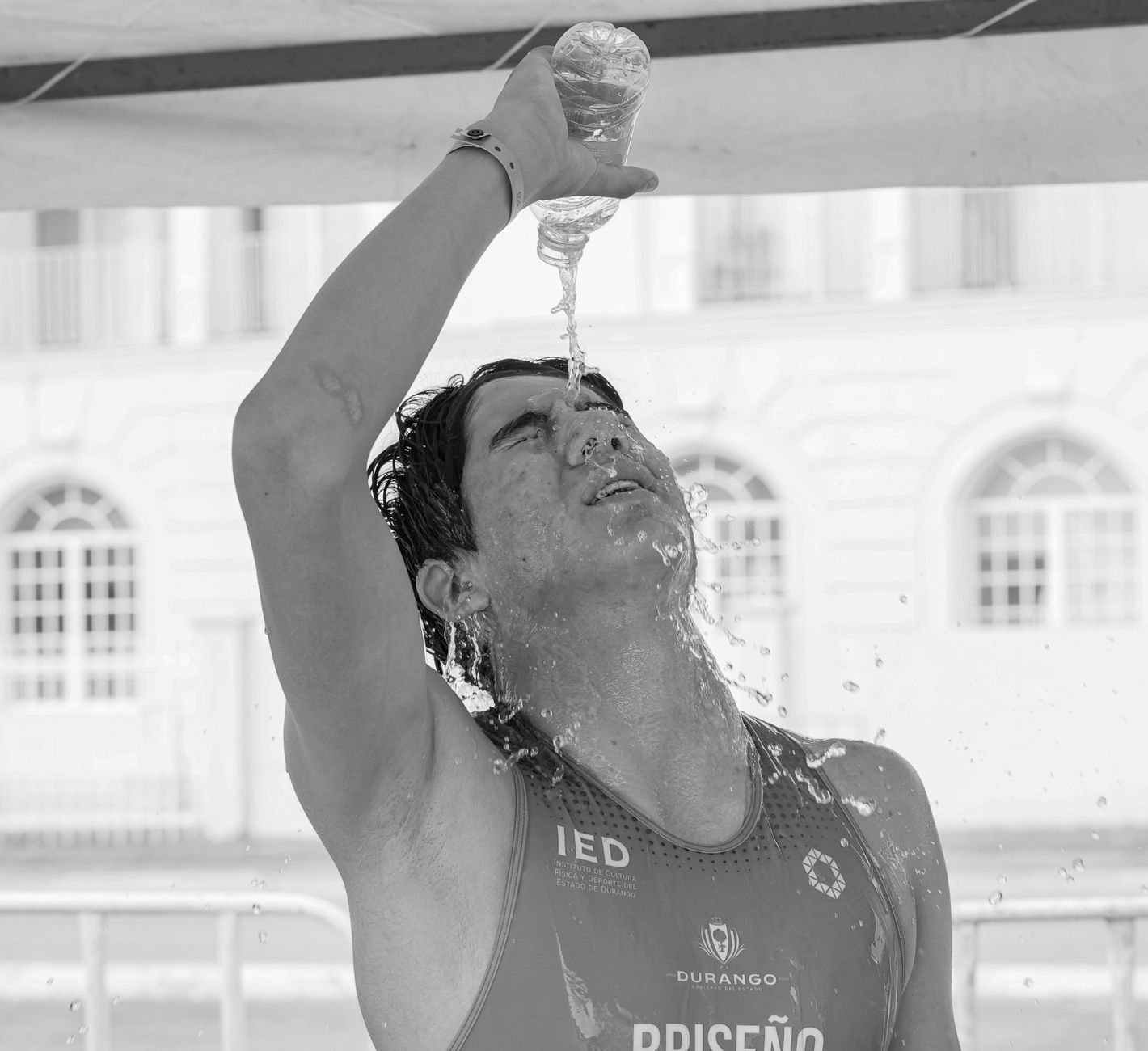
When London’s humidity pushes the heat index up, you need to drink more than you trained for. One practical rule of thumb is to add about 25 to 40 percent to your sweat-rate based fluid target for every 10°C above your training temperature.
For practical heat guidance, heat hydration rules also emphasize pacing and replacement goals that match the day’s stress. You are not overreacting. You are correcting the plan.
| Heat Index Range | Fluid Replacement Goal | Sodium Focus |
|---|---|---|
| 80 to 89°F | 70 to 75% | Include early |
| 90 to 99°F | 75 to 80% | 0.5 to 0.7 g per L |
| 100 to 109°F | 80% | Electrolytes each hour |
| 110°F and up | 80% with caution | Prioritize sodium over volume |
| Humid spikes | Trim pace first | Reduce plain water use |
Yes, this means your race-day plan will differ from your training-day plan. That is the point. A hydration plan that ignores humidity is a plan for the wrong weather.
Electrolytes Are Not Optional After 60 Minutes
Once you are running longer than about 60 minutes, sodium becomes part of the strategy. Especially in humid air, sweat loss increases and sodium loss follows. A common target during exercise is about 0.5 to 0.7 g of sodium per liter, which often lands around 200 to 700 mg sodium per hour depending on how much fluid you take.
What is the alternative? Plain water without sodium forces your body to manage electrolyte balance while you keep sweating. That management costs energy and invites cramping and nausea for some runners.
Run by Effort Because Performance Drops Above 18°C
Hydration and pacing are inseparable in heat. Your performance usually declines once temperatures reach around 18°C+, and humidity can make that threshold feel earlier. If you chase your usual paces, you will end up drinking more while feeling worse.
So adjust by effort and heart rate, not by the clock. Start slightly slower, then look for rhythm once you settle into the heat load.
Plan for Humidity Over 60 Percent and Heat Index Over 90°F
When humidity is above 60% or heat index passes about 90°F, you need a sharper decision rule. Do you keep the same intensity because your training was solid? Or do you respect that your cooling system is compromised right now?
In those conditions, consider reducing intensity, postponing if possible, or staying indoors if your health is at stake. If you do race, treat hydration as part of a whole strategy: pacing down first, then drinking, then electrolytes.
Choose Cooler Hours and Smarter Exposure
You cannot hydrate your way out of direct sun. In London summer, the easiest performance upgrade is timing. Run in the early morning or evening to reduce heat load, and limit direct solar exposure.
Hydration plan or not, sun changes how you feel within minutes. Cooler start times also help your stomach process fluid, which matters for hitting your intake targets.
Wear Gear That Helps Sweat Evaporate
Clothing is a hydration multiplier. Loose, breathable options and a cap can reduce direct heat hitting your skin. When sweat evaporates a bit better, your cooling improves, so you do not need to chase the same fluid targets as aggressively.
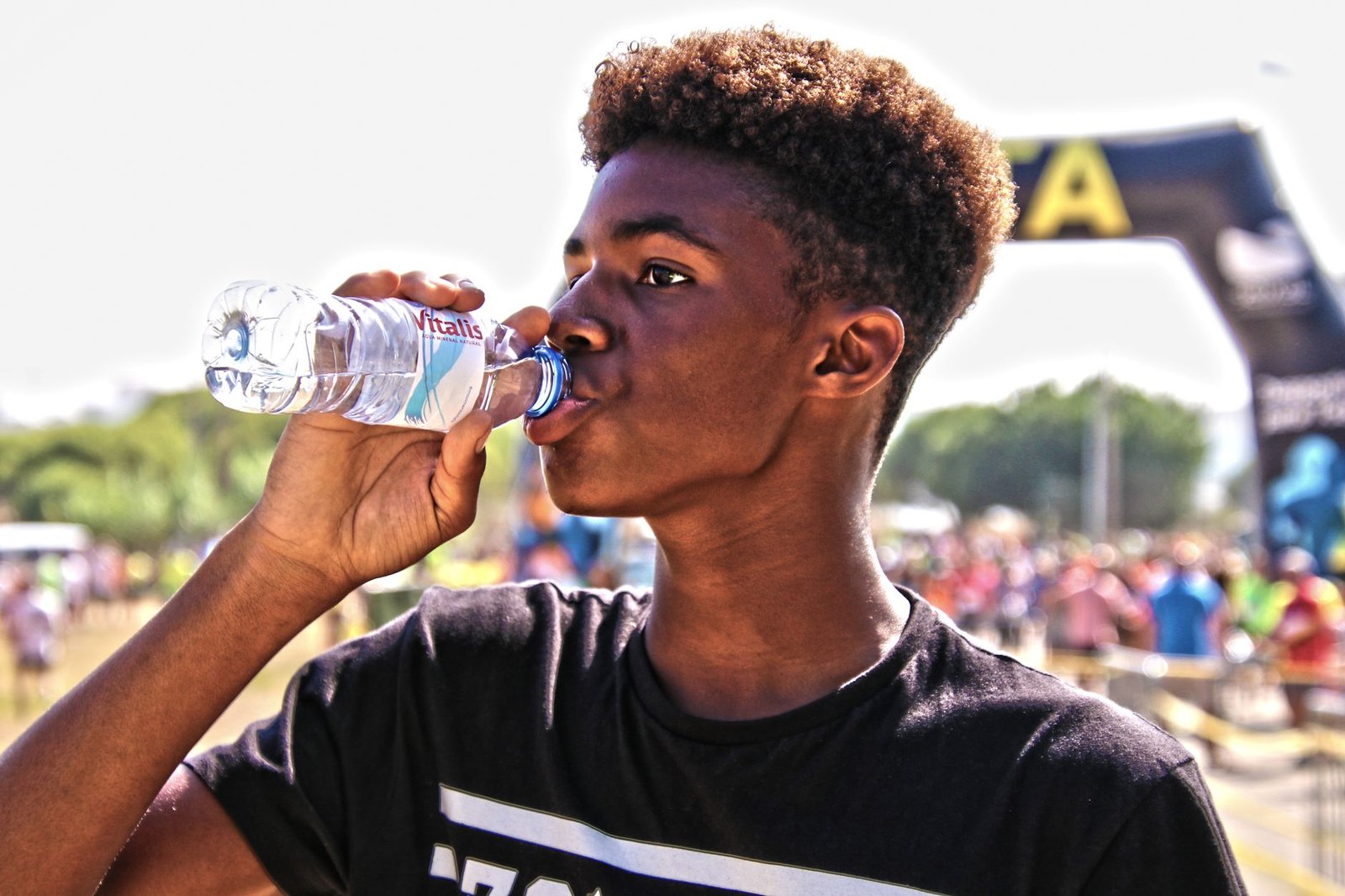
But isn’t that just comfort? Comfort affects hydration consistency. If your head is overheated or your shirt is soaked and clinging, you drink less reliably and you start the race already behind.
Post Race Rehydrate With a Real Replacement Target
Race day does not end at the finish line. Rehydration should aim to restore more than what you lost during the run. A practical target is about 150 percent of fluid lost within 2 to 4 hours.
For example, if you lose one pound, rehydrate with about 24 oz or around 700 ml of fluid. Include sodium in that recovery so your body can retain water instead of peeing it out immediately.
Use Urine Color to Fine Tune, Not as a Daily Guess
Your urine color is feedback, not decoration. Aim for pale yellow as a useful marker during and after recovery. If you are consistently coming in darker than that, your hydration plan needs adjustment for next time, especially if London humidity spikes.
Do not chase perfect metrics. Chase repeatable ones: heat index based fluid targets, sweat-rate calibration, and a sodium plan that matches your sweat. That is how you turn a stressful summer race into a controlled process.
London Heat Vs Humidity: How To Adjust Your Hydration Plan for Summer Races
How Do London Heat and Humidity Change Hydration Needs During Summer Races?
In humid air sweat evaporates less effectively, so cooling is slower and the same thermometer reading can feel harder, meaning you need to start hydrated early and drink more steadily based on heat index and how fast you sweat.
How Should You Hydrate Before a London Summer Race?
Be well hydrated before you run by drinking about 500 ml (about one pint) around 2 hours pre-race, then take small sips if you feel thirsty while keeping your urine light yellow.
How Much Water Should You Drink During a Summer Race in Humid Weather?
During the run, aim for about 300 to 800 ml per hour depending on conditions, and for a time-based plan take roughly 120 to 180 ml every 15 to 20 minutes for runs under 60 minutes, 180 to 240 ml every 15 minutes for 60 to 90 minutes, and 240 to 300 ml every 15 minutes for over 90 minutes.
When Should You Add Electrolytes and Sodium for London Heat?
Add sodium especially once you are running longer than about 60 minutes, using around 0.5 to 0.7 g sodium per liter (often about 200 to 700 mg sodium per hour), and match it to how much fluid you take in.
How Can You Calculate Your Sweat Rate to Set a Personalized Hydration Plan?
Measure sweat rate in training by weighing before and after a 60-minute run, adding back any fluid you drank, then increase your race fluid target and aim to replace about 70 to 80 percent of sweat loss rather than 100 percent.
How Do You Adjust Pacing and Hydration If Heat Index or Humidity Is Very High?
If humidity is over about 60 percent or the heat index is above roughly 90°F, reduce intensity, run by effort and heart rate, use cooler hours and less sun, and consider postponing or staying indoors if you feel overheated.
Heat Index Over Guesswork
When you frame race-day decisions around london heat vs humidity: how to adjust your hydration plan for summer races, you stop chasing thirst and start planning for reduced sweat evaporation. Get ahead of it before the start, drink during the run based on your sweat rate, add sodium as the hours stretch, and rehydrate soon after so your body can recover without lag. In London’s sticky conditions, pacing by effort and cooling breaks matter as much as ounces and grams. Hydrate with intent, not hope, and you will feel in control even when the air fights back.

I am Ozan, a London-focused running writer and marathon enthusiast with a passion for helping people discover the city’s best races, running routes, walking trails, and fitness events. I research and write practical, up-to-date guides covering marathons, race preparation, training tips, running gear, and everything related to staying active in London.
My goal is to create reliable, easy-to-follow content that helps runners and walkers of all experience levels explore London with confidence, whether they’re preparing for their first 5K or their next marathon.