Minimal packing beats panic packing. The question behind what to pack for a london club race: the minimal kit that still covers emergencies is simple, and my answer is clear: you do not need a huge bag to stay safe. You need a tight kit that covers the emergencies you are most likely to face, from sudden weather to the small failures that derail a strong finish.
London club races can change fast, and most “emergencies” start as basics gone wrong. Bring a weather-ready layer plus an ultralight umbrella, because rain and wind can sap pace just as quickly as cramps. Wear breathable trainers you already trust, and pack hydration support like tablets and one tested energy option so your body does not gamble when the route gets tough.
For the rest, think of your kit as emergency-proofing your body and your day. Include ID and a charged phone, plus a power bank if you plan to use your phone during the race, along with contactless payment or cash. Add comfort and hygiene backups like hand sanitizer or wipes, and bring race-friendly extras for facilities if that is relevant for your route. If the forecast looks sunny, add high protection sunscreen, and throw in a small towel for sweat control and grip.
Minimal Kit Means Fewer Surprises
If you want remote work productivity in your running life, you need the same mindset: remove friction, reduce uncertainty, and measure what matters. That is why this guide focuses on what to pack for a London club race: the minimal kit that still covers emergencies. Not everything. Not everything you own. Just the smallest set that keeps you moving when plans break.
Do you pack for worst case scenarios, or do you pack for a clean run with perfect weather, perfect facilities, and perfect timing? London club races are rarely chaotic, but they can be irritating. A minimal kit protects your momentum so you finish with control, not improvisation.
Weather Protection Is the Nonnegotiable Layer
London can switch moods mid-lap. Your minimal emergency weather plan needs a small waterproof or water-resistant layer that fits your kit bag or waistband, plus an ultralight packable umbrella you can actually carry. Add sunglasses because glare is just another kind of delay.
Is it overkill to pack for rain and shine? Consider the alternative. Chasing a windy, wet finish in borrowed layers costs time, comfort, and sometimes skin. Keep it tiny. Keep it ready.
Your Tested Trainers Are the Ultimate Emergency Plan
For a minimal kit, footwear is the first decision. Bring well-worn trainers with good laces and a dependable sole. You are not shopping for confidence. You are preventing blisters and leaks by using shoes you already proved on training days.
Nothing ruins a club race like a preventable foot problem. If your trainers are broken in, you reduce risk across every variable: stride control, grip, and comfort when the course feels crowded or slightly uneven.
Power, Heart Rate, and Watch Settings Matter
Electronics are part of running physiology. A charged watch and the charger you actually need belong in the kit. If you use heart-rate data, bring a heart-rate strap with fresh batteries so your metrics are real, not corrupted.
Set up before you leave home. Confirm your watch is charged, confirm sensors connect, and confirm the watch settings match how you track. Would you start a workout without knowing your tempo display? Then do not start a race without checking your gear.
Fuel That You Tested Beats Inspiration
Minimal kits fail when they include guesswork. Carry hydration tablets and take them on race morning, not “sometime later.” Pack an energy gel you have already tested during training so you know your stomach agrees with your plan.
Why does this matter for emergencies? Because the last twenty minutes of a run turns uncertainty into pain. When fuel choices are familiar, you can respond to hills, pace changes, or unexpected wind without panicking about your gut.
The Essentials That Keep a London Club Race From Turning
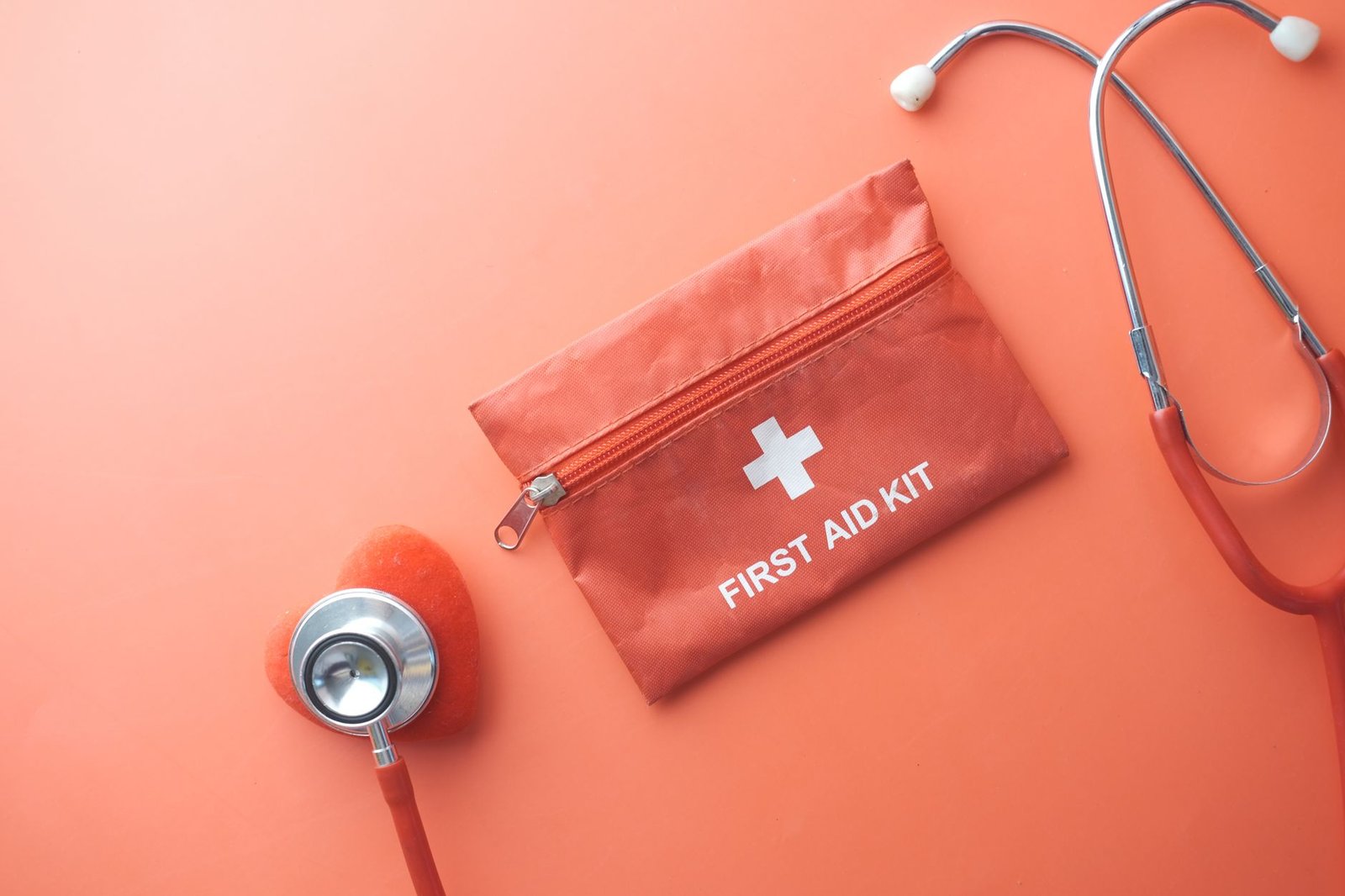
Emergencies are rarely dramatic. They are small breaks in access: identity, payment, hygiene, and basic facility needs. This is where your minimal kit earns its keep. Bring ID, a charged phone and a power bank if you will use it during the race, plus cash or contactless payment. Add hygiene and comfort backups like baby wipes and hand sanitizer.
| Possible Issue | Minimal Fix | Target Amount |
|---|---|---|
| Phone dead mid race | Power bank | 1 full backup charge |
| Rain or splash | Water-resistant layer | Packs small enough to carry |
| Sun glare or heat | SPF 50+ (if sunny) | Applied before start |
| Bathroom mess | Baby wipes | 1 pocket pack |
| Facility access | Spare toilet roll (if needed) | 1 roll |
Do not romanticize improvisation. If facilities are crowded, if signage is unclear, or if you are delayed by weather, your essentials turn inconvenience into manageable inconvenience.
Hygiene Backups Protect More Than Dignity
Some runners pack hygiene because they care about comfort. That is true. But it is also about function. Baby wipes fix sweat, grime, and post-toilet mess fast. Hand sanitizer reduces the urge to touch your face when you are hot, tired, and surrounded by people.
What is the point of chasing pace if you cannot stay comfortable? Comfort is not softness. It is performance stability, especially when the race runs longer than you planned or the weather turns muggy.
SPF 50 Plus Prevents a Painful Distraction
If conditions might be sunny, pack SPF 50+. Sunscreen is not just for skin tone. It prevents the kind of sunburn that makes a cooldown feel like punishment and makes the next day feel worse than the race.
Apply before you start, not after you notice the burn. When you handle sun early, you keep your attention on breathing and form, not on irritation that steals focus.
Hydration Tablets Win When Water Is Unpredictable
London club races often have decent water stations, but the experience can still vary with crowding, course layout, and weather. Hydration tablets taken on race morning give you a steady baseline so you are not starting in a small deficit.
Are you guessing your hydration strategy because the course “usually” provides water? Minimal kits remove that guesswork. Your body likes plans it can trust, especially when you are racing your own consistency.
Sweat Control and Grip Keep Form From Slipping
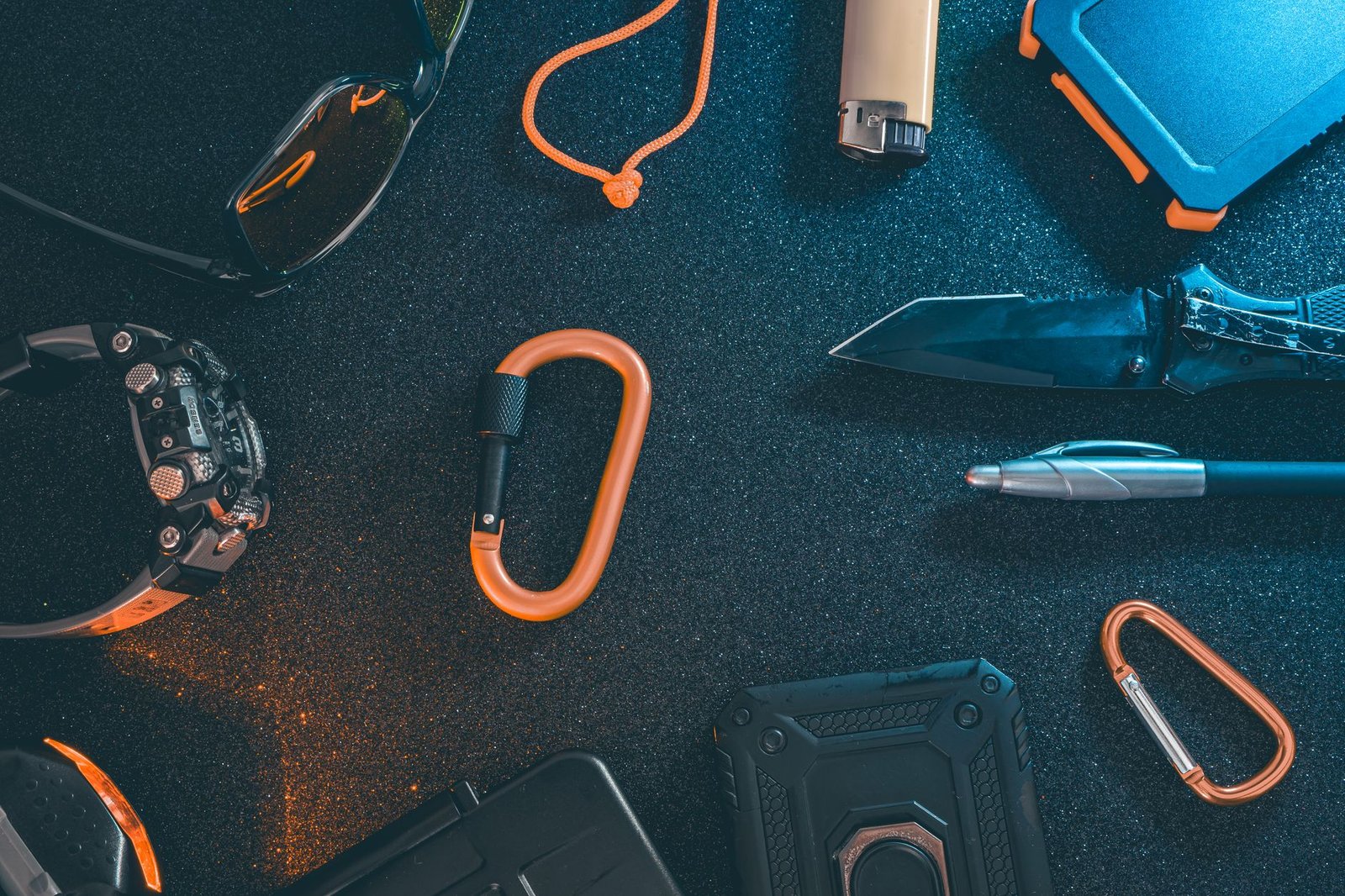
If you tend to sweat heavily or struggle with grip when conditions change, pack a small towel. Sweat management supports your hands on bottle caps, helps you wipe irritation away quickly, and improves overall comfort at key moments.
Some people also use gloves for grip and protection. If that helps you, include them. Minimal does not mean stubborn. It means choosing the items that keep your technique stable when the surface feels unpredictable.
Chargers Are Part of Training, Too
A charged watch sounds basic until race day proves otherwise. Put your charger in your kit like you put fuel in your plan. If your watch battery drops during warm-up or the signal fails, you lose data and confidence at the exact moment you need both.
Also consider the power bank only if you truly use it during the race. Minimal kits should match your behavior. When you carry chargers you need and skip ones you do not, your pack stays light and your decisions stay clear.
Your Minimal Kit Needs a Pre Race Rehearsal
The minimal kit works only if you rehearse it. Lay everything out the night before and confirm it fits your reality: you can carry it, you know where it is, and you have practiced using it. Your gel should be familiar. Your hydration routine should be routine. Your umbrella should open without comedy.
Use a race packing list style checklist if it helps you spot gaps, then tailor it to your body and your habits. Rehearsal turns a minimal kit from theory into a system that keeps emergencies small and your finish strong.
What to Pack for a London Club Race: The Minimal Kit That Covers Emergencies
What to Pack for a London Club Race With the Smallest Emergency Kit?
Pack weather protection, your tested race essentials, emergency basics like ID and payment, and a small hygiene and comfort backup so you can handle common problems without carrying extra weight.
How Do You Build Weather Protection for a London Club Race With Minimal Gear?
Bring a small waterproof or water-resistant layer plus an ultralight packable umbrella, and add sunglasses for glare since London weather can shift quickly during club races.
Which Race Essentials Should You Include for Pacing, Hydration, and Reliable Timing?
Use well-worn trainers with good laces and a sole you trust, wear the kit you trained in, and carry a charged watch with a charger, a heart-rate strap with fresh batteries, hydration tablets taken on race morning, and an energy gel you have already tested.
What Get-Through-It Items Help If Something Goes Wrong During the Race?
Carry ID, a charged phone plus a power bank if you use it during the race, and cash or contactless payment, and include practical backups like baby wipes and hand sanitizer in case you need to clean up quickly.
What Heat or Rash Prevention Item Should You Add for Sunny London Race Days?
If it might be sunny, add SPF 50+ so you can reduce skin irritation during the run, especially on exposed areas like shoulders, legs, and the top of your feet.
What Hygiene and Comfort Extras Keep You Comfortable in the Final Miles?
Bring a small towel for sweat control and grip, and pack any personal necessities for facilities if relevant, such as spare toilet roll for your own setup.
Pack Only What You Need To Finish Safely
What to pack for a london club race: the minimal kit that still covers emergencies comes down to weather protection you can trust, race essentials you already tested, and a few get-through-it backups for hygiene and facilities. If your kit covers rain, sun, blisters, hydration, power, and basic payment or ID, you can race with confidence instead of improvising under stress.

I am Ozan, a London-focused running writer and marathon enthusiast with a passion for helping people discover the city’s best races, running routes, walking trails, and fitness events. I research and write practical, up-to-date guides covering marathons, race preparation, training tips, running gear, and everything related to staying active in London.
My goal is to create reliable, easy-to-follow content that helps runners and walkers of all experience levels explore London with confidence, whether they’re preparing for their first 5K or their next marathon.