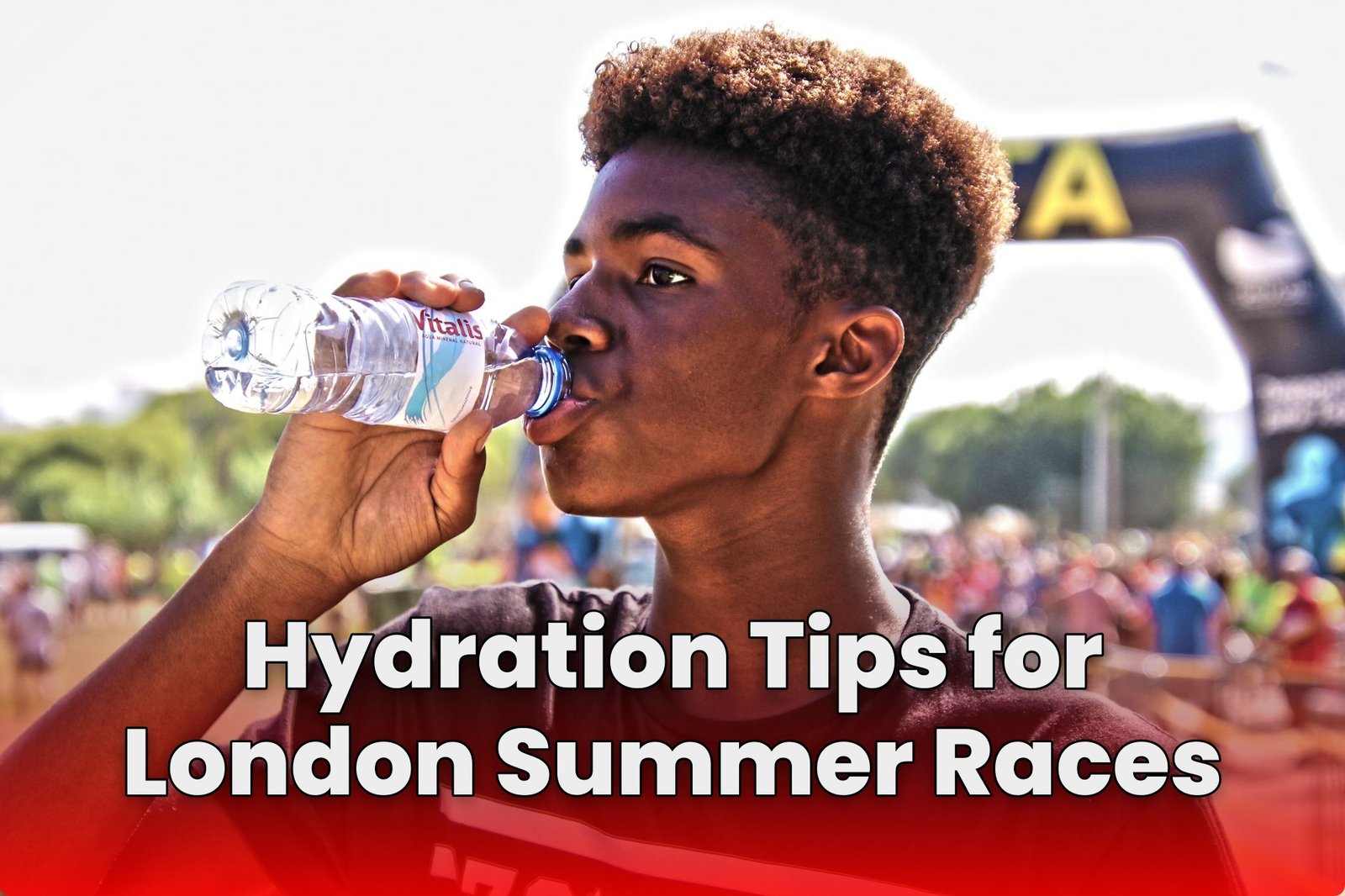
Heat does not forgive guesswork. If you treat hydration like something you handle when you feel thirsty, you will usually end up too low on fluids, too low on sodium, or too high on water, all of which can quietly drain your speed. London summer races are the kind of conditions where “I’ll just drink later” turns into faster heart rate, earlier fatigue, and a race that feels harder than it should.
The most reliable approach starts before the gun goes off: begin well hydrated, then plan your intake around time and sweat. For longer efforts, electrolytes matter because sweat losses are not just water, they are salts, especially sodium, and even small dehydration levels can hurt performance. During the race, sip regularly rather than waiting for thirst, and aim for a practical sodium target roughly in the 700 to 900 mg per 1,000 ml fluid range, adjusting for how hot it is and how long you will be out there.
Then finish with the other half of the job: cooling and recovery. Keep your core temperature down with smart cooling options and by not over-drinking, because too much plain fluid can be risky as well. Afterward, rehydrate with both fluids and electrolytes, using how much weight you lost as a guide, so you actually replace what you sweated out instead of hoping your body can “catch up” on its own.
Hydration Starts the Night Before
For London summer races, your best hydration advantage is timing, not heroics. Start by being well hydrated before you leave for the start line. If you begin even slightly dehydrated, you start the race with less plasma volume, which can raise heart rate and make fatigue arrive earlier.
These hydration tips for London summer races: timing, electrolytes, and cooling all share one truth. The body adapts to whatever you do early, and late fixes rarely catch up in time.
So what should you do if your effort is short? For races under 2 hours, you often do not need electrolyte-heavy preparations. For longer efforts, focus on being hydrated and consider electrolyte-loaded drinks in the 24 hours beforehand, especially when forecasts call for heat and humidity.
Water Alone Fails When Sodium Drops
Hydration is not just about volume. If you drink water while your sodium intake stays low, your blood sodium concentration can fall, and performance can suffer even if your scale weight looks fine.
Even modest dehydration matters. A loss of about 2% body weight can impair exercise performance because it reduces plasma volume, increases cardiovascular strain, and accelerates perceived effort.
That is why a practical sodium target for longer sessions is roughly 700–900 mg sodium per 1,000 ml fluid. If you use a 500 ml bottle, that is about 350–450 mg sodium per bottle during sustained racing.
Weigh Yourself to Stop Guessing Sweat
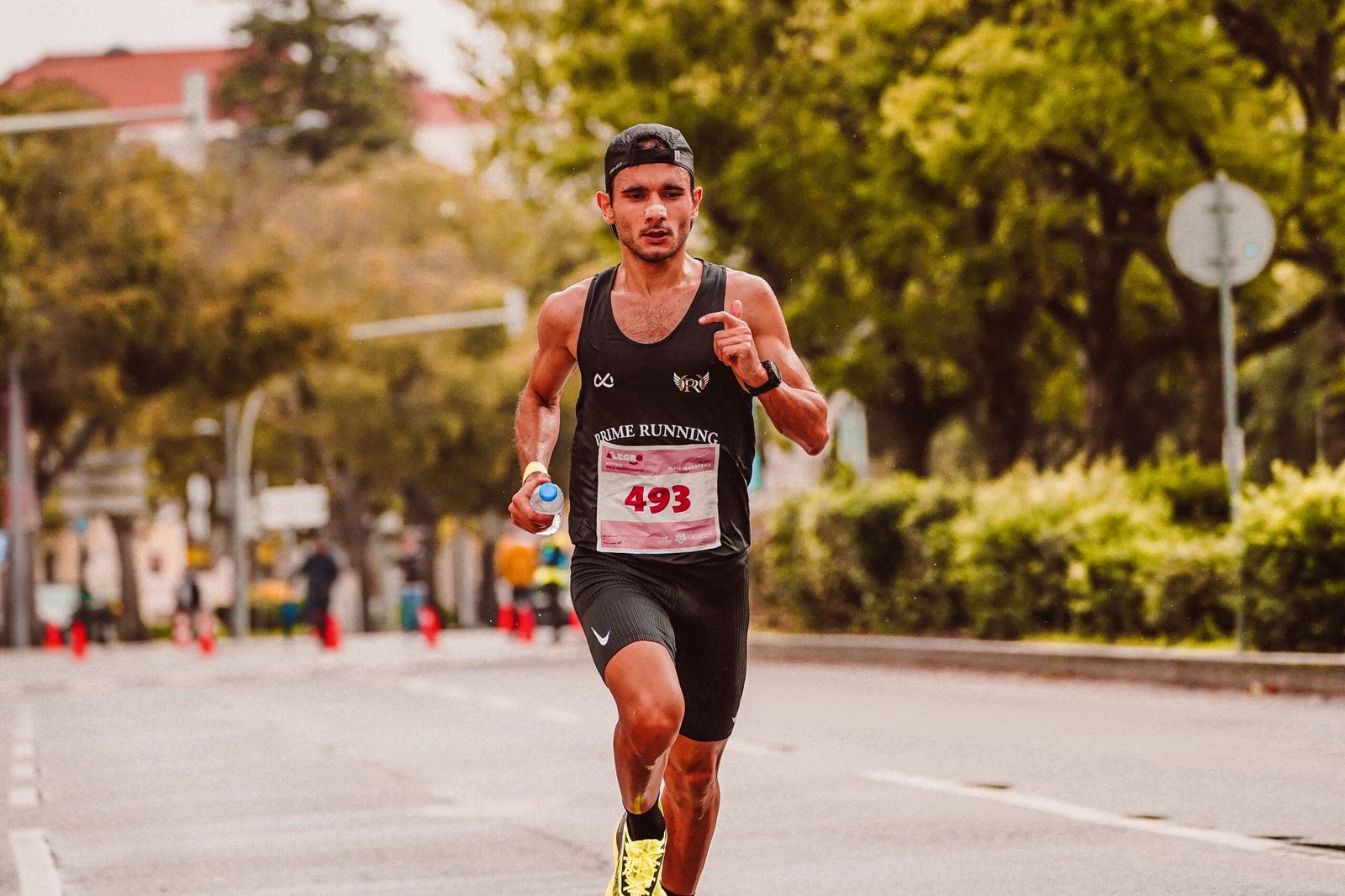
“Drink until you feel thirsty” sounds sensible, but it is slow and unreliable in heat. A better approach is to estimate your sweat rate, because sweat determines both how much fluid you need and how much sodium you must replace.
Most runners sweat somewhere around 400 to 2,400 ml per hour, with many landing near an average of about 1,200 ml per hour. You do not need a lab test to get useful numbers. You need a body-weight check before and after a training effort.
Weigh before (dry), run for a representative duration, and weigh again after. Account for any fluid you drank during the session. The difference, plus fluid intake, estimates sweat losses and helps you plan race-day targets with less guesswork.
Drink by Rate, Not by Thirst
Over-drinking is as dangerous as under-drinking. In warm conditions, it is easy to keep sipping because it feels safe, while your body is actually struggling to handle excess volume.
Many guidelines suggest faster runners may need up to about 1 liter per hour on warm days, while slower runners should not exceed about 500 ml per hour. If you consistently gulp large volumes before or during the race, you raise the risk of hyponatremia, sometimes called water intoxication.
The fix is simple. Choose a drinking rate you can sustain, then take small, regular sips that match that rate instead of chasing thirst signals.
Cooling Saves Your Core Temperature
Hydration supports cooling, but cooling is its own performance lever. In London’s summer conditions, the goal is to keep core temperature from climbing too fast, because overheating drives higher heart rate and earlier fatigue.
Cooling strategies include using water to reduce skin temperature, finding shade when available, and wearing fabrics that support heat management. If you dump water on your head, let it do work on your skin and airflow, not just disappear.
Ask yourself: if you are drinking and still feeling cooked, is the problem fluids alone, or is your body losing the heat battle faster than you can replace it?
A Sip Plan Turns Heat into Manageable Work
Waiting for thirst is the classic mistake. By the time thirst arrives, you may already be behind on both fluid and electrolytes, and performance will feel harder than it should.
Instead, create a schedule you can follow. Sip regularly at aid stations or with your carried bottle, aiming to maintain your target rate throughout the event. This is also where electrolyte planning matters, because sodium replacement is tied to the amount of fluid you take in.
For a quick refresher on how to balance fluids and sodium, electrolyte recommendations can help you sanity-check your plan against real-world endurance needs.
Does your race-day kit match your race-day math, or are you hoping your body “will figure it out” mid-heat?
Bottle Math and Sodium Targets You Can Use
Your race plan lives or dies on concentration. If your drink is too dilute, you may rehydrate without replacing enough sodium. If it is too concentrated, you risk stomach discomfort and reduced intake.
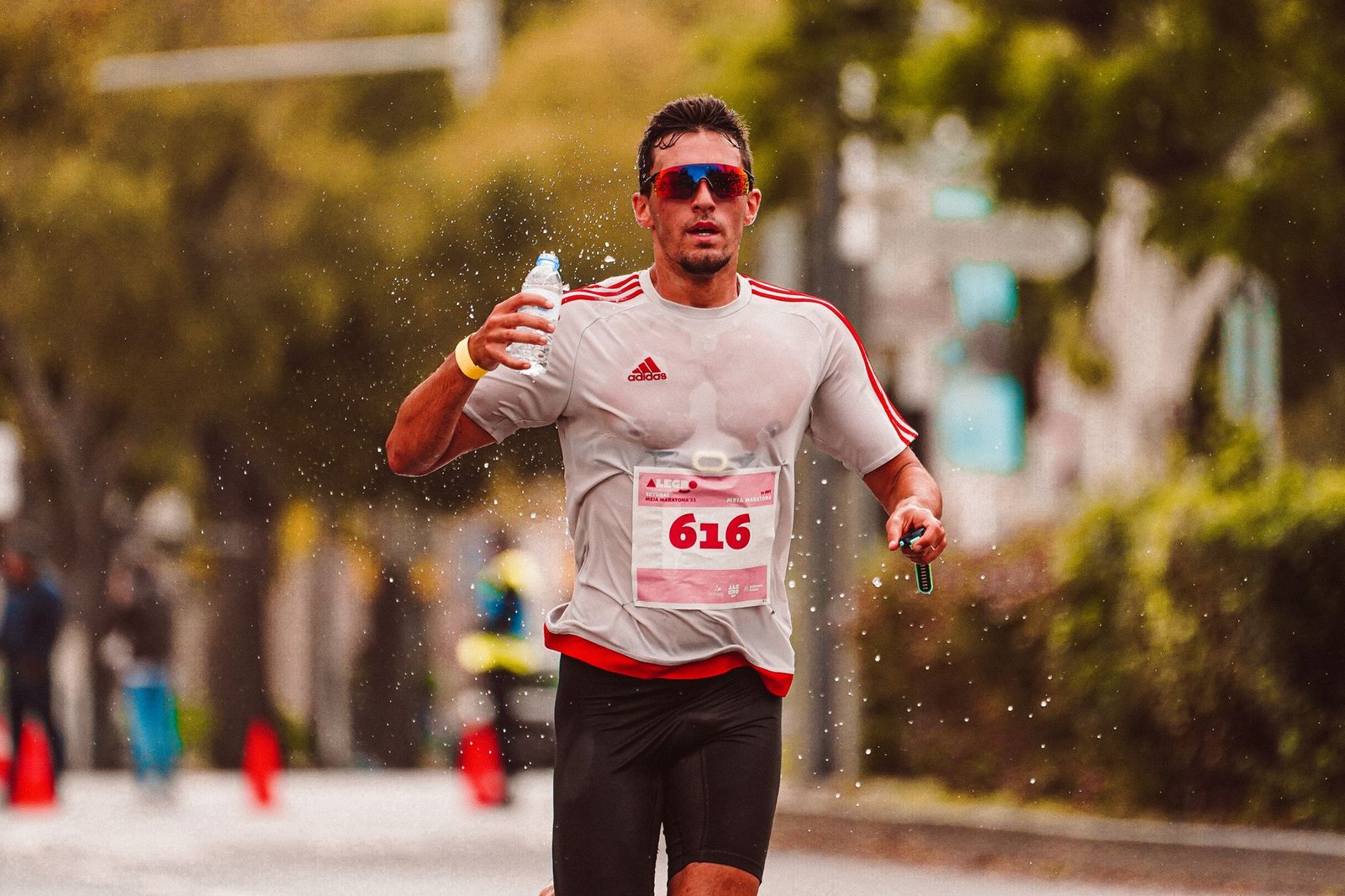
Use the targets below to translate the guidance into numbers you can apply at the checkout counter and in your mixing routine. Here is a quick reference for planning.
| Effort Length | Fluid Target (ml per hour) | Sodium Target (mg per liter) |
|---|---|---|
| Under 2 hours | 300–500 | 0–200 |
| 2 to 3 hours | 400–600 | 600–800 |
| 3 to 5 hours | 500–700 | 700–900 |
| 5+ hours | 600–1000 | 900–1100 |
| Extra-heat day | Adjust 10–20% | Stay 700–900+ |
When you convert sodium to bottles, remember the common rule of thumb: around 700–900 mg sodium per 1,000 ml. A 500 ml bottle then lands near 350–450 mg sodium for longer sessions, and you adjust upward for marathon-length efforts where needs typically rise.
Training Runs Are Your Real Hydration Rehearsal
If you have never tested your hydration setup, you are not training. You are gambling. Race day is too hot for surprises, especially when your body must coordinate fluid, sodium, and cooling under stress.
On long training runs, practice your exact schedule: when you drink, how much you sip, and what concentration you carry. You want to confirm that your stomach tolerates it and that your energy level stays stable.
- Test your bottle plan before race week, not during it.
- Practice cooling tactics too, because water on skin changes how you feel within minutes.
“But my race pace will be faster” is not a plan. The best hydration strategy is the one your body has already accepted.
Avoid Over-Drinking and Hyponatremia Risk
Hydration myths die hard. The loudest one says you should drink as much as possible to prevent dehydration. In reality, too much fluid can dilute sodium and create hyponatremia, which can be seriously dangerous.
That is why drinking rate matters more than total volume. Many runners benefit from respecting ceilings like ~1,000 ml per hour for faster athletes and no more than ~500 ml per hour for slower runners, then adjusting based on heat and sweat evidence.
Also watch how your intake changes around stops. If you arrive at an aid station and immediately dump in large amounts, you may overshoot your limit even if the effort is “just another sip.”
Replace What You Lose After the Finish
Recovery hydration is part of performance, not a formality. After longer runs, aim to replace both fluid and electrolytes quickly enough to restore balance and support next-day readiness.
A common rule is to drink about 1.5 liters for every 1 kg of body weight lost. This approach makes your recovery proportional to what actually happened in the heat.
For rehydration that includes electrolytes, options like milk can be useful because it provides carbs, protein, and sodium in a practical mix. Your goal is to reduce the “catch-up debt” that dehydration leaves behind.
Recovery Fuel Means More Than Just Water
Rehydration works best when it is paired with recovery nutrition. If you drink fluids but skip carbs and protein, you slow muscle repair and prolong fatigue, which makes your next training session feel harder than it should.
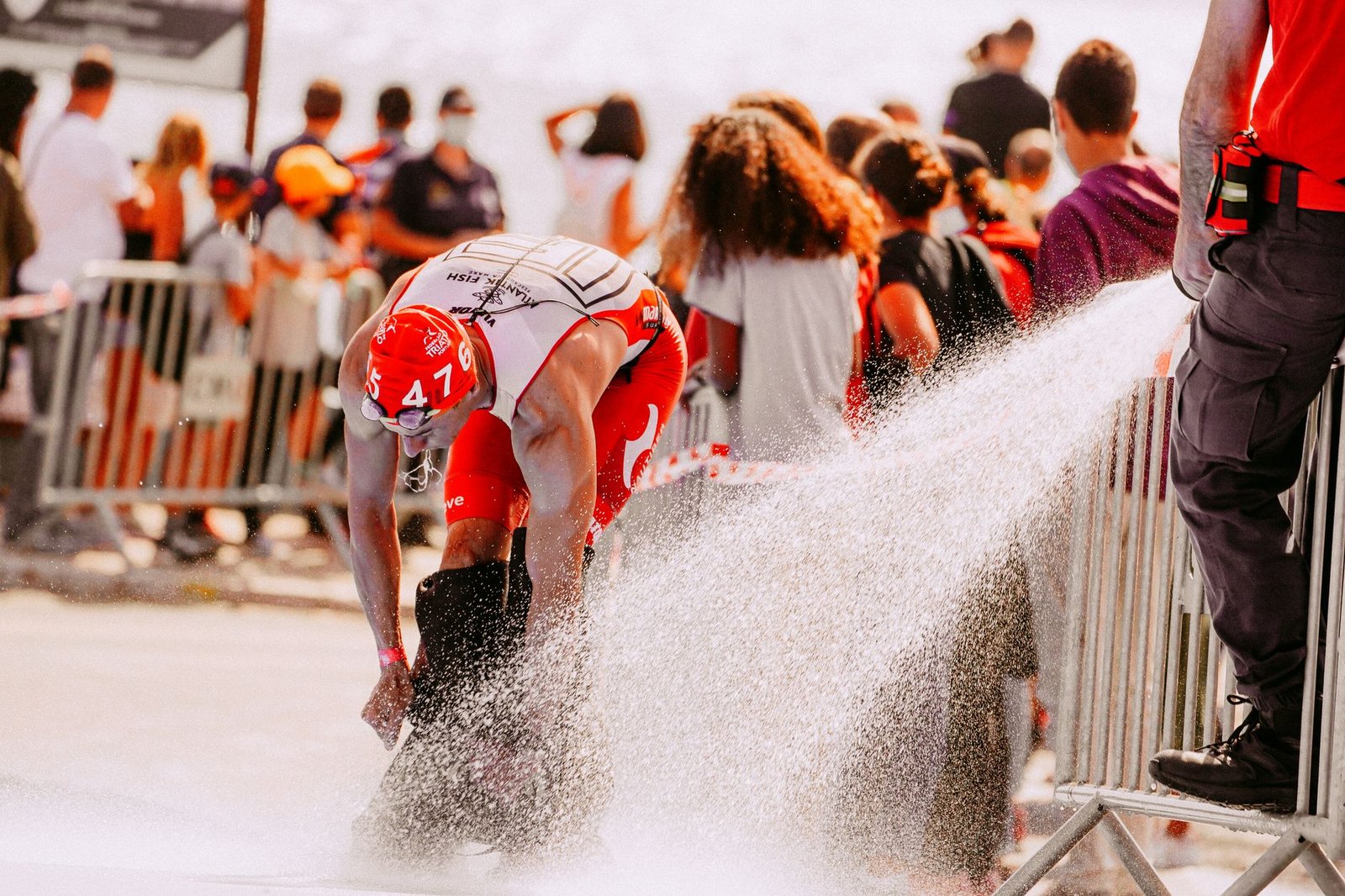
Milk is one example, but you can also build your recovery around the same principles. Include carbohydrates to replenish glycogen, protein to support repair, and electrolytes to restore balance after sweating.
In London summer races, your body often looks fine on the outside while you are still paying physiological costs on the inside. Why wait until tomorrow to fix what the race caused today?
Urine Color and the Limits of the Pee Test
Tracking hydration markers helps, but it does not replace sweat-based planning. Urine color is a useful check: pale straw is generally a good sign before a race, while very dark urine suggests you need more fluid.
Still, the so-called pee test is not perfect. You can have light-colored urine and still be behind on sodium, or you can be temporarily flushed after drinking and misread your true hydration status.
Use urine as a consistency tool, not as your sole decision-maker. Pair it with weight-based sweat estimates and a disciplined drinking rate, and your hydration strategy becomes proactive instead of reactive.
What Hydration Tips Help for London Summer Races, Including Timing, Electrolytes, and Cooling?
How Should You Time Your Drinks for London Summer Races?
Start pre-race well hydrated, then plan to sip regularly during the race rather than waiting for thirst; for longer efforts (about 3+ hours), use steady drinking so you can replace sweat losses and help protect plasma volume, and avoid trying to “catch up” with large gulps late.
How Much Electrolytes, Especially Sodium, Do You Need During London Summer Races?
Because sweat contains sodium, aim to replace electrolytes during longer sessions, especially in heat; a practical target is roughly 700–900 mg sodium per 1,000 ml fluid for many runners, adjusting for sweat rate and duration (hot marathons usually need more than shorter races).
Do You Need Electrolyte Drinks in the 24 Hours Before a London Summer Race?
For races lasting 3+ hours, consider electrolyte-focused hydration in the 24 hours beforehand to top up sodium stores, while for events under about 2 hours it’s often unnecessary if you’re already well hydrated and eating normally.
What Cooling Hydration Strategies Help Maintain Core Temperature During a London Summer Race?
Use hydration to support cooling and performance by pairing fluid intake with race-day temperature management: drink steadily to help maintain circulation and core temperature, and use practical cooling aids when available (shade, water on the body, and cooling clothing) alongside your planned electrolyte intake.
How Can You Avoid Over-Drinking and Hyponatraemia in Hot London Races?
Avoid over-drinking because excess water without sufficient sodium can raise the risk of hyponatraemia; many guidelines suggest faster runners may need up to around 1 L/hour on very warm days, while slower runners should often stay closer to about 500 ml/hour and stop short of large volumes taken before or during late stages.
What Should You Drink to Rehydrate After London Summer Races for Best Recovery?
Rehydrate after the race with both fluids and electrolytes; a commonly used approach is about 1.5 L of fluid for every 1 kg body weight lost, plus sodium-containing drinks or foods, and you can monitor urine color (pale straw is a good sign) while remembering it’s not a perfect “pee test.”
Timing Beats Guesswork In London Heat
Hydration tips for london summer races: timing, electrolytes, and cooling should guide your race plan, not just your drink choice. Start well hydrated, use regular sips during the effort, and replace sodium with roughly 700 to 900 mg per 1,000 ml when the session is long and hot, because dehydration even around 2% can sap performance and make you fatigue faster. Then cool smart and rehydrate after with both fluids and electrolytes, avoiding overdrinking that risks hyponatraemia. Treat hydration as training, not an afterthought, and your body will repay you with steadier pacing and stronger finish.

I am Ozan, a London-focused running writer and marathon enthusiast with a passion for helping people discover the city’s best races, running routes, walking trails, and fitness events. I research and write practical, up-to-date guides covering marathons, race preparation, training tips, running gear, and everything related to staying active in London.
My goal is to create reliable, easy-to-follow content that helps runners and walkers of all experience levels explore London with confidence, whether they’re preparing for their first 5K or their next marathon.