Running in the heat isn’t a test of toughness, it’s a test of preparation. If you treat hot conditions like normal training, you will pay for it with slower times, drained legs, and a higher risk of heat illness. My view is simple: when the thermometer rises, your plan should change first, not your attitude.
Cooling habits for London miles should start before you even leave the house. Choose lower-risk sessions such as easy efforts, drink consistently through the day, and stop chasing “usual” paces when the environment steals performance. Instead of relying on GPS pace, use perceived effort and heart rate, and hydrate early and steadily so your body isn’t scrambling mid-run.
Then make cooling part of the rhythm, not an afterthought. Use shaded routes, lightweight breathable clothing, sunscreen, and head cooling tricks when you need them. Know the warning signs of heat exhaustion and heat stroke, because the right call is to stop, cool down, and get help when something feels off. In hot weather, winning is finishing safely and feeling good enough to run again.
Heat Turns Paces Into Lies
Your guide to running in the heat: cooling habits for london miles starts with a simple truth. In warm conditions, pace is not a reliable measure of fitness. Your body is doing extra work just to stay cool, so chasing a familiar tempo becomes a heat plan disguised as training.
Ask yourself this: do you want a hard workout, or do you want a safe workout that finishes? In London, a muggy afternoon can push many runners into the red within minutes, even if they start controlled. When performance drops around temperatures near 18°C+, “normal paces” are not neutral. They are risk.
Keep Sessions Low Intensity for London Miles
If you want to train through a heatwave, the right adjustment is not softer motivation. It is lower-risk training. Higher intensity generates more body heat, which means you spend more effort on cooling, not forward motion.
So swap key workouts for slow, easy runs, gentle progressions, or short, relaxed intervals with long recovery. You can still build consistency, but you will be less likely to burn through your reserves and carry the fatigue into the next week.
Use Effort and Heart Rate Instead of GPS
GPS pace can lag behind reality in heat because your physiology changes before your watch catches up. Better indicators are perceived effort and heart rate. If your legs feel heavy and your breathing climbs faster than expected, that is data.
Why argue with your body when you can measure the signal it is sending? Run by feel, then confirm with heart rate. You will protect the session quality while still moving enough to keep your routine alive.
Hydration Before, During, and After Means Planning
“Drink when you’re thirsty” sounds sensible, until you realize thirst often arrives late. For heat running, hydration has to be scheduled. Start before you leave home, keep sipping during the run, and continue after you finish.
During the run, a practical range is roughly 300–800ml per hour depending on temperature, humidity, and your sweat rate. Aim for fluids before and after as well, with one estimate suggesting about 530ml before and after to support recovery and reduce post-exercise dehydration.
Cooling on the Move With Simple Habit Shifts
Cooling is not a luxury for elites. It is a skill you can practise. If you want to keep London miles on the calendar, build cooling habits into your route and routine: water for your bottle, water at planned stops, and a plan to cool your head and face.
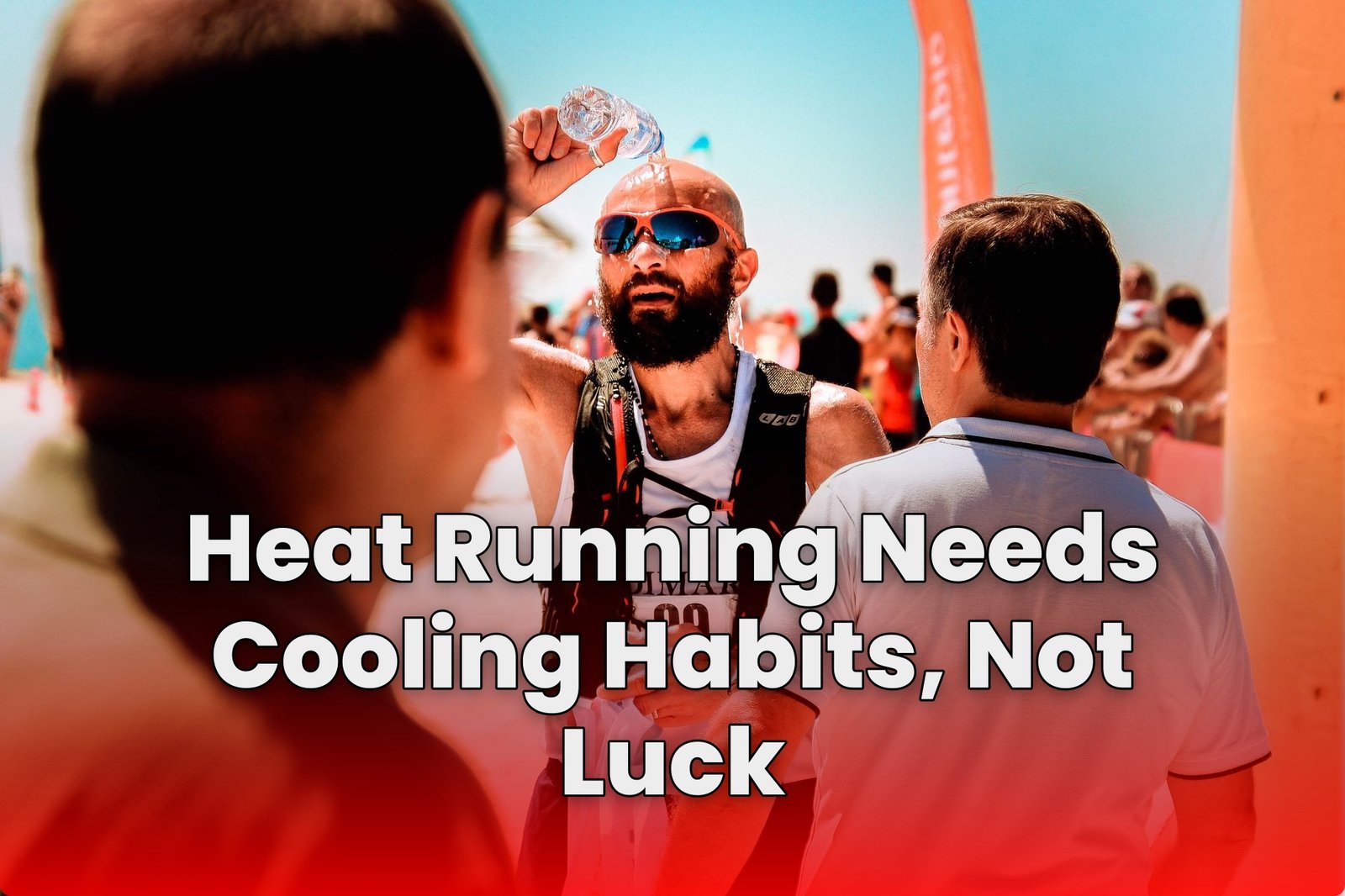
Consider carrying or using an ice-filled bandana or ice packs during breaks. Splash water over your face or head at stations. After the run, use cold-water dips or a cold-water bath if available. The goal is to lower body temperature quickly, not to suffer “through it.”
Track the Numbers That Keep You Running Safely
Most heat problems start the same way: people treat hydration like a vague intention. If you want control, use measurable targets. Those targets should be flexible, but they should exist.
| Run Situation | What to Aim For | Approximate Amount |
|---|---|---|
| Typical hot run | Fluids per hour | 300–800ml |
| Run over 1 hour | Electrolytes in drinks | Sports drink and sodium |
| Pre-run | Steady drink before departure | About 530ml |
| Post-run recovery | Rehydrate by sweat loss | ~16oz per pound |
| Hot day beyond the run | Small steady sips | Consistent intake |
Once you use these anchors, you stop guessing. You also reduce the chance that a great session turns into a crampy, exhausted finish you did not need.
Clothing, Shade, and Sun Protection Are Performance Tools
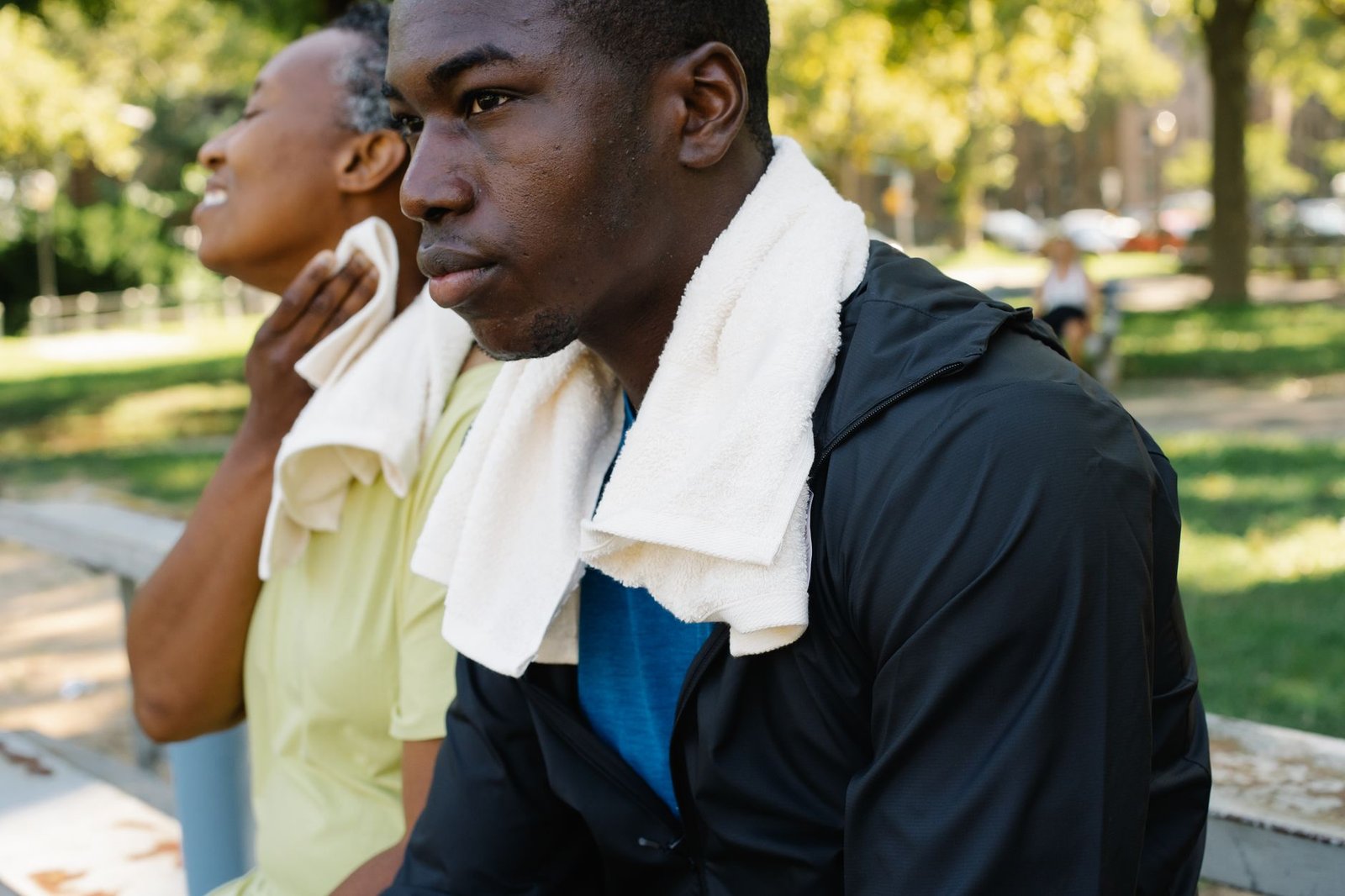
Your kit is part of your cooling strategy. Choose lightweight, breathable, loose clothing and avoid cotton that clings and traps heat. In London, where routes can cut through open parks and exposed bridges, the sun can be the hidden tempo killer.
Wear a cap or visor, sunglasses, and factor 30 broad-spectrum sunscreen. Reapply about every two hours if you’re sweating heavily. Then choose shade when you can, and pick lighter fabrics that help sweat evaporate instead of pooling.
Choose Cooler Windows and Lower-Exposure Routes
Heat exposure is something you can manage. Run early morning or later evening when the air is cooler, and avoid midday whenever possible. Sunrise often offers the best balance between light and temperature for London miles.
Use shaded trails and parks to cut direct sun. If you can, split long runs into shorter segments with planned hydration stops. The point is not perfection. The point is reducing the time you spend fighting the environment.
When the Conditions Are Too High, Pick the Treadmill
Hard truth first: there are days you should not “train through.” If the air is dangerously warm or humid, an “air-conditioned” option is not cheating. It is smart risk management.
Use a treadmill session for steady controlled effort, then get back outside when conditions normalize. Your fitness improves through repeatable work, not through one dramatic hero run that costs you a week.
Know the Warning Signs and Act Within Minutes
Heat illness is not a character-building exercise. Watch for red flags like cramps, dizziness or fainting, headache, extreme fatigue, or cold and clammy skin (or sometimes hot and dry skin). If symptoms show up, stop. Get help. Cool down immediately.
Clear clinical heat guidance stresses speed because delay can turn heat stress into emergency. If you feel “off” in the heat, treat it as real, not dramatic.
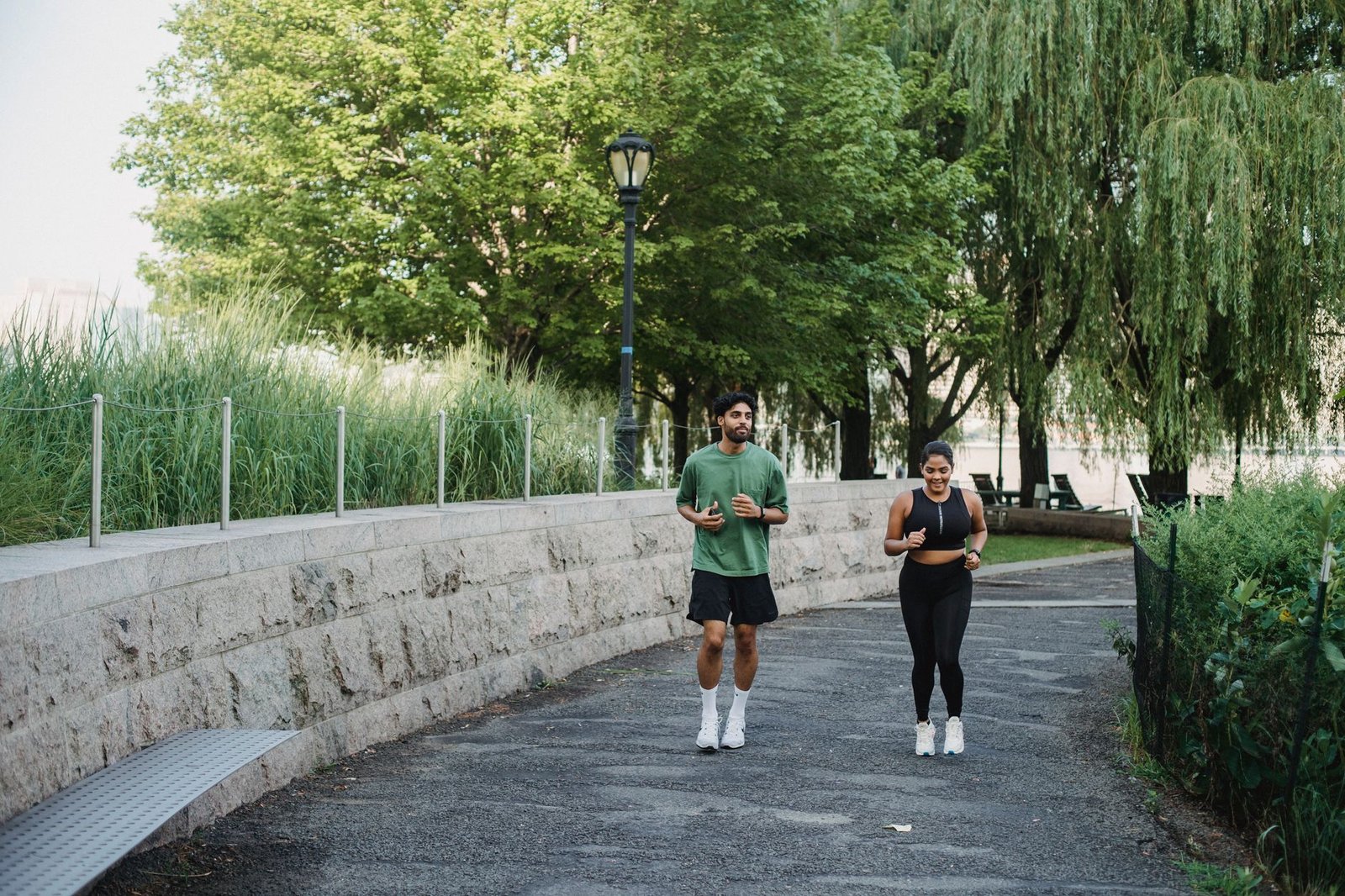
Fuel for Recovery, Not for Regret
Hot weather turns fueling into another lever. Eat within about 90 minutes of recovery, aiming for carbohydrates plus protein so your body refills energy and repairs tissue. A rushed post-run snack can matter more in heat because dehydration and stress drain reserves.
Also rethink caffeine right before hot-weather running. It can increase urination and worsen fluid loss, which undermines everything you planned with hydration and cooling habits.
Acclimatise Instead of Proving Grit
Don’t assume your body will adapt instantly. An acclimatization period of up to one to two weeks may be needed, especially when moving from cooler routines to sustained heat. That means adjusting expectations and gradually building tolerance.
So when your first hot sessions feel harder, that is not failure. It is training your thermoregulation. Break long runs into manageable blocks, and keep intensity modest until your body catches up.
Finish With Cooling and a Reset Mindset
The last decision matters as much as the first. After you run, cool your body promptly with cold-water dips or a cold-water bath if you can. Rehydrate, then eat a solid recovery meal that includes carbs and protein. Your goal is to return to baseline quickly.
In the heat, the smartest runners do not chase pride. They chase repeatable mileage. If your “London miles” plan survives the next week, you did it right. If it breaks you, the environment won and your strategy failed.
Your Guide to Running in the Heat: Cooling Habits for London Miles
How should you pace when running in the heat for London miles?
In hot weather, keep effort low and avoid chasing usual paces, since performance often drops at higher temperatures; use perceived exertion or heart rate instead of GPS pace and swap hard sessions for slower, easy runs.
What hydration and electrolyte habits help during running in the heat for London miles?
Drink steadily before, during, and after your run, aiming for roughly 300–800ml per hour based on temperature and sweat rate, and include electrolytes or sports drinks on runs over an hour to replace sodium.
Which clothing and sunscreen strategies should you use for running in the heat in London?
Choose lightweight, breathable, loose layers, avoid cotton, and protect your head and eyes with a cap or visor and sunglasses while applying broad-spectrum sunscreen (around SPF 30) and reapplying about every two hours if you’re sweating.
What cooling techniques can you use mid-run for London miles in hot weather?
Use cooling aids such as an ice-filled bandana or ice packs, splash water over your face or head during breaks, and consider shaded routes like parks or trails to reduce heat exposure.
What are the warning signs of heat exhaustion or heat stroke during running in the heat?
Watch for red flags like dizziness or fainting, headache, extreme fatigue, cramps, or unusually cold/clammy skin or very hot/dry skin; if symptoms appear, stop running, get help, and cool down immediately.
How should you adjust training plans for running in the heat after London miles acclimatisation?
Start with easier goals for 1–2 weeks to acclimatise, break long runs into shorter segments with planned hydration stops, eat within about 90 minutes after for recovery, and consider avoiding caffeine right before hot-weather sessions.
Cooling Habits Make London Miles Safer
This is your guide to running in the heat: cooling habits for london miles, and the takeaway is simple. Treat heat like a real training variable, not an inconvenience: keep intensity low, slow down when temperatures rise, drink and add electrolytes early and often, and use practical cooling steps like shade, breathable kit, and ice on breaks to prevent overheating. The goal is consistency and safety, because the fittest plan is the one you can finish feeling steady, not the one that ignores the weather.

I am Ozan, a London-focused running writer and marathon enthusiast with a passion for helping people discover the city’s best races, running routes, walking trails, and fitness events. I research and write practical, up-to-date guides covering marathons, race preparation, training tips, running gear, and everything related to staying active in London.
My goal is to create reliable, easy-to-follow content that helps runners and walkers of all experience levels explore London with confidence, whether they’re preparing for their first 5K or their next marathon.