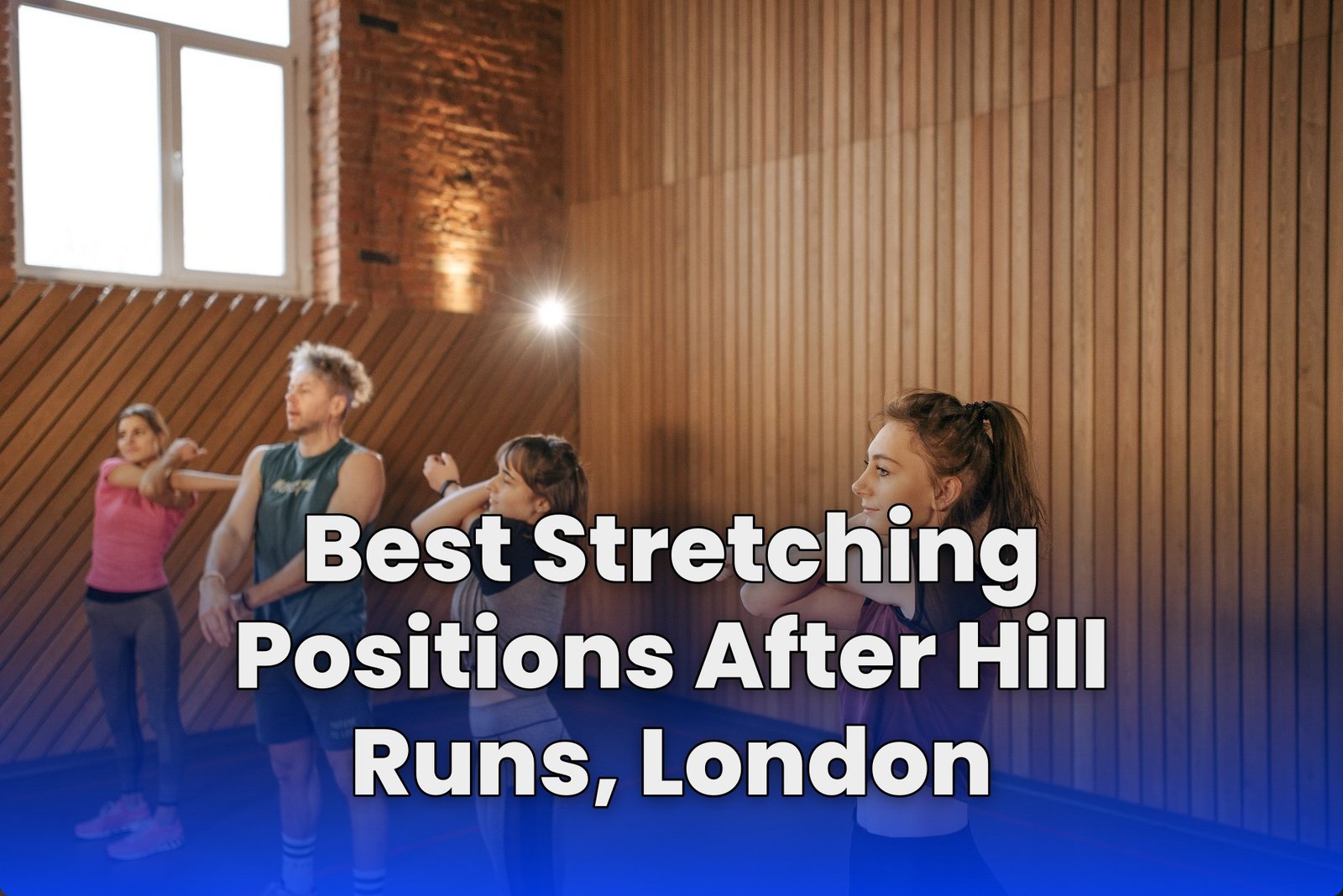
Stretching after hill sessions is where most runners waste time, because they stretch whatever feels tight instead of what the hills actually hammered. After uphill efforts, your calves, quads, hip flexors, and glutes deserve targeted attention, and a random routine will leave you sore the next day.
If you want real payoff, keep it simple and matched to the work you did. Start with a wall-supported calf stretch, then drop into a controlled lunge to open the hip flexor on the front leg. Follow that with a figure-four glute stretch to calm the deep hip tension, and finish with a gentle hamstring stretch that stays comfortable rather than aggressive.
This is one of those cases where consistency beats intensity. Spend about five to eight minutes, breathe slowly, and hold each position long enough for your muscles to relax, not long enough to force pain. Do this after your London hill runs, and you will feel looser, recover faster, and build a routine you can repeat without dread.
Hill Sessions Call For Purposeful Stretching In London
The most useful stretching positions after hill sessions in london are not the ones you remember from a random class. They are the ones that match what hills do to your body: calves load harder, quads grip longer, and hip flexors tighten when you fight for rhythm on the incline.
If your stretching routine feels like a chore, ask yourself a blunt question: are you stretching the muscles that actually took the hit, or are you stretching whatever is convenient to reach? Recovery should be specific, because the stress was specific.
Static stretching after your workout is where you can gain range of motion and leave the session feeling less “locked.” You do not need fancy yoga. You need the right positions, held long enough to matter.
Skip the Random Stretch Order and Start With Heat
You can stretch cold tissue all you want, but you will still feel tight. After hill work, your first job is to settle your heart rate and warm the muscles slightly, so the stretch targets tolerance instead of discomfort.
Do a 5 to 10 minute easy walk or gentle jog, then breathe for a minute. Your goal is to show your nervous system that the session is over, not to punish your legs with immediate maximum range.
Some runners claim stretching right after hard efforts does nothing. They confuse timing. The point of post-session stretching is not performance gains for the next interval. It is recovery and mobility right after the stress.
Calves Are The First Bottleneck After Inclines
When you run uphill, your calf works to stabilize your ankle and help you push through each step. After hills, that tissue often feels shortened, especially if you have a strong toe-off or you land on a forward foot.
Use the simplest position first: standing calf stretch. Keep your back knee straight, heel down, and hold until you feel a firm pull in the calf, not a sharp pain at the Achilles.
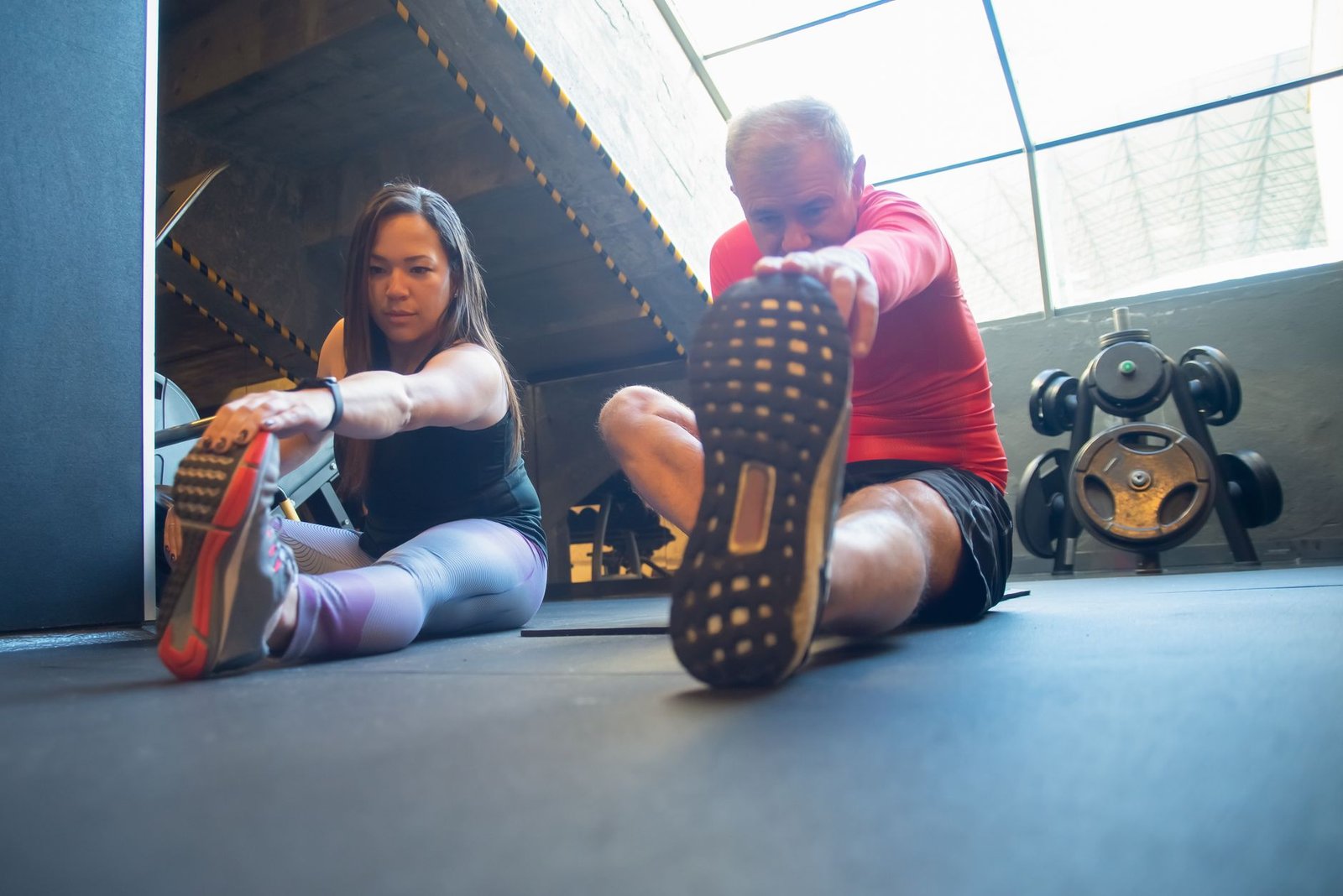
If your calves feel extremely tight, add the bent-knee version. Straight-knee hits the gastrocnemius, bent-knee hits the soleus. Same idea, different target.
Quads Need More Than “Just Stretch Your Thigh”
Uphill running asks your quadriceps to handle repeated knee extension under load. That is why quads often feel tight at the front of the thigh, especially after steep segments.
The more useful stretching positions after hill sessions are ones that change the angle of your hip. Try a standing quad stretch with your pelvis neutral, then progress to a runner’s lunge stretch if you can keep the torso upright.
But isn’t stretching quads risky? It is only risky when you crank the range. You should feel tension you can breathe through. You should not chase pain to prove commitment.
Hip Flexors Tighten When You Grind Uphill
Hill running often turns your hips into a lever. If your stride shortens near the top of climbs, your hip flexors work overtime and can feel like they are “pulling you forward” even when you stand still.
Try the couch stretch or a kneeling hip flexor stretch. Keep your ribs down, squeeze your glute gently on the trailing side, and hold steady. This is not a bounce stretch. It is a controlled reset.
To counter the same pattern you trained on the hill, also include a glute stretch. Your hips recover as a system, not as isolated muscles.
Glutes And Hamstrings Get Tight From Power Pushes
Even if your calves and quads feel loudest, hamstrings and glutes often lag behind in recovery after hills. Faster turnover uphill plus the repeated push off can leave the back of your legs feeling stiff and heavy later in the day.
Use a seated or standing hamstring stretch with a neutral spine. You are aiming for a gradual pull along the back of the thigh, not a rounded back that reduces tension control.
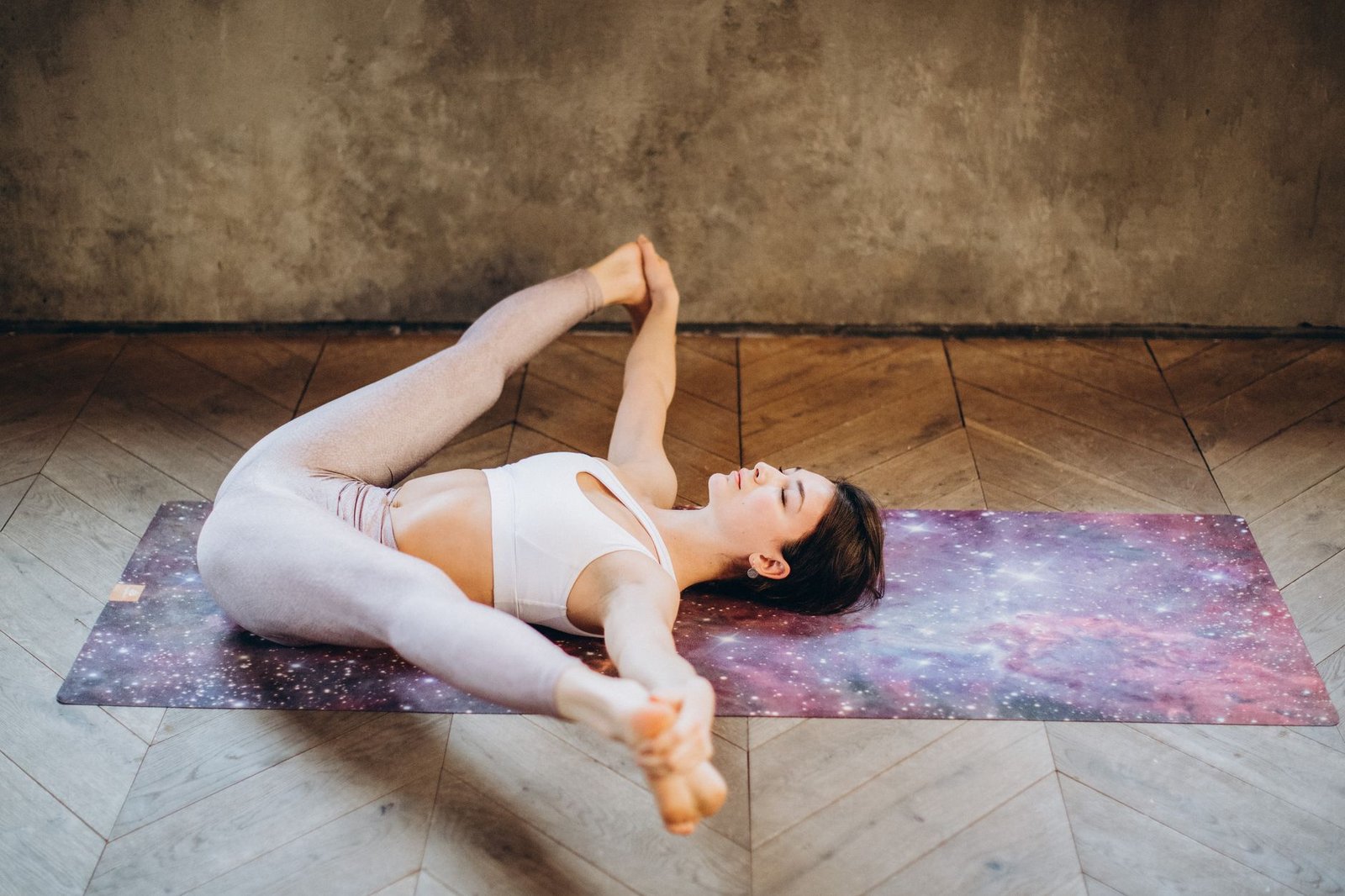
For glutes, a figure-four stretch or a light pigeon stretch can help. If you feel pinching in the hip joint, adjust the angle and reduce depth.
The Order Matters A Lot More Than People Admit
Most runners pick stretches by convenience. That makes you do calf work when your calves are already screaming, then you jump to hips when your breathing is still shallow. The result is sloppy form and a routine that does not stick.
Work from distal to proximal or from “most overloaded” to “most stable,” but keep the sequence intentional. If your calves are the issue, handle them first. If your hip flexors dominate, start there and finish with glutes and hamstrings.
Consistency beats intensity: you can do less range and still get more benefit if you repeat good form after every hill session.
A Post-Hill Stretch Menu With Holds That Actually Match Recovery
You do not need ten positions. You need a repeatable menu: a few high-value stretches, held long enough to create change, then exited without forcing range.
Here is a practical order you can run after hill sessions in London, where you may finish sweaty, then cool down in damp air.
| Position | Target Muscle | Hold Time |
|---|---|---|
| Standing Calf Stretch | Gastrocnemius | 30 to 45 sec |
| Bent-Knee Calf Stretch | Soleus | 30 to 45 sec |
| Runner’s Lunge Stretch | Hip Flexor and Quad | 30 to 60 sec |
| Figure-Four Glute Stretch | Glute Medius | 30 to 45 sec |
| Seated Hamstring Stretch | Hamstrings | 30 to 60 sec |
Repeat each stretch 1 to 2 rounds. If a position spikes pain, stop. If you can breathe and relax into the pull, you are doing the work.
London Weather Changes How You Should Stretch
In London, many runners end hill sessions sweating hard, then stepping into cool, damp air on pavements and stairways. That swing makes muscles feel tighter as the evening progresses.
So stretch with patience. Hold steady, use slightly longer holds if you feel stiff, and keep moving between stretches. A 30-second stretch in warm air can feel different than the same hold outside on a cold evening.
“Should I stretch less because it is cold?” You do not have to reduce stretching. You have to increase control. Warm tissue responds to steady tension. Cold tissue punishes impatience.
Pain Is Not Proof You Are Stretching Correctly
A sharp, localized pain is not stretching progress. Stretching should feel like a strong pull in the target muscle, with no sudden spikes and no lingering numbness afterward.
If you feel pain in the Achilles, reduce ankle angle and switch to a gentler calf version. If you feel joint pinching in the hip, back off the depth and alter posture. The goal is tissue tolerance, not injury testing.
One rule wins every argument: you should finish the routine feeling looser, not more irritated.
Timing Makes Stretching Matter More Than Branding
Stretch soon enough to influence how you move later that day, but do not rush. A good target is within 5 to 20 minutes after finishing the hill session, when your body still remembers the effort.
Right after hills, your nervous system is alert. Keep sessions short and controlled. If you want more, do it later with light mobility instead of deeper static holds.
Some people say stretching after workouts reduces strength. Static stretching before training can temporarily reduce performance in some contexts, a point discussed in sports science literature including work by Behm and Chaouachi (2011). Post-session stretching is a different setting with different priorities.
Light Mobility Finishes the Job When Stretching Alone Falls Short
Stretching lengthens. Mobility teaches your joints to use that new range. After hill sessions, the last thing you want is to “stretch tightness” without improving movement quality.
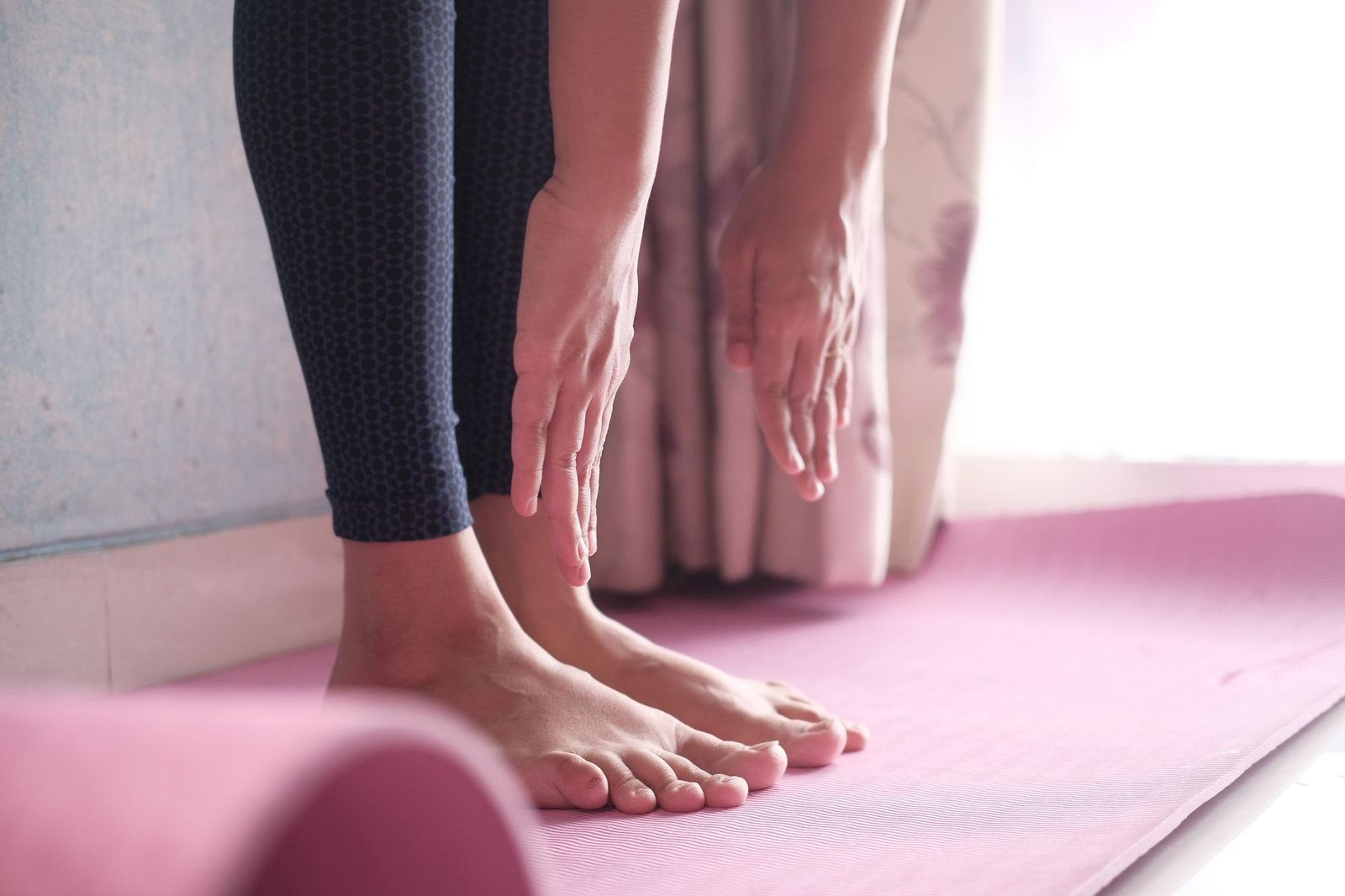
Add two minutes of simple drills: ankle rocks, gentle hip swings, and easy thoracic rotations. Keep intensity low. The purpose is to translate the stretch into motion you can actually feel in your stride.
This is how you turn recovery into training value. You leave the stretch feeling good when you walk upstairs, not just feeling good for ten minutes.
Be Consistent, Then Track the Real Outcome
Remote tracking is not the point; the point is your legs. The most useful stretching positions after hill sessions in london are the ones you repeat with good form and that reliably reduce stiffness the next morning.
Track outcomes the simple way: note whether your calves feel less “cramped” during warm-up, whether your hip flexors feel freer when you sit and stand, and whether your legs feel steadier on the next easy run.
Consistency beats novelty. If you can do the same menu after every hill session for a month, you will learn which positions matter most for your body, not for the internet.
Most Useful Stretching Positions After Hill Sessions In London
Which Stretching Positions Are Most Useful After Hill Sessions In London For Calves And Achilles?
Try the standing calf stretch against a wall, then switch the back leg to bend the knee for the deeper soleus stretch. Hold each stretch gently for about 20 to 40 seconds, breathe slowly, and stop if you feel sharp pain.
How Should You Stretch Your Hamstrings After Hill Sessions In London To Improve Flexibility?
Use a seated or standing hamstring stretch with a slight knee bend, keeping your back long and reaching toward a comfortable range. Hold for 20 to 40 seconds per side, then relax fully before switching sides.
What Hip Flexor And Glute Stretching Positions Help After Hill Running In London?
Perform a kneeling hip flexor stretch by tucking the pelvis and leaning forward slightly, then use a figure-four glute stretch while lying on your back. Hold 20 to 40 seconds on each side, and keep the movement controlled and pain-free.
Are Standing Quad And IT Band Stretches Safe After Hill Sessions In London?
Do a standing quad stretch by holding a support and pulling the heel gently toward your seat, avoiding any twisting. For the side stretch, keep it mild and focus on comfort rather than intensity. If you feel numbness, tingling, or sharp discomfort, stop and use easier mobility.
How Long Should You Hold Each Stretching Position After Hill Sessions In London?
For most stretches, hold for about 20 to 40 seconds and repeat once if you feel good. Total stretching time can be around 5 to 10 minutes after a hill workout, paired with slow walking to cool down.
When Should You Avoid Stretching And Switch To Gentle Walking After Hill Sessions In London?
Avoid deeper stretching if you have sharp muscle pain, swelling, or a tight cramp that worsens with movement. In those cases, switch to gentle walking for 5 to 10 minutes, then try only light range-of-motion stretching later when the discomfort settles.
Stretch Smarter After Hill Sessions In London
The most useful stretching positions after hill sessions in london are the ones that cool your legs, open your hips, and calm your calves without forcing pain: a standing calf stretch, a kneeling hip flexor stretch, a hamstring stretch on the floor, and a gentle figure-four stretch for the glutes. Do them soon after your last rep, hold each position long enough to feel a steady pull, and keep breathing slow so your body actually uses the work you earned on the hills. If you treat stretching like part of training instead of an afterthought, your next climb will feel better and recover faster.

I am Ozan, a London-focused running writer and marathon enthusiast with a passion for helping people discover the city’s best races, running routes, walking trails, and fitness events. I research and write practical, up-to-date guides covering marathons, race preparation, training tips, running gear, and everything related to staying active in London.
My goal is to create reliable, easy-to-follow content that helps runners and walkers of all experience levels explore London with confidence, whether they’re preparing for their first 5K or their next marathon.