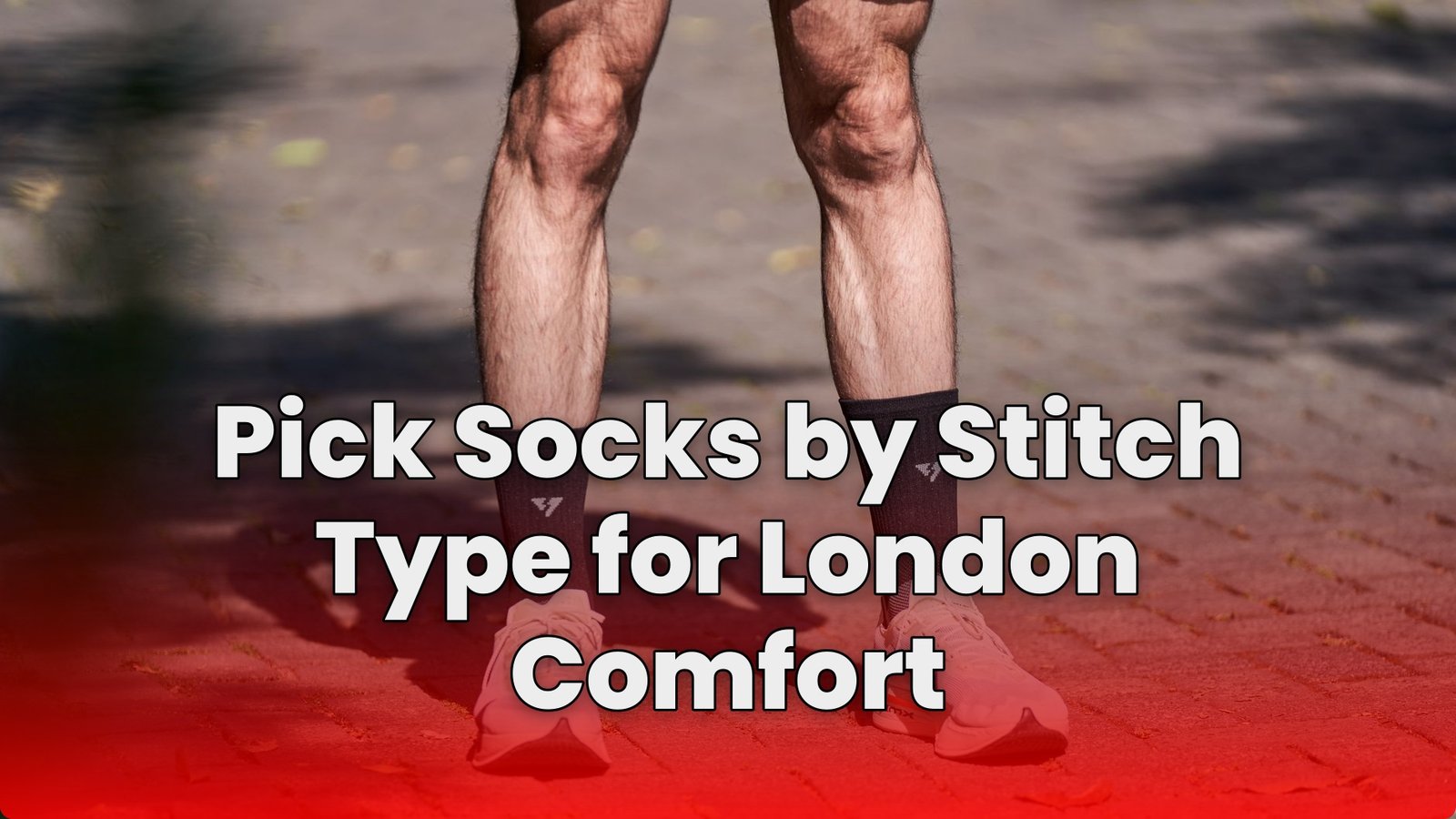
Rubbing in London is rarely a mystery, it is a design flaw in your socks. If you keep getting blisters, stop blaming your shoes and start looking at stitch construction, because the way fabric is knitted and seamed decides whether friction stays low or ramps up with every step.
To prevent rubbing, choose socks that keep the foot side smooth and stable: a plain or stockinette knit where your skin actually contacts the sock, with stretch and grip handled mostly on the leg. Then look for durable, wear-point reinforcement at the toe and heel, because thin or uneven builds can loosen, bunch, or create micro-edges that your foot will notice fast.
When you inspect the sock, treat seams like possible trouble zones. A flat, high-set toe seam is usually kinder than one near the toe tip, and any loose threads, holes, or broken yarns are instant friction risks. In other words, London comfort comes from smart knitting and clean finishing, not from hoping the problem disappears after a few walks.
Stitch Type Beats Marketing for Rubbing Prevention
If you want how to choose socks by stitch type to prevent rubbing in london to actually work, stop treating socks like fashion accessories. Stitch construction controls texture, seam placement, stretch behavior, and abrasion resistance at the exact contact points where London walks punish you.
Rubbing is rarely caused by “bad luck.” It is caused by friction couples: rough yarn against skin, a raised seam that creases under pressure, or a fabric surface that bunches and then drags for mile after mile. The stitch decides whether that friction stays mild or turns into blisters.
Stockinette Foot, Ribbed Leg Is the Winning Split
Choose socks that use plain or stockinette knit in the foot to keep the foot-side surface smooth, and ribbing only on the leg so the top stays secure without creating a bumpy texture against your toes and arch.
Why does this matter when you are walking around London? Because ribbing creates small ridges. Those ridges can press, shear, and re-seat with every step, especially in shoes that compress the midfoot. Smooth knit near the skin reduces those micro-cycles.
A Flat Toe Seam Is Non Negotiable
Look for a flat, high-set toe seam rather than a seam right at the toe tip. A toe-tip seam is where pressure peaks, where toes splay, and where rubbing becomes a concentrated hotspot after time on pavement.
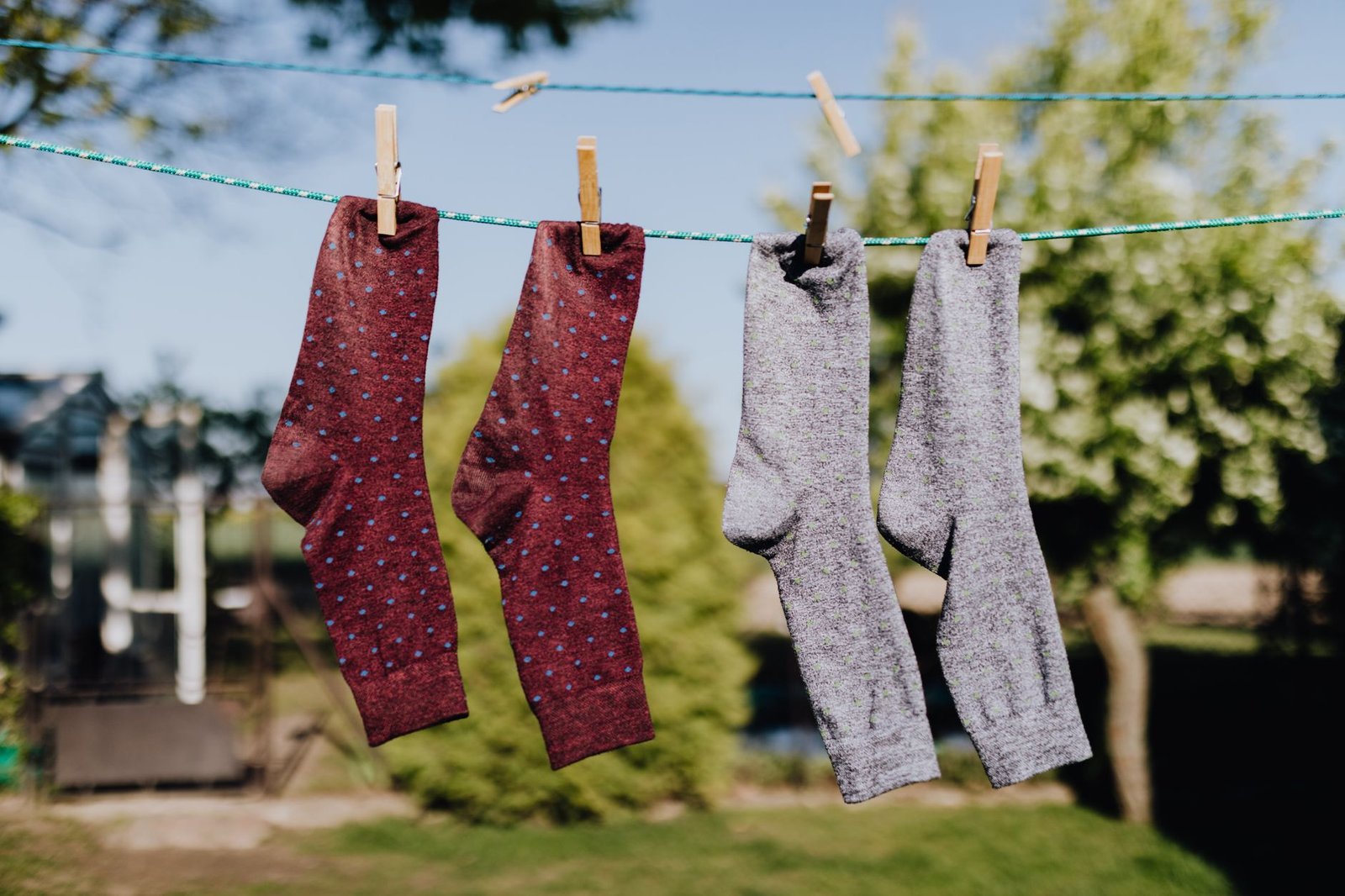
“But I never had a problem before.” The shoe you wore then may have fit differently, or the walk may have been shorter. London sightseeing often extends well past the moment you expect soreness. A flat toe seam is the simplest insurance against that late-stage escalation.
Place Terry Only Where Abrasion Actually Happens
For blister control, stretch terry knit placed to reduce friction next to the skin can help. The best designs keep the skin-facing side smooth and put cushioning where it absorbs impact and reduces abrasion.
Commonly, that means smooth knit against the foot and terry on the outside for friction management, or a “stitched terry” approach for targeted cushioning. If the terry is incorrectly positioned, it can increase bulk and cause the sock to fold, which creates new rubbing zones.
Comfort is not just softness. It is the absence of ridge, fold, and hotspot at the skin-facing surface.
Reinforced Heel and Toe Must Match London Pressure
London shoes press hard at the heel and tug the toe box with every stride. That is why you should prioritize reinforced toe and heel areas rather than relying on a uniform knit.
Some durable socks use thicker yarn builds such as 4 to 6 ply, and others use double knitting or an extra high heel guard where the shoe back tends to rub. When you are considering what to pack, ask yourself: will the reinforcement be strong where your foot actually moves?
Use a Stitch Map So You Know What You Are Buying
Don’t guess. A quick stitch map turns shopping into a predictable decision. Here is the kind of pattern you should expect when your goal is reduced rubbing during London walks.
| Foot Zone | Stitch Type | Rubbing Benefit |
|---|---|---|
| Skin Facing Foot | Plain or Stockinette | Fewer ridges, lower friction |
| Leg Top | Ribbing | Secure fit without bumpy contact |
| Toe Area | Flat High-Set Seam | Less pressure at toe tip |
| Heel Contact | Reinforced Knit | Better abrasion resistance |
| Arch Impact Zone | Targeted Cushioning | Absorbs shock, reduces shear |
When a sock matches this map, your choices become coherent: smooth where you need smooth, supportive where you need support, and reinforced where wear starts. That alignment is what prevents “mystery” blister formation after several hours.
Terry and Cushioning Can Help or Hurt Depending on Placement
Some socks reduce abrasion by increasing friction between sock and foot while allowing the sock to slide against the shoe. That sounds counterintuitive until you realize the goal is to protect your skin by shifting motion away from where it hurts.
If you prefer a more controlled glide, prioritize builds that keep the skin-facing surface stable and smooth while cushioning handles impact. If you feel the sock moving on your foot, blister risk rises because friction is no longer consistent and pressure points migrate.
Beware Tube Socks Unless the Toe End Is Truly Smooth
Tube socks can work because they may lack a shaped heel. But the benefit depends on how the toe end is finished. If any end-of-toe seam exists, it must be very flat and smooth, or the lack of shaping can still leave you with a seam hotspot.
“Isn’t all tube sock construction simple?” Simple can still mean sharp edges or thicker knit transitions. Check the toe end by running your fingers over it. If you feel a ridge, you are buying a future irritation.
Inspect for Ravel Risk and Friction Prone Surfaces
Fragile builds can unravel, snag, or create uneven stitch tension after repeated friction. Before you walk London streets for hours, inspect for loose threads, broken yarns, holes, uneven stitches, and any friction-prone surfaces.
Use the simplest test: put the sock on, then flex your foot and toes. If the knit pulls into tiny waves near the contact zone, that texture will act like sandpaper over time.
Fit Turns Stitch Choice Into Real Performance
No stitch can save you from a sock that bunches. A poor fit creates extra folds, and folds create rubbing. Choose socks that do not slide down and do not crowd the toes, because both behaviors intensify friction and shear.
Do you want a practical rule? If you can pinch extra fabric at the toe box or see bunching at the arch, keep shopping. Stitch type matters, but fit determines whether that stitch stays positioned correctly for the duration of your walk.
Thickness and Weather Should Match How Your Shoes Press
London temperatures shift, and so does shoe pressure. When shoes feel tight or your heel slips, thickness can worsen compression and seam pressure. When your shoes run loose or your socks slide, thickness can reduce movement and distribute pressure more evenly.
That is why reinforced builds and yarn ply count matter. A sturdier knit with targeted reinforcement can maintain structure so the sock does not collapse into hotspots, even after hours of walking.
And if you are tempted to choose the thinnest sock to “prevent heat,” consider the tradeoff. Thinner socks can make seams and pressure points feel closer to the skin.
Test Your Socks Before You Leave the Door
You can avoid a ruined day with one short pre-walk. Wear the socks at home and walk on smooth floors for 10 to 15 minutes. Then stop and feel for early rubbing: any warmth, redness, or a specific spot that starts to nag is a warning sign.
Don’t ignore weak seams or micro-irritation. London walking builds problems over time, and blister formation often follows the pattern of repeated friction, not sudden pain. Fix it early while you still can.
- Check toe seam edges for ridges
- Notice whether the heel slips or stays locked
- Confirm the arch area does not fold under pressure
Pair Stitch Choice With Shoe Sliding and Motion Control
Socks prevent rubbing best when they manage movement between layers. Some abrasion-reducing designs intentionally make the sock slide against the shoe rather than against your skin. That only works if the stitch construction stays smooth where it contacts you and stable where it grips.
So before you blame the weather, consider the whole system: the stitch map, the seam geometry, the reinforcement zones, and the shoe fit that either controls or amplifies motion. That is the difference between “it might be fine” and reliable comfort on your London itinerary.
For example, guidance from expert sock advice consistently emphasizes matching sock structure to footwear and activity, because the right stitch does nothing if the shoe still forces the sock to bunch.
How to Choose Socks by Stitch Type to Prevent Rubbing in London?
Which stitch constructions keep the foot-side smooth for London walking?
Choose socks with smooth, plain/stockinette knitting on the foot for a low-friction surface, and reserve ribbing for the leg so the sock stays secure without adding bumpy texture where skin makes contact.
Should you avoid ravel-prone stitches when choosing socks to prevent rubbing and blisters?
Yes—inspect the sock for loose threads, broken yarns, holes, uneven stitches, or any rough/friction-prone areas, because fragile constructions can unravel and create hard points that trigger rubbing during long London walks.
What toe and heel seam styles reduce friction and blister risk?
Look for smooth toe and heel zones with a flat, high-set toe seam positioned away from the very tip of the toe; tube socks can help because they lack a shaped heel, but only if any end-of-toe seam is very flat and smooth.
How do terry knit and stitched terry stitches help prevent rubbing?
For abrasion relief, prefer designs that place cushioning where it matters: smooth knit against the foot, with terry on the outside (or “stitched terry” for extra padding) to reduce friction and help prevent calluses and blisters.
When does sock-to-shoe sliding matter for rubbing prevention?
Some abrasion-reducing stitch designs intentionally increase friction between the sock and the shoe so the sock can slide against the footwear rather than dragging across your skin, which can lower direct skin rubbing during busy commutes and sightseeing.
Which reinforced stitch areas and knit thicknesses improve durability where shoes rub?
Prioritize reinforced toe and heel areas, often using thicker yarns (such as 4–6-ply), and consider double knitting or an extra high heel guard if the back of your shoe tends to rub, plus make sure the fit prevents bunching at the toes or slipping down.
Choose Stitch Construction That Stops Friction in London
How to choose socks by stitch type to prevent rubbing in London comes down to one rule: prioritize a smooth footside knit with low friction where your skin moves, then reinforce only the wear zones so the sock stays secure without creating bumpy texture. In practice that means stockinette or similarly flat knitting on the foot with ribbing limited to the leg, a very flat toe and heel finish, and smart abrasion cushioning like terry placed on the outside or stitched terry next to the shoe. Get that stitch logic right, and blister risk drops fast, because comfort in London is won by construction, not luck.

I am Ozan, a London-focused running writer and marathon enthusiast with a passion for helping people discover the city’s best races, running routes, walking trails, and fitness events. I research and write practical, up-to-date guides covering marathons, race preparation, training tips, running gear, and everything related to staying active in London.
My goal is to create reliable, easy-to-follow content that helps runners and walkers of all experience levels explore London with confidence, whether they’re preparing for their first 5K or their next marathon.