Swapping “push harder” for smart cooling is what separates a strong finish from an overheated slog. At the London Marathon, the goal is not to avoid sweat at all, it is to manage it so your body can shed heat while you keep moving efficiently.
To stay dry without overheating, start the race with controlled effort instead of banking on cool-weather pacing. Use hydration “little, often and early” so you do not fall behind, and support it with carbs when conditions demand it. Cooling strategies matter too, but timing does: short douses of the head and neck, plus quick evaporation, beats soaking your kit for long periods that can fuel chafing and blister risk.
Face-first sweat control is especially underrated. Choose moisture-wicking layers, use a cap or visor to direct sweat away from your eyes, and wipe as needed so your focus stays on form, not irritation. If you feel unwell, especially if you stop sweating normally or notice confusion or loss of muscular control, do not “race through it” and seek help at the first opportunity.
Start Slower to Stay Dry Without Overheating
Your first enemy on a hot London Marathon day is not your opponent, it is your own pace. If you start too fast, your body pays for it with extra sweat, slower evaporation, and that soggy, overheating feeling that makes later miles brutal. “Staying dry without overheating” begins in the first 5K, not on Mile 20.
So resist the temptation to run by cool-weather memory. If last year’s splits looked great in cooler air, they will lie to you now. Ask a simple question: do you want to finish strong, or do you want to prove you can hit a first-half pace you cannot sustain in heat?
Plan for control by starting at a deliberately easier effort, even if it feels “too slow” at the gun. You can’t sprint your way out of thermoregulation. Heat management rewards restraint.
Use Heart Rate to Govern Effort
Distance tells only part of the story; effort tells the truth. A watch/heart-rate approach helps you keep remote-like discipline in an outdoor environment, where conditions shift minute by minute. If your heart rate climbs faster than your pace suggests, you are already paying the overheating tax.
Do not treat your heart rate as a goal. Treat it as a budget. When it overshoots your typical “longest-run training” band for sustained effort, the heat is winning. Back off early, not after you are drenched and cooked.
But what about runners who say their heart rate runs high even when they feel fine? They should compare the trend, not chase a single reading. Rising steadily over time is the signal you act on.

Hydration Is Early, Not Heroic
Hydration mistakes on marathon day are rarely dramatic on the outside. They start quietly, with missed opportunities at early stations, and they show up later as cramps, headaches, heavy breathing, and a head that feels too hot to think.
Sweating and exhalation can cost a runner up to about 4 litres through the race. That is why “little, often and early” beats gulping at the end. Drink at regular intervals from the early stages, then adjust based on how your body feels.
Do not wait until you are thirsty. By then, your heat plan is already late.
Equally important, do not overdo fluids. Excess can be dangerous, while dehydration is far more common. Your best strategy is consistent intake that matches the pace you chose in the first place.
Carbs Turn Sweating Into Fuel
If you are taking only plain water in heat, you may stay hydrated while still underpowered. Carbohydrates support performance and can make it easier for your body to keep working instead of stalling. That matters when sweat rate rises and appetite drops.
Use sports drinks or small amounts of food/energy gels alongside your fluid. This can help you maintain energy availability while you execute london marathon sweat management with fewer “empty miles.”
Still, keep it sensible. The goal is steady fueling, not stuffing. When stomach heaviness appears, simplify, reduce dose, and lean on what you practiced on long runs.
Douse Strategically, Not Reliably Soaked
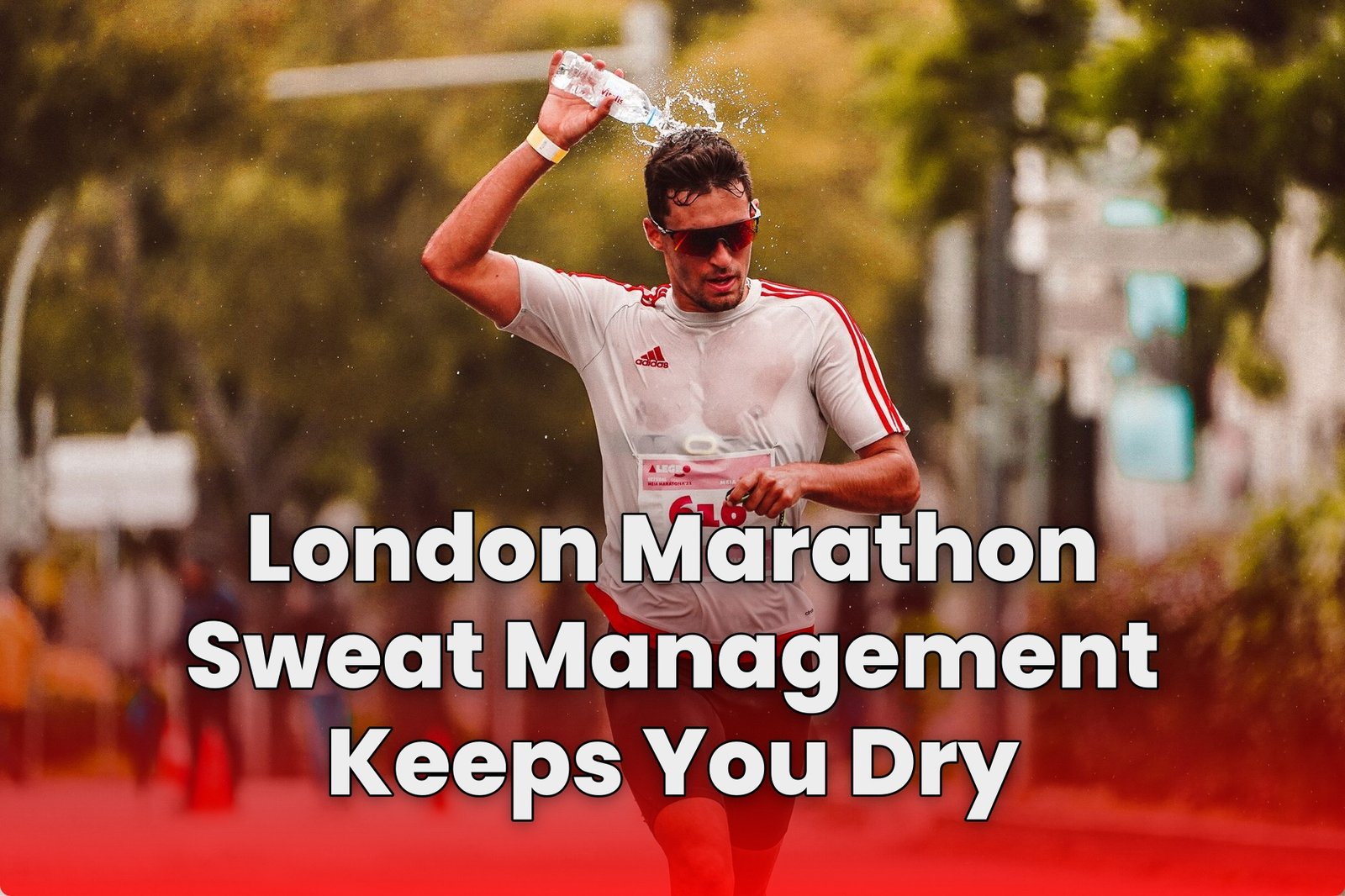
Dousing is a tool, not a lifestyle. Cooling works best when water can evaporate quickly, which is why targeting the head and the back of the neck is more effective than dumping water everywhere. A quick shower-like rinse can drop skin temperature and make later miles feel less suffocating.
But avoid soaking skin for long periods. Prolonged wetness increases blistering and chafing risk, especially if your kit stays saturated. Think short, purposeful cooling, then move on.
Practical rule: if you rinse and your clothing stays fully drenched for minutes, you cooled the wrong way. Adjust your douse timing and amount at the next opportunity.
Choose Gear That Moves Sweat Away From Skin
Your clothing determines whether sweat evaporates or smothers you. If fabric clings to the skin, it traps heat and promotes friction. That is why you should prefer specialist moisture-wicking materials and avoid cotton, which holds moisture and delays drying.
Good london marathon sweat management is not just “wear something.” It is a system of choices with predictable effects. The table below links common gear decisions to what they help you accomplish on a hot day.
| Gear Choice | Sweat Management Benefit | Practical Target |
|---|---|---|
| Moisture-Wicking Top | Faster evaporation | Dry feel within 5 to 10 min |
| Cap or Visor with Band | Absorbs forehead sweat | Comfort through 90 min |
| Sweat-Wicking Shorts | Reduces trapped heat | Low friction in mid-race |
| Anti-Chafe Balm | Prevents friction damage | Apply 30 to 60 min pre-start |
| Water-Resistant Sun Cream | Protection without slick skin | Reapply if lines appear |
Before race day, test how your kit behaves when it gets wet. If you have never run in that clothing in heat, you are guessing. Guessing is not a strategy when the temperature is pushing your body toward overheating.
Manage Face Sweat Without Losing Sight
Face sweat is more than discomfort. When it gets in your eyes, it disrupts your rhythm and makes you reach, wipe, and adjust while your focus should stay on controlled effort. That is how small annoyances become pacing errors.
Use sweat-wicking accessories to keep sweat moving off your face. A cap, visor, or headband can absorb sweat and direct it away from your eyes. Some runners also use a small wipe plan on the move, such as a cloth or wrist sweat band, but only if you can do it smoothly.
Decide the method early. Practice it once or twice during long runs so you do not experiment at Mile 10.
Sun Protection Helps Even When You Think You Can Ignore It
Sun risk does not require a cloudless sky. Even bright conditions with mixed cloud can create enough radiation to heat the skin and worsen your internal cooling demands. Water-resistant sun cream and lightweight, loose clothing are not optional luxuries in hot weather.
A hat or visor can reduce direct exposure and also helps with sweat control. The effect is practical: less skin overheating means your body can spend more effort on the work you chose, not on emergency cooling.
“I never burn.” Fine, but burning is not the only problem. Heat can still climb inside even if your skin looks fine.
Recognize Red Flags Before Your Race Turns
Heat illness can begin as “just feeling off.” If you ignore early warning signs, you risk ending your day in a medical tent rather than the finish chute. Pay attention to changes like headache, confusion, loss of muscular control, or feeling cold while you should be sweating.
When you feel unwell, the correct move is simple: slow down, drink, and seek help early. Do not wait for the next mile marker if your body is signaling danger.
For timely guidance, heat safety guidance often emphasizes rapid action, including reaching medical support at the first available point.
Prevent Chafing and Blisters With Discipline
Sweat is slippery, then drying, then slippery again. That cycle increases friction and makes chafing a likely outcome when conditions stay hot and wet. The fix is preparation, not panic: choose seams and kit that work for you, and apply anti-chafe products where you know the danger zones are.
After dousing, manage wetness instead of letting it linger. If your clothing stays soaked, friction rises when fabric rubs against skin that has been softened by water and heat.
Train the plan. If you have not had blisters or chafing during long runs in similar weather, you can trust your approach. If you have, change it now, not later.
Heat Strategy Beats Race-Day Guesswork
Race day feels like it demands intensity, but heat demands intelligence. The key is aligning pacing, hydration, and cooling with your current conditions, not the forecast you hoped for. Wind, humidity, and cloud cover can all change how your body sheds heat.
Start easy, keep effort controlled via heart rate, and feed steadily. Then adjust on the fly: if you are overheating, the only “fast” choice is to slow early enough that you can keep moving later.
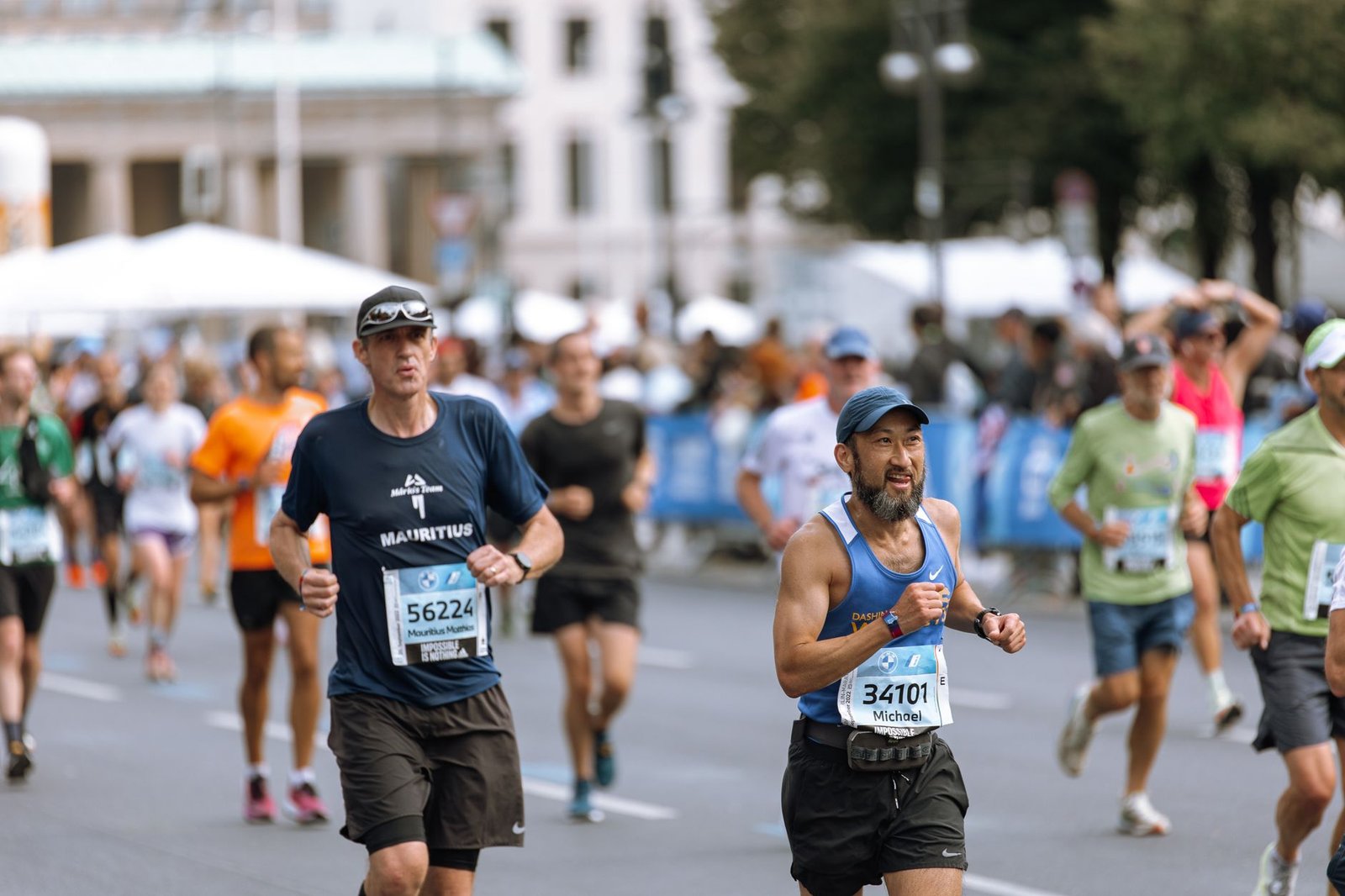
When you treat london marathon sweat management as a system, your performance stabilizes. When you treat it as a last-minute fix, your body punishes inconsistencies.
Recovery Is Part of Staying Dry and Safe
The race ends, but thermoregulation does not. After you stop running, sweat can keep cooling unevenly, and your body temperature can swing. That is why smart cooling, fluids, and gentle refueling matter immediately after the finish.
Get out of soaked kit quickly, rehydrate sensibly, and eat something with carbohydrates and fluids. If you feel shaky, dizzy, or persistently unwell, take it seriously and seek medical advice rather than trying to “walk it off.”
Finish with a plan. Your next training session starts with how you recover from the heat you just survived.
How to Manage London Marathon Sweat and Stay Dry Without Overheating?
How does pacing help with London Marathon sweat management in hot weather?
Starting slower than your usual “race” targets helps keep your core temperature down, so you sweat less aggressively and avoid overheating that can quickly turn into heat stress.
What hydration strategy keeps you dry without overheating at the London Marathon?
Use “little, often and early” drinking, ideally with carbohydrates like sports drinks or small energy gels, and avoid overdoing fluids since dehydration is far more common than water intoxication.
How can you cool down using water to improve London Marathon sweat management?
Douse the head and back of the neck and consider showers when available to promote evaporation, but don’t soak skin for long periods because prolonged wetness can raise blister and chafing risk.
What gear helps manage sweat on your face so you stay dry without overheating?
Choose sweat-wicking accessories instead of cotton, and use a cap, visor, or headband to absorb sweat and direct it away from your eyes, adding a quick wipe when needed.
How do clothing and sun protection support staying dry without overheating in London?
Wear light, loose, moisture-wicking layers, use water-resistant sun cream, and consider a hat or visor so sun load stays lower while sweat can evaporate effectively.
What should you do if you feel unwell during London Marathon sweat management?
If you develop warning signs such as headache, confusion, loss of coordination, feeling unusually cold, or not sweating, slow down, drink, and move to an early first-aid point rather than waiting.
Stay Dry Without Paying the Price
London marathon sweat management, stay dry without overheating is the real performance lever when conditions turn hot. Start slower, control effort early, and drink little and often so hydration supports cooling without tipping into overdrinking. Manage sweat at the head and face with wicking kit and simple cooling tricks, keep sun protection lightweight, and never “power through” warning signs like confusion or not sweating. Finish strong, stay safe, and let smart sweat control do the heavy lifting.

I am Ozan, a London-focused running writer and marathon enthusiast with a passion for helping people discover the city’s best races, running routes, walking trails, and fitness events. I research and write practical, up-to-date guides covering marathons, race preparation, training tips, running gear, and everything related to staying active in London.
My goal is to create reliable, easy-to-follow content that helps runners and walkers of all experience levels explore London with confidence, whether they’re preparing for their first 5K or their next marathon.