Race-day toilet timing for a London marathon works best when you practise it before the race, not when you try to solve it in a crowded start area. Familiar meals, drinks, wake-up times, and running intensity can make urgency and cramps easier to predict. A training log can show which combination suits your gut and which one sends you looking for a toilet mid-race.
London adds travel, crowds, and long waits before the start. Build enough margin into the morning to eat, drink, use the bathroom, and reach your wave without rushing. A familiar breakfast often works well at the breakfast point in the schedule below, but the best timing varies by runner.
Key takeaways
- The final 24 to 48 hours call for meals your gut already handles well, with lower-fat, lower-fiber choices such as rice, bread, or plain pasta instead of rich, spicy, or bulky foods.
- A later-than-usual London wave is a reason to add some later long runs. Move the whole routine together, rather than forcing the timing with extra coffee or another breakfast.
- Caffeine needs one total plan. Add the caffeine in gels and sports products to your usual coffee, and leave any untested drink out of race day.
- When a full aid-station serving causes sloshing or urgency, split the same tested fuel or fluid into smaller, more frequent amounts. Check the course toilets beforehand so a brief stop is an option.
Build a Race-Morning Routine in Training
A training log turns vague stomach trouble into a pattern you can act on. After each long run, record what you ate and drank, when you woke up, when you used the bathroom, and how your gut responded during the run. Note urgency, cramping, loose stool, or a calm stomach in plain words. Include coffee, the amount of fibre you ate the day before, the time you used a gel, and whether you drank quickly or sipped. After several long runs, look for repeated links such as urgency after a large breakfast or cramps after a creamy dinner.
A useful log includes:
- Wake-up time and planned start time
- Food and drink with approximate amounts
- Coffee time and caffeine from gels
- Bathroom time and stool consistency
- Symptoms during the run and their timing
Use long runs to rehearse the whole morning, not just the food. Wake, eat, drink, use the bathroom, dress, and leave at roughly the times you expect on race day. If your long run starts at 7:00 a.m. but your London wave starts later, that early practice will not answer every timing question. Add some long efforts later in the day when the race schedule differs from your normal training. You do not need to move every run; a few later starts let your body practise digestion and bowel timing under conditions closer to the event.
Test any change on another long run rather than waiting until London. If one breakfast causes trouble twice, replace it during training and check how the new meal behaves. Practise the same wake-up, eating, drinking, bathroom, travel, and fueling sequence when the clock changes, shifting the times together instead of adding extra coffee or a second breakfast.
Adjust Food, Fibre, Fat, and Caffeine
The final 24 to 48 hours are a poor time for heavy, experimental meals. Large amounts of fat or fibre can add to cramping or diarrhoea when hard exercise and race nerves are already stimulating your gut. Choose simpler carbohydrates such as white rice, white bread, or plain pasta during this period. Limit fried or creamy foods, large servings of raw vegetables, broccoli, cauliflower, and spicy meals.
A familiar breakfast often works well about 3 hours before the start, but the best timing varies by runner. Treat that interval as a starting point and test it on long runs. A smaller meal may be easier to manage than a large breakfast chosen because it sounds like classic marathon food.
If you normally drink coffee, practise having it at least 1 hour before the start so its usual bowel effect has time to happen before you line up. Do not introduce a new coffee, energy drink, or caffeine supplement in London. Count caffeine from gels and other performance products in the same plan, because the total amount may affect your stomach and bowel routine. Read the labels during training, write the total in your log, and use only a combination you have already tolerated.
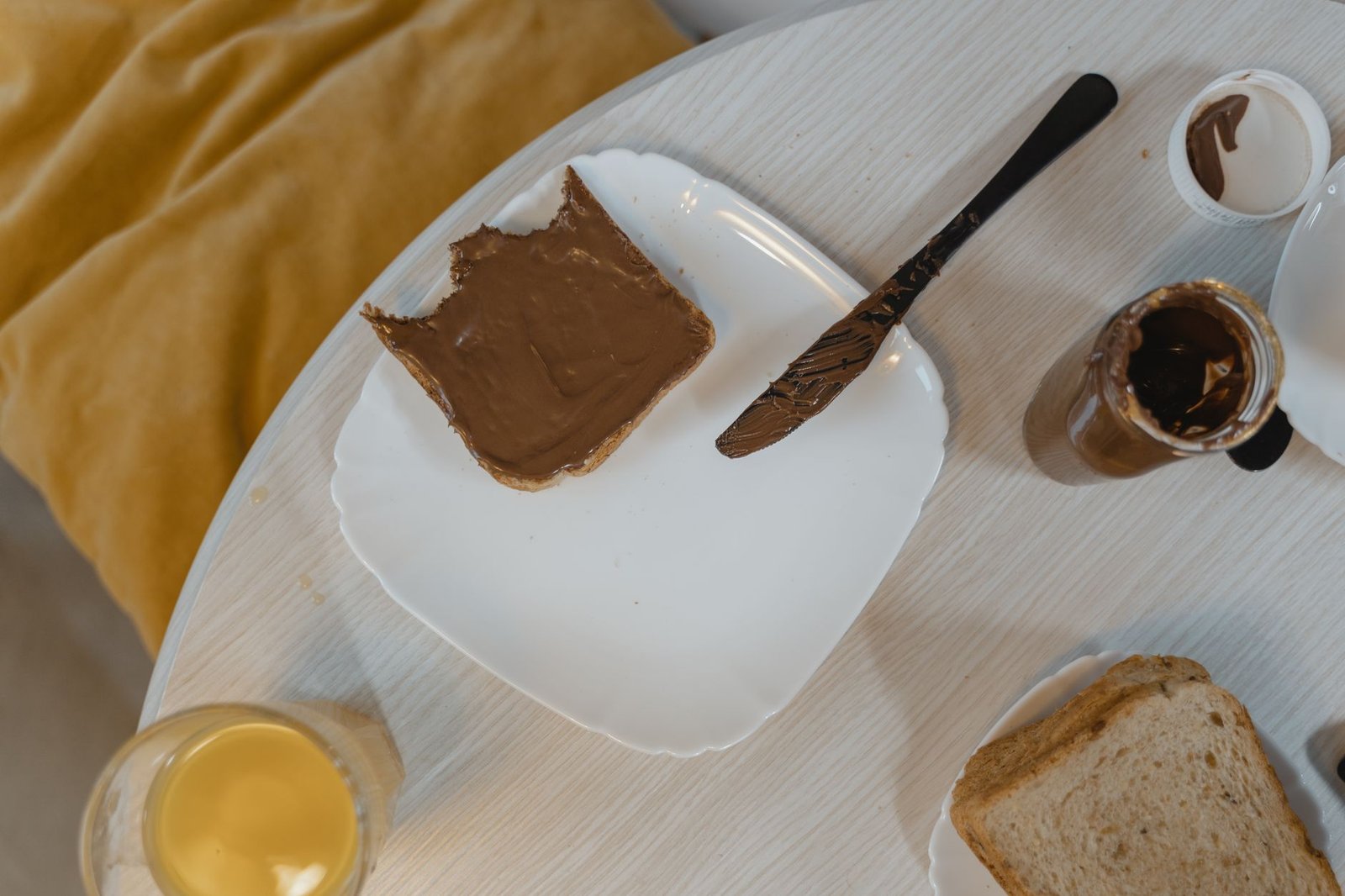
Simple pre-race breakfast with toast and coffee on a table
Set the Morning Schedule
Work backward from your assigned start time and include travel, security, clothing, and the possibility of another bathroom visit. The exact wake-up time depends on where you sleep and how you reach the start, but the eating and bathroom targets should stay familiar.
| Event | Target timing | Purpose |
|---|---|---|
| Wake up | 4 hours before start | Begin without rushing |
| Breakfast | 3 hours before start | Allow digestion time |
| Hot drink | 2 to 3 hours before start | Support your usual routine |
| Race start | 0 | Begin with a settled plan |
The schedule leaves a gap between breakfast, the hot drink, and the main bathroom visit rather than pushing everything into the final queue. A hot drink can fit after you wake, but it should be part of a familiar routine, not a large new dose of fluid.
Build the morning around the time you need to leave, not just the time the race starts. If the journey to your London start area takes an hour, include that travel before the final bathroom opportunity. Lay out breakfast, coffee, race clothes, bib, shoes, and nutrition the night before so you are not using bathroom time to find missing gear.
Aim for a bowel movement a few hours before the race rather than waiting until minutes before the start. Give yourself an unhurried visit after your usual hot drink, and allow another attempt only if your body signals that it needs one. You cannot force a bowel movement by repeatedly sitting down, and straining can make the morning worse.
Practise Race Fueling and Fluid Intake
Practise the full food and fluid routine on long runs, including the exact gels, sports drink, water, and timing you expect to use in London. Familiar products reduce the chance that an unfamiliar ingredient triggers stomach trouble. During the race, take small, consistent amounts instead of consuming a large serving at one aid station. Sip fluids rather than gulping them, because a large amount of liquid or carbohydrate arriving at once can worsen gastrointestinal distress when your pace is hard.
A simple practice sequence might look like this:
- Take a small amount of fuel at the planned interval.
- Sip water instead of emptying a cup quickly.
- Repeat the same pattern at the next interval.
- Record any urgency, sloshing, cramping, or nausea.
If a full fueling point gives you trouble, reduce the amount at each stop and take smaller amounts more often, using a pattern tested in training. Dividing the intake can avoid one large load in your stomach. Apply the same method to fluids: if drinking a full cup quickly causes sloshing or urgency, take a few sips and keep moving. You still need enough fluid for the conditions, but your gut may handle the total better when you divide it into smaller amounts.
Read the caffeine content of gels before you pack them. Include each product in a long run early enough to change the plan if it does not suit you. A toilet stop during a marathon is not a failed race; use a suitable toilet rather than forcing yourself to continue while urgency is distracting you from pace, breathing, and safety.
Reduce Rushing at the Start and on the Course
Put your race clothing, bib, shoes, watch, gels, phone, keys, and travel items in one place the night before. Pack the same products you used in your final long runs. Arrive with spare time instead of trying to reach the start at the last possible minute. London’s crowds and transport delays can turn a normal bathroom urge into a crisis if you have no margin.
Slow breathing can help when nerves make your gut feel urgent. Breathe in gently for about 4 seconds and out for about 6 seconds for several cycles while you stand or walk. Keep your shoulders loose. Breathing is not a reliable way to empty your bowel or override a real need to use the toilet, but it can reduce the rushing that makes urgency feel worse.
Study the London course map before race day and mark the toilet locations you are likely to pass. Identify toilets near the start area, note likely points along the course, and allow time for a brief stop if urgency appears. Carry no new food or drink as a response to nerves. Knowing where to go lets you make a practical decision if you need a stop instead of waiting until the urge becomes severe.
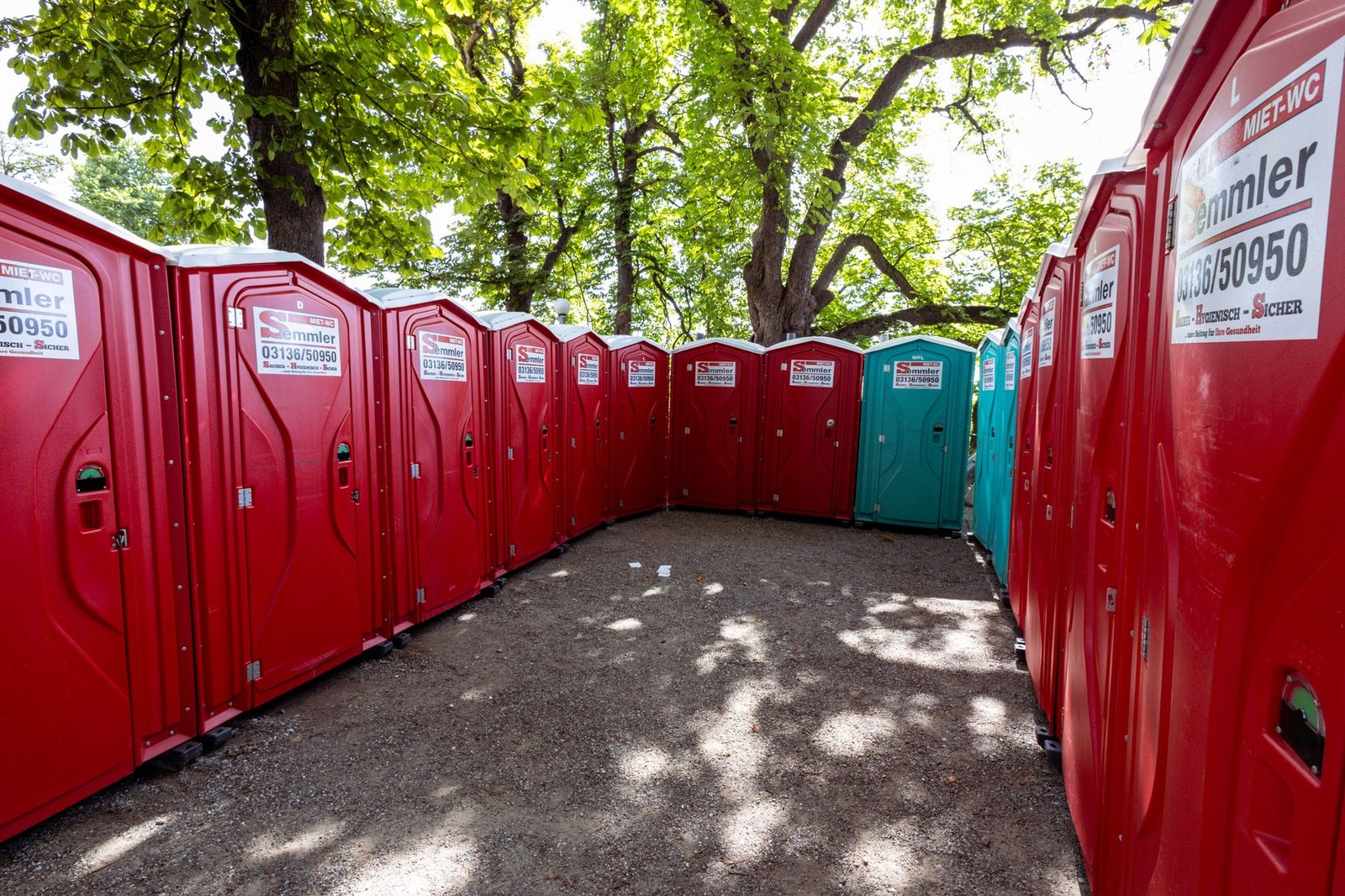
Portable toilets lined along a marathon race course
Adapt a Later London Start
A later London start can expose a gap in a routine built around early long runs. Your bowel may usually move soon after waking, while a later race gives you more time in bed and a different meal schedule. Practise some long efforts at a similar later time during the training weeks before the race.
If the bowel movement does not happen at your preferred time, have the breakfast and drink you have tested, wait without straining, and use a toilet near the start or on the course if your body signals that it is needed. Do not respond to a delayed visit with an unfamiliar laxative, energy drink, gel, or high-fibre snack. Those changes can cause the cramps or diarrhoea you were trying to avoid.
The routine you finish training with should be written down: the wake-up sequence, familiar breakfast, tested caffeine total, and course toilet locations. Pack those choices the night before and leave enough time to follow them.
How to Practice Race-Day Toilet Timing for London Habits That Reduce Stress
How to Practice Race-Day Toilet Timing for London: Habits That Reduce Stress works best when your plan remains usable even if the morning changes. Save a screenshot of the London course toilet locations on your phone before race week so you can find a suitable stop without relying on a signal.
Frequently Asked Questions
How can I prepare if the race toilets run out of toilet paper?
Pack toilet paper or wet wipes so you have a backup if a London race toilet has no supplies. Keep them where you can reach them without disturbing the rest of your race kit.
Is arriving in London early worth it for the marathon?
Arriving one to two days early can give you time to adjust to the journey and avoid last-minute logistical stress. That extra time can make it easier to follow the routine you practiced instead of rushing after travel.
Where does a folding stool need to fit while I wait?
A folding stool can make a long wait more comfortable if it is small enough to fit in the official clear kit bag. Check its size when you pack, because a stool that does not fit may become another item you have to carry.

I am Ozan, a London-focused running writer and marathon enthusiast with a passion for helping people discover the city’s best races, running routes, walking trails, and fitness events. I research and write practical, up-to-date guides covering marathons, race preparation, training tips, running gear, and everything related to staying active in London.
My goal is to create reliable, easy-to-follow content that helps runners and walkers of all experience levels explore London with confidence, whether they’re preparing for their first 5K or their next marathon.